

To close my eyes and remember Puno is to feel the crisp, thin mountain air hitting my face while the sun shines intensely over the infinite blue of Lake Titicaca. But for me, the most vivid memory isn’t just visual; it’s the aroma of a fresh grilled trout and the comforting heat of a steaming bowl of quinoa soup on a rustic wooden table. Food in Puno is not just sustenance; it is a warm embrace in the midst of the vastness of the Andes.
Table of Contents
As a traveler and host at Perú Grand Travel, I’ve had the privilege of sitting at tables ranging from sophisticated terraces to family kitchens on floating islands. I’ve seen the simple stone walls that guard millennial culinary secrets and felt the texture of Andean grains that today shine on the most luxurious tables in the world. If you are planning your journey, understanding the food in Puno is essential to absorbing the soul of this region.
In this guide, I will take you on a sensory journey, showing that the gastronomy of the Altiplano (High Highland) is one of the strongest pillars of Peruvian cuisine. Bring your appetite, because the Puno I know is best discovered through the palate.
Why should you try the food in Puno? | The Essence of the Earth
The food in Puno is the definition of “high-altitude comfort.” The climate here is relentless, the air is thin, and the human body demands energy and heat.
- The Origin: Dishes are born from pure native ingredients: quinoa (the “Gold of the Incas”), potatoes (in thousands of varieties, including chuño, the dehydrated potato), and Andean meats like alpaca and lamb.
- The Flavor: Don’t expect the spicy and complex seasonings of the coast. Here, the flavor comes from the quality of fresh ingredients cooked slowly, often in clay pots or wood-fired ovens.
When you look for authentic food in Puno, you are looking for rich broths, tender meats, and the absolute freshness of lake fish. To understand the foundation of these flavors and the genius of our national culinary scene, I deeply recommend reading our pillar guide on Peruvian Food.
DID YOU KNOW?
Chuño: Dehydrated potatoes (chuño) are a genius invention of the ancient inhabitants of the Altiplano. They allow potatoes to freeze overnight and dry under the strong daytime sun for weeks. The result is an ingredient that can last for years without spoiling—essential for nutritious soups during the rigorous Weather in Puno.

What to eat in Puno? The 5 Unforgettable Dishes that Define the Altiplano
Before deciding where to eat in Puno, you need to know what to order.
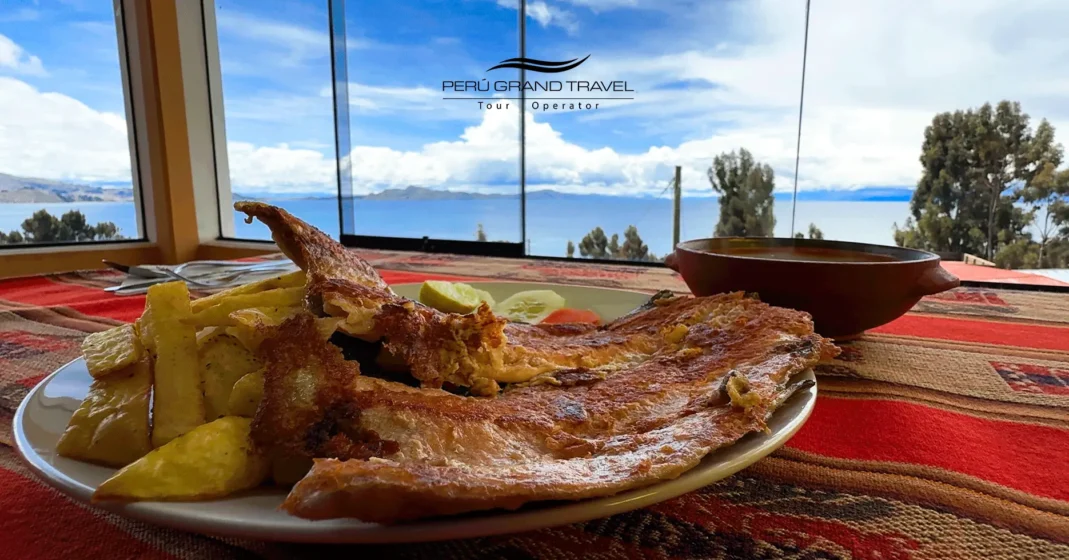
- Fried Trout | Trucha Frita: The signature dish of Lake Titicaca. The fish is typically fried whole and served with golden potatoes and salad. Simple, crispy on the outside, and incredibly tender on the inside.
- Cancacho: The glory of Puno. It is lamb roasted in a wood-fired oven, marinated for hours in ají panca (red pepper), garlic, and dark beer. It is succulent and falls off the bone.
- Chairo: The soup that heals the soul (and the cold). A thick broth made with beef, chuño, potatoes, and vegetables. If you feel the chill, ask for a Chairo.
- Pesq’e de Quinoa: A creamy dish similar to a risotto, made of quinoa whipped with milk and Andean cheese. It is a hug in food form.
- Grilled Alpaca: An incredibly lean and healthy meat, often served on a hot stone.
DID YOU KNOW?
Puno is considered the quinoa capital of the world. There are more than 3,000 varieties of this “superfood” that the Incas called the “Mother Grain.” Tasting the food in Puno is, quite literally, eating living history.
Where to eat in Puno: The 10 Best Restaurants
If you are looking for the best food restaurants in Puno, the city has options that will surprise you. They are mainly concentrated around the Plaza de Armas and the pedestrian street (Jirón Lima).
Where to eat the best typical Puno dishes with elegance
If you seek comfort, fireplaces, and excellent service:
- Mojsa Restaurant: Located right in front of the Plaza de Armas. It is famous for its cancacho and alpaca cuts. The second-floor balcony is perfect for people-watching in the square.
- La Table del’ Inca: A French surprise in the Andes. The chef fuses French techniques with local ingredients. The presentation is impeccable.
- Los Balcones de Puno: Ideal if you want to enjoy food in Puno while watching a live folk dance show. (Very popular with travelers, but a lot of fun.)
- Tulipans Restaurant & Pizzeria: Great for families. If your stomach craves something international after days of typical food, the wood-fired pizzas here are fantastic.
- Casa del Corregidor: Set in an old colonial house, the atmosphere is rustic and welcoming, offering excellent Andean options.
Where to eat on a budget in Puno | Great options and cafes
- Loving Hut: Yes, Puno has excellent options for vegans! This restaurant offers local dishes reinterpreted without animal products.
- Cafe Bar de la Casa del Corregidor: An oasis to have a freshly brewed coffee, eat an empanada, and read a book away from the street’s cold.
- Restaurante Valeria: Known for offering tourist menus with excellent value for money (soup + main dish + drink).
The Experience with a View
- Alma Bar Restaurante | Casa Andina Premium Hotel: If you want absolute elegance, this is the place. They offer stunning views of the lake, perfect for a celebration dinner. Check out other sophisticated lodging options in Luxury Hotels in Puno.
- Restaurants on Taquile Island: The best trout isn’t in the city, but on Taquile Island during your lake tour. The trout is caught and fried by local families right there.
ADVICE GRAND
The Lunch Rule: The altitude of Puno requires that digestion be taken seriously. My “Andean Gold” advice is: eat your largest meal at lunch (the trout, the lamb). For dinner, opt for light soups or creams to avoid insomnia or discomfort due to the thin air.

Street Food in Puno: The Taste of the Streets
For the curious traveler asking “what to eat in Puno for an authentic experience?”, the answer lies in the street carts (carretillas). The main street (Jirón Lima) and the area around the Central Market are a paradise for Andean street food, especially when night falls.
- Anticuchos: Grilled beef heart skewers cooked over charcoal. The smell of the ají panca, garlic, and vinegar marinade is impossible to ignore on cold nights.
- Picarones: The ultimate street dessert. Pumpkin and sweet potato dough rings, fried and dipped in chancaca (sugar cane) syrup.
- Warm Emoliente: A medicinal drink served very hot on street corners, made of flaxseed, toasted barley, and herbs—excellent for warming the body and aiding digestion at high altitudes.
Budget-Friendly and Authentic Options
If you want to save money and eat like a local, visit the Puno Central Market during lunchtime. There, the local “señoras” prepare Ceviche de Trucha (a trout ceviche made with fresh lake fish, which is phenomenal) and restorative broths for a very low price.
FACT CURIOUS
Fried Cheese: A very popular street food in Puno is bread with breaded and fried Andean cheese, often consumed in the mornings with coffee. It is simple, hearty, and perfect for the morning chill.

| Dining Style | Recommended Dish | Average Cost (USD) | Atmosphere |
| Fine Dining | Gourmet Cancacho | $25 – $40 | Sophisticated / Lake View |
| Local Bistro | Baked Trout | $12 – $20 | Cozy / Historic |
| Street Food | Api with Pastel | $2 – $5 | Authentic / Vibrant |
| Coffee Shop | Muña Tea & Quinoa Cake | $5 – $10 | Relaxing / Casual |
Gastronomic Experiences and Tours in Puno
While Puno may not have the same formal quantity of “Food Tours” as Lima or Cusco, the gastronomic experience is embedded in daily activities.
Experiential Tourism | Homestays
If you seek the deepest authenticity, the best food in Puno isn’t served in a restaurant. It’s served in the earthen kitchen of a family on Amantaní Island or the Capachica Peninsula.
- By choosing to stay overnight with local residents (a very popular option in our Things to do in Lake Titicaca activities), you will harvest potatoes with the family, see how they cook on wood-burning stoves, and dine with them by candlelight. It is a meal that feeds the spirit.
To see how these experiences fit into your overall trip, check our master list of Things to do in Puno.
How to order food delivery in Puno?
If you’ve had an exhausting day exploring the Sillustani Tombs or the Museums in Puno, and all you want is to rest in your hotel room, modernity has reached the Altiplano.
- Apps like PedidosYa work perfectly in the central area of Puno. You can order anything from a hot pizza to Pollo a la Brasa (rotisserie chicken) directly to the comfort of your bed.
- Tip: Always ask your hotel reception, as they often have direct contacts with the best local restaurants that deliver in the area.
Logistics: How to Get to Puno
Gastronomy is only valuable if you can reach it.
- How to get to Puno | from Peru: The fastest way is to fly from Lima to Juliaca Airport (JUL) and take a ground transfer (about 1 hour) to Puno.
- How to get to Puno from Bolivia: A very popular route for those crossing borders. You can take a comfortable bus or private transport from Copacabana (Bolivia), which takes about 3 to 4 hours, crossing the border at Kasani. The road is scenic and skirts the Titicaca.
And if your trip coincides with February, prepare for the cultural banquet that is the Virgen de la Candelaria 2026 festival, where street food, beer, and dancing don’t stop for days on end.
Frequently Asked Questions | FAQ
1. What to eat in Puno at night?
Prefer soups (like Dieta de Pollo or Chairo) or light pastas. Avoid eating heavy meats like alpaca or lamb right before bed, as slow digestion at high altitudes can disrupt sleep.
2. Is the food in Puno safe for tourists?
Yes. In recommended restaurants and hotels, hygiene is excellent. Always drink bottled water.
3. How much does an average meal in Puno cost?
It is very affordable. A “Menu del Día” (Appetizer, Main Course, and Juice) in a modest restaurant costs about 15 to 20 Soles ($4 to $6 USD). In elegant restaurants on the square, a main course costs 40 to 70 Soles ($10 to $18 USD).
4. Is there vegetarian food in Puno?
Yes! Puno is a major producer of quinoa, potatoes, broad beans, and cheese. There are specific restaurants (like Loving Hut), and all traditional restaurants offer excellent dishes based on Andean vegetables.
5. Can I drink tap water in Puno?
No. We strongly advise using bottled water for drinking and brushing your teeth.
6. Is it safe to eat trout from Lake Titicaca?
Yes, it is extremely safe and highly recommended! Trout is a cold, clean-water fish. However, always choose restaurants with good reviews or those indicated by your Perú Grand Travel guide.
7. Is the food in Puno very spicy?
Contrary to what some think, Puno’s food focuses more on the flavor of herbs and slow cooking than on heat. The “ají” (hot sauce) usually comes on the side so you can dose it yourself.
8. What should I drink to accompany the food?
Besides Coca Tea, try “Chicha de Quinua” or high-altitude wines produced in southern Peru. They are perfect pairings for the food in Puno.
9. How can I avoid altitude sickness while eating?
The golden rule is: “Eat little, drink plenty (water), and walk slowly.” On your first day in Puno, opt for light soups like Chupe de Quinua before venturing into heavier meats like Cancacho.
The Taste of the Altitude
My friend, the food in Puno does not try to mimic the refinement of Lima or the boldness of Cusco. It has its own identity. It speaks of survival, of respect for the land, and of cold nights warmed by kind hearts.
When you break a piece of crispy trout with your fork while looking out at the blue immensity of Titicaca, you will understand that it’s not just the flavor of the fish; it’s the flavor of the pure Andean air.
At Perú Grand Travel, we love designing experiences that connect you to these small details, because we know that travel memories are built around the table.
Are you ready to taste the highest navigable lake in the world? Contact us today, and let’s add the perfect Andean spice to your Peru itinerary.

Experiences

Machu Picchu Challenge 8D/7N
Cusco, Sacred Valley Humantay Lagoon, Rainbow Mountain & Machu Picchu.
View Tour
Colonial Lima and Sacred land of the Incas 7D/6N
Lima, Cusco, Sacred Valley & Machu Picchu.
View Tour


