

Understanding the weather in Puno is essential for planning a comfortable and rewarding trip. Located on the shores of Lake Titicaca at over 3,800 meters
Rather than experiencing extreme heat or cold, travelers can expect mild daytime temperatures, chilly nights throughout the year, and a clear distinction between the dry and rainy seasons. This unique high-altitude climate influences everything from sightseeing schedules and lake excursions to what you pack and wear each day. Understanding how Puno’s seasons work will help you choose the best time to visit, and prepare appropriately.
Why Weather Matters When Visiting Puno
Weather plays a key role in the Puno travel experience. Cold nights can surprise visitors who expect mild temperatures, while intense sun during the day makes sun protection important even in cool weather. Rainfall patterns also affect lake excursions, festivals, and photography. Planning around the weather helps ensure smoother transportation, better visibility on the lake, and more enjoyable cultural experiences.
What Travelers Should Expect Year-Round
Throughout the year, travelers to Puno can expect cool to mild days, cold nights, and strong sunlight. Frost is possible during the winter months, especially at night, while summer brings warmer days and afternoon rain showers. No matter the season, layering clothing is essential, as temperatures can change quickly from day to night.
Where Is Puno and How Altitude Affects the Weather
The weather in Puno is strongly influenced by its geographic location and high elevation. Understanding where Puno sits on the map—and how altitude shapes its climate—helps travelers better prepare for temperature changes and daily conditions.
Location of Puno in Southern Peru
Puno is located in southern Peru, on the shores of Lake Titicaca, near the border with Bolivia. The city sits on the Andean plateau known as the Altiplano, far from the moderating effects of the coast or the humidity of the Amazon. This inland, high-altitude location gives Puno a distinct Andean climate that is cooler and drier than many other destinations in Peru.
How High Altitude Influences Temperature and Climate
At over 3,800 meters (12,500 feet) above sea level, altitude plays a major role in Puno’s weather. The thin air retains less heat, which keeps daytime temperatures mild and causes rapid cooling after sunset. Even when the sun is strong, the air temperature remains cool, and nights can be very cold throughout the year. This is why travelers often experience large temperature differences between day and night.
Why Days Are Sunny and Nights Are Cold
Puno is known for its bright, sunny days, especially during the dry season. At high altitude, sunlight is more intense due to lower atmospheric filtering, leading to clear skies and strong solar radiation. However, once the sun sets, heat escapes quickly, resulting in cold nights and occasional frost during winter months. This daily contrast is one of the most characteristic features of Puno’s climate and makes dressing in layers essential for visitors.
Weather in Puno by Season
Puno’s climate is defined by two main seasons rather than the four-season pattern found in many parts of the world. Understanding the dry and rainy seasons helps travelers choose the best time to visit based on weather conditions, activities, and personal preferences.
Dry Season in Puno (May to October)
The dry season is considered the best time to visit Puno. During these months, rainfall is minimal, skies are mostly clear, and days are sunny with cool temperatures. Daytime conditions are ideal for sightseeing, boat tours on Lake Titicaca, and outdoor cultural activities.
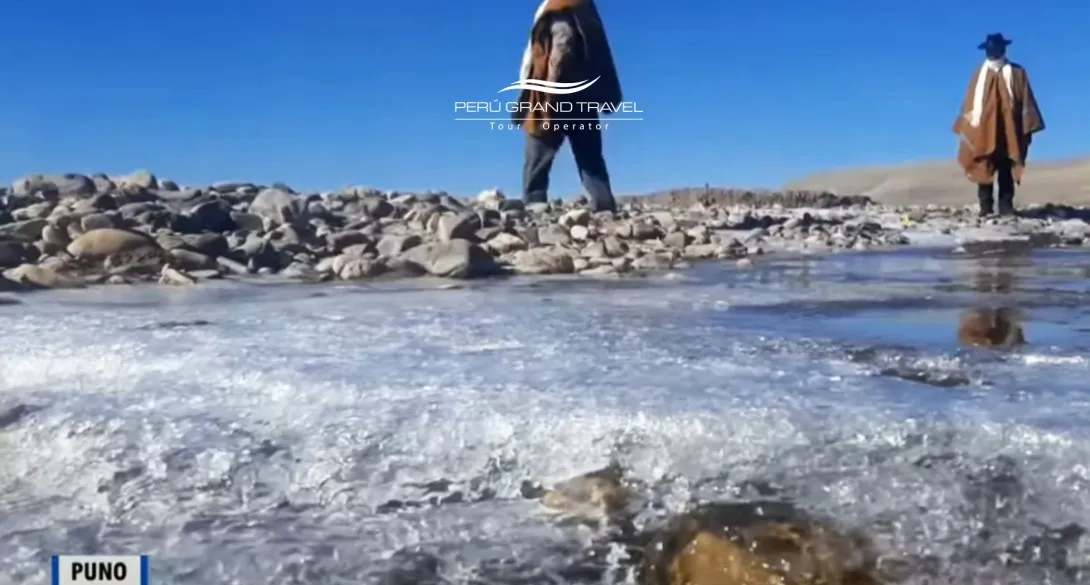
However, nights during the dry season can be very cold, especially from June to August, when temperatures may drop close to or below freezing. Travelers should be prepared with warm clothing, particularly for evenings and early mornings.
Rainy Season in Puno (November to April)
The rainy season brings warmer daytime temperatures and increased precipitation to Puno. Rain usually falls in short, intense showers, often in the afternoon or evening, rather than all day. The landscape becomes greener, and the lake surroundings look especially vibrant during this period.
While travel is still possible, visitors should plan activities earlier in the day and be prepared for occasional delays due to rain. Despite the showers, mornings are often clear, and cultural life in Puno continues year-round, making the rainy season a quieter but still rewarding time to visit.
Weather in Puno by Month
Weather conditions in Puno change gradually throughout the year, with temperature shifts and rainfall patterns that influence travel experiences. Here’s what travelers can expect month by month.
Puno Weather in January
January is one of the wettest months in Puno. Days are relatively mild, but afternoon rain showers are common. Landscapes around Lake Titicaca are lush and green, though some outdoor activities may need flexible planning.
Puno Weather in February
February continues the rainy season and is often the wettest month of the year. Despite frequent rain, this month is culturally significant due to major festivals like Virgen de la Candelaria. Mornings are usually clearer, with rain later in the day.
H3: Puno Weather in March
Rainfall begins to decrease in March, signaling the transition toward the dry season. Days remain mild, nights are cool, and travel conditions gradually improve, making it a good shoulder month for visitors.
Puno Weather in April
April marks the start of more stable weather. Rain becomes infrequent, skies clear up, and temperatures are comfortable during the day. This is one of the best months to visit Puno, combining good weather with fewer crowds.
Puno Weather in May
May signals the beginning of the dry season. Days are sunny and cool, rainfall is minimal, and visibility around Lake Titicaca is excellent. Nights start getting colder, so warm clothing becomes essential.
Puno Weather in June
June is dry and sunny but noticeably colder, especially at night. Frost can occur in the early morning hours. Daytime weather is ideal for sightseeing, but travelers should be prepared for very cold evenings.
Puno Weather in July
July is one of the coldest months in Puno. Days remain clear and sunny, but nighttime temperatures often drop below freezing. This is peak tourist season due to the dry weather, so proper cold-weather gear is important.
Puno Weather in August
August continues the dry and cold pattern. Winds can be stronger, making temperatures feel colder, especially in the evenings. Despite this, days are bright and perfect for outdoor activities and lake excursions.
Puno Weather in September
September brings a gradual warming trend. Days become slightly warmer, nights remain cold, and rainfall is still very low. This month offers a good balance between pleasant weather and fewer tourists.
Puno Weather in October
October is a transition month, with warmer days and the first signs of the upcoming rainy season. Occasional showers may appear toward the end of the month, but overall conditions remain favorable for travel.
Puno Weather in November
November marks the beginning of the rainy season. Temperatures rise during the day, and rain showers become more frequent, particularly in the afternoons. The landscape starts to turn greener again.
Puno Weather in December
December is warmer and wetter, with regular rainfall and mild daytime temperatures. While evenings remain cool, the festive atmosphere and vibrant scenery make December an appealing time for travelers who don’t mind occasional rain.
Average Temperatures in Puno
Average temperatures in Puno are shaped by its high-altitude location on the Andean Altiplano. Rather than extreme heat, visitors experience cool to mild days and cold nights throughout the year, with noticeable differences between daytime and nighttime temperatures.
Average Daytime Temperatures in Puno
During the day, temperatures in Puno are generally mild and comfortable. Average daytime highs usually range between 13°C and 18°C (55°F to 65°F), depending on the season. Even in the colder months, strong sunlight can make midday feel warmer than expected, especially under clear skies during the dry season.
Average Nighttime Temperatures in Puno
Nighttime temperatures drop significantly due to the thin mountain air. On average, nights range between 0°C and 7°C (32°F to 45°F), with colder conditions during the dry season months. From June to August, temperatures can fall below freezing, making warm clothing essential for evenings and early mornings.
Coldest and Warmest Months in Puno
The coldest months in Puno are typically June and July, when nighttime frost is common and early mornings are especially cold. The warmest months tend to be November through March, during the rainy season, when daytime temperatures are slightly higher and nights are less extreme. Despite these variations, Puno remains cool year-round, and layering is always recommended for travelers.
Rainfall and Climate Conditions in Puno
Rainfall and overall climate conditions in Puno vary noticeably throughout the year and play an important role in travel planning. While temperatures remain relatively stable, changes in precipitation, wind, and humidity can affect daily activities and comfort.
Rainfall Levels Throughout the Year
Puno has a clear rainy and dry season pattern. Most rainfall occurs between November and April, with January and February being the wettest months. During this period, rain usually falls in short but intense afternoon showers rather than continuous rainfall. From May to October, precipitation is minimal, skies are clearer, and conditions are drier, making this the most popular season for travel and outdoor activities.
Humidity and Wind Conditions
Humidity levels in Puno are generally moderate, increasing slightly during the rainy season due to frequent showers. Winds are more noticeable during the dry season, especially between June and August, when breezes from Lake Titicaca can make temperatures feel colder than they actually are. These winds are usually stronger in the late afternoon and early evening, reinforcing the importance of warm layers.
Does It Snow in Puno?
Snowfall in Puno is rare within the city itself. While temperatures can drop below freezing during winter nights, precipitation usually falls as rain rather than snow. However, light snow or frost may occasionally be seen in higher surrounding areas of the Altiplano. For most travelers, frost on early mornings is far more common than actual snowfall in Puno.
Best Time to Visit Puno Based on Weather
Choosing the right time to visit Puno depends largely on what you want to experience. Weather conditions influence sightseeing, lake activities, and cultural events, making certain months more suitable for specific types of travelers.
Best Months to Visit Puno for Sightseeing
The best months for sightseeing in Puno are generally May through September, during the dry season. These months offer clear skies, minimal rainfall, and excellent visibility, ideal for exploring the city, visiting archaeological sites, and enjoying walking tours. Although nights can be cold—especially from June to August—daytime conditions are stable and comfortable for outdoor activities.
Best Time to Visit Lake Titicaca
The ideal time to visit Lake Titicaca is also during the dry season (May to October). Calm waters, clear skies, and lower chances of rain make boat excursions to the floating islands and nearby communities more enjoyable and reliable. Early mornings tend to be cold, but conditions improve quickly as the sun rises.
Best Weather for Festivals and Cultural Events
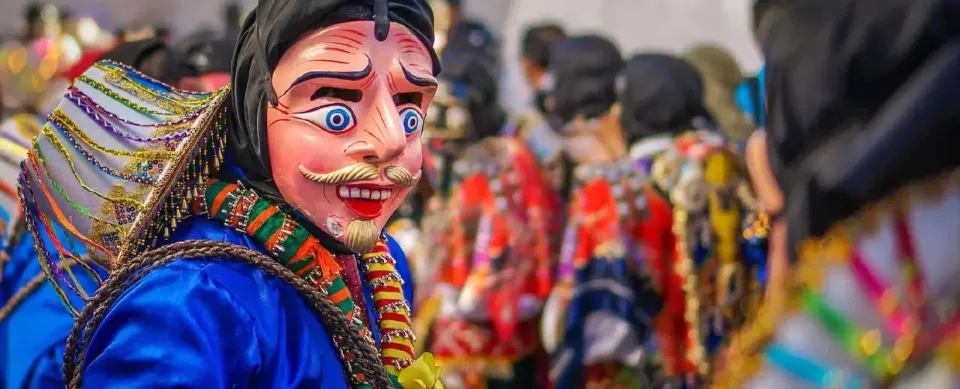
For travelers interested in cultural celebrations, February is one of the most important months despite being part of the rainy season. This is when the famous Virgen de la Candelaria Festival takes place, filling Puno with music, dance, and vibrant traditions. While rain is common, festivities continue regardless of weather, offering a unique cultural experience. Other dry-season months also host local events with more predictable weather and easier logistics for visitors.
What to Pack for the Weather in Puno
Packing correctly is essential when visiting Puno, as temperatures can change quickly between day and night. Dressing in layers and preparing for both sun and cold will ensure a comfortable experience in this high-altitude destination.
Clothing for Cold Nights and Sunny Days
Puno’s climate calls for layered clothing. During the day, lightweight long-sleeve shirts, sweaters, or fleece jackets are ideal for mild temperatures and strong sunlight. At night, temperatures drop significantly, so travelers should pack a warm jacket, thermal layers, and long pants. A hat, scarf, and gloves are also recommended, especially during the dry season months.
What to Pack for the Rainy Season
If visiting during the rainy season (November to April), a waterproof jacket or rain poncho is essential. Comfortable, water-resistant footwear helps with wet streets and uneven surfaces. Packing quick-drying clothes and a small umbrella can also make moving around the city more convenient during afternoon showers.
Sun Protection at High Altitude
Despite cool temperatures, sunlight in Puno is intense due to the high altitude. Travelers should always carry sunscreen with high SPF, sunglasses with UV protection, and a wide-brimmed hat. These items are important year-round and help prevent sunburn, dehydration, and fatigue during outdoor activities.
Weather Tips for Travelers Visiting Puno
Traveling to Puno is a rewarding experience, but its high-altitude climate requires a bit of preparation. These practical weather tips will help you stay comfortable, healthy, and ready to enjoy everything the region has to offer.
How to Dress in Layers in Puno
Layering is the key to dressing well in Puno. Mornings and evenings are cold, while midday temperatures can feel warmer under strong sunshine. Start with a thermal or lightweight base layer, add a sweater or fleece for insulation, and finish with a windproof or insulated jacket. This approach allows you to easily adjust as temperatures change throughout the day, especially when moving between outdoor activities and indoor spaces.
How to Stay Warm at Night
Nights in Puno can be very cold year-round, particularly during the dry season. Choose accommodations that provide extra blankets or heating, and wear warm sleepwear if needed. Bringing thermal socks, a beanie, or a light scarf can make evenings much more comfortable. Drinking something warm, such as herbal tea, is also a common local habit to help cope with the cold.
Health and Altitude Tips Related to Weather
Puno’s altitude can affect travelers, especially during the first days. Cool temperatures combined with thin air may increase dehydration and fatigue. Drink plenty of water, avoid heavy exertion on arrival, and allow time to acclimate. Protect yourself from the sun even on cool days, as UV exposure is stronger at high altitude. Taking these precautions helps ensure a safer and more enjoyable stay in Puno.
Frequently Asked Questions About Weather in Puno
Below are clear answers to some of the most common questions travelers have about the weather in Puno. These quick explanations help set realistic expectations and support better trip planning.
Is Puno Cold All Year Round?
Puno is considered cool year-round due to its high altitude. Daytime temperatures are usually mild, but nights are cold in every season. While it does not experience extreme heat, travelers should always be prepared for chilly evenings, regardless of the month.
What Is the Coldest Month in Puno?
The coldest months in Puno are typically June and July. During this period, nighttime temperatures often drop below freezing, and early morning frost is common. Daytime weather remains sunny, but warm clothing is essential after sunset.
Is the Rainy Season a Good Time to Visit Puno?
Yes, the rainy season (November to April) can still be a good time to visit Puno, especially for travelers interested in cultural events or fewer crowds. Rain usually falls in short afternoon showers, and mornings are often clear. However, visitors should plan activities early in the day and be flexible with schedules.
Does Puno Have Extreme Weather?
Puno does not experience extreme weather such as hurricanes or heavy snowstorms. Instead, its climate is defined by strong sun, cold nights, and seasonal rainfall. While temperature changes between day and night can be significant, conditions are generally stable and manageable with proper preparation.
Final Thoughts on the Weather in Puno
Understanding the weather in Puno is key to enjoying a smooth and memorable trip. Puno’s high-altitude climate may feel different from other destinations, but with the right expectations and preparation, it becomes part of the experience rather than a challenge.
How Weather Shapes the Travel Experience
Weather plays an important role in shaping how travelers experience Puno. Sunny days with cool temperatures are ideal for exploring the city and visiting Lake Titicaca, while cold nights encourage a slower pace and cozy evenings indoors. Seasonal changes influence landscapes, festivals, and daily routines, allowing visitors to experience Puno in different ways throughout the year.
Planning Your Trip Around Puno’s Climate
Planning your trip around Puno’s climate helps you make the most of your time in the region. Choosing the dry season offers clearer skies and more predictable conditions, while the rainy season brings greener scenery and cultural highlights. No matter when you visit, packing wisely, dressing in layers, and allowing time to acclimate will ensure a comfortable and rewarding journey in Puno.
More information:
- Visit our English website: Peru Grand Travel
- Visit our Spanish website: Viajes Machu Picchu Tours
- Visit our Portuguese website: Machu Picchu Pacotes