The South American Andes are not only home to majestic landscapes and ancient cultures but also host a diversity of unique animals, many of which are related to the iconic llama. These impressive creatures, adapted to the harsh conditions of high altitudes, have captured the attention of both travelers and scientists due to their significance in the daily life of Andean people, as well as their distinct appearance and behavior.
Table of Contents
In this article, we invite you to learn more about the species that share similarities with the llama, discovering their characteristics, differences, and how they have played a vital role in the region’s history and economy.

Did you know that llamas, alpacas, vicuñas, and guanacos are all part of the South American camelids family? Although they may seem similar at first glance, each of these animals has unique traits that set them apart, both in terms of their physical appearance and their uses. From the fine wool of the alpaca to the majesty of the vicuña and the strength of the guanaco, these relatives of the llama have been fundamental to the lives of indigenous Andean communities, providing everything from transportation to materials for textile production.
If you’re passionate about the animal world and want to know more about the differences between these camelids, their habitats, and how they interact with their environment, keep reading. In this complete guide, we will explore the main characteristics of animals most similar to the llama and show you how to identify and appreciate them on your next adventure through the Andes. Get ready to dive into the fascinating world of Andean camelids and discover all they have to offer! Continue reading to learn more.
What Are South American Camelids?
South American camelids are a family of iconic animals of the Andes that have played a vital role in the region’s cultures for thousands of years. Adapted to the harsh mountain conditions, these animals have not only been a fundamental part of the local economy but have also left a deep mark on the daily life and traditions of the Andean people. The camelids include llamas, alpacas, vicuñas, and guanacos, each with unique characteristics, from their appearance to their utility for local communities. Join us in learning more about these fascinating animals that, in addition to their historical relevance, are now valued globally.
Llamas: The Symbolism and Usefulness of an Iconic Animal
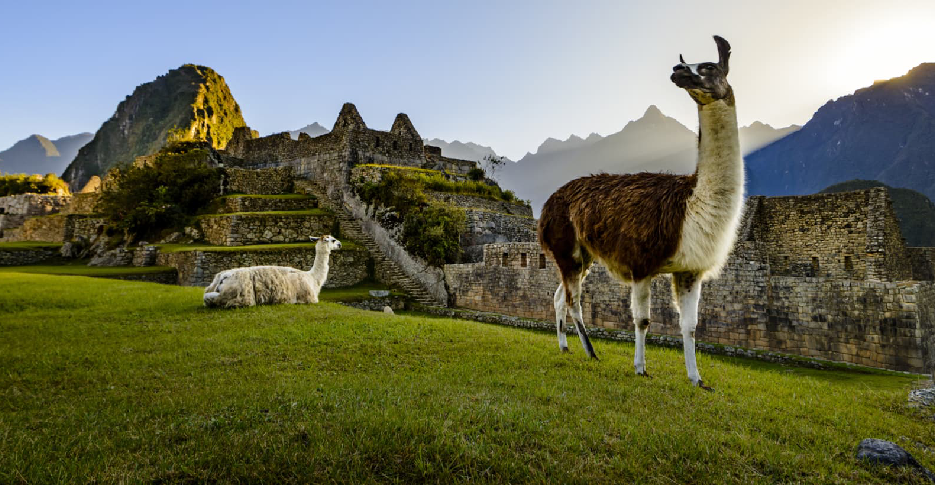
The llama is the largest and most robust of the domesticated South American camelids. With their distinct, banana-shaped ears and proud posture, llamas have been the primary pack animals of the Andes since the pre-Inca era. They were vital to the expansion of the Inca Empire, capable of carrying heavy loads across treacherous mountain passes. Today, they remain a powerful symbol of Andean culture.
Alpacas: The Small and Valuable Cousin of the Llama

If the llama is the worker, the alpaca is the aristocrat of fiber. Significantly smaller and possessing a much rounder, fluffier appearance, alpacas were domesticated purely for their extraordinary fleece. When exploring alpaca clothes in Peru, you feel a fiber that is naturally hypoallergenic, incredibly warm, and luxuriously soft.
Vicuñas: The Treasure of the Andes with Luxurious Fibers
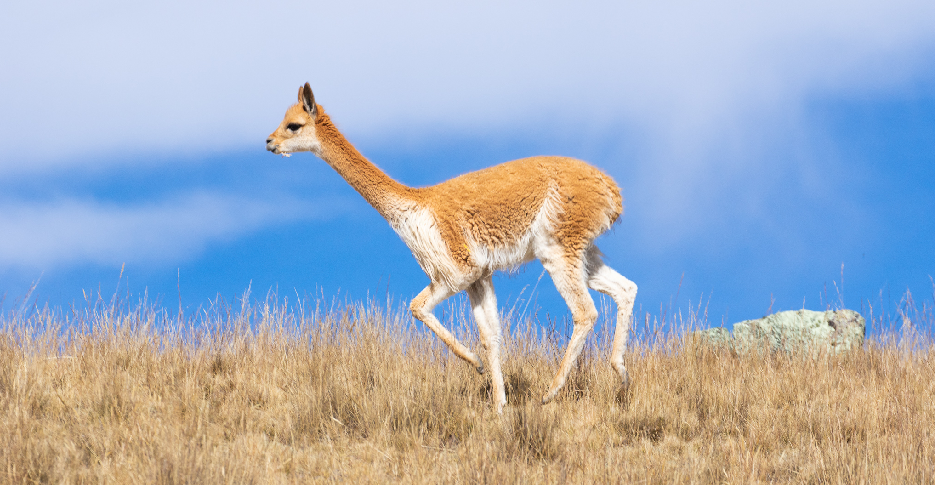
The vicuña is the smallest South American camelid and one of the most prized worldwide for its wool, which is among the finest and most expensive in the world. This wild animal, which lives at high altitudes, is protected from poaching, as its wool can only be harvested once every three years using special techniques. During the Inca Empire, vicuñas were protected, and their wool was only used by the nobility. Today, vicuña wool remains a luxury, a true “gold of the Andes,” symbolizing the connection between man and nature.
Guanacos: The Wild and Resilient Inhabitants of the Highlands

The guanaco is the wildest and most resilient of the South American camelids. Unlike llamas and alpacas, which have been domesticated, guanacos still roam freely across the highlands of the Andes. Their ability to adapt to extreme climates and their self-sufficient nature make them a symbol of strength and resilience. While their wool is not as valued as that of their relatives, guanacos remain important to the Andean ecosystem and a reminder of the ties indigenous peoples have maintained with their environment for generations.
South American camelids are not only essential to life in the Andes, but they also represent an opportunity for travelers to connect with ancient cultures and the region’s stunning natural surroundings. If you’re planning a trip to South America or simply want to learn more about these unique animals, don’t miss the chance to explore their world up close. Discover the wonders of the Andes and the treasures that South American camelids have to offer!
Key Differences Between Llamas and Other Camelids
South American camelids, such as llamas, alpacas, vicuñas, and guanacos, are an integral part of the cultural and natural landscape of the Andes, but they are often confused due to their similar appearance. While they share common characteristics, each of these animals has distinct traits that make them unique in terms of size, utility, and habitat. In this guide, we’ll help you identify the key differences between llamas and their Andean relatives so that you can fully appreciate them during your next South American adventure.
Size and Physical Appearance: A Comparison Between Llama, Alpaca, Vicuña, and Guanaco | South American Camelids
To make it effortless for you to identify them during your travels, we have prepared this executive comparison:
| Feature | Llama | Alpaca | Vicuña | Guanaco |
| Status | Domesticated | Domesticated | Wild | Wild |
| Size | Largest (Up to 400 lbs) | Small/Fluffy (Up to 150 lbs) | Smallest/Slender (Up to 110 lbs) | Large/Athletic (Up to 260 lbs) |
| Ears | Long, banana-shaped | Short, spear-shaped | Small, alert | Pointed, grey-faced |
| Wool/Fiber | Coarse, used for rugs | Very soft, used for sweaters | Extremely fine, ultra-luxury | Coarse, double-coated |
Utility and Purpose: From Load Bearing to Textile Production
The core difference lies in their relationship with humans. Llamas were bred for strength and logistics. Alpacas were bred for their spectacular fiber, which is the cornerstone of Andean weaving. If you visit the traditional weaving communities, you will see how this fiber is masterfully transformed. You can read more about this ancestral process in our guide to the art of the Chinchero communities.
Where to Find These Animals?
Observing these animals in their natural environment is one of the greatest privileges of traveling to Peru.
Andean Regions of Peru: Their Natural Habitat
The natural habitat of these camelids is closely tied to the South American Andes, especially in countries like Peru. Llamas and alpacas are common in the highlands, where local communities still depend on them for transportation and wool production. The high-altitude grasslands of the Andean mountain range, with their harsh climates, provide the ideal environment for these animals, which have evolved to survive in extreme conditions.
Reserves and Protected Areas: Conservation of Vicuñas and Guanacos
For nature lovers and conservationists, Peru also has nature reserves where vicuñas and guanacos are protected. Areas like the Salinas and Aguada Blanca National Reserve in Arequipa or the Pampa Galeras National Reserve in Ayacucho are crucial for preserving these species. Significant efforts are made in these areas to maintain their populations and ensure that these majestic animals continue to be part of the Andean landscape for generations to come.
Curious Facts About Animals Similar to the Llama
To truly impress your travel companions, keep these fascinating details in mind:
FACT CURIOUS
Did you know that South American camelids are incredibly eco-friendly? Unlike sheep or horses that have hooves that tear up the earth, camelids have soft, padded feet that do not damage the delicate Andean soil. Furthermore, when they graze, they nibble the grass without uprooting it, allowing the vegetation to regrow perfectly!
Fun Facts: Differences in Llama, Alpaca, and Vicuña Fiber
¿Did you know that llama wool is thicker and less soft than alpaca wool? This makes it ideal for durable items like blankets and rugs, while alpaca wool, being finer, is used in the creation of luxury clothing. On the other hand, vicuña fiber, which is the most highly valued, is not only incredibly soft but also has superior thermal capabilities, making it perfect for staying warm in the coldest climates. The collection of this fiber is strictly controlled and can only be done through sustainable practices that protect wild vicuñas.
South American camelids, including llamas, alpacas, vicuñas, and guanacos, are much more than just animals of the Andes. They represent the deep connection between nature and the ancestral cultures that inhabit these lands.
From their resilience in mountainous terrains to their unmatched value in textile production, these animals have been essential to life in the Andes for centuries. Each of these camelids offers something unique: llamas as tireless pack animals, alpacas as a source of exquisite wool, vicuñas with their prized luxury fiber, and guanacos as wild guardians of high-altitude ecosystems.
Getting to know these animals is much more than just a tourist experience; it is a journey into the heart of South American history, biodiversity, and traditions. If you dream of discovering the secrets of the Andes, being near South American camelids and learning about their importance to local life is an experience you shouldn’t miss.
¿Are you ready to explore the Andes and see these incredible animals up close? Don’t miss the chance to live an unforgettable adventure, surrounded by unique landscapes and accompanied by the natural guardians of the highlands. Book your next trip to the Andes now and be part of an authentic experience where you’ll meet llamas, alpacas, vicuñas, and guanacos up close. ¡Book here to start your Andean adventure today!

Experiences

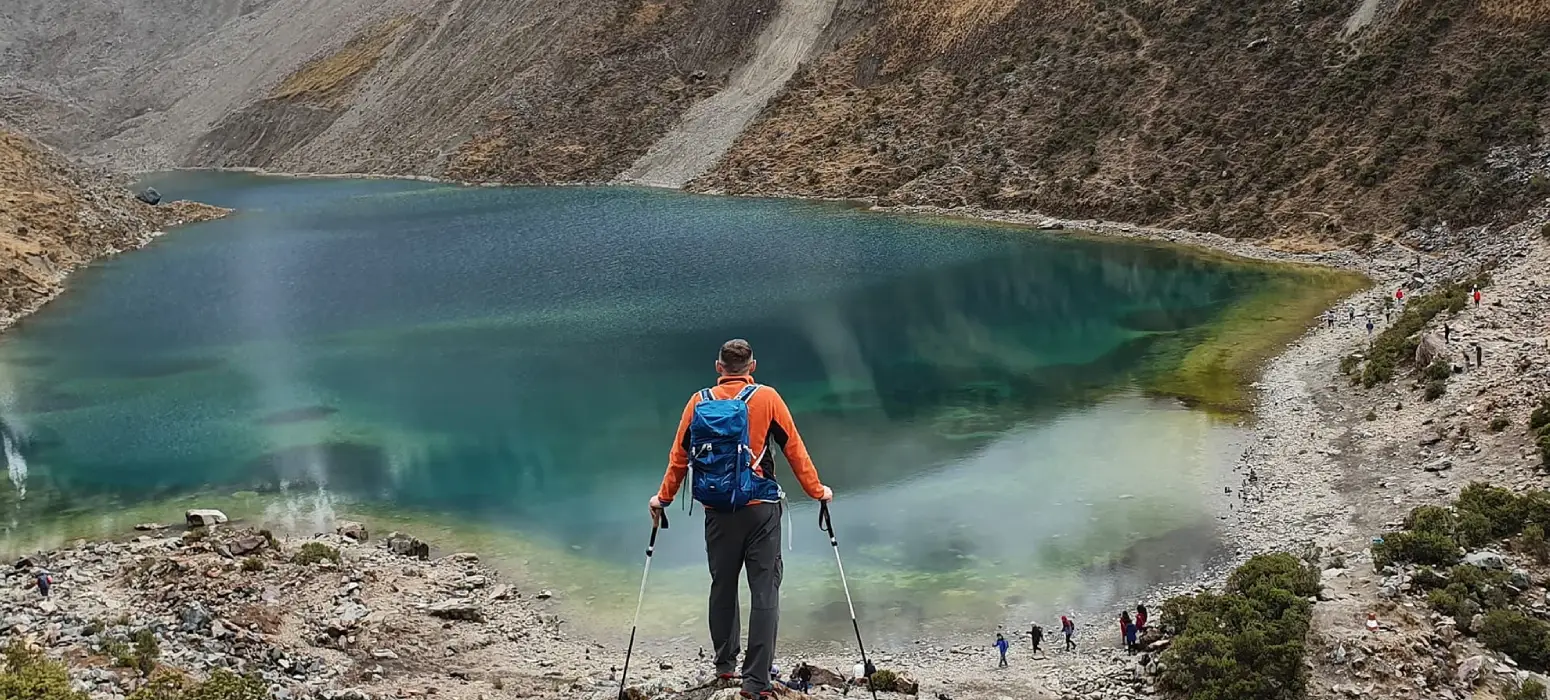
Machu Picchu Challenge 8D/7N
Cusco, Sacred Valley Humantay Lagoon, Rainbow Mountain & Machu Picchu.
View Tour
Colonial Lima and Sacred land of the Incas 7D/6N
Lima, Cusco, Sacred Valley & Machu Picchu.
View Tour