

Are you wondering what are the best things to do in Puno? From the floating islands of Uros to the mysterious Sillustani towers. Discover the magic of Lake Titicaca with our expert guide.
Puno is not a place you “visit.” It’s a place you feel. Sitting proudly on the shores of Lake Titicaca, this high-altitude city in southern Peru invites travelers who crave authenticity, living culture, and landscapes that stay with you long after the journey ends. If you’re searching for the most meaningful things to do in Puno, this guide is your trusted companion.
As part of our broader guide to Things to do in Peru, Puno offers a slower, deeper rhythm—perfect for travelers who value cultural immersion over crowds.
What places should you visit in Puno? | Archaeology & Nature
When people ask me about things to do in Puno, they usually think of the lake. And while the lake is the star, the land around it is scattered with gems that tell the story of civilizations that thrived here long before the Incas.
Archaeological Sites: Where the Stones Speak
Sillustani: The Towers of the Dead
Imagine a peninsula surrounded by the mystical Lake Umayo. Now, place massive stone towers on top of it, some reaching 12 meters high. This is Sillustani. These Chullpas (funerary towers) were built by the Colla people to house their nobility.
- The Vibe: It is eerie, silent, and incredibly beautiful. The engineering is precise—the stones are wider at the top than at the bottom, a masterful anti-seismic design.
- The Cosmopolitan Touch: Visit at sunset. The stark silhouette of the towers against the purple sky is one of the most photogenic moments you will find in Peru. It creates a profound connection with the past.
Pucara: The Mother Culture
Located about 100km from Puno, Pucara is often overlooked, but it is the origin of much of the Andean cosmology. Here you will find the origins of the famous “Toritos de Pucara” (the ceramic bulls you see on rooftops for good luck).
- Why go? To visit the Lithic Museum and see the pyramid-like structures. It is a deep dive into history without the crowds.
Inca Uyo: The Temple of Fertility
Located in the colonial village of Chucuito (just 20 minutes from Puno), this is perhaps the most curious site in the region. Inca Uyo is often called the “Temple of Fertility” because of the dozens of mushroom-shaped phallic stones planted in the earth.
- The Vibe: While it often elicits a giggle from tourists, for the locals, it is a sacred space representing the duality of life and the pact with Mother Earth for abundance. It is a fascinating glimpse into a worldview that celebrates creation without taboo.
Amaru Muru: The Interdimensional Gateway
If you are drawn to the mystical, you must drive south to the “Forest of Spirits” in Hayu Marca. Here, carved into a massive red sandstone cliff, stands a mysterious doorway: Amaru Muru.
- The Legend: Local shamans say it is a “Stargate,” a portal used by ancient priests to travel to other dimensions. There is no physical opening, yet when you place your forehead against the indentation in the rock, many travelers report feeling a vibration or a sudden temperature change. Whether you believe in the supernatural or not, the landscape here—reminiscent of Mars—is hauntingly beautiful.
The Islands: A World on the Water
Lake Titicaca is the highest navigable lake in the world, sitting at 3,812 meters (12,507 ft). The islands here are not just landmasses; they are distinct cultures. Visiting them is, without a doubt, top of the list of things to do in Puno.
Uros Floating Islands: The Reed Walkers
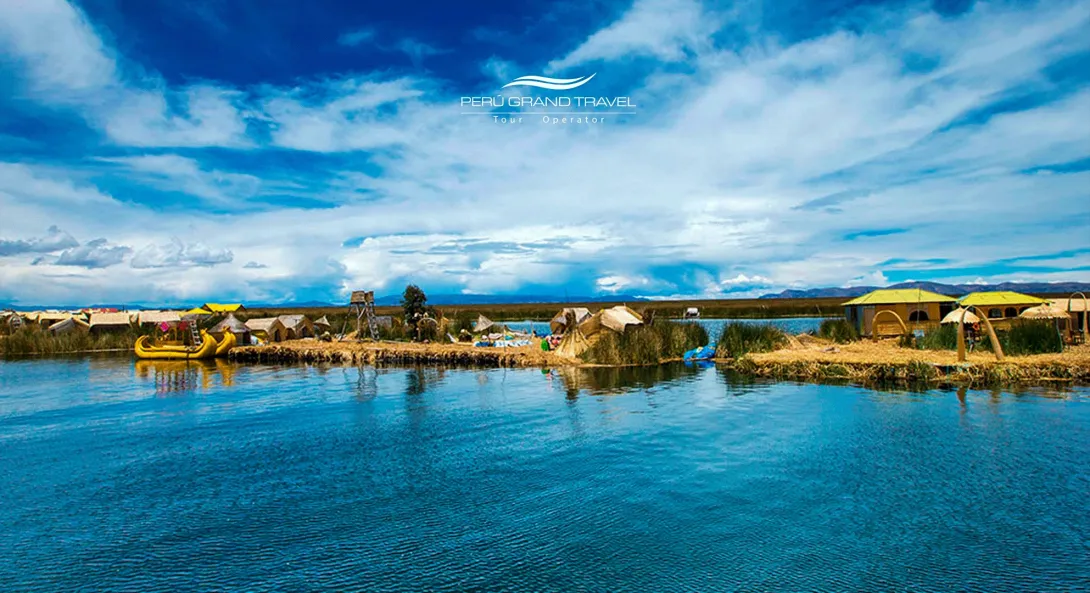
You have likely seen the photos: vibrant islands made entirely of totora reeds. The Uros people have lived this way for centuries, escaping aggressive tribes on the mainland.
- The Reality: Yes, it is popular. Yes, it can feel touristy if you go with a massive group.
The Grand Advice: Book a private tour. Go to the islands further away from the port. Sit down with a family, ask about how they anchor the islands, and how they cook without burning their homes down. That connection turns a photo op into a memory.
Taquile Island: The Weaving Men
Taquile is different. It is a natural island with terraced hills and Mediterranean-like views. But the real treasure here is the textile art.
- Unesco Heritage: The weaving here is so intricate it is recognized by UNESCO. Interestingly, it is the men who knit the complex chullo hats, while the women weave the belts.
- The Hike: Be prepared. The path from the port to the main plaza is a steep stone ascent. Take it slow, breathe, and enjoy the view. It is one of the most rewarding things to do in Puno.
Amantani Island: The Temple of Earth
If you want peace, go to Amantani. It is larger and less crowded than Taquile.
- The Pachatata and Pachamama: There are two peaks on the island representing Father Earth and Mother Earth. Hiking to the top of Pachatata for sunset offers a 360-degree view of the lake that makes you feel like you are standing on the roof of the world.
- The Stay: There are no hotels here. You stay in the homes of local families. It is rustic, yes, but sharing a meal of quinoa soup and potatoes by candlelight is the definition of luxury for the soul.
Museums: The Keepers of History
Puno’s history is not just locked in stone; it is preserved in curated collections that tell the story of the Altiplano.
The Yavari Ship Museum: A Victorian Giant
This is a hidden gem that deserves your attention. The Yavari is an iron gunboat built in England in 1862. Here is the incredible part: it was shipped to Peru in 2,766 separate pieces, carried on mules over the Andes mountains, and reassembled on the lake.
- The Experience: Today, it is a floating museum and a Bed & Breakfast. Visiting this Victorian relic is one of the most unique things to do in Puno. You can see the original 1914 Bolinder engine (still working!) and imagine the days when this ship was the only link between nations.
Carlos Dreyer Museum: The Treasure Box
Located just steps from the Plaza de Armas, this museum is the private collection of a German painter who fell in love with the Andes. It houses a fantastic collection of pre-Inca artifacts, colonial art, and something truly special: the Gold of Sillustani.
- Must-See: The Chullpa Lagarto treasure, featuring 500 gold pieces found in the funerary towers. It is small, perfectly curated, and offers a quiet, educational escape from the cold afternoon wind.
Coca and Costumes Museum: The Soul of the Party
To understand Puno, you must understand two things: the sacred Coca leaf and the Dance. This museum offers a deep dive into the ritualistic use of the coca leaf in Andean culture (it is not a drug; it is a medicine and an offering).
- The Costumes: The lower floors display the intricate, heavy, and sparkling costumes used in the Virgin of Candelaria festival. Seeing the “Diablada” masks up close allows you to appreciate the weeks of craftsmanship behind every sequin.
Where to take the best photos in Puno?
We live in a visual world, and Puno offers landscapes that need no filter. If you are looking for the most “Instagrammable” things to do in Puno, write these down.
The Puma Uta Viewpoint
“The House of the Puma.” Located at the entrance of the city, this lookout features a massive stone puma. From here, you can see the entire city of Puno hugging the curve of the lake. The contrast between the urban sprawl and the infinite blue water is striking.
The Condor Hill | Kuntur Wasi
For the fit traveler. It is a steep climb (about 700 steps!), but at the top, you are greeted by a giant metal condor and a panoramic view that is simply unbeatable. Go at sunrise if you can brave the cold; the light hitting the lake is magical.
The Arco Deustua
A stone arch was built in honor of the patriots who fought for Peru’s independence. It is located in a residential neighborhood and offers a lovely frame for street photography, capturing the daily life of the Puneños.
What to do in Puno at night?
Puno is not known for a wild nightlife like Cusco or Lima, but the nightlife here has a different charm. The cold air pushes people into warm, cozy spaces.
Jirón Lima
This is the main pedestrian street. It comes alive at night with locals strolling, musicians playing Andean flutes, and the smell of coffee wafting from the cafes. Walking here is one of the most relaxing things to do in Puno.
Cultural Shows
Many restaurants offer dinner shows with traditional dances. Seeing the Diablada performed up close while enjoying a hot dinner is a fantastic way to understand the local culture without freezing outside.
Stargazing
If you are staying at a hotel on the lake shore (like the GHL or Titilaka), step outside. The light pollution is low, and the Milky Way often stretches across the sky like a diamond necklace.
Puno Weather: When is the recommended travel date?
To enjoy the best things to do in Puno, timing is everything. We are at high altitude, and the weather can be unforgiving.
Dry Season | May to October
This is the best time to visit. The days are sunny, and the skies are piercingly blue. However, the nights are freezing (dropping below zero). Pack thermals!
Rainy Season | November to March
It rains, and the sky can be gray. However, the landscape turns green, which is beautiful in its own way.
The Sweet Spot
April and November are shoulder months. You get decent weather and fewer crowds.
Important Advice
Altitude Warning: Puno is higher than Cusco. Take it slow. Drink coca tea. Do not plan a heavy trek for your first day. Acclimatization is key to enjoying all the things to do in Puno.
What to do in Puno – The Gastronomic Experience
You cannot talk about things to do in Puno without talking about food. The cuisine of the Altiplano is hearty, warming, and deeply connected to the earth. It is soulful comfort food designed to combat the high-altitude chill.
Must-Try Dishes
Cancacho Ayavireño
This is not just roast lamb; it is an institution. The lamb is marinated in dark beer, aji panca (Peruvian red chili), and local herbs, then roasted in a wood-fired oven until the skin is crispy like a biscuit while the meat remains tender and juicy. It is succulent, flavorful, and absolutely addictive.
Fried Trout | Trucha Frita
This is “Farm-to-Table” in its purest form. The trout comes fresh from the cold waters of Lake Titicaca. It is usually served simply—pan-seared to perfection with a side of golden potatoes and fluffy white rice. The pink flesh is firm, mild, and utterly delicious.
Quinoa Soup | Chupe de Quinua
In the biting cold of the Puno night, a hot bowl of quinoa soup is not just food; it is a warm hug. Prepared with milk, cheese, yellow potatoes, and pumpkin, this creamy chowder showcases the ancient supergrain in its most comforting form.
Recommended Restaurants
Mojsa Restaurant
Located right on the Plaza de Armas. It offers a modern twist on local ingredients. Their Alpaca steak with Andean cheese sauce is superb.
La Table del’ Inca
A fusion of French techniques and Peruvian flavors. It feels elegant and intimate. A great spot for a celebratory dinner.
Los Balcones de Puno
If you want the dinner-and-show experience, this is the classic choice. Good food, great music, and a lively atmosphere.
Things to do in Peru according to the season | Festivities & Non-Festivities
Puno is known as the “Folklore Capital of Peru” for a reason. The calendar here dictates the energy of the city.
Virgin of Candelaria | February
This is the big one. If your trip aligns with February, witnessing the Festivity of Virgen de la Candelaria is the absolute top of things to do in Puno.
Imagine 40,000 dancers and 5,000 musicians taking over the streets. The costumes are masterpieces of embroidery. The energy is explosive. It is a syncretic festival honoring the Virgin Mary and the Pachamama (Mother Earth).
Note: The city gets packed. Book months in advance. For a detailed guide on this specific event, read our dedicated article on the Festivity of Virgen de la Candelaria.
New Year in Amantani
For a completely different vibe, spending New Year’s Eve on Amantani Island is magical. There are no fireworks (or very few), but the community gathers for a ritual burning of the “old year” (represented by dolls). You dance around the fire with the locals under a blanket of stars. It is spiritual and unforgettable.
Visiting Puno on Non-Festive Dates
If you prefer silence and nature, visiting outside of February is ideal. The lake is calm, the tours are private, and you can connect more deeply with the landscape. It is the perfect time for introspection and photography.
Sports in Puno: Adventure at 3,800 Meters
For those who think things to do in Puno are limited to slow boat rides, think again. The geography here is perfect for active travelers.
Sea Kayaking
Instead of a motorboat, kayak from the mainland to the Uros Islands. It takes about an hour. Gliding silently through the reeds allows you to see birds and wildlife that motorboats scare away.
Mountain Biking
The Chucuito peninsula offers trails with stunning views of the lake. Riding through rural villages and ancient terraces is a great way to see the “real” Puno.
Trekking
Hiking on Taquile or Amantani is a workout due to the altitude, but the paths are paved with stone and offer Mediterranean-like views.
Experiential Travel in Puno | Turismo Vivencial
This is the heart of the Puno experience. “Turismo Vivencial” is not about observing; it is about belonging. It means staying with local families on Amantani, Taquile, or the Uros islands and participating in their daily rhythm.
- Harvesting with the Pachamama: Depending on the season, you might help your host family harvest native potatoes or winnow the quinoa harvest in the wind. There is a profound grounding sensation when you put your hands in the high-altitude soil, touching the food that sustains this civilization.
- Fishing at Dawn: Imagine waking up before the sun. You go out on a small wooden boat with a local fisherman. The lake is a mirror of silence. Watching them cast their nets into the mist is poetry in motion. You realize the lake is not just water; it is Mamacocha, a living entity that provides life.
- The Language of Weaving: Sit with the women of Uros or the knitting men of Taquile. They will try to teach you the basics of their textile art. You will laugh at your own clumsiness, and they will smile with patience. In that moment, watching their skilled hands, you understand that they are weaving their history into every pattern.
The True Luxury: This isn’t just about sleeping in a rustic house without Wi-Fi; it is about the exchange. It is realizing that despite the distance, language, and culture, we share the same laughter and stories around a fire. This connection is, by far, one of the most meaningful and transformative things to do in Puno.
For more ideas on how to weave this into a larger itinerary, check our comprehensive guide on Things to do in Peru 2026.
To help you decide which island fits your style, here is a quick guide.
Recommended Tour Organization: Curating Your Puno Experience
As your host, I know that time is your most valuable luxury. Puno offers many treasures, but combining them requires logistical precision. You don’t want to spend your time waiting at a dock; you want to spend it soaking in the views.
To help you navigate the options, I have curated three distinct itinerary styles based on the experiences of our most discerning travelers. Which one speaks to you?
Option 1: The “Essence of the Lake” | Full Day
- Ideal for: Travelers with tight schedules who want to see the highlights without rushing.
- The Plan: We pick you up early (around 7:00 AM) and whisk you away on a fast boat (this cuts travel time in half compared to standard boats).
- Morning: Visit the Uros Floating Islands. Learn about the reed construction before the crowds arrive.
- Mid-Day: Cruise to Taquile Island. Hike to the plaza, enjoy a fresh trout lunch with a view of the Bolivian snowy peaks, and witness the master weavers in action.
- Afternoon: Return to Puno by 3:30 PM, leaving you time to rest or explore the city.
Option 2: The “Ancestral Connection” | 2 Days / 1 Night
- Ideal for: Cultural explorers seeking the “experiential tourism” deep dive.
- The Plan: This is the immersive route.
- Day 1: Visit Uros, then sail to Amantani Island. Here, you don’t go to a hotel; you are welcomed into a local family’s home. You will share lunch, hike to the Pachatata temple for sunset, and perhaps dance around a bonfire at night. It is rustic, raw, and incredibly moving.
- Day 2: Say goodbye to your host family and sail to Taquile for lunch and exploration before returning to Puno in the afternoon.
Option 3: The “Mystic Arrival” | Half Day
- Ideal for: The afternoon you arrive from Lima or Cusco.
- The Plan: Do not waste your arrival day inside a hotel room! If you fly into Juliaca (the airport serving Puno) or arrive by private transport, we can organize a detour to the Sillustani on the way to your hotel.
- The Experience: Seeing these massive funerary towers at sunset, with the light reflecting off Lake Umayo, is the perfect, mystical introduction to the Altiplano before you even reach the city.
Expert Note: At Peru Grand Travel, we specialize in connecting these dots. Whether you want a private luxury yacht for the day or a seamless homestay arrangement, we ensure the logistics are invisible so the experience takes center stage.
Frequently Asked Questions (FAQ)
How many days should I spend in Puno?
To truly enjoy the main things to do in Puno, 2 days are sufficient. Day 1 for Uros and Sillustani, Day 2 for Taquile or a full-day lake tour. If you want a homestay, allow 3 days.
Is Lake Titicaca a tourist trap?
The main Uros islands can be quite commercialized, and the sale of handicrafts and food is an essential part of their economy. However, the lake is vast, and remote areas like Amantaní or the private peninsula of the Titilaka Lodge offer genuine tranquility.
Is Puno worth going to?
Absolutely. It offers a landscape and culture found nowhere else in Peru. The connection to the lake and the ancestral traditions make it a unique stop in any itinerary.
Is it better to stay in Puno or Copacabana?
Puno (Peru) offers better infrastructure, luxury hotels, and access to the floating islands. Copacabana (Bolivia) is more backpacker-oriented and is the gateway to Isla del Sol. For comfort and diverse tours, Puno is generally preferred.
Is it safe to walk around Puno at night?
The main tourist areas (Plaza de Armas, Jirón Lima) are safe and well-lit. However, like any city, avoid unlit outskirts late at night. Stick to the center where the restaurants and shops are.
What is the best gift to get from Puno?
Textiles. A “Torito de Pucara” (ceramic bull) is great for the home, but a hand-knitted chullo hat from Taquile or an alpaca sweater is a wearable piece of art.
A Final Invitation from Your Host
My friend, Puno, is not just a stop; it is a pause. A pause to breathe the thin air, to touch the cold water of the sacred lake, and to connect with a culture that has survived empires.
Whether you are watching the dancers of the Virgin of Candelaria or sharing a potato with a farmer on Amantani, you will find that the things to do in Puno leave a mark on your soul.
At Peru Grand Travel, we are ready to open the doors to this mystical world for you. We handle the logistics, the private boats, and the best guides so you can focus on the magic.
Are you ready to sail on the roof of the world?
Contact us today, and let’s plan your journey to the origin of the Incas.
We invite you to explore our Peru packages Your experience in Peru is just one step away. Contact us now and start living the unique adventure you’ve always dreamed of.
More information:
- Visit our English website: Peru Grand Travel
- Visit our Spanish website: Viajes Machu Picchu Tours
- Visit our Portuguese website: Machu Picchu Pacotes