

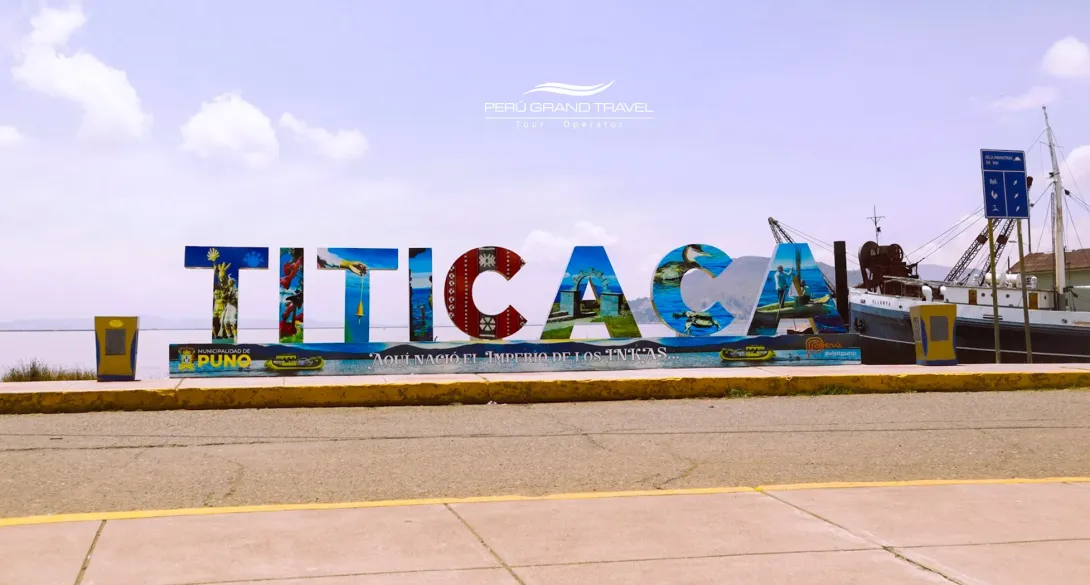
Planning a trip to Peru or Bolivia and wondering about the best things to do in Lake Titicaca? You’re in the right place.
Lake Titicaca is located high in the Andes at 3,812 meters (12,507 feet). It is the highest navigable lake in the world.
It is also one of the most magical places in South America. This famous lake has deep-blue waters, old legends, floating islands, and lively Indigenous communities. It gives travelers a unique mix of culture, nature, and adventure.
Whether you are exploring from Puno, Peru, or crossing the border to Copacabana, Bolivia, many experiences await you. You can visit the Uros Floating Islands.
They are famous. You can also enjoy the calm shores of Taquile, Amantaní, and Isla del Sol. In this complete guide, we highlight the top attractions, best tours, and essential travel tips so you can fully enjoy everything Lake Titicaca has to offer.
If you’re looking for the top things to do in Lake Titicaca, where to go, what to expect, and how to plan your visit , this guide will be your perfect starting point.
Why Visit Lake Titicaca? The World’s Highest Navigable Lake
Lake Titicaca is more than a destination. It is a place where ancient traditions, beautiful landscapes, and spiritual history meet. This combination feels almost magical.
At 3,812 meters (12,507 feet) above sea level, this famous lake connects Peru and Bolivia. It gives travelers a unique chance to experience life in the Andes. Visitors can also connect with cultures that have been around for centuries.
Lake Titicaca has floating islands made of reeds. It is known for its UNESCO-recognized textiles and sacred Inca legends. This place perfectly combines nature and culture.
This region has something for every traveler. You can enjoy photography, community tourism, archaeology, or peaceful lake views.
Where is Lake Titicaca located?
Lake Titicaca is located in the Andean highlands of South America, straddling the border between southeastern Peru and western Bolivia. On the Peruvian side, most visitors stay in the city of Puno, which serves as the main departure point for boat tours to the Uros, Taquile, and Amantaní islands.
On the Bolivian side, travelers usually base themselves in Copacabana, a charming lakeside town known for its basilica, colorful markets, and access to the famous Isla del Sol.
The lake covers more than 8,300 square kilometers, making it one of the largest lakes in South America and one of the most historically significant regions in the entire Andes. Its central location makes it easy to combine with nearby destinations such as Cusco, Arequipa, La Paz, and the Sacred Valley.
What makes Lake Titicaca so unique?
Lake Titicaca is truly one of a kind, combining ancient living traditions, breathtaking natural scenery, and deep cultural significance in a way few places can match. The lake is home to the famous Uros Floating Islands.
These islands are made from totora reeds. They support a way of life that is unique in the world. Taquile Island adds another layer of uniqueness with its UNESCO-recognized textile heritage, created by master weavers who maintain centuries-old techniques.
According to Andean mythology, Lake Titicaca is also the sacred birthplace of the Inca civilization, giving the region a powerful spiritual meaning. The lake is surrounded by clear blue waters, terraced hills, quiet villages, and stunning mountain views. It provides a travel experience that mixes culture, nature, and history in a memorable way.
Elevation, climate and what to expect
Because Lake Titicaca sits at 3,812 meters (12,507 feet), the altitude shapes nearly every aspect of the region—from the weather to how you explore the islands.
High-altitude climate
Expect:
- Sunny days with strong UV radiation
- Cold mornings and chilly nights
- Thin, dry mountain air
- Clear skies during the dry season (May–September)
- Afternoon showers during the rainy season (October–April)
How altitude affects visitors
Most travelers feel some effects of the elevation when they first arrive in Puno or Copacabana:
- Mild shortness of breath
- Slight fatigue
- Faster heart rate
- Need to walk slower, especially uphill
Drinking water, resting on the first day, and taking short, relaxed activities can help your body acclimatize.
What to expect during your visit
Despite the altitude, Lake Titicaca is peaceful, welcoming, and easy to explore. Boat rides are calm, the views are spectacular, and the local communities offer enriching cultural experiences that make your time here meaningful and memorable.
Best Things to Do in Lake Titicaca
Lake Titicaca is filled with unforgettable experiences—ranging from floating islands and ancient archaeological sites to peaceful views and immersive cultural encounters. No matter if you come from Peru or Bolivia, here are the best things to do in Lake Titicaca. Every traveler should try these experiences.
1. Visit the Uros Floating Islands
A visit to the Uros Floating Islands is one of the most iconic experiences in Lake Titicaca. These handmade islands are constructed entirely from totora reeds and maintained by the Uros people, who have preserved this remarkable tradition for centuries. Travelers can walk on the springy reed surfaces, meet local families, learn how the islands are built, and ride in traditional reed boats. It’s a cultural encounter unlike anything else in the world.
2. Explore Taquile Island and its UNESCO-listed textile tradition
Taquile Island is famous for its breathtaking landscapes and its community of master weavers whose textile art has been recognized by UNESCO. Visitors can hike along terraced paths, enjoy panoramic views of the lake, and learn about the island’s collectivist culture. The textiles are made entirely by hand. They show centuries of Andean traditions and are among the finest in Peru.
3. Stay with a local family in Amantani Island
For a deeper cultural immersion, spending a night on Amantani Island is an unforgettable experience. Local families open their homes to visitors, sharing traditional meals, music, and daily life. You can hike to the Pachatata and Pachamama temples for sunset views, enjoy simple but cozy accommodations, and connect with island life in a way that feels authentic and meaningful.
4. Enjoy the viewpoints around Puno Bay
Puno Bay offers several scenic viewpoints that showcase the impressive scale and beauty of Lake Titicaca. Popular spots like the Kuntur Wasi viewpoint or the Puma Uta overlook provide panoramic views of the lake, the city, and the surrounding mountains. These peaceful areas are ideal for sunrise photography, relaxed walks, and getting a sense of the lake’s vastness.
5. Take a boat tour through Lake Titicaca’s most iconic routes
Boat tours are one of the best ways to explore Lake Titicaca. Depending on your time, you can visit the Uros, Taquile, and Amantani islands in a single day or stretch the experience into a 2-day itinerary. Tours offer stunning lake views, stops at cultural communities, and opportunities to learn directly from the people who call this region home. The calm waters and wide landscapes make every boat ride memorable.
6. Discover Sillustani’s ancient funerary towers
Sillustani is an archaeological site by Lake Umayo, near Puno. It has tall Chullpas, which are ancient burial monuments made by pre-Inca and Inca cultures. These massive stone structures stand in a dramatic lakeside setting, offering both historical insight and incredible photo opportunities. It’s a must-visit for archaeology lovers and anyone interested in Peru’s ancient cultures.
7. Explore the Peninsula of Capachica
The Capachica Peninsula is perfect for travelers seeking a quieter, more authentic side of Lake Titicaca. Villages like Llachón offer peaceful homestays, traditional fishing activities, and breathtaking views without the crowds. It’s also an excellent place to experience community-based tourism and learn about daily life in the rural Andes.
8. Visit the town of Puno and its historical sites
The Capachica Peninsula is perfect for travelers seeking a quieter, more authentic side of Lake Titicaca. Villages like Llachón offer peaceful homestays, traditional fishing activities, and breathtaking views without the crowds. It’s also an excellent place to experience community-based tourism and learn about daily life in the rural Andes.
9. Kayaking or paddleboarding on Lake Titicaca
For adventure lovers, kayaking or paddleboarding on the highest navigable lake in the world is an unforgettable experience. The calm waters around the Uros Islands or near Llachón provide ideal conditions. Gliding over the deep-blue lake, with mountains all around, is peaceful and beautiful. It is great for anyone looking for an outdoor adventure.
10. Explore Lake Titicaca from the Bolivian side Copacabana & Isla del Sol
The Bolivian side of Lake Titicaca offers its own magic. The town of Copacabana is known for its basilica, vibrant markets, hiking trails, and lakeside charm.
A short boat ride takes you to Isla del Sol, famous for its Inca ruins, terraced hillsides, and panoramic views. According to Andean legend, this is where the sun itself was born. The Bolivian side feels quieter and more spiritual, making it a rewarding addition to your journey.
Optional Activities for Adventurous Travelers
Beyond the classic island tours, Lake Titicaca offers plenty of experiences for travelers who love exploring deeper, learning from local communities, and enjoying the quiet beauty of the Andean highlands. These optional activities allow you to connect with the region in a more authentic and adventure-driven way.
Cultural workshops textile, farming, cooking
Lake Titicaca is one of the best places in Peru to participate in hands-on cultural workshops led by local families. Travelers can learn traditional textile weaving on Taquile, try farming activities such as harvesting potatoes or tending to llamas in Amantaní, or participate in Andean cooking classes using native ingredients like quinoa, muña, or chuño. These workshops are intimate, educational, and incredibly rewarding, offering a genuine window into rural Andean life.
Longer overnight routes across the islands
For adventurous travelers with extra time, multi-day routes across the islands provide a deeper immersion into Lake Titicaca’s landscape and culture. You can spend nights in community-run lodges, hike between small villages, or cross from one island to another by boat. Popular routes include:
- 2D/1N Uros–Amantaní–Taquile
- Extended homestays in Llachón or Capachica
- Bolivian routes combining Isla del Sol and Isla de la Luna
These itineraries allow you to experience the lake’s serenity, witness breathtaking sunrises and sunsets, and disconnect from the fast pace of modern life.
Birdwatching and photography opportunities
Lake Titicaca is a paradise for photographers and nature lovers. The region is home to a diverse population of Andean birds, including Andean coots, grebes, herons, and the striking Andean goose. The open sky, shiny lake surfaces, and sloped hills create great lighting for photography. This is especially true at sunrise and sunset.
Whether you’re shooting wildlife, landscapes, or portraits of daily life on the islands, Lake Titicaca offers endless opportunities to capture unforgettable moments.
How Many Days Do You Need in Lake Titicaca?
The ideal amount of time to explore Lake Titicaca depends on your travel style, but most visitors find that 2 to 3 days provides the perfect balance of cultural immersion and scenic exploration.
Here’s a quick breakdown to help you plan:
- 1 Day: Best for travelers short on time. You can visit the Uros Floating Islands and Taquile on a full-day tour from Puno.
- 2 Days / 1 Night: A highly recommended option. Spend the first day visiting Uros and Taquile, then stay overnight with a local family on Amantani Island. This provides a deeper, more meaningful experience.
- 3 Days or More: Ideal for slow travelers, photographers, and adventure seekers. Additional days allow you to explore the Capachica Peninsula, visit Sillustani, enjoy kayaking, or journey to the Bolivian side of the lake.
If you want an immersive and memorable experience, 2–3 days is the sweet spot for Lake Titicaca.
Best Time to Visit Lake Titicaca
Lake Titicaca can be visited year-round, but the experience changes with the seasons. Understanding the weather will help you choose the best time to enjoy clear views, comfortable boat rides, and smooth cultural tours.
Dry season in Puno from May to September
The dry season is widely considered the best time to visit Lake Titicaca. Expect:
- Clear blue skies
- Excellent visibility for photography
- Cooler temperatures but very little rain
- Calm lake conditions ideal for boat trips
- A higher number of travelers (peak tourism season)
This is the perfect time for island tours, long hikes, kayaking, and multiday experiences. Just be prepared for cold mornings and strong sun exposure due to the altitude.
Rainy season in Puno from October to April
The rainy season brings more cloud cover and afternoon showers, but mornings are often still beautiful and pleasant for shorter tours. Expect:
- Warmer nighttime temperatures
- Occasional storms or fog
- Greener landscapes
- Fewer crowds and lower prices
It’s a great time for travelers who want peace, flexibility, and quiet island visits. Just stay away from long hikes in heavy rain.
When visibility and boat conditions are best
Visibility is highest during the dry season, especially from June to August. The air is clear, and the lake reflects the sky like a mirror. Boat conditions are also more stable during this period, making journeys smoother and safer.
However, between May and September, sunrise and sunset photography is extraordinary, with the Andean mountains glowing orange and gold.
In the rainy season, mornings can still offer good visibility, but tours are more weather-dependent.
How to Get to Lake Titicaca From Cusco, Arequipa or Bolivia
Reaching Lake Titicaca is easy and accessible from several major cities in Peru and Bolivia. You can choose from different ways to travel to Puno in Peru or Copacabana in Bolivia.
These are the two main gateways to the lake. You can pick comfort, speed, or scenic routes. Here are the best options depending on your starting point.
By bus
Traveling by bus is one of the most popular ways to get to Lake Titicaca, especially among backpackers and travelers seeking budget-friendly options.
From Cusco to Puno
The journey takes 6–7 hours, passing through dramatic Andean landscapes. You can choose:
- Regular buses (affordable and frequent)
- Tourist buses that make scenic stops at temples, viewpoints, and museums
- Night buses with comfortable seats for travelers wanting to save time
From Arequipa to Puno
This route takes 5–6 hours and is mostly smooth. Many companies offer both day and night departures.
From La Paz to Copacabana (Bolivia)
The trip is 3–4 hours, including a short ferry crossing at the Tiquina Strait. This is the best option for travelers visiting the Bolivian side of the lake.
By flight
While Lake Titicaca doesn’t have its own airport, travelers can fly to nearby Juliaca Airport (JUL), which is about 45 minutes from Puno.
Direct flights operate from:
- Lima to Juliaca (1 hour 40 minutes)
- Arequipa to Juliaca (short connections or seasonal flights)
From the airport, it’s easy to take a taxi, shuttle, or private transfer to Puno. This is the fastest and most comfortable way to reach Lake Titicaca, especially if you are short on time.
By train
The train journey from Cusco to Puno is considered one of the most scenic railway experiences in the world. Operated by PeruRail, this luxury route includes:
- Elegant dining cars
- Panoramic windows
- Traditional music and dance performances
- Stunning views of the Andes, farmlands, and river valleys
The trip takes around 10 hours and is more of an experience than a simple transfer. It’s ideal for travelers seeking a memorable, slow-travel journey across the Peruvian highlands.
Border crossings from Bolivia
or travelers approaching from Bolivia, Lake Titicaca is very accessible:
La Paz to Copacabana
A scenic 3-4 hour ride brings you directly to the lakeside town across the Tiquina Strait.
Copacabana to Puno (Peru)
After exploring Isla del Sol and Isla de la Luna, you can cross into Peru by bus. The border crossing at Kasani is straightforward, and the trip to Puno takes another 2-3 hours.
Important tips:
- Carry your passport and ensure you have the correct entry/exit stamps.
- Check visa requirements depending on your nationality.
- Avoid crossing late at night; daytime is safest and fastest.
Where to Stay in Lake Titicaca Best Areas & Hotels
Choosing the right place to stay can completely elevate your Lake Titicaca experience. Whether you prefer comfort with panoramic lake views, an immersive cultural stay with local families, or a luxurious retreat surrounded by Andean landscapes, Lake Titicaca offers something for every travel style. Here are the best accommodation options to help you plan your stay.
Puno hotels with lake view
Puno is the main hub for exploring the Peruvian side of Lake Titicaca, and many hotels here offer breathtaking views overlooking the water. Staying in a hotel with a lake view allows you to enjoy sunrise over the calm blue waters, watch boats glide across the bay, and experience the lake’s peaceful atmosphere from the comfort of your room.
Popular options include:
- Mid-range hotels with terraces and panoramic windows perfect for sunrise photography
- Boutique stays featuring Andean décor and cozy lakefront rooms
- Hotels with private docks, ideal for early-morning boat departures to Uros, Taquile, or Amantani
Puno hotels are convenient, accessible, and offer excellent value for travelers who want comfort without sacrificing proximity to the lake’s main attractions.
Homestays in Amantani & Taquile
For travelers looking for an authentic cultural experience, staying with a local family on Amantani or Taquile is one of the most enriching things to do in Lake Titicaca. These homestays allow you to immerse yourself in Andean life, participate in daily activities, and enjoy homemade meals prepared with local ingredients.
What to expect from a homestay experience:
- Simple but comfortable rooms
- Traditional Andean meals (quinoa soup, potatoes, trout)
- Cultural exchanges with your host family
- Opportunities to join weaving, farming, or cooking activities
- Peaceful nights with spectacular starlit skies
Homestays provide a meaningful connection to the lake’s communities and are perfect for travelers who value authenticity over luxury.
Luxury experiences in Titicaca
If you’re seeking comfort, tranquility, and premium service, Lake Titicaca also offers exceptional luxury accommodations. These upscale stays combine modern comfort with stunning natural surroundings.
Luxury experiences often include:
- Private villas or suites overlooking the lake
- Gourmet Andean cuisine featuring local ingredients
- Private docks for exclusive tours and boat trips
- Holistic wellness services, such as spa treatments or meditation spaces
- Personalized cultural experiences curated by local experts
Many luxury lodges are located on private peninsulas or secluded lakefront areas, offering maximum serenity and unbeatable views. These stays are ideal for honeymooners, photographers, or travelers seeking a once-in-a-lifetime experience at the world’s highest navigable lake.
Essential Travel Tips for Visiting Lake Titicaca
Visiting Lake Titicaca is an unforgettable experience, but the high altitude, strong sun, and cultural customs make preparation essential. These practical tips will help you stay safe, comfortable, and respectful while exploring the world’s highest navigable lake.
Altitude: what to expect at 3,812 m
Lake Titicaca sits at 3,812 meters (12,507 feet) above sea level, which means most travelers will feel the effects of altitude—especially during the first 24–48 hours. It’s normal to experience:
- Shortness of breath
- Mild headaches
- Faster fatigue
- Increased thirst
To avoid discomfort:
- Walk slowly, especially uphill
- Stay hydrated throughout the day
- Avoid alcohol on your first day
- Rest when needed
- Eat light meals
Altitude affects everyone differently, so listen to your body and allow time to acclimatize before attempting long hikes or full-day tours.
What to pack sun, wind, cold, boat trips
The weather around Lake Titicaca changes quickly, and temperatures can swing dramatically between day and night. Packing the right clothing and gear will make your trip much more comfortable.
Essentials to bring:
- Layers: T-shirts, sweaters, fleece, and a warm jacket
- Sun protection: SPF 50+, lip balm with SPF, sunglasses, hat
- Windbreaker: Boat rides on the lake can feel very chilly
- Comfortable shoes: Ideal for walking on terraced paths
- Reusable water bottle: Hydration is key at high altitude
- Cashmere or wool accessories: Gloves, scarf, beanie for cold evenings
- Camera or smartphone: Sunrises and sunsets are spectacular
If you plan to visit islands or do multi-day trips, bring a small backpack and keep luggage light.
Money, tickets, and entrance fees
Most island communities and attractions around Lake Titicaca charge small entrance or community fees that help support local families.
Important things to know:
- Cash is essential, especially small bills (Peruvian Soles)
- ATMs are available in Puno, but rare on the islands
- Entrance fees are usually between S/10–S/20
- Boat tours and homestays are typically paid in cash
- Tickets for 2-day tours should be booked in advance
If visiting the Bolivian side, keep some Bolivianos on hand for small purchases and entry charges.
Cultural etiquette with local communities
Many experiences on Lake Titicaca take place in Indigenous communities, so respecting local traditions is extremely important.
Do’s:
- Greet people politely with “Buenos días” or “Allin punchay”
- Ask before taking photos of residents
- Support artisans by buying handmade crafts
- Accept food or tea if offered—it’s a sign of hospitality
- Walk slowly around livestock and farming areas
Don’ts:
- Don’t photograph children without permission
- Don’t wander into private homes or farmland
- Don’t negotiate aggressively—prices support local families
Your respect directly contributes to sustainable tourism in the region.
Safety & sustainability tips
Lake Titicaca is safe for travelers, but the altitude and climate require extra care.
Safety tips:
- Wear sunscreen even on cloudy days
- Dress in layers—mornings and evenings are cold
- Drink bottled or boiled water
- Stick to marked trails and boat routes
- Avoid alcohol and heavy meals while acclimatizing
Sustainable travel tips:
- Bring a reusable water bottle to reduce plastic waste
- Buy local—your purchases directly support the community
- Be mindful of cultural traditions and sacred sites
- Avoid leaving trash on islands or boat docks
- Choose community-based tours whenever possible
Traveling responsibly ensures that Lake Titicaca remains beautiful and culturally vibrant for future generations.
FAQs About Lake Titicaca
Here are the most frequently asked questions about Lake Titicaca—perfect for travelers planning their first visit to the world’s highest navigable lake.
Is Lake Titicaca worth visiting?
Yes. Lake Titicaca is absolutely worth visiting. It combines breathtaking landscapes, ancient traditions, and unique cultural experiences you won’t find anywhere else. Travelers especially enjoy visiting the floating islands, scenic viewpoints, and peaceful Andean communities. It’s one of the most meaningful destinations in Peru and Bolivia.
What is the best island to visit?
Each island offers something different, so the “best” depends on your interests. Uros is ideal for seeing the famous floating islands, Taquile is perfect for hiking and UNESCO-recognized textiles, and Amantani is best for homestays and cultural immersion. Isla del Sol in Bolivia stands out for mythology and Inca ruins. Most travelers enjoy visiting a combination of islands.
Can you swim in Lake Titicaca?
Swimming is technically possible, but not recommended due to the extremely cold temperatures of the high-altitude water. The lake sits at 3,812 meters, so sudden immersion can feel uncomfortable or even risky. There are no designated swimming beaches in most areas. It’s better to enjoy the lake through boat tours, kayaking, or scenic walks.
How high is Lake Titicaca?
Lake Titicaca is located at 3,812 meters (12,507 feet) above sea level. This makes it the highest navigable lake in the world and one of the highest major tourist destinations in South America. Travelers should expect thinner air, cooler temperatures, and stronger sun exposure. A bit of acclimatization helps make the visit more comfortable.
Are the Uros Islands real?
Yes, the Uros Floating Islands are completely real and built by hand using layers of totora reeds. The Uros people have lived this way for generations, maintaining their islands through traditional techniques. While tourism supports modern life, the structures and culture remain authentic. Visiting allows travelers to see a unique way of life that exists nowhere else.
What to avoid when visiting the islands?
Avoid taking photos of people without asking first, as it’s considered disrespectful. Don’t wander into private homes or farming areas unless invited by your host or guide. Refrain from aggressive bargaining since artisans depend on craft sales for income. Also, avoid leaving trash behind—keeping the islands clean protects both the environment and the community.
Ready to discover them? Traveling is about discovering, learning, and creating unforgettable memories, and Peru is the perfect destination for all of that. Its landscapes, history, and culture make every experience unique, filled with moments that will change your life.
We invite you to explore our Peru packages. Your experience in Peru is just one step away. Contact us now and start living the unique adventure you’ve always dreamed of.
More information:
- Visit our English website: Peru Grand Travel
- Visit our Spanish website: Viajes Machu Picchu Tours
- Visit our Portuguese website: Machu Picchu Pacotes