Our 15 Best Things to Do in the Sacred Valley are the perfect introduction to the Valley! To get from Cusco to Ollantaytambo for your Machu Picchu trip, you will have to travel through the Sacred Valley, or “Valle Sagrado” as it is locally called. The next valley along from Cusco is so called because the Inca Empire held this valley in high esteem. This was because of its unusual fertility for such high elevations in the Andes Mountains. This meant that crops that did not normally grow at high altitude would grow here. This provided the Incas with a wide range of products. Some sites that are still around today are even thought to be ancient Inca laboratories where the Inca civilization tested out crop growing at different elevations! As you head to Machu Picchu, take the time to stop off and explore the magnificent Sacred Valley. You can read on for more of the best things to do in the Sacred Valley. 15 in fact!
Table of Contents
1. Huchuy Qosqo– A Great Way to Get from Cusco to Ollantaytambo.
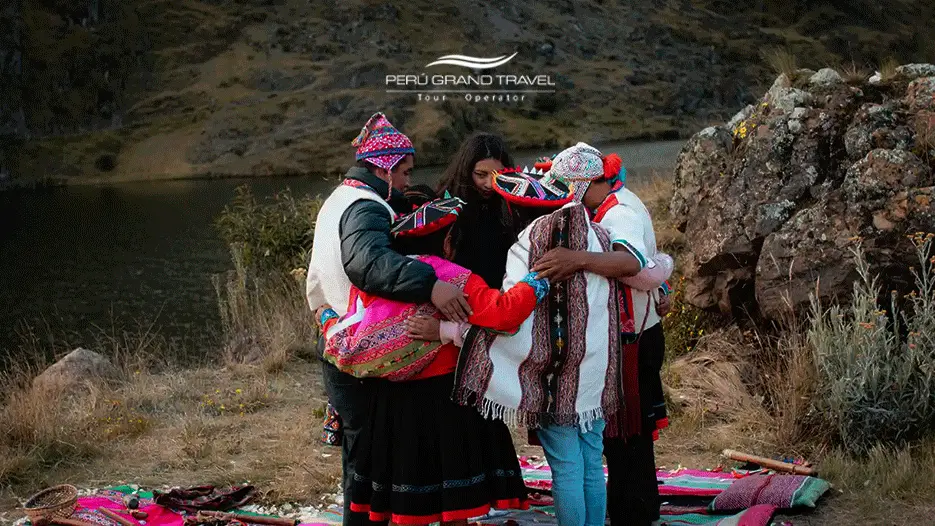
The Huchuy Qosqo trek takes you to the remote Huchuy Qosqo ruins that are found in the highlands of the Sacred Valley Peru. This hike is characterized by unbelievable panoramic views of snow-capped mountains in the distance. The route covers 16 km and has an altitude gain of 600m, making it the perfect hike for acclimatizing to the high altitude and preparing for a longer trek. Unlike many other hikes in the region, the Huchuy Qosqo trek trailhead is only about an hour’s drive from Cusco. This makes it perfect for a day trip. Even better, the hike goes seriously under the radar, so you’ll likely see few other hikers along the trail. Despite being relatively easy to navigate and astonishingly beautiful, this is one of the least visited trails in the Cusco and Sacred Valley Peru area. Only about 20 people per day in the high season hit these paths. This is probably because of the altitude. Hiking to 4572 m without a guide can be intimidating to those who are not familiar with trekking at high elevations. The trail should take you around 6-7 hours if you’re in decent physical shape, allowing for stops along the way to take epic photos and to catch your breath.

2. The Pisac Ruins
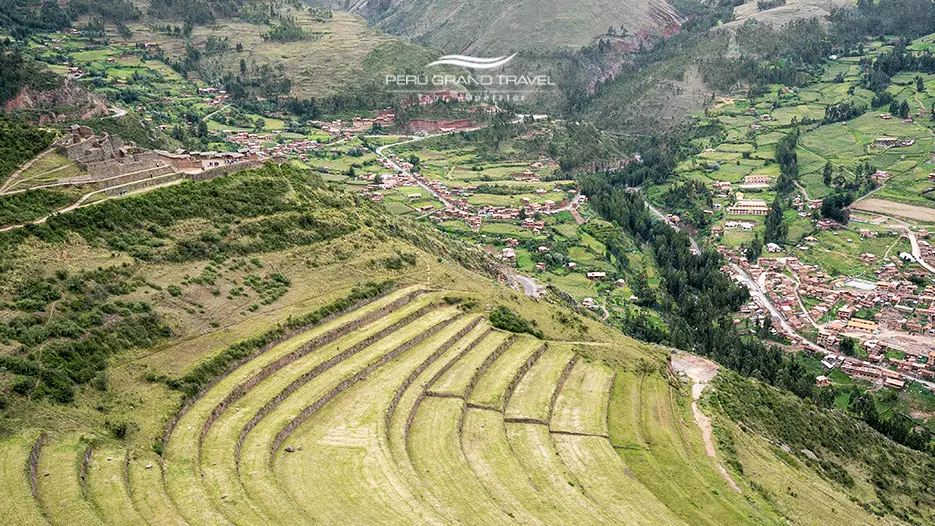
Pisac in the Sacred Valley Peru, is just a 40-minute drive from Cusco. This is one of the most popular things to do in Sacred Valley! You will find traditional Peruvian life, with locals wearing colourful clothing among its cobblestone streets. The striking Inca terraces on the mountainsides are a sight to behold as you head up to the Pisac archaeological site. The ruins of Pisac are open daily from 7:00 am to 5:00 pm. You will need the Cusco Boleto Turistico or “tourist ticket” to enter, which you can purchase at the entrance. The ticket offers entrance to 15 other sights and attractions. Like a lot of other Inca sites, Pisac had a number of different functions and served as a residence, a military outpost, and even an astrological observatory and ceremonial site. Pisac has an Intihuatana, or sundial, carved into an ancient ritual rock. The Intihuatana at Pisac Sacred Valley was one of the first to be built by the Incas, even before the one in Machu Picchu, which tells you a lot about its importance. This is one of the best things to do in Sacred Valley Peru.
3. Inkariy Museum
Despite the massive number of museums in Cusco, one of the best museum experiences is at Museo Inkariy in the Sacred Valley, Peru. This museum houses artefacts from eight ancient Peruvian civilizations. Of course, exhibits have many Inca pieces, but this museum also houses artefacts from seven pre-Inca civilizations, also! There are two rooms dedicated to each pre-Inca culture. One with original artifacts and info, and another with dramatic scenes from the period. The museum is fun but also super informative. If you are travelling with children to the Sacred Valley, the Inkariy Museum will keep them super occupied and interested. The museum can be found in between the Sacred Valley towns of Urubamba and Calca, on the way from Cusco to Ollantaytambo. You could make a stop there when traveling from Cusco to Ollantaytambo or even as a half-day trip from Pisac or Urubamba.

4. Sonidos del Ande
Just outside of Pisac, on the way up to the ruins, is the wonderful little workshop of Sonido del Ande. This workshop is based on traditional Andean music therapy. This ancient practice opens channels of connection through ancestral sounds and traditional instruments. Musical instruments from pre-Inca cultures through the Inca Empire are played to generate deep relaxation and spiritual connection. Through specific vibrations that harmonize the body’s cells and frequencies. These stimulate different areas of the brain and facilitate introspection and emotional well-being. This unique experience is a holistic immersion into the sounds of the gone-by times. This creates a union between ancient wisdom and modern internal harmony. This is by far one of the more unique things to do in Sacred Valley Peru!

5. Visit the Seminario Pottery
The ceramic workshop of Pablo Seminario and his wife Marilú Behar is probably the most famous pottery workshop in Cusco, if not all of Peru. Seminario is world-famous for its modern ceramics made with ancient indigenous techniques and is found in Urubamba in the Sacred Valley Peru. They use red soil mostly from the Nazca region to make their pots. As well as purchasing original pottery, you can also try your hand at one of their workshops and make your own pots on a traditional potter’s wheel! If you are looking for a hands-on local experience on the road from Cusco to Ollantaytambo, Seminario is the perfect stop-off!
6. Transparent Pod Hanging Hotel
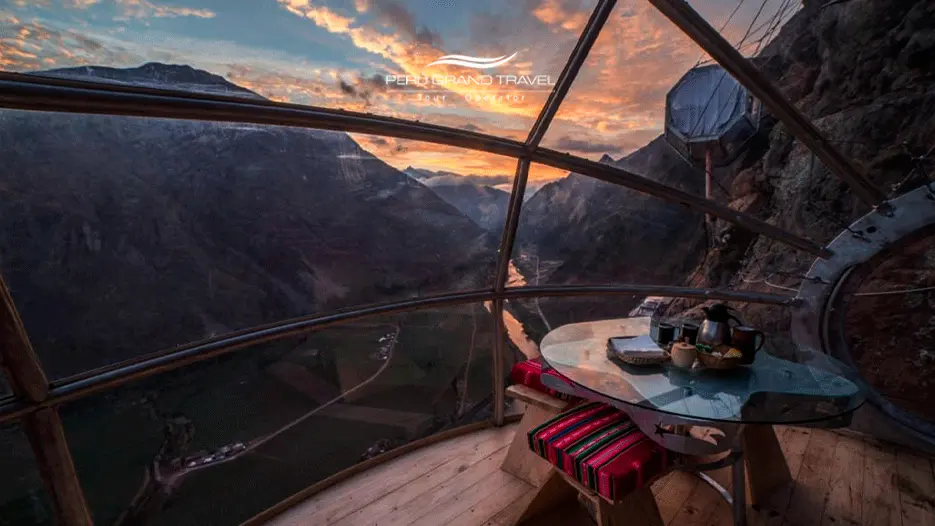
Spend a night high above the Sacred Valley near Ollantaytambo, in a transparent pod hotel at Natura Vive Skylodge Adventure Suites. This is easily one of the most unforgettable places to stay in and one of the best things to do in Sacred Valley, Peru. Clinging dramatically to the side of the mountain, the glass capsules overlook the valley below, with nothing but towering Andean peaks surrounding you in every direction. However, reaching the pods is part of the adventure itself. Guests can climb a via ferrata, a protected climbing route made up of steel cables, metal ladders, and fixed anchors attached directly into the rock face. Secured with harnesses and helmets, you slowly climb the mountain while taking in some truly insane views across the Sacred Valley. It can feel intimidating at first, especially if you are not used to heights, but the whole experience becomes surprisingly addictive within minutes. Spending the night suspended above the Sacred Valley, watching the sun disappear behind the mountains. Before the stars completely fill the sky, it feels less like a hotel stay and more like something from another world in the Sacred Valley Peru.
7. Wander around Moray Ruins
One of the most fascinating places to visit in the Sacred Valley is Moray. These concentric circles are built into the ground, and it is thought they were an ancient Inca laboratory. Many historians believe the Incas created the different terrace levels to experiment with crops and changing microclimates. As you walk down through the rings of Moray Cusco Peru, you can actually feel the temperature shift slightly from one level to another, which only adds to the feeling that this was far ahead of its time. Surrounded by wide open mountain scenery and the silence of the Sacred Valley, Moray is one of those places that leaves you wondering how the Incas managed to achieve so much centuries ago.

8. Maras Salt Flats Peru
Maras Salt Flats, Peru and Moray are usually visited together on a Sacred Valley Peru tour from Cusco. Maras is famous for its bright white salt pans. In the valley, thousands of individual salt pools have been carved out of the landscape by pre-Inca civilizations. These pools have been in use since before the 15th century and are still important to this day. Ancestral methods have been passed down through the generations to harvest the salt, and it is an excellent souvenir to take home. Salty water feeds into the pools from a spring via an underground stream. Each of the pools at the Maras salt flats Peru gets filled up by this natural spring, and then the water evaporates over time, leaving behind salt, which is then scraped off. Maras is open daily from 7:00 am to 5:00 pm in the Sacred Valley Peru.

9. The Sacred Valley Brewery
If you are looking for a unique watering hole that sells home-brewed craft beers, a visit to Sacred Valley Brewery is by far one of the best things to do in the Sacred Valley. Their beers have become legendary around Cusco, and you’ll spot them everywhere, from small local bars to restaurants across the region, but the real experience is visiting the brewery itself in the tiny village of Pachar, tucked between Urubamba and Ollantaytambo. Surrounded by mountains and farmland, the setting feels relaxed and completely different from the busy tourist crowds. There’s a huge outdoor garden where people spend entire afternoons drinking cold craft beers under the Andean sun, while inside you can look directly into the brewery and watch the beer-making process happening behind the bar. Getting there is easy by colectivo from Ollantaytambo, but walking is far more rewarding. The trail follows the river through quiet countryside, passing small farms, old Inca walls, and the little-visited Chocana ruins along the way. By the time you finally arrive for that first cold beer surrounded by the mountains, it somehow tastes even better.
10. Ñaupa Iglesia
In the mountains near Ollantaytambo, Ñaupa Iglesia is one of the most mysterious and atmospheric sites in all of the Sacred Valley. The name roughly translates to “the old temple where gold shines,” and standing in front of the enormous carved stone, it is easy to understand why this place still fascinates archaeologists and locals alike. Unlike the larger Inca ruins crowded with visitors, Ñaupa Iglesia feels quiet, almost forgotten, with a strange energy that many people notice the moment they arrive. The most impressive part of the site is the huge basalt rock known as Wacatrancana, believed to have been an important huaca or sacred ceremonial place. The stone is covered with carvings, unusual shapes, and finely sculpted details that seem almost impossible to create by hand. Surrounding it are classic Inca trapezoidal niches with double jambs, a style normally reserved for places of great spiritual importance. Many historians believe Ñaupa Iglesia was connected to astronomy and solar ceremonies, with the Incas using the site to observe the solstices, equinoxes, and the passing seasons that shaped their agricultural calendar. Even today, the place feels deeply sacred and an integral part of the silence of the Sacred Valley.

11. Ollantaytambo Ruins
The village of Ollantaytambo is also located in Peru’s Sacred Valley. It is usually the stop- off point on the way to Machu Picchu, but it is worth more than just a quick stop-off. In fact, this is one of the best day trips from Cusco. This small, quaint village has two Inca ruins to explore, the Ollantaytambo ruins themselves and the Pinkuylluna Storehouse. After the streams of people that pass through on their way to Machu Picchu dissipate, you’ll have the cobblestone streets and ruins to yourself. The Ollantaytambo ruins are the remains of an enormous Inca fortress. They come complete with stone terraces built into the hillside. The complex also includes the Sun Temple and Princess Baths Fountain. You’ll also see amazing views out into the river here.
12. Pachamanca at El Albergue Hotel
The ancient Andean “Pachamanca” is a traditional way of cooking food underground and is still alive today in the Sacred Valley of the Incas and the Cusco region. This traditional form of cooking is centuries old and involves cooking in an earthenware oven, underground, and is used for special celebrations. In Quechua, one of the native languages of Peru and the language spoken by the Incas, “Pacha” means earth and “Manca” means oven, so it is a direct translation of what it actually is!
The Pachamanca takes quite a lot of preparation and involves an early morning visit to the market to buy the meat of choice, which could range from beef to chicken to guinea pig – the local delicacy. These are usually served with potatoes and a mixture of vegetables. Whilst the meat is marinating, it is time to ‘dig a hole’ and surround it with stones and chop the firewood to be used for the oven. The temperature of the oven is important, and the surrounding stones are also vital in retaining an adequate temperature to cook the meat and vegetables. El Albergue is the pick of the places serving Pachamanca when you go from Cusco to Ollantaytambo.

13. Visit the Sacred Valley Inti Punku
If you hike around Ollantaytambo, sooner or later, someone will mention Inti Punku, the old Sun Gate hidden high in the mountains above the town. Unlike the famous one near Machu Picchu, hardly anyone goes here, mostly because getting there is honestly pretty brutal. The trail starts near Puente Inca and climbs for hours through dusty hillsides, passing old Inca quarries, loose rocks, and tiny trails that seem to disappear into the mountains. Some parts feel endless, especially in the midday heat, but the views keep getting bigger the higher you go. Then, eventually, almost out of nowhere, the stone staircase appears carved into the hillside leading up to the gateway itself. Seeing Mount Veronica perfectly framed through the ancient stone doorway makes the entire exhausting climb worthwhile. Once at the top, it feels completely silent apart from the wind, and unlike many ruins in Peru, Inti Punku still feels wild, untouched, and strangely forgotten.

14. Hiking Pumamarca
Pumamarca is one of those ruins that still feels completely untouched by mass tourism. The old Inca fortress once guarded the northern entrance into the Sacred Valley, although these days the only real guardians wandering around the ruins are the alpacas grazing quietly amongst the ancient stone remains. Getting there takes a little more effort than some of the better-known sites nearby, which is probably why so few people ever visit Puma Marca. After a short colectivo ride from Ollantaytambo, the trail climbs gradually through farmland and eucalyptus trees before finally reaching the ruins about an hour later. The views are beautiful the entire way, but what really makes Pumamarca special is the complete silence. There are no crowds, no trinket sellers, and usually nobody else around apart from local farmers and alpacas wandering through the grass beside the old Inca terraces.
15. Visit the Chinchero weaving communities
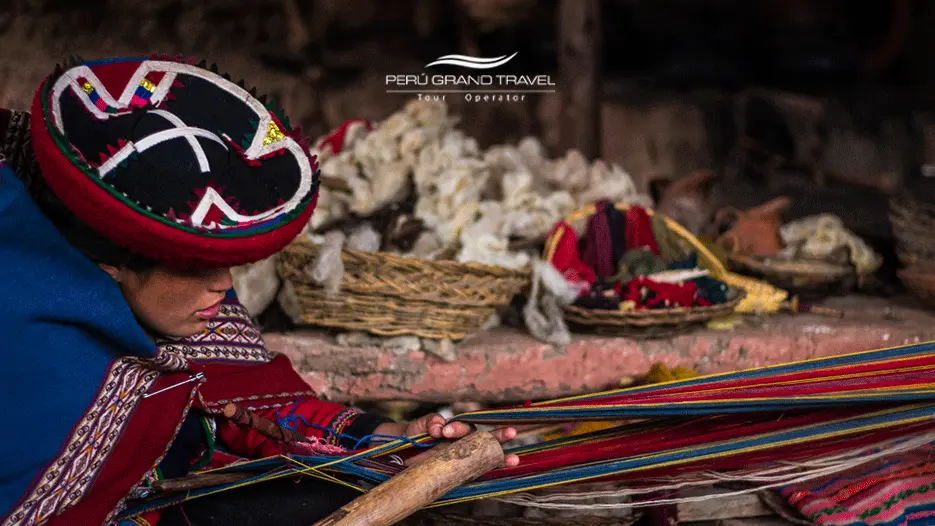
Andean weaving embodies the living history and culture of the Peruvian highlands. The designs are characterized by the intricate patterns found in traditional Peruvian textiles. Exploring the personal histories of the Quechua people who sustain this tradition today, you can see how they weave extraordinary amounts of cloth on simple backstrap looms in the same way their ancestors have done for thousands of years. The women of the community make items of clothing, rugs, bedcovers, potato sacks, hunting slings, and sacrificial fabrics for both their villages and for interested tourists. Learn all about how patterns represent the geography and history of the region by telling a story within the weavings.
Frequently Asked Questions About the Best Things to Do in Sacred Valley
What are the best things to do in Sacred Valley?
That depends on what interests you most. Some people come for the famous Inca sites such as Ollantaytambo and Pisac, while others fall in love with the smaller experiences such as visiting a weaving community, wandering through local markets, or simply spending a few days surrounded by the mountains. The Sacred Valley isn’t somewhere to tick off a list. It’s a place to slow down and explore.
Is the Sacred Valley worth visiting?
Without a doubt. In fact, some visitors enjoy the Sacred Valley more than Machu Picchu itself. The scenery is spectacular, the villages still feel lived-in, and there is a sense of space that can be hard to find in Cusco during the busiest months of the year. Sometimes the best things to do in the Sacred Valley are completley off the beaten path!
How many days do you need in the Sacred Valley?
A day trip will show you the highlights, but it won’t really show you the Sacred Valley. Two or three days are a much better option if you want time to explore places like Ollantaytambo, Pisac, Chinchero, Moray, and the Maras Salt Mines without feeling rushed.
What is the most beautiful place in the Sacred Valley?
Everyone has their own favourite. The best things to do in the Sacred Valley is to visit beautiful sites. Some people would say the views from the Pisac ruins, while others love the mountains surrounding Ollantaytambo. For me, some of the most memorable views are often found away from the main attractions, on quiet roads, hiking trails, and in the small farming communities scattered throughout the valley.
Is it better to stay in Cusco or the Sacred Valley?
If you are looking for restaurants, museums, and nightlife, Cusco is the obvious choice. If you want mountain views, fresh air, and a slower pace, the Sacred Valley is hard to beat. Many visitors split their time between the two and get the best of both worlds.
Can you visit the Sacred Valley without a tour?
Yes. Local buses, colectivos, taxis, and trains make it relatively easy to explore independently. That said, having a knowledgeable guide can completely change the experience. This is especially the case at archaeological sites where there is far more history than first meets the eye. Plus, on a tour, you can make stop-offs whenever you want to!
What is the best town in the Sacred Valley?
There is no single answer. Ollantaytambo is ideal if you are heading to Machu Picchu, Pisac has a more bohemian feel, and Urubamba is a good base if you want easy access to different parts of the valley. Each town has its own personality.
Is the Sacred Valley good for hiking?
Definitely. One of the best things to do in the Sacred Valley is to hike it! While most people know about the Inca Trail, there are plenty of lesser-known hikes throughout the Sacred Valley. Some lead to little-visited ruins, others pass through traditional farming communities, and many offer incredible views with very few other people around.
What is the best time to visit the Sacred Valley?
The dry season between May and September is generally the most popular time to visit. Days are usually sunny and ideal for exploring. The rainy season has its own appeal, though, with greener landscapes and fewer visitors at many of the major sites.
Why was the Sacred Valley important to the Incas?
The Sacred Valley Peru provided fertile agricultural land and helped support the Inca Empire. Its location also connected important settlements, ceremonial centres, and trade routes. Even today, agriculture remains a huge part of daily life throughout the region.
What should I not miss in the Sacred Valley?
If it’s your first visit to the Sacred Valley Peru, the best things to do in the Sacred Valley must include Ollantaytambo, Pisac, Moray, and the Maras Salt Flats Peru. But leave time for the unexpected too. Some of the most memorable moments in the Sacred Valley happen away from the famous sites, whether that’s stumbling across a local festival, meeting artisans, or finding a viewpoint with nobody else around.

If you want to find out more about the best things to do in the Sacred Valley, contact us here!

Experiences

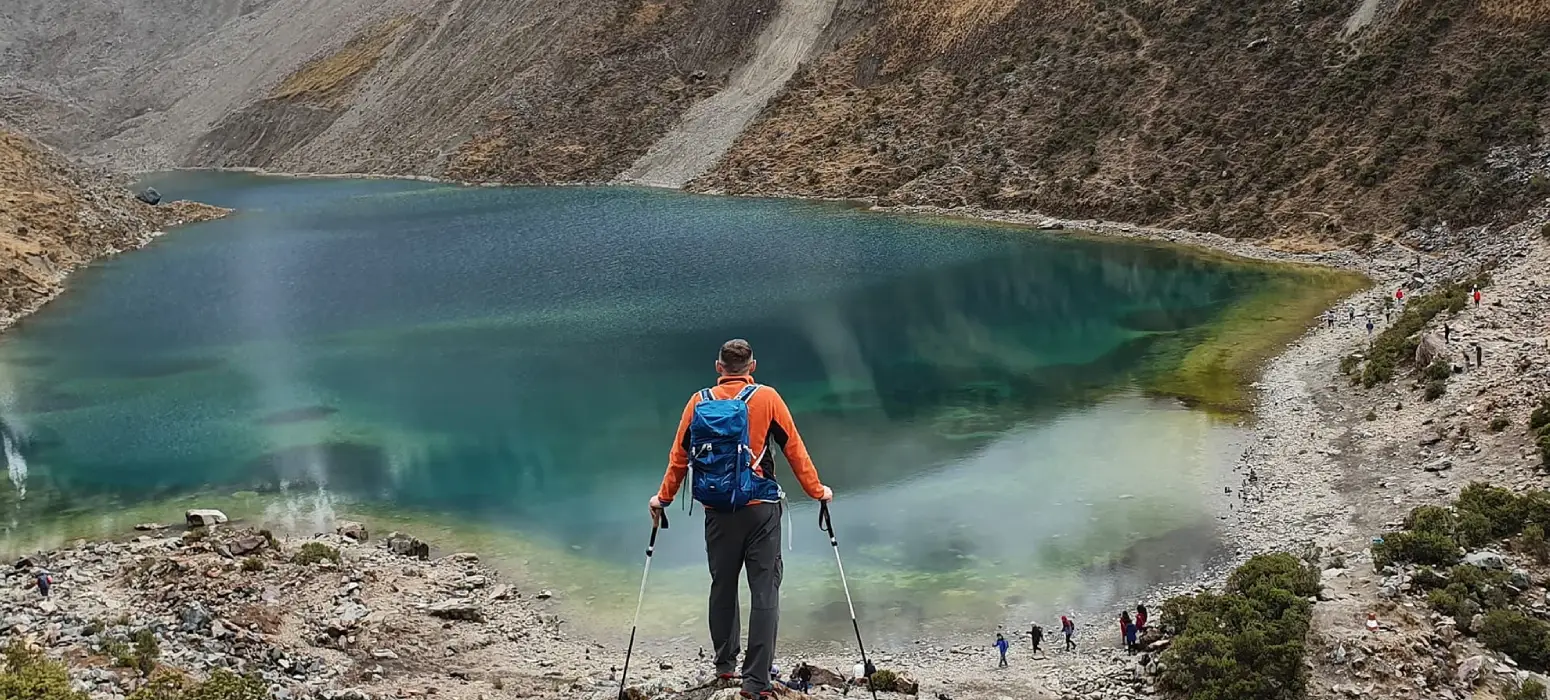
Machu Picchu Challenge 8D/7N
Cusco, Sacred Valley Humantay Lagoon, Rainbow Mountain & Machu Picchu.
View Tour
Colonial Lima and Sacred land of the Incas 7D/6N
Lima, Cusco, Sacred Valley & Machu Picchu.
View Tour