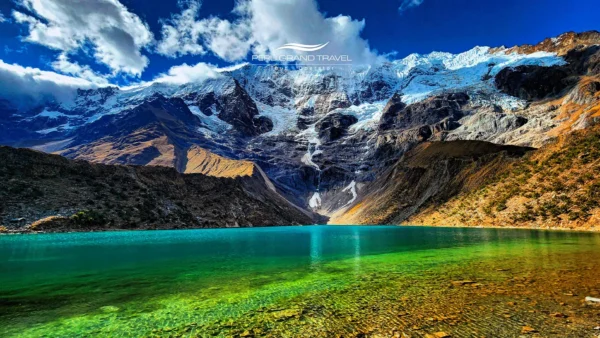
The hidden gems of the Sacred Valley are varied and numerous. They are perfect for those who prefer more off-the-beaten-track destinations. The Sacred Valley is one of the most amazing regions in Peru, yet surprisingly few people ever venture beyond the famous archaeological sites. Most visitors follow the well-worn route from Pisac to Moray, Maras, Ollantaytambo, and then on to Machu Picchu. There is nothing wrong with that. These sites are famous for good reason. However, what many travellers never realise is that some of the most fascinating places in the entire valley lie hidden just beyond the tourist trail.
Table of Contents

Over the years, we have found that the sights that are remembered the most are often not the famous Peruvian sites. They are the remote ruins where they had an ancient site all to themselves. The forgotten trails winding through remote farming communities. The Sacred Valley waterfalls are hidden among eucalyptus woods. The mysterious carved stones that leave archaeologists debating their real purpose.
The Sacred Valley is full of these hidden corners. Places where local farmers still walk ancient Inca paths, where centuries-old traditions continue almost unchanged, and where you can spend hours without seeing another visitor.

If you are looking to find secret places in the Sacred Valley, here are some of our favourite Sacred Valley hidden gems.
Ñaupa Iglesia
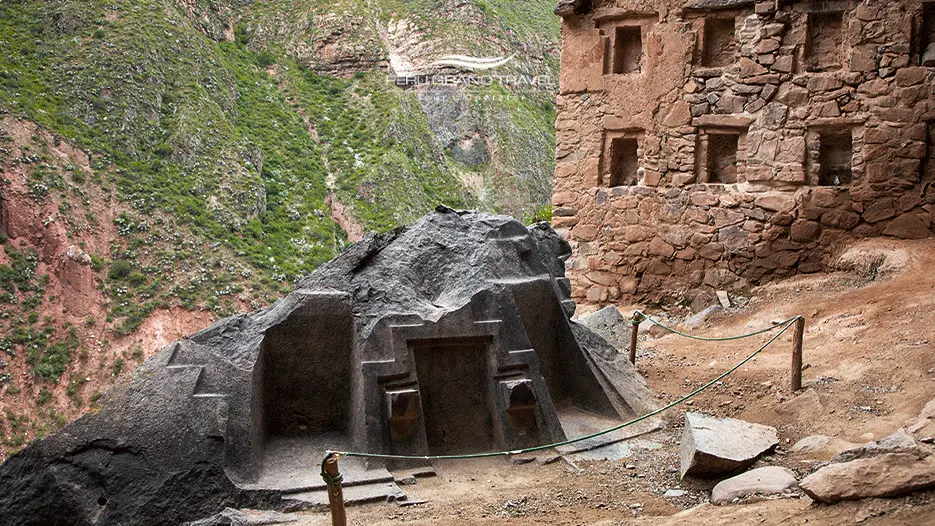
If there is one place in the Sacred Valley that feels truly mysterious, it is Ñaupa Iglesia. Just beside a quiet road that heads to Hayro Condo between Ollantaytambo and Urubamba, most people drive straight past it without ever knowing it exists. From the outside, it doesn’t look particularly impressive. A short walk leads to a rocky cliff face, but what lies inside is extraordinary.
Carved directly into the rock is one of the finest examples of Inca stonework anywhere in Peru. The site contains a beautifully crafted double-jamb doorway, a style of architecture usually reserved for places of great spiritual importance. There is also a finely sculpted ceremonial altar carved from a single piece of stone.
Nobody knows exactly what the purpose of this site was. Some believe it was used for astronomical observations. Others suggest it served as an important ceremonial centre linked to the stars and the trajectory of the sun. When you are inside the cave, surrounded by silence and ancient stonework, it is easy to understand why the site continues to fascinate everyone who visits today.
Perolniyoc Sacred Valley Waterfall and Raqaypata
One of the most naturally beautiful Sacred Valley hiking trails takes you to Perolniyoc Waterfall. Located near the small village of Socma, the trail climbs through fields, forests, and traditional farming communities. It then arrives at a spectacular waterfall gushing down the mountainside. The waterfall alone would be worth the effort. Water tumbles hundreds of feet over dark cliffs into the valley below, creating one of the most beautiful natural Sacred Valley hidden gems. If you have the energy to ascend for another thirty minutes, you will reach the little-known ruins of Raqaypata. Perched on a ridge overlooking the valley, these Inca ruins receive only a fraction of the visitors seen at Ollantaytambo or Pisac. The views are spectacular, and you will probably have the entire site to yourself.
Pinkuylluna Storehouses
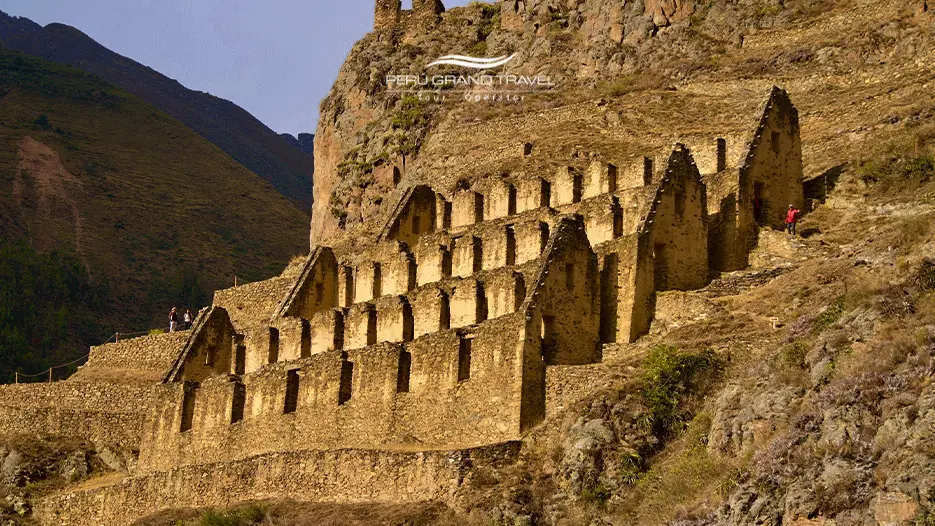
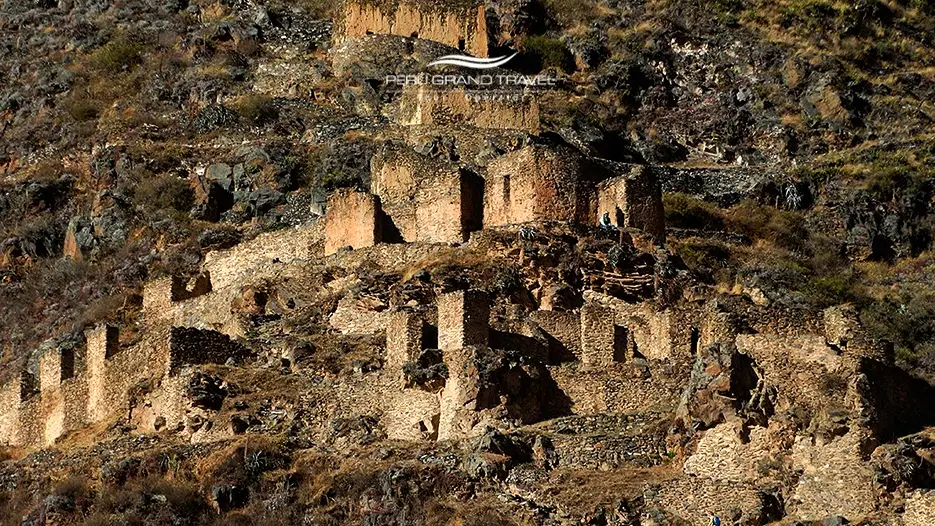
Every day, thousands of tourists visit the main ruins of Ollantaytambo. However, as you enter the small Inca town, not many people look up in the opposite direction. Directly opposite the famous fortress, high on the cliffs above the town, sit the ancient storehouses of Pinkuylluna. These buildings were built in one of the most unlikely locations imaginable. The Incas deliberately positioned them high on the mountainside where cool winds would naturally blow around the buildings, helping to preserve food supplies. The climb is short but steep. Within twenty minutes, you find yourself standing among the ancient storehouses looking across to the massive terraces of Ollantaytambo. The views alone are worth the tough climb. Even better, the entrance is completely free. This is why it’s one of our favourite Ollantaytambo hidden gems.
Pumamarca Sacred Valley Ruins
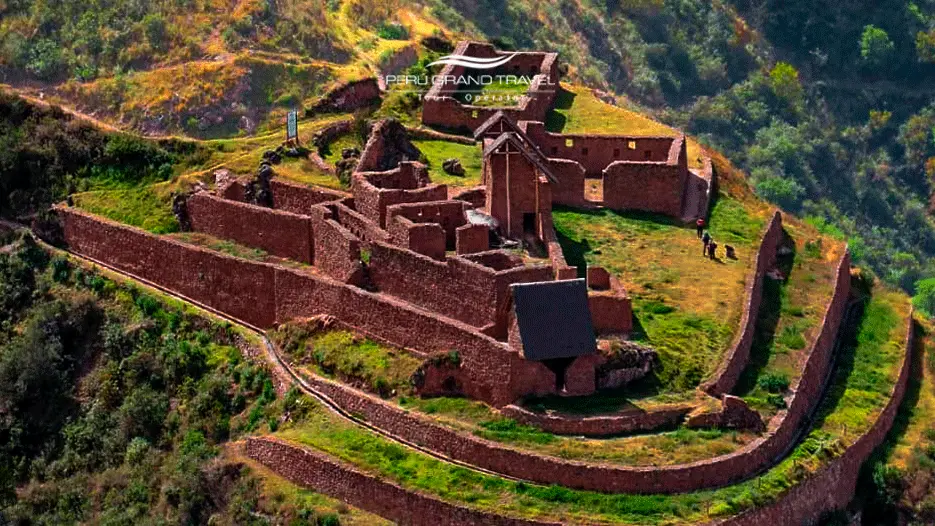
Pumamarca is one of the least visited Sacred Valley ruins and Inca sites near Ollantaytambo. These ruins are located in the Patacancha Valley. This fortress-like complex once protected an important entrance into the Sacred Valley. Reaching the site requires a hike through traditional Andean communities where Quechua is still the first language for many of the local people. The ruins themselves are actually quite large. Massive agricultural terraces envelope the hillsides while stone buildings teeter on the slopes above. The amazing views stretch across the entire valley, and there is a feeling of isolation that is becoming increasingly difficult to find in any of Peru’s more famous archaeological sites. You are actually more likely to come across grazing alpacas rather than other tourists. This is why we think it is one of the most peaceful Sacred Valley hidden gems.

Inti Punku – One of The Real Hidden Gems of The Sacred Valley
When most people hear the name Inti Punku, they immediately think of the famous Sun Gate that is the ancient entrance to Machu Picchu. However, not many people realize that Ollantaytambo has its own Inti Punku. Reaching it is a bit tricky. however. This is a full-day hike that climbs high above the Sacred Valley into remote mountain landscapes rarely visited by tourists. The good news is that the reward is extraordinary. At the end of the trail sits a stone gateway perfectly framing the snow-covered peak of Mount Veronica. This site appears to have been carefully chosen by Inca astronomers, with alignments linked to important solar events. The monument itself is relatively simple, but the journey and scenery make it one of the most rewarding hikes in the entire region. This is definitely the Sacred Valley at its wildest and most remote.

Cachicata Sacred Valley Ruins
Most travellers to The Sacred Valley soon come to realize that the Incas were incredible stonemasons. One of the most interesting secret places in the Sacred Valley is Cachicata. However, very few ever visit the source where the stones came from. The Cachicata Quarries lie high above Ollantaytambo and offer a fascinating insight into one of the greatest construction projects in Inca history. Giant blocks of pink granite were cut and transported down the mountainside for use in the construction of Ollantaytambo. Sacred Valley ruins. These Sacred Valley hidden gems from Cachicata show us some of the stones that never made it to Ollantaytambo. Along the trail, you can still see massive abandoned blocks scattered across the landscape, frozen in time for more than five hundred years. They remain exactly where Inca workers left them. For anyone who is interested in Inca architecture, this site is absolutely fascinating.
Urquillos
Urquillos is a village that most travellers pass by without even knowing it is there. However, it remains one of the most untouched parts of the Sacred Valley. It is found between Chinchero and Huayllabamba and is surrounded by ancient agricultural terraces. Traditional adobe houses line quiet streets while local farmers continue cultivating the land just like their ancestors did centuries ago.
Arín Falls
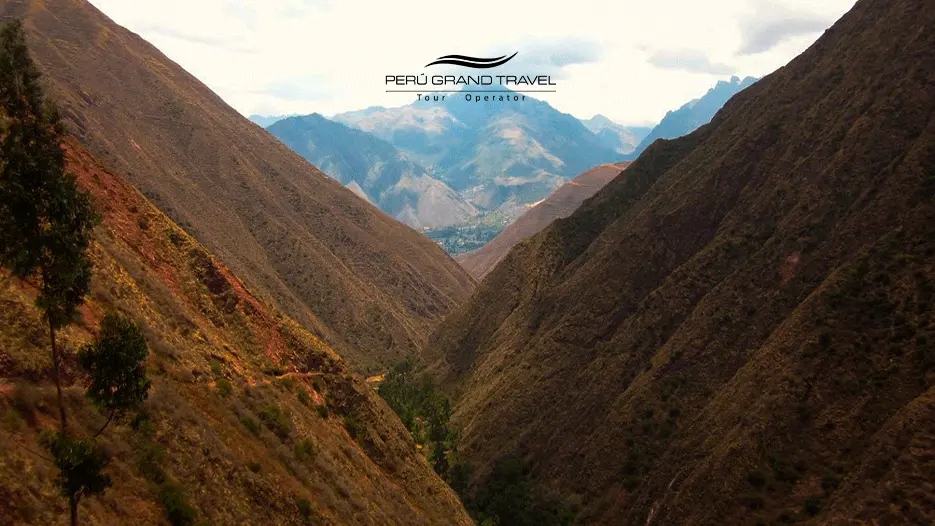
Most people driving through the Sacred Valley have never even heard of the Sacred Valley waterfalls of Arín. This is why it is probably why it is still one of the most pristine hidden gems of the Sacred Valley. It is hidden in the hills above Calca. This beautiful waterfall feels worlds away from the busy tourist attractions that attract thousands of visitors every day.
The walk to the falls is part of the experience itself. The trail winds through small farming communities, eucalyptus groves, and patches of lush countryside where local families still work the land much as they have for generations. Before long, the sound of rushing water begins to echo through the valley, and you get your first glimpse of the falls tumbling down the mountainside.
During the rainy season, Arín is particularly impressive. Several waterfalls crash over the rocky cliffs, surrounded by green vegetation that seems to thrive in the constant water spray. Unlike many of the better-known attractions in the region, there is a good chance you will have the place almost entirely to yourself. If you want to escape the touristic crowds for a few hours, enjoy a quiet walk in nature, and see a completely different side to the Sacred Valley, Arín Falls is definitely worth the detour. One of the most enjoyable experiences is simply walking between Urquillos and Huayllabamba along ancient trails that pass through fields, villages, and secret places in the Sacred Valley.
There are no major Sacred Valley ruins here. No tourist ticket. No crowds. Just everyday life in the Peruvian Andes.
Huchuy Qosqo
Although becoming increasingly popular, Huchuy Qosqo is still one of the true hidden gems in the Sacred Valley. Especially compared to the valley’s more famous sites. The name means “Little Cusco,” and the ruins sit high above the Sacred Valley overlooking the towns of Lamay and Calca. Most travellers reach the site via a beautiful hike through high Andean landscapes decorated with lakes, herds of llamas, and remote farming communities. The ruins themselves are extensive and include impressive stone structures, ceremonial areas, and agricultural terraces. The views from the top are genuinely among the best anywhere in the Sacred Valley.

The Real Magic of the Sacred Valley
The beauty of the Sacred Valley is that it constantly rewards people who are curious. Some of the most stunning places are not marked on tourist maps. They are discovered while taking a wrong turn down a dirt road, stopping in a small village, or asking locals about places they love.
The famous attractions will always deserve their reputation. Machu Picchu, Ollantaytambo, and Pisac are incredible sites. However, if you have a little extra time, venture beyond the well-travelled route.
You can visit the forgotten quarries of Cachicata. Or even stand alone inside the mysterious sanctuary of Ñaupa Iglesia. Watch the sunset from Inti Punku, or hike to hidden waterfalls and remote Inca fortresses.
Because the Sacred Valley still holds numerous secrets, and often the places you remember most are the ones that hardly anyone else knows about. Contact us here for a visit to the Sacred Valley hidden gems!

Sacred Valley Hidden Gems FAQs
What is the most underrated place in the Sacred Valley?
For us, it has to be Ñaupa Iglesia. Despite being located just a short distance from Ollantaytambo, many visitors have never even heard of it. Yet it contains some of the finest Inca stonework in the Sacred Valley. There is something incredibly special about standing inside this ancient ceremonial site and realizing that while thousands of people are visiting the major Sacred Valley attractions, you may be the only person here. If you are searching for true Sacred Valley hidden gems, this is one of the first places we would recommend!
Is Pumamarca worth visiting?
Absolutely. In fact, I am always surprised that more people do not visit Pumamarca. Most travellers spend their time exploring Ollantaytambo and then head straight to Machu Picchu, completely missing one of the most impressive hidden ruins in the Sacred Valley. The hike takes you through traditional Andean communities before arriving at a site surrounded by spectacular agricultural terraces and mountain scenery. If you enjoy discovering ancient Inca sites without the crowds, Pumamarca is well worth the effort.
How difficult is the hike to Inti Punku from Ollantaytambo?
The hike to Inti Punku is definitely one of the more challenging Sacred Valley hiking trails. It is best suited to people who enjoy hiking and are comfortable spending a full day in the mountains. Your efforts will be seriously rewarded, however! It is a longish climb, but the scenery is extraordinary from start to finish. What many people don’t realize is that Ollantaytambo has its own Sun Gate, completely separate from the famous one near Machu Picchu. If you are looking for off-the-beaten-path adventures in the Sacred Valley, this is one of the most rewarding hikes you can do.
Can you visit Cachicata without a guide?
Yes, many people visit Cachicata independently from Ollantaytambo. The trail is relatively straightforward and easy to follow. Having said that, I always think the experience becomes far more interesting when you understand what you are looking at. The abandoned stones, the ancient quarry, and the incredible engineering involved in transporting massive blocks down the mountainside all tell an important story about Inca construction techniques. For anyone interested in Sacred Valley history and archaeology, Cachicata is a fascinating place to explore.
Are the hidden gems in the Sacred Valley included on the tourist ticket?
Generally speaking, no. Most Sacred Valley hidden gems are NOT included on the standard tourist ticket. Places such as Ñaupa Iglesia, Perolniyoc Waterfall, Pumamarca, Cachicata, and Arín Falls usually require separate entrance fees or community fees. The good news is that these locations tend to receive far fewer visitors than the major archaeological sites, which is exactly what makes them so special.
Which hidden gem is best for photography?
That really depends on what you enjoy photographing. If you love dramatic mountain scenery, Inti Punku is hard to beat. For waterfalls, Perolniyoc and Arín Falls are both stunning, particularly during the rainy season when the landscape turns incredibly green. If you are interested in Inca architecture and unique Sacred Valley ruins, Ñaupa Iglesia offers some of the most photogenic stonework anywhere in the region. Personally, I find Pinkuylluna one of the most amazing Inca sites because you get beautiful views over Ollantaytambo while standing among ancient Inca storehouses.
How many days should I spend exploring the Sacred Valley?
Most people rush through the Sacred Valley in a day or two, on a Sacred Valley tour, but if you really want to experience the hidden gems of the Sacred Valley, I would recommend spending at least three or four days here. The famous sites are wonderful, but many of the best things to do in the Sacred Valley involve slowing down, visiting small villages, hiking lesser-known trails, and discovering places that rarely make it into guidebooks. The more time you spend exploring, the more you realize how many secret places in the Sacred Valley there are, heading off the beaten track and not taking the regular route to Machu Picchu.

Experiences

Machu Picchu Challenge 8D/7N
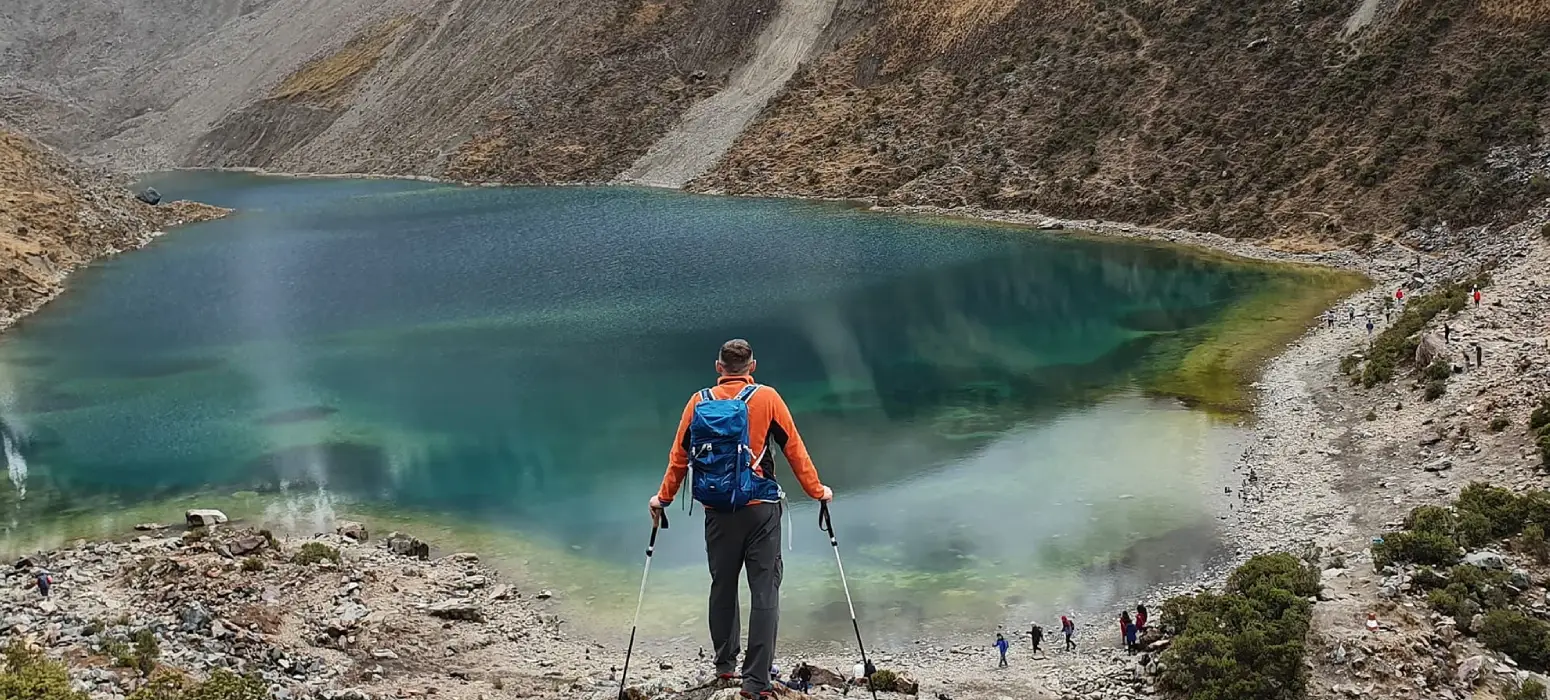
Cusco, Sacred Valley Humantay Lagoon, Rainbow Mountain & Machu Picchu.
View Tour
Colonial Lima and Sacred land of the Incas 7D/6N
Lima, Cusco, Sacred Valley & Machu Picchu.
View Tour