Any Cusco Travel Guide will tell you all about the Inca capital of Peru. You probably already know that Cusco is the gateway to Machu Picchu. You will more than likely know that it’s the most popular city to visit in Peru for tourists! You have quite possibly seen the amazing photos of the Plaza de Armas and the stunning cobblestone streets of San Blas. However, to really prepare for your stay in one of the most famous cities in South America, we also wanted to share some additional information about visiting this incredible Andean city. Here is our ultimate guide to Cusco – the ancient Inca capital!
Table of Contents
Use Cusco As Your Base To Explore The Andes!
Cusco was the spiritual and political centre of the ancient Inca empire. In Quechua, Qosqo, the original spelling, meant “the centre of the universe,” literally translated as the navel of the world! Today, Cusco is a multi-cultural and vibrant city as well as being one of the most historically significant settlements in South America. Its close proximity to the magical Machu Picchu and its status as the starting point for world-class Andean trekking routes have made this unique high-altitude city the main focus of virtually every Cusco, Peru itinerary. However, Cusco is so much more than just a starting point for many adventures. It’s genuinely impossible not to fall in love with the place! Eclectic is a great way to describe Cusco. It seamlessly combines ancient Inca traditions, Spanish architecture, and modern Andean culture with a hip international vibe! Walking down the lively, narrow cobbled streets of Cusco is like stepping back in time but with all the perks of modern travel!

Our Ultimate Guide To Cusco and Altitude Sickness
Respect The Altitude! Cusco is found at 3,400m elevation, which is no joke for those of us who will be arriving from sea-level (i.e., flying from Lima) or have never travelled at such an altitude. This means that your first day in Cusco should be about nothing more than acclimatization! Simply rest and allow your body to adjust. Trying to do anything more, or to rush into your first trek or tour, will leave you feeling pretty tired and not at all well! Instead, drink plenty of water and coca tea, rest if you feel tired, and limit yourself to an enjoyable stroll around this beautiful and historic Inca city.
High Season Vs Low Season
High season in Cusco. Is it the Best Time to visit Cusco?
High season coincides with the Peruvian winter months (June – September). This is when rainfall is at its lowest and blue skies are the norm. Much of what attracts people to this region involves outdoor activities. These dry months also coincide with the summer holiday season of the northern hemisphere, making it the perfect time to visit. This does mean that it’s busier in Cusco at this time of the year, with higher accommodation prices and limited availability at the best hotels. If you are traveling during the high season, rule number 1 is booking way in advance. This is especially the case if, like most people, you want to visit Machu Picchu or hike the iconic Inca Trail to Machu Picchu. Many people plan their Cusco Peru itinerary in high season as it coincides with vacations in the northern hemisphere. This, for many, is the best time to visit Cusco.
Our Cusco Travel Guide to The Low Season in Cusco
Others believe the best time to visit Cusco is from December to April. Cusco is in the rainy season, and this is also the low season. It is definitely less crowded for any Cusco Peru itinerary, and the streets are relatively calm and quiet outside of Plaza de Armas. However, there are still plenty of people around! Low-season months tend to involve a bit more rain, so make sure you buy a rain poncho! But temperatures are almost always warmer. It also means that there is much more availability for last-minute tours and accommodation. Our Cusco Travel Guide tip for visiting Cusco!

Things to do in Cusco
Visit the Cusco Plaza De Armas
No Cusco travel guide is complete without a visit to the Historic Heart of Cusco and the centre of all things Cusco – The Plaza de Armas. You can wander through the cobblestone streets of the historic center, a UNESCO World Heritage Site. The Plaza de Armas is the main square, where you’ll find the magnificent Cusco Cathedral and the Church of the Society of Jesus. Marvel at the colonial architecture built on top of Inca foundations that have withstood the test of time. Inside, the intricate artwork of these religious landmarks is historical and breathtaking at the same time! Take a moment to soak in the atmosphere while sipping on a cup of coca tea or a Pisco sour, the national tipple! Simply the best way to watch the world go by on your Cusco Peru itinerary.
Koricancha and The Santo Domingo Church
At the height of the Inca Empire, there was no place more sacred than the Koricancha. This was the legendary Temple of the Sun in Cusco. It was built in honour of Inti, the sun god. History says that this extraordinary temple was once covered in sheets of gold that shimmered in the Andean sunshine. The Spanish chroniclers describe a magnificent golden sun disk positioned so perfectly that, during the summer solstice, the sunlight would pour directly into the temple’s most sacred chamber. This was the very place where the Sapa Inca would sit in ceremony.
Today it’s difficult to imagine the sheer splendour Koricancha once held. Much of its treasure disappeared during the final days of the empire, when Atahualpa, the last Inca ruler, offered an enormous ransom to the Spanish conquistadors in exchange for his freedom. Temples across the empire were stripped of their gold and silver to fill rooms with precious metals for the Spaniards. The Koricancha was no exception. Its sacred ornaments were melted down alongside countless other masterpieces of Inca artistry. Despite the ransom being paid, Atahualpa was executed anyway.
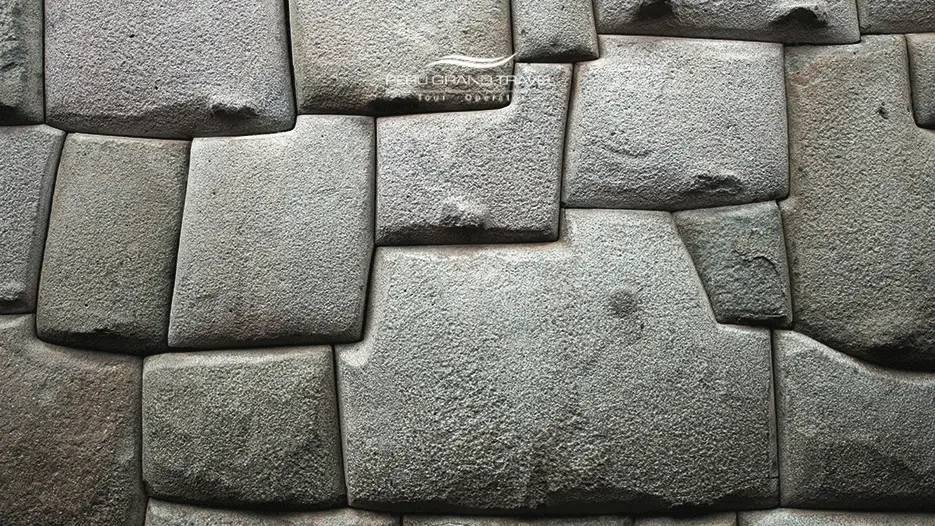
What stands here now tells the story of Peru’s layered history better than almost anywhere else in Cusco. After dismantling much of the temple, the Spanish built the Iglesia de Santo Domingo directly on top of the Inca foundations. The contrast is striking, with the finely cut Inca stonework supporting colonial arches and painted chapels above. It’s one of the clearest and most powerful reminders of how two worlds collided here centuries ago.
While many visitors admire the church from outside as they wander through Cusco, stepping inside is well worth your time. You can still walk through sections of the original Inca temple and appreciate the precision of the stonework that has survived earthquakes and centuries of change. The church itself is equally beautiful, filled with colonial artwork, quiet cloisters, and an atmosphere that feels deeply connected to the city’s past. A must-see with your Cusco travel guide.
Explore San Pedro Market
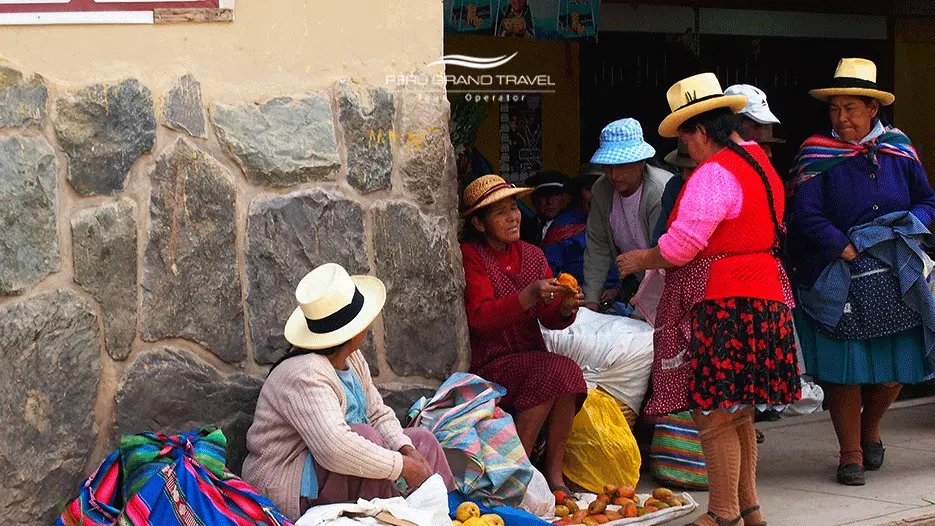
Absorb yourself in the unique local culture with your Cusco travel guide by visiting the bustling San Pedro Market. This lively marketplace offers a full-on sensory experience like no other, with an array of colourful fruits, vegetables, herbs, and spices. Engage with the friendly vendors, and perhaps try exotic fruits like lucuma or chirimoya. Don’t miss the opportunity to sample local delicacies, such as empanadas or anticuchos (grilled skewers). The juice stalls are incredible with an array of exotic local Peruvian fruits. Be careful with the jugo especial, however, as there are some secret ingredients that you may or may not want to sample! Most Cusco travel guides recommend a visit to this busy central market. This is genuinely a one-stop shop on your Cusco Peru itinerary!
Rainbow Mountain
There are many agencies in Cusco that offer day hikes to the world-famous Rainbow Mountain (Vinicunca). However, if your goal is to see Rainbow Mountain with as few people as possible, you will need to consider a private tour to get you there and back at a time when there are fewer people. This incredible stripy mountain is no longer Peru´s best kept secret. On your Cusco Peru itinerary, you can find it tucked away in the Andes. It has become almost as popular as the famous Machu Picchu! Nowadays, it’s becoming one of the top activities to do while in Cusco. Travelers should be physically prepared to climb up to 5200m in altitude, which can be a difficult task for inexperienced hikers who are short on time and want to see it all in a day. Prior acclimatization in Cusco for 3 days is an important recommendation before this trip. Acclimatization is a vital part of our ultimate guide to Cusco, as you do not want altitude sickness in Cusco!
A Sacred Valley Tour
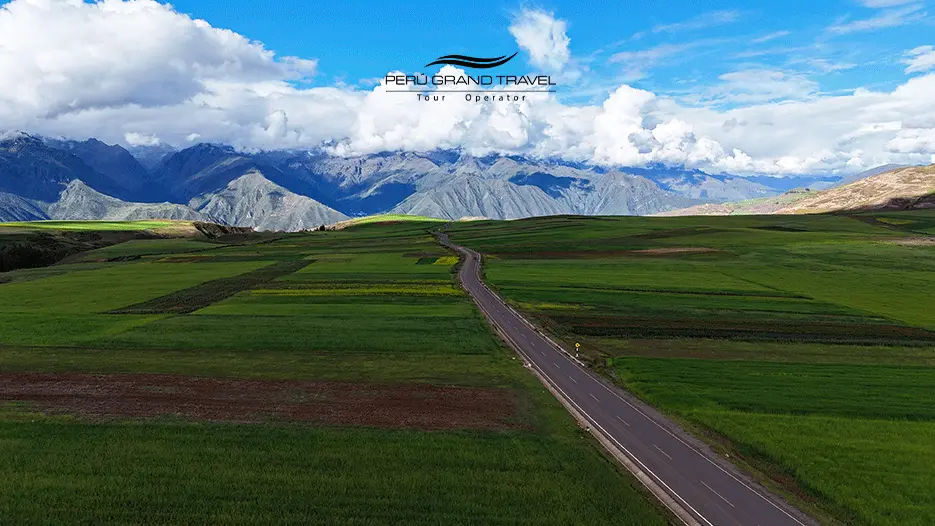
No Cusco travel guide is complete without a mention of the Sacred Valley. Many travellers head to the valley to avoid altitude sickness in Cusco. Just north of Cusco and the next valley along the lush Urubamba Valley once formed the heart of the Inca empire. It was an important agricultural area supplying food for the surrounding regions. Now, this approximately 100km-long valley is home to some of Peru’s most impressive ruins outside of Machu Picchu. Easy day trips include Pisac, Maras, Moray, Chinchero, and Ollantaytambo. These can all be enjoyed with Peru Grand Travel😊 Find out more here!
Visit the South Valley
Exploring the South Valley of Cusco is a fantastic way to immerse yourself in the region’s natural beauty and lesser-known archaeological sites. Tipón is an impressive Inca site known for its intricate agricultural terraces and irrigation system. The site features beautiful stone walls, fountains, and channels that showcase the advanced engineering skills of the Incas. Take a leisurely stroll through the terraces, enjoying the serene atmosphere and panoramic views of the surrounding countryside. Pikillacta is an expansive pre-Inca archaeological site that offers a glimpse into the Wari culture. Explore the well-preserved ruins, including stone structures, streets, and courtyards. The site provides valuable insights into the history and architecture of the Wari civilization, which thrived in the area long before the arrival of the Incas. Take advantage of the opportunity to enjoy a traditional Peruvian meal in one of the South Valley’s small towns. Local restaurants and eateries offer delicious regional dishes, allowing you to savor authentic flavours and ingredients unique to this area. Indulge in local specialties like Guinea Pig, Chicharron, and home-made bread from Oropesa. The South Valley is a great day trip from Cusco when acclimatizing.

Take a Chocolate-Making Class
Indulge your sweet tooth and learn about the fascinating process of chocolate-making during a hands-on class. Cusco is famous for its cacao production, and you can join a workshop where you’ll roast, grind, and prepare your own chocolate treats. Discover the history of cacao in Peru and gain insight into the traditional techniques used to make this beloved treat. Enjoy tasting different types of chocolate and even creating your own unique flavour combinations.
Savour Authentic Peruvian Cuisine
Treat your taste buds to the different sumptuous flavours of Peru. Cusco is renowned for its culinary scene, and you’ll find a variety of restaurants serving traditional Peruvian dishes. Don’t miss the chance to sample ceviche, a refreshing dish of marinated seafood, or try the hearty and flavourful local specialty, cuy (guinea pig). For a vegetarian option, quinoa-based dishes and fresh Andean produce are abundant. Delicious eateries are everywhere in Cusco and for all budgets, so make the most of Andean cuisine at its best in this Inca capital.
Laguna Humantay
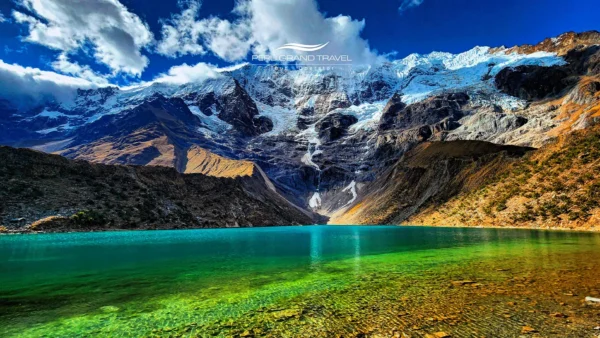
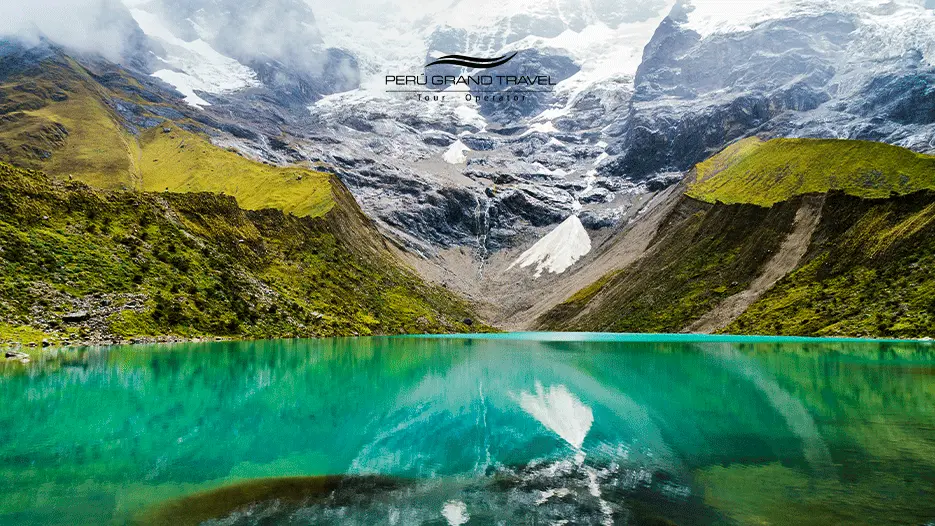
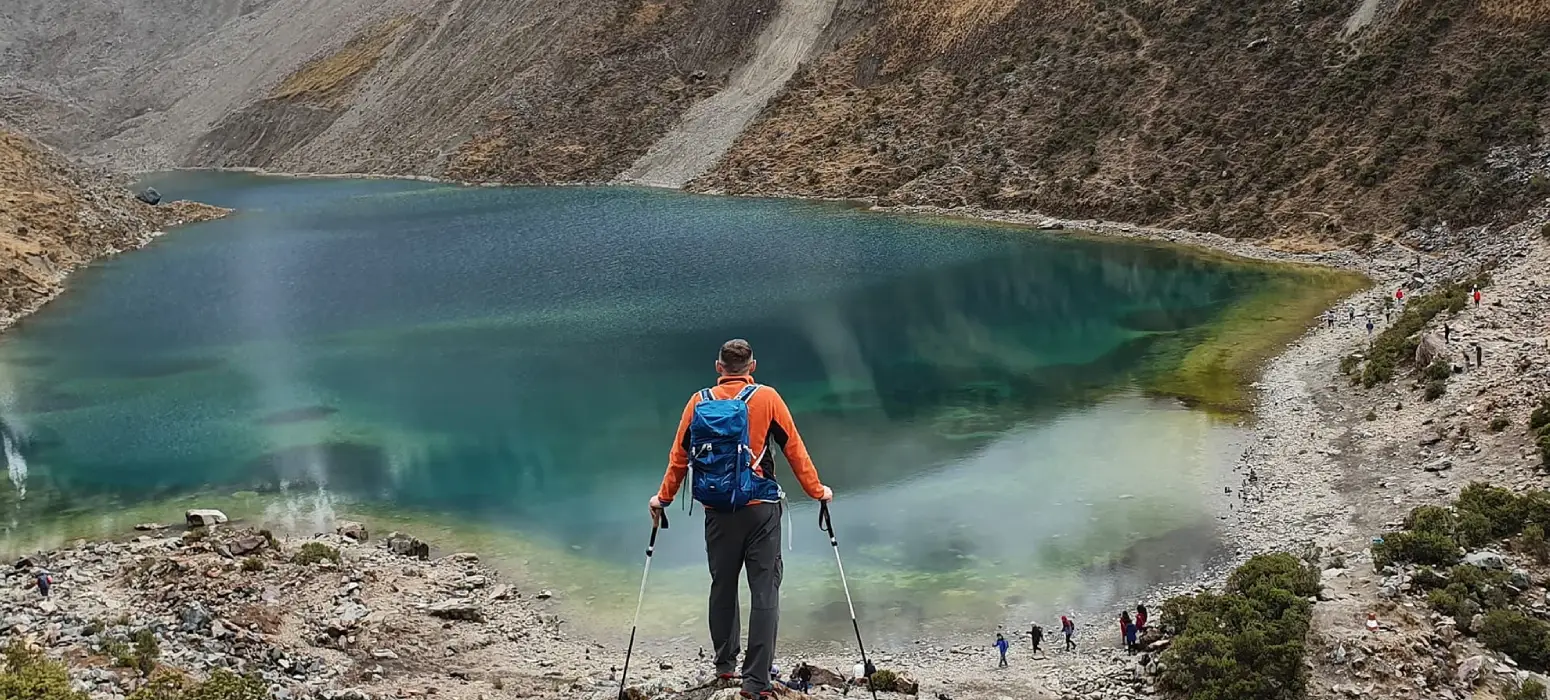
A spectacular turquoise lake below Humantay Mountain in the Peruvian Andes, Laguna Humantay has recently gained popularity as a fabulous day trip from Cusco. Tours include return transportation out to the trailhead at Soraypampa, from which it’s only a 1hr hike up to the Lake. On a clear day, this is one of the most beautiful views in the world. Be warned, however, that the 4,200m altitude can be a real issue for altitude sickness in Cusco. Make sure you are properly acclimatized.
Getting to Cusco
From Lima
Many visitors will catch a flight from Lima to Cusco (1.5 hr) and then take a S/20 soles in a taxi from the airport into the center of Cusco. This is the best option if your main objective is to get there quickly and comfortably. You can also take a 24hr bus ride over the Andes; however, this is a long time to spend sitting down on a bus, and the better buses cost the same as a flight! Choose from Latam, Viva Air or Sky. Another reminder, this jump in elevation from sea-level to 3400m can cause altitude sickness in Cusco, so make sure you take it easy and drink plenty of fluids.
From Paracas or Arequipa
There are other ways to get to Cusco than flying from Lima, though! I’d definitely recommend taking some time to see the coast, including Paracas, Huacachina, Nazca, and Arequipa, en route to Cusco. From Arequipa, buses are well-timed so that you can depart after dinner and arrive in Cusco first thing in the morning (10hrs)
Getting around Cusco
Walking
Thankfully, Cusco is a relatively compact and very walkable city, which makes it easy to get around! From the Plaza de Armas, you can walk to either San Blas or San Pedro Markets in under 10 minutes and up to Sacsahuamán in under 30 minutes. The cobbled streets and beautiful buildings make Cusco one of the best cities to explore. Expect to be stopping frequently for photos and to catch your breath!
Colectivos, Uber and Taxis
If you want to visit one of the more distant points around Cusco (like Tambomachay, the bus terminal, etc.), there are colectivos (shared minibuses), Ubers, or taxis that can get you there very inexpensively— usually S/1-2 for a colectivo and S/5-8 for an Uber or taxi from one side of town to the other.
If you have wifi or a SIM card, Uber is a generally safer, slightly cheaper, and more convenient option. If you do need to take a taxi, it’s unlikely you’ll have any difficulty flagging one down on the spot; just be sure to negotiate a fair price with the driver before departing, as meters are pretty uncommon.
Cusco is very pedestrian-friendly, which is very good news!
Where to stay in Cusco
Unlike other cities in South America, where you can just arrive and find somewhere to stay on the spot. It’s a good idea to book your room in Cusco online, as the best places tend to fill up quickly. Millions of people visit Cusco every year, with a particularly large influx during the the high season /winter months. You are more likely to find a good room at a reasonable price if you book ahead.
The best areas to stay in Cusco are either San Blas or the Centro Histórico. San Blas is a bohemian, artsy neighborhood a few blocks from the Plaza de Armas of Cusco. This neighbourhood is located near some of the best artisan markets, coffee shops, and the Sacsayhuaman archaeological site. Accommodation here is boutique and brimming with local charm and character. Then, there are the views! The Centro Histórico is also a great place to stay, perfectly located for access to any of Cusco’s main attractions.

Altitude Sickness in Cusco
If you are planning to travel to Peru, any Cusco travel guide will tell you that you will experience an incredibly diverse range of landscapes and habitats to take part in all types of adventurous and cultural activities. One of the ultimate experiences to be enjoyed in Peru is the incredible Inca Trail to the ancient Inca Citadel of Machu Picchu. can be found at over 4000 meters above sea level, at its highest point. Trekking the Inca Trail can be a phenomenal experience for even the most worldly-wise trekker; however, acclimatization to the altitude is just as important as not forgetting your walking boots. This is one important health factor that can’t be cured just by simply popping a few tablets. Here are some top tips to help you avoid suffering from altitude sickness in Cusco. Something that should be mentioned in any Cusco travel guide.
- Acclimatization: The process of the body adjusting to lower oxygen levels, usually taking 2 to 3 days.
- Soroche: The local Peruvian term for altitude sickness in Cusco.
- Coca Leaves: A traditional Andean remedy used to relieve altitude sickness in Cusco. (It is often consumed as coca tea or mate de coca).
- Take it Easy: On arrival to high elevation, there should be no rushing around. The best thing to do is take it easy for the first 24 hours, the remarkable Inca sites will still be there the next day!
Cusco Travel Tips
Avoid The Tap Water
Despite what some people tell you, the water in Cusco really isn’t for drinking. Always drink bottled water and eat in recommended restaurants where things have been washed in purified water.
Passports
DON’T carry your passport around with you. Leave it in your hotel, in a secure place. I truly believe it is safer there than on your person all day. Instead, carry a colour copy with you. Odds are you won’t need it, but if you do – your copy will be just fine.
Buy an E Sim
Claro and Movistar are the main providers, but Bitel also offers good packages specifically for travellers: get 20GB of data, 500min calling, and international call credit
A Guide to Cusco – Money Tips
Avoid withdrawals from Global Net ATMs on your Cusco Peru itinerary. These are located in the airport and throughout the city; however, they charge a much higher fee than other ATMs. Multi Red ATMs have no local fees; however, it does depend on your bank back home.
· Cash – use local currency where possible. Soles are king! Try to break down your bigger notes at the supermarket, in restaurants, or in larger stores. Change is an issue!
· If you use US dollars, they should be in pristine condition with no rips or tears.
· USD is generally used for bigger purchases or tourist-related costs.

Experiences

Machu Picchu Challenge 8D/7N
Cusco, Sacred Valley Humantay Lagoon, Rainbow Mountain & Machu Picchu.
View Tour
Colonial Lima and Sacred land of the Incas 7D/6N
Lima, Cusco, Sacred Valley & Machu Picchu.
View Tour