Cusco Hidden Gems are everywhere if you take the time to look. Virtually everyone who travels to Peru will almost certainly spend time in Cusco. The former Inca capital remains one of the most fascinating cities in South America. There’s something very special about Cusco that stays with you long after you leave. The wonderful blend of narrow cobblestone streets, Inca stonework, colonial architecture, and everyday Andean life gives the city a character that feels unmistakably historic and alive all at the same time. Add to that Cusco’s role as the gateway to the Sacred Valley, Machu Picchu, and some truly epic trekking routes, and it’s easy to understand why so many travellers end up here — and why some stay far longer than originally planned.
Table of Contents
When you spend more time in the city, you start to notice the Cusco hidden gems that make the city so special. Hidden courtyards behind huge wooden doors, small family-run cafés, bustling traditional markets, and layers of history built directly into the narrow streets themselves. Then there’s the atmosphere, which shifts completely from morning to night. This is when you discover Cusco’s hidden gems. Try incredible food and understand why so many people feel such a strong connection to this remarkable Inca city. Here, we explore local cafés, chocolate shops, cooking classes, markets, churches, and lesser-known corners that many travellers simply never get to see. Our biggest recommendation? Instead of rushing through Cusco on the way to Machu Picchu, slow down and spend quality time exploring the city properly. Here are some of the best non-touristy things to do in Cusco, including where to stay, how to deal with the altitude, where to eat, and how to experience one of Peru’s most unforgettable cities
The Koricancha (Not so much one of the Cusco hidden gems, but worth it!)
The Qorikancha is definitely one of Cusco hidden gems, once you get past the Santo Domingo church built on top of it! This was the most important temple in the Inca Empire and was constructed in honour of Inti, the sun god. Before the Spanish conquest, the Koricancha was said to be covered in gold. Once the Conquistadors arrived in Cusco, they destroyed many important Inca sites and stripped buildings of their treasures. In an attempt to impose Catholicism over local Inca and Quechua beliefs, they built Santo Domingo Church directly on top of the Koricancha’s original foundations. Today, visitors can still see the remarkable contrast between the precise Inca stonework below and the colonial church above in the heart of the city.
Explore the Plaza de Armas
One of the best things to do in Cusco is simply to wander around the Plaza de Armas and soak up the atmosphere. This is where locals and travellers alike gather to experience the energy of the city. The square regularly hosts festivals, celebrations, and public events, so there is almost always something happening.
The impressive Cusco Cathedral overlooks the plaza, and attending the early morning Quechua mass is a fascinating way to experience local religious traditions and culture. The Church of the Society of Jesus is also located here if you enjoy visiting historic churches. Around the square, you’ll find plenty of cafés, restaurants and shops with balconies overlooking the plaza, making it an excellent place to sit, people-watch and take in the atmosphere of Cusco.
Visit the San Blas Neighbourhood
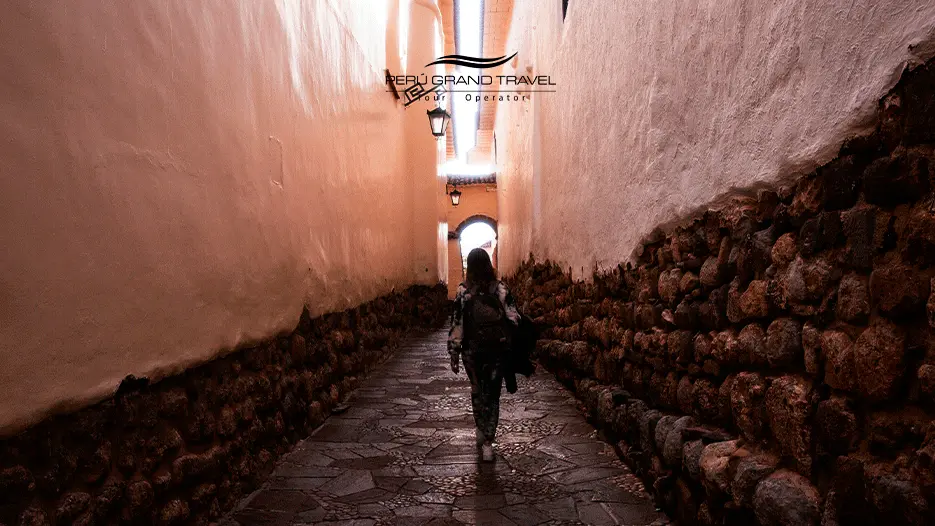
Just uphill from the Plaza de Armas is the bohemian neighbourhood of San Blas. This is one of the most charming areas in Cusco, filled with boutique hotels, art shops, cafés, and small restaurants tucked along narrow streets. Local artisans sell handmade goods around almost every corner, and the creative atmosphere makes the neighbourhood feel welcoming and relaxed.
San Blas is one of the best places to discover local artists producing paintings, ceramics, jewellery, and unique handmade crafts inspired by Cusco and the Andes. The small plaza is also a lovely place to sit and take a break from the busy city below. Alongside traditional Peruvian food, the neighbourhood has become something of a culinary hub, with excellent international restaurants and cosy cafés scattered throughout the area. Some of the narrow winding stone streets include Cusco hidden gems, if you look hard enough!
The Center for Traditional Textiles of Cusco
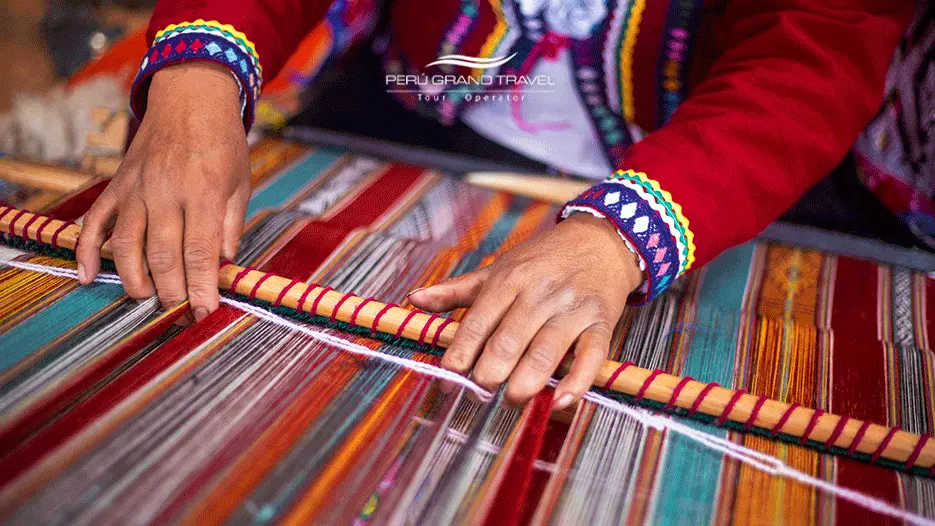
The Center for Traditional Textiles of Cusco is one of those places that many travellers walk straight past, but it’s actually well worth visiting. The centre was created to help preserve traditional Andean weaving techniques and support weaving communities across the region, many of whom still use methods and patterns passed down through generations.
Inside, you can see beautiful handmade textiles from different communities around Cusco, all completely different in colour, symbolism and style. What makes the experience even more interesting is watching the artisans working in person. Seeing the amount of time, patience, and skill that goes into a single textile gives you a completely different appreciation for Andean weaving traditions, especially when you realise many of the dyes are still made naturally from plants, minerals, and insects.
The centre also runs small workshops if you want to learn some of the basic weaving techniques yourself, and there’s a shop selling handmade products directly connected to the communities involved. Unlike many souvenir shops in Cusco, the items here feel genuinely authentic and thoughtfully made rather than mass-produced for tourists.
Take a Look at San Pedro Market Cusco
San Pedro Market is Cusco’s authentic central market and one of the best places to experience local life. The market is full of energy, colour, flavours and noise, making it a real sensory experience. Visiting San Pedro gives you a much more genuine glimpse into everyday Cusco culture than many of the city’s more tourist-focused attractions.
Here you can try freshly made fruit juices, including some of Peru’s more unusual tropical fruits, explore the famous witches’ market, buy excellent local cacao and, of course, find coca leaves sold throughout the market. There are also plenty of stalls selling traditional foods, handmade crafts and local products from across the region.
Do a Chocolate Workshop at ChocoMuseo
If you love chocolate, Peru is a fantastic place to indulge. Peru produces some of the highest-quality cacao in the world, much of it grown in the high Amazon region known locally as the “ceja de selva” or “eyebrow of the jungle.”
ChocoMuseo, located near Plaza Regocijo, offers fun and informative chocolate-making workshops that are genuinely worth doing. Their popular “Bean to Bar” workshop takes visitors through the entire chocolate-making process, from cacao cultivation and harvesting to roasting and producing finished chocolate. Along the way, you’ll learn about Peru’s cacao traditions and, most importantly, get to sample plenty of delicious Peruvian chocolate yourself.
Check Out the Sacsayhuaman Ruins
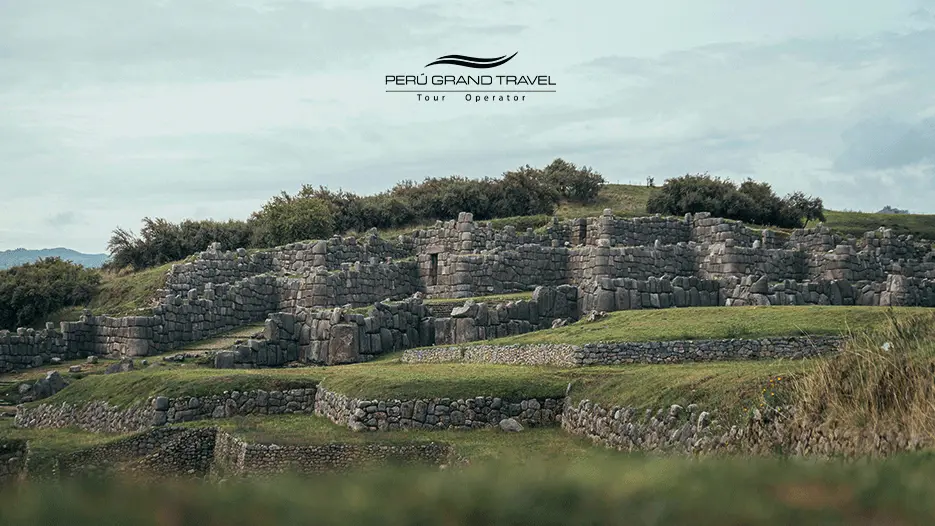
During your time in Cusco, you should definitely visit the incredible Sacsayhuamán ruins. This important Inca ceremonial site is one of the best examples of the scale and engineering skill of the Inca Empire. Built during the 1400s under the rule of Pachacutec, the site also served as a military stronghold protecting the entrance to Cusco. Today, the enormous stone walls remain one of the most impressive examples of Inca architecture anywhere in Peru.
You can either take a taxi or hike up to Sacsayhuamán and continue exploring other nearby archaeological sites, including Qenqo, Puka Pukara, and Tambomachay. Entrance to these sites is included in the Boleto Turístico (Cusco Tourist Ticket), which can be purchased at the sites themselves or as part of many Cusco city tours.
Sample World-Class Gastronomy for a Fraction of the Cost
Cusco has an excellent food scene with something for virtually every taste and budget. Whether you are looking for traditional Peruvian dishes, vegetarian food, gourmet Andean fusion cuisine, or international comfort food, the city has endless options.
Some favourites include Cicciolina, Green Point, Jack’s Café, Uchu Peruvian Steakhouse, Pachapapa, and Nuna Raymi, although there are hundreds more excellent places to discover throughout the city. From simple local menu lunches costing just a few soles to fine-dining experiences, Cusco really does offer some of the best food experiences in Peru.
Inkilltambo
Inkilltambo is one of the city’s least-known archaeological sites. It is hidden away in the rolling hills above San Blas, near the Temple of the Moon. This former Inca ceremonial and agricultural centre receives only a fraction of the visitors who come to nearby Sacsayhuamán.
The Inkilltambo Cusco hike is relatively easy. The trail takes visitors through eucalyptus forests, rolling hills, countryside, and ancient trails that lead to a fascinating complex of terraces, water channels, and ceremonial temples. Despite being so close to the city centre, the site feels remarkably peaceful and offers a glimpse into a lesser-known side of Inca history. It is one of the best examples of the alternative ruins Cusco has to offer.
Visit Tipón and Pikillacta
Many travellers never venture south of Cusco, but those who take the time are rewarded with two fascinating archaeological sites. Any good Tipon and Pikillacta guide will tell you that these sites showcase two completely different cultures and engineering achievements.
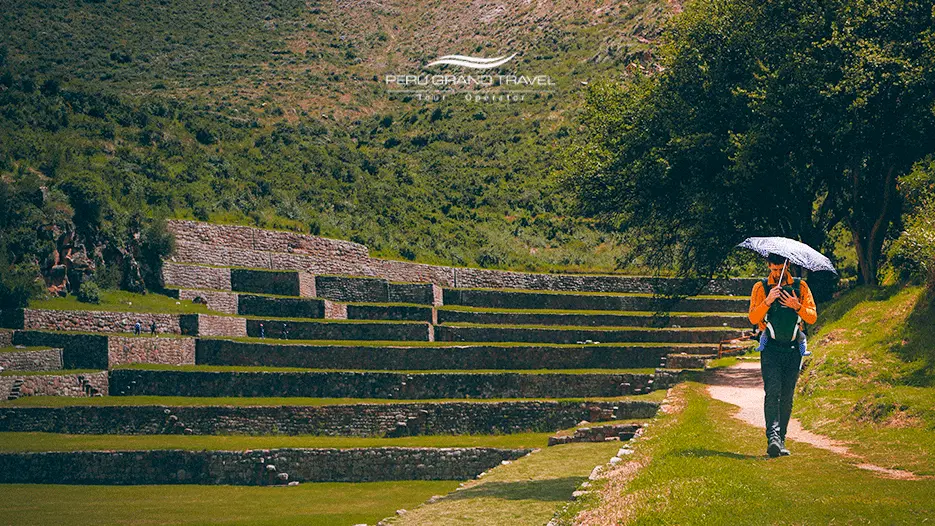
Tipón is famous for its wonderful agricultural terraces and sophisticated water channels that continue to function centuries after they were built. Pikillacta actually predates the Incas and was constructed by the Wari civilization. Its extensive network of streets, plazas and stone buildings provides a fabulous opportunity to explore one of Peru’s most important pre-Inca cities. These two sites make an excellent day trip from Cusco and remain among the most overlooked archaeological sites near Cusco.
Take a Waqrapukara Fortress Tour
For those who want to venture further out of the city, a Waqrapukara fortress tour offers one of the most spectacular and least-visited archaeological experiences in the region. Perched dramatically above deep canyons, Waqrapukara combines impressive stone architecture with breathtaking mountain scenery.
Unlike Machu Picchu, you are unlikely to encounter large crowds here. The site requires a hike to reach, but the reward is a truly unique archaeological complex surrounded by panoramic views of the Andes. For many travellers, Waqrapukara is a great example of one of the ultimate Cusco hidden gems and an opportunity to experience a remarkable Inca site in remote solitude.
Cusco hidden gems are endless, so if possible, try to allow extra time in your itinerary to appreciate everything the city has to offer. Check around every corner, every small doorway, look up! (Yes, they are up there too!) We hope this Cusco travel guide has introduced you to some of the less touristy experiences that are waiting to be discovered in this unforgettable Inca city. Contact us here to tailor your preferred activities in Cusco with Peru Grand Travel!

Experiences

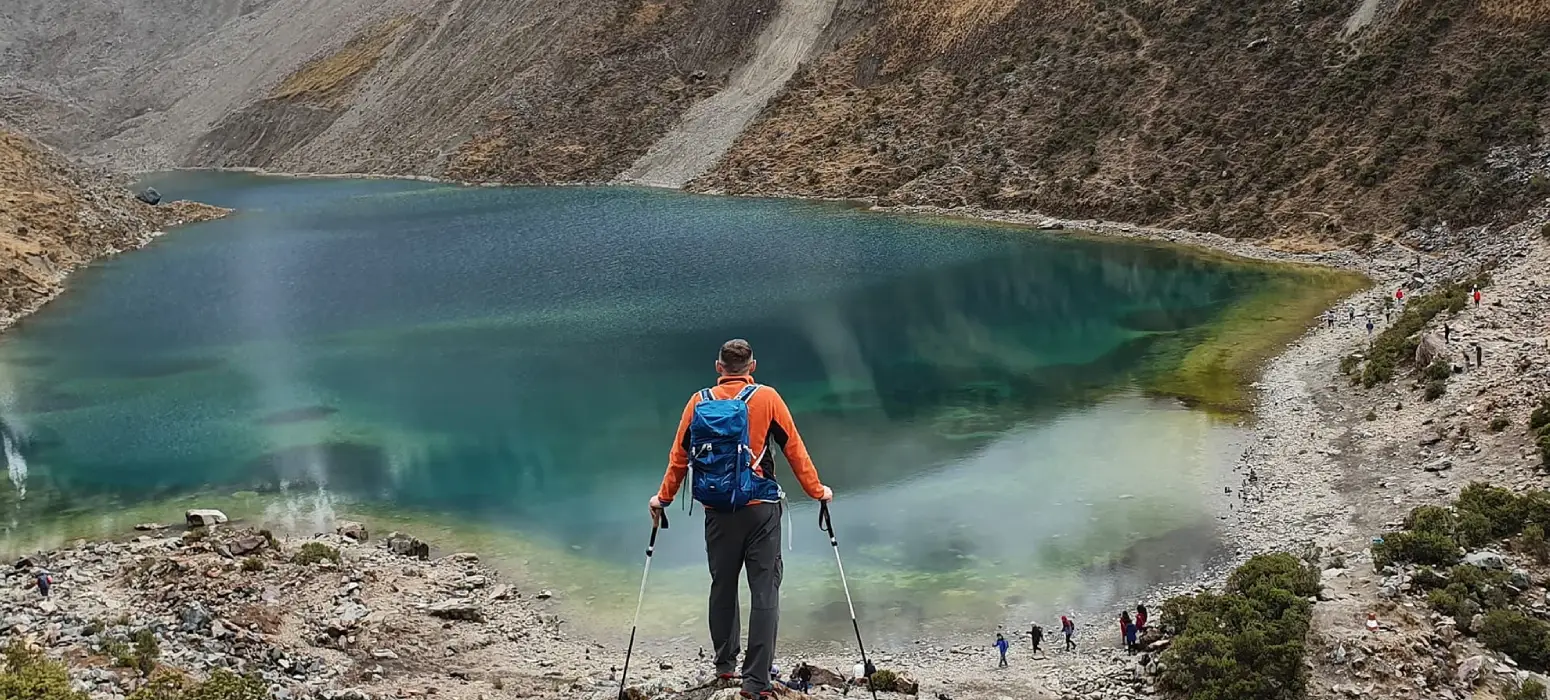
Machu Picchu Challenge 8D/7N
Cusco, Sacred Valley Humantay Lagoon, Rainbow Mountain & Machu Picchu.
View Tour
Colonial Lima and Sacred land of the Incas 7D/6N
Lima, Cusco, Sacred Valley & Machu Picchu.
View Tour