

Sillustani Tombs Peru is one of the most important archaeological sites near Puno, known for its chullpas—stone funerary towers built for high-status individuals in the ancient Andes. Located beside Lake Umayo, Sillustani helps travelers understand pre-Inca traditions (especially the Colla culture) and the later influence of the Inca Empire in the region. In this guide, you’ll learn what the Sillustani tombs are, why they matter, what to see on-site, and how to plan an easy visit from Puno with practical tips for timing, altitude, and photography.
Table of Contents
Sillustani Tombs Peru overview
Sillustani is a cultural and tourist destination that helps visitors better understand Andean beliefs about death and the afterlife, while also offering one of the most beautiful views of the high plateau. For many travelers, the combination of archaeology, history, and landscape makes a visit to the Sillustani Tombs one of the most memorable experiences of their time in Puno.
Where are the Sillustani tombs located in Peru?
The Sillustani Tombs are one of the most important funerary complexes in Peru’s highlands. They sit on the shores of Lake Umayo, about 32 km from the city of Puno, on a plateau surrounded by Andean landscapes, wide open skies, and panoramic views of the lake. This natural setting—together with the stone structures rising from the hillside—gives the site a quiet, distinctive atmosphere.
What are the “chullpas” of Sillustani in Peru?
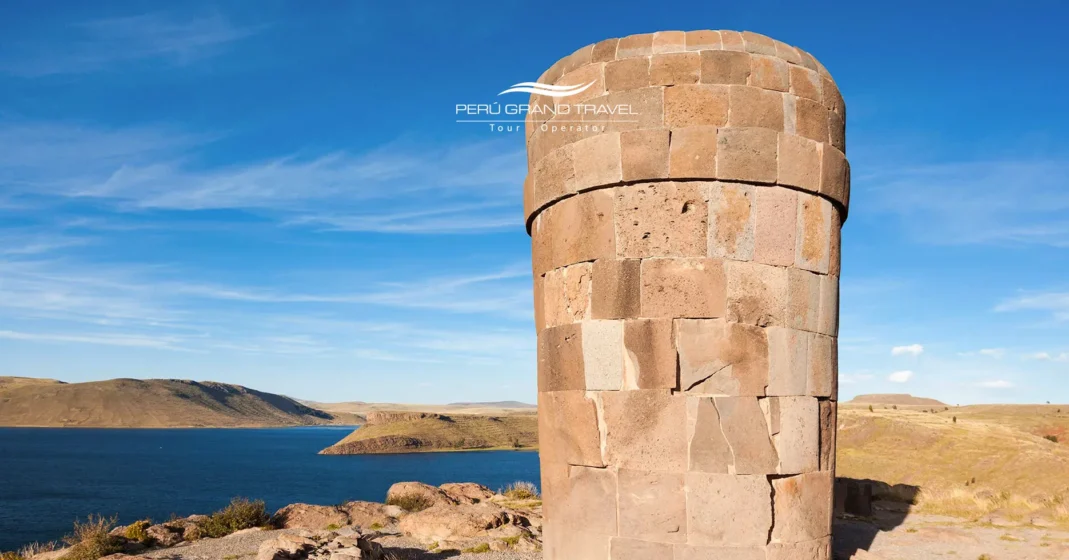
The site is famous for its chullpas—stone funerary towers first built by the Colla culture and later modified and refined under Inca influence. Many of these towers rise several meters high and display remarkable stonework, with blocks fitted together with impressive precision. Inside, high-status individuals were buried along with offerings and personal belongings.
Why Sillustani is famous
Sillustani is one of the most impressive archaeological sites in Peru’s highlands because it brings together history, distinctive funerary architecture, and a striking natural setting. Located near Puno, it stands out for its chullpas—funerary towers built by pre-Inca cultures and later shaped by Inca influence. Visiting Sillustani helps you understand how ancient Collao societies honored their dead and how the surrounding landscape held deep spiritual meaning.
The chullpas and ancient funerary traditions
The most famous feature of Sillustani is its chullpas—stone towers that served as mausoleums for leaders, nobles, and other high-ranking figures. Unlike a typical grave, these structures reflect an elaborate way of honoring the dead and symbolically accompanying them on their journey to the afterlife. Many chullpas share a striking detail: a small opening (like a doorway) that is often oriented to the east, linked to sunrise and ideas of renewal and life. Inside, the remains were placed, and in some cases offerings as well, based on the belief that spiritual life continued and that the deceased could remain a protective or influential presence for the community. The stone construction also shows a high level of engineering—some towers are built with finely fitted blocks, revealing technical skill and strong ceremonial value.
Colla culture and Inca influence
Before Inca rule, the area was inhabited by the Colla culture—highland people connected to the Aymara world who developed their own traditions, including these funerary towers. The Colla were an influential society in the Collao region, and Sillustani reflects their ideas of power, hierarchy, and spirituality. Over time, the Incas expanded into this region, and their presence can be seen in certain construction styles and architectural refinements: some chullpas show finer stonework and techniques that echo high-level Inca masonry. In this sense, Sillustani helps explain a key point in Andean history—how a local tradition endured, while also being adapted and transformed within a new political and cultural order.
The setting near Lake Umayo (why the landscape matters)
Sillustani wouldn’t feel the same without its setting. The complex sits on a peninsula or hillside near Lake Umayo, creating a wide, quiet view that leaves a strong visual impression. But the landscape isn’t just “scenery”—in the Andean world, nature carried sacred meaning. Lakes, mountains, and the open sky of the high plateau were often linked to spiritual forces and to the relationship between people and the universe. That’s why placing a funerary site on elevated ground near water had ceremonial logic: it connected the deceased with essential elements such as the sun, water, and earth. For travelers planning a visit, Sillustani offers something different from many archaeological sites—monumental architecture in a serene landscape, ideal for taking your time, capturing memorable photos, and understanding why this place remains so remembered.
What to see at Sillustani (top highlights)
Sillustani is a great site to explore at a relaxed pace. The highlights aren’t spread across long distances, but each stop offers something meaningful—funerary architecture, wide highland views, and cultural details that make the visit feel complete.
Main chullpa towers and stonework details
The heart of Sillustani is its main chullpas—the largest and best-preserved funerary towers in the complex. As you walk the circuit, you’ll see chullpas in different sizes and styles, which makes it easier to notice how construction techniques changed over time. In the most outstanding towers, look for:
- Stone fitting: some towers use finely cut blocks fitted with high precision, without mortar.
- Tower shape: many are slightly wider at the top than at the base (surprising at first) and built for long-term stability.
- Small entrance opening: usually narrow and often facing east, a detail linked to sun-related beliefs and rituals.
- Carvings or symbols: on certain chullpas, you may spot carved shapes (animals or figures) that offer clues about ceremonial meaning.
This is one of the best areas for close-up photos—and with a guide, you can better understand who was buried here and why these towers were tied to social status.
Viewpoints and Lake Umayo panoramas
Beyond its history, Sillustani is also known for its natural viewpoints. From different spots along the route, you get wide views over Lake Umayo and the classic highland landscape—open sky, strong light, and a silence that feels distinct. The best approach here is to:
- Pause at the viewpoints and take in the full scene: chullpas, lake, and horizon.
- Capture panoramic photos: the contrast between the stone towers and the blue water often looks striking.
- Take your time: the landscape helps explain why this place wasn’t chosen by chance—it carries a sense of solemnity.
Experience tip: visit early in the morning or near sunset for softer light and more photogenic, dramatic views.
Museum/interpretation area (if available) and local crafts
During your visit, there is usually an interpretation or information area where you can read panels about the cultures connected to Sillustani, the funerary purpose of the chullpas, and the highland context. Depending on how the site is managed, this space may vary in size, but even a small display can add helpful context to what you’re seeing.
Many travelers also enjoy browsing the nearby local crafts, where you’ll often find Andean textiles, woven items, and souvenirs. If you decide to buy, it can be a good way to take home something handmade while supporting local families.
A quick tip: before purchasing, walk through several stalls, check the fabric quality and finishing details, compare prices, and choose calmly and respectfully.
History and meaning of the Sillustani tombs
Sillustani is not just a group of “ancient towers.” It’s a place that summarizes how highland societies lived, organized themselves, and understood the world. Its monumental tombs speak of power, ritual, and a strong relationship with nature and the spiritual realm. Knowing this history makes the visit far more meaningful—because each chullpa stops being just a nice photo and becomes a message from the past.
Who built Sillustani and why it was used
The Sillustani complex was used mainly by pre-Inca highland peoples, especially those linked to the Colla culture (the Collao area), and it later shows Inca influence as the empire expanded into the region. What was it used for? Primarily as a ceremonial funerary center. High-status individuals—leaders, local chiefs, and important figures—were buried there. The purpose wasn’t only to “store remains,” but to carry out burials with social and spiritual meaning in a place that reinforced lineage prestige and political authority. The location also explains the “why”: the site lies near Lake Umayo in an elevated, open landscape. In the Andean worldview, choosing a place like this carried sacred significance, creating a connection between human life, the land, and the spiritual realm.
What chullpas tell us about social status and beliefs
The chullpas are clear evidence that these highland societies had strong social hierarchies. Not everyone received a burial in a stone tower—building a chullpa required resources, skilled labor, and planning. That’s why their presence points to an elite with power and to well-organized communities. They also reveal deeper beliefs:
- Death as continuity: it wasn’t seen as an absolute end, but as a change of state. The deceased could remain a symbolic—and often protective—presence for the group.
- Rituals and offerings: burial was not only physical; it was part of a wider set of ceremonial practices.
- Connection to the sun and nature: the orientation of openings and the choice of location reinforce the idea that the landscape and natural cycles held spiritual value.
Common myths vs. historical context
Like many ancient and mysterious places, Sillustani is surrounded by stories that sound unbelievable. Some are often repeated by travelers, but it helps to separate myth from historical context:
- Myth 1: “The chullpas were built by giants or beings from another world.”: Reality: the stonework is impressive, but it reflects technical knowledge developed by Andean cultures and refined over different periods. There’s no need for a “fantastical explanation” to understand advanced local construction traditions.
- Myth 2: “All chullpas are Inca.”: Reality: many chullpas are linked to pre-Inca cultures (such as the Colla), with later Inca influence or presence. That’s why you’ll notice differences in style and finishing.
- Myth 3: “It was a secret or forbidden place.”: Reality: it was an important ceremonial space, but one that made sense within the social life of its time—a place where leaders were honored and community and lineage ties were reinforced.
Seen this way, Sillustani becomes even more powerful: it doesn’t need legends to impress. Its real value lies in what it reveals about Andean highland societies and how they understood life, death, and prestige.
How to visit Sillustani from Puno
Sillustani is very close to Puno—about 28 to 32 km away—and the drive usually takes around 30 to 45 minutes, depending on the route and traffic. This makes it one of the easiest (and most recommended) half-day excursions from the city.
Best ways to get there (tour vs private transport vs taxi)
- Tour – the most convenient option
- Ideal if you want a hassle-free visit: hotel pickup, transportation included, and usually a guide who explains the chullpas’ context.
- Most tours last about 3–4 hours total.
- Recommended for first-time visitors to Puno or if you’re short on time.
- Private transport (with a driver)
- Perfect if you want to go at your own pace. You can leave early for better light, spend more time at the viewpoints, and stop whenever you want for photos.
- Also a great option for families or groups, since you can split the cost and travel more comfortably.
- Taxi (fast and direct)
- Works well if you want to go independently without fixed schedules.
- Advantage: door-to-door service and full control of your time. The downside is it usually doesn’t include a guide, so the experience depends on how much you read on-site or whether you hire a guide there.
How long the visit takes (typical time on site)
At the site, most visitors spend 60 to 90 minutes walking at a relaxed pace, seeing the main chullpas and enjoying the viewpoints over Lake Umayo. If you’re visiting with a guide and you like taking photos, you can easily stay a bit longer.
What to combine with Sillustani (half-day ideas)
Idea 1: Sillustani + “airport route” (Juliaca)
- Sillustani works perfectly as a stop between Juliaca Airport and Puno, so you can use your arrival or departure day efficiently.
- Some tours and private transfers are designed exactly this way: airport → Sillustani → hotel in Puno, or the reverse.
Idea 2: Sillustani + Puno city center (a relaxed afternoon)
- Ideal for an easy half-day: return to Puno and enjoy a light city stroll (main square, a viewpoint, coffee, and artisan shopping).
Idea 3: Sillustani + Lake Titicaca (if you have energy)
- If your schedule allows, visit Sillustani in the morning and plan Lake Titicaca (for example, the Uros Islands) for later that day or the next day. It depends on tour times, transfer duration, and how long you want at each place.
Quick blog tip: opening hours and entrance fees are often shared as “reference” info (many sources mention 8:00–17:00), but it’s best to confirm details when planning.
Best time to visit Sillustani Tombs Peru
You can visit Sillustani year-round, but the experience changes depending on the season. The best time is usually April to November, when conditions are drier and skies are clearer. During these months, you’re more likely to get open views of Lake Umayo and the highland landscape—ideal for photos and for walking comfortably without rain.
Weather and seasons in the Puno región
Sillustani is in the high-altitude plateau of Puno, so the weather feels cold and dry, with very noticeable changes between day and night.
- Drier season: From May to August—and often with good weather into September or October—skies are usually clearer, visibility is better, and rain is less likely. This is the best time for open landscapes and sharp photos of Lake Umayo, the chullpas, and the highlands.
- Rainy season: From October to April, with heavier rain often between December and January, precipitation becomes more common—frequently in the afternoons. The sky changes quickly and the ground can be wet or slippery.
In terms of temperature, even in the “best” months to visit, Puno often has cool days and very cold nights—sometimes close to 0°C or even below.
Best time of day for photos and fewer crowds
For the best experience (and better photos), the top recommendations are:
- Morning (early): Early mornings usually mean fewer people and softer light. You’ll arrive before many organized groups, so you can walk calmly, stop at the viewpoints, and enjoy the landscape in silence.
- Late afternoon: Near the end of the day, during the “golden hour,” warm light over the chullpas and Lake Umayo can be excellent for photography. If you choose this time, plan your return to Puno carefully—and if you’re going by taxi or private service, make sure your driver is willing to wait long enough.
If your priority is quiet time and clear views, the best advice for blog readers is to visit early and explore without rushing, stopping at the viewpoints before the main wave of tours arrives.

Tips for families, seniors, and altitude
Sillustani is a fairly “easy” excursion for many types of travelers—families, older adults, and anyone who prefers a relaxed visit. However, there are two things you should take seriously: the highland wind and cold, and the altitude. The Puno and Lake Titicaca area sits at around 3,800 meters above sea level, and Sillustani reaches about 3,900 meters. At that elevation, it’s completely normal to get tired faster than usual, feel slightly short of breath on uphill sections, or need more breaks while walking.
Walking difficulty and pacing tips
In general, the walk inside the site is short and easy to moderate, but it has the typical features of an archaeological complex:
- The paths are dirt and stone, with a few uneven sections.
- There are small uphill stretches to reach certain viewpoints.
- The wind can be strong, which makes you tire a bit faster and feel the cold more intensely.
To stay comfortable—especially if you’re traveling with children or older adults—it helps to:
- Walk slowly and take short breaks. Each viewpoint can be a perfect pause to rest and enjoy the scenery.
- Go without rushing and focus on three main points: the most important chullpas, a good viewpoint, and the photos you want. Everything else is a bonus.
- For older adults, choosing private transport or an organized tour can reduce unnecessary walking and make timing easier.
For footwear, sturdy sneakers or walking shoes with good traction are best. Avoid smooth soles, which can slip on dirt or stone.
What to bring (layers, sun protection, water)
On the high plateau, the weather can change quickly, so you might feel strong sun and cold wind at the same time. To keep your visit to Sillustani comfortable, bring the basics and dress in layers. The most practical approach is to wear pieces you can easily add or remove—like a T-shirt, a fleece, and a windproof jacket or warm coat to block the wind. Sun protection is also important because the higher altitude makes the sun feel stronger, so don’t forget sunscreen, sunglasses, and a cap or hat. Bring water and take small sips regularly, plus a light snack to keep your energy up during the walk. Finish your kit with some cash for entrance fees or local crafts, and of course a camera or phone ready for photos.
Altitude basics in the Lake Titicaca región
To help you get oriented, Lake Titicaca sits at 3,812 m, the city of Puno is around 3,830 m, and Sillustani is close to 3,909 m. At that altitude the air is thinner, and it’s normal for your body to feel the difference.
You may notice things like:
- Shortness of breath when going uphill or walking too fast
- Mild headache, tiredness, restless sleep, or mild nausea
Simple tips that often help:
- Take your first day slowly, especially if you’re coming from Lima or another low-altitude place
- Stay well hydrated and avoid alcohol and very heavy meals at the beginning
- Rest if you feel unwell—many symptoms improve with a break and fluids
Important: if you develop severe symptoms such as confusion, trouble walking, chest pain/pressure, or shortness of breath even at rest, that’s not “normal travel discomfort.” In that case, seek medical help and, if possible, move to a lower altitude.
Responsible travel at Sillustani
Visiting Sillustani responsibly helps protect a unique archaeological heritage while ensuring local communities continue to benefit from tourism in a fair and sustainable way.
Respecting heritage sites and local communities
- Follow marked paths and signs: don’t cut across areas, climb into restricted zones, or step on sensitive ground.
- Don’t touch or lean on the chullpas: stone can erode with constant contact, even if it looks durable.
- Don’t take anything from the site: no “small” stones, fragments, or plants—everything is part of the environment and its conservation.
- Respect local work: if you buy crafts, choose handmade pieces and pay a fair price. Aggressive bargaining can impact families’ income.
- Match the site’s calm atmosphere: avoid loud music, shouting, or intrusive behavior—this is a place with cultural value and, for many, symbolic meaning.
Leave-no-trace and photo etiquette
- Take all your trash with you (including food waste): peels, wrappers, bottles, cigarette butts—everything goes back with you.
- Don’t feed animals and don’t disturb the environment: don’t “arrange” stones for photos or move elements of the landscape.
- Respectful photos:
- Don’t use the chullpas as a “prop” (sitting on them, climbing, or hanging from them).
- Don’t place tripods or objects that block the path when others are visiting.
- If you photograph people (artisans/community members): ask permission first, especially for close portraits.
- Drones and special equipment: if you plan to fly a drone, check the site rules in advance and respect privacy and the quiet atmosphere.
FAQs about Sillustani Tombs Peru
Is Sillustani worth visiting from Puno?
Yes, it’s absolutely worth it—especially if you’re in Puno and want a short but very different excursion. You’ll see unique highland chullpas (funerary towers), wide open landscapes, and views over Lake Umayo. It’s also close enough to do as an easy half-day trip.
What does “Sillustani” mean?
The meaning of the name “Sillustani” isn’t completely fixed or definitive, because different sources offer different interpretations. Some popular explanations connect it to Quechua terms such as sillus (“nail” or “claw”) and llustani (“to slip”), creating an idea similar to “nails/claws that slip,” often linked to the tight, precise fit of stones in the chullpas. Other interpretations relate sillu to “circle” or “circularity,” referring to the rounded form of many funerary towers. For a blog, the clearest and most honest approach is to present it as an etymology with multiple possible versions, rather than stating one as absolute fact.
Are the tombs Inca or pre-Inca?
The Sillustani tombs are mainly pre-Inca, although they also show Inca intervention. The complex was largely built by the Colla (Qolla) culture—an Aymara people who lived in the highlands before the Inca Empire expanded into the region. Many of the oldest chullpas and several construction styles you see at the site are attributed to them. Later, when the Incas incorporated this area into their territory, they adopted and refined the technique, building new chullpas with even more polished stonework and tighter-fitting blocks. That’s why at Sillustani you’ll find both clearly pre-Inca structures and others with architectural features strongly associated with the Inca world.
How far is Sillustani from Puno?
The road distance is usually reported as around 32–35 km, with a travel time of roughly 35–60 minutes, depending on the route and traffic.
Can you visit Sillustani without a tour?
Yes, you can visit Sillustani on your own. You can go by taxi or private car—arranging the ride, waiting time, and return—or use local shared transport and then walk part of the way. The main difference is the experience: with a tour you usually get a guide, historical context, and a more organized visit. Without a tour you gain flexibility for photos, can stay longer where you want, and set your own schedule.
Ready to take the next step and secure your spot for a 2026 departure? Contact us at Peru Grand Travel. As your Anfitrión Cosmopolita, we specialize in managing the complex logistics of these high-demand trips to Machu Picchu, ensuring your backpacking adventure is executed flawlessly, from your arrival in Cusco to your triumphant walk through the Sun Gate.
We invite you to explore our Inca Trail packages! Your experience in Peru is just one step away! Contact us now and start living the unique experience you’ve always dreamed of.
More information:
- Visit our English website: Peru Grand Travel
- Visit our Spanish website: Viajes Machu Picchu Tours
- Visit our Portuguese website: Machu Picchu Pacotes

Experiences

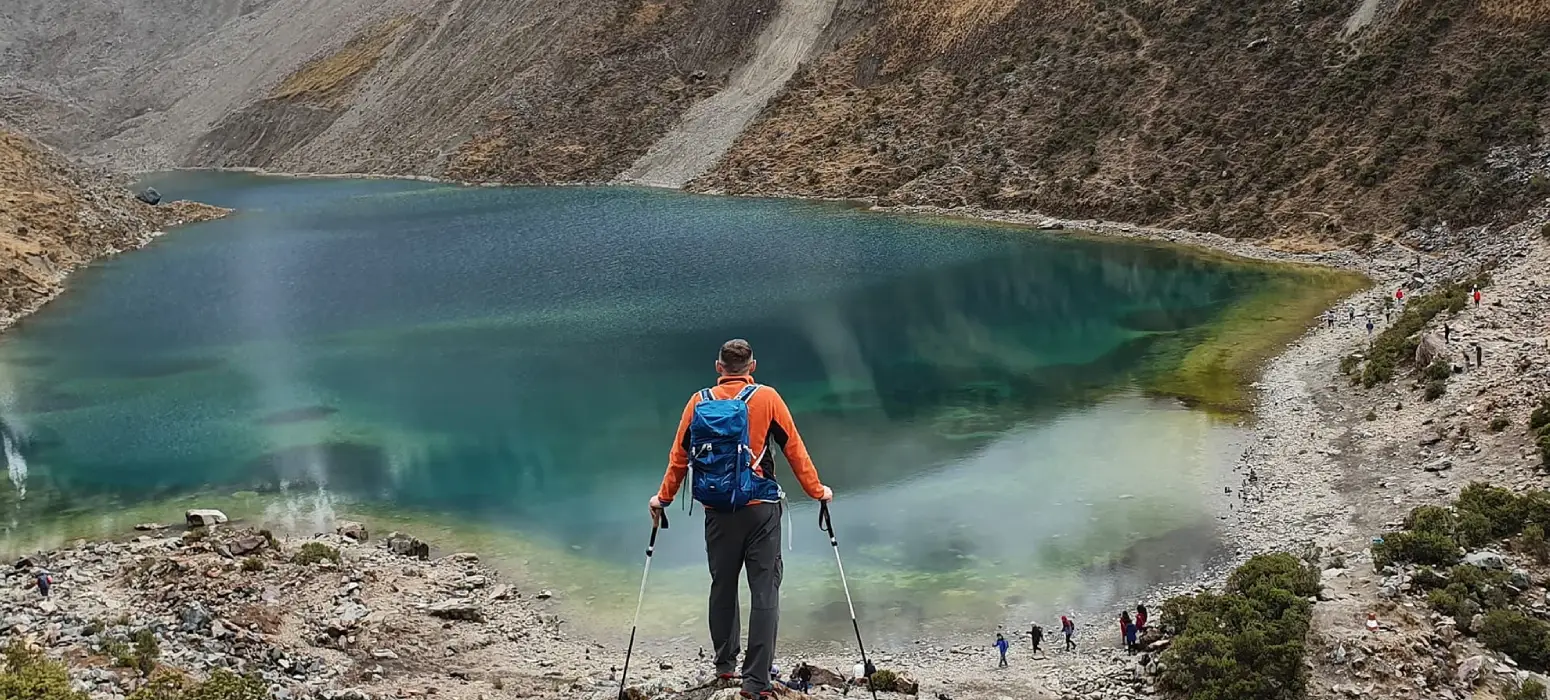
Machu Picchu Challenge 8D/7N
Cusco, Sacred Valley Humantay Lagoon, Rainbow Mountain & Machu Picchu.
View Tour
Colonial Lima and Sacred land of the Incas 7D/6N
Lima, Cusco, Sacred Valley & Machu Picchu.
View Tour


There are 2 comments
I love how this article gives such a great overview of the Sillustani Tombs! It’s fascinating to think about how the tombs were not just for burial but also a reflection of the social structure and spiritual beliefs of the ancient Colla culture. I would love to see the site in person, especially with those incredible views of the lake.
Hi Flux, thank you so much for sharing your thoughts!
It’s great to see that you appreciated the connection between the architecture and the social hierarchy of the Colla people. You’ve touched on exactly what makes Sillustani so much more than just a ‘cemetery’—it’s a testament to their worldview.
A small tip for when you make it there: try to visit during the ‘Golden Hour’ (just before sunset). The light hits the volcanic stones and the lake in a way that makes the whole site glow, and it’s much quieter than the morning hours. It’s the perfect time for reflection (and photography!). By the way, are you planning a trip to Peru anytime soon or just exploring from home for now?