If Machu Picchu is on your bucket list, you’re already dreaming big. But here’s something many travelers discover a little too late: there isn’t just one way to get to the Lost City of the Incas. In this blog, we present alternative treks to Machu Picchu.
Table of Contents
Of course, the Inca Trail is the most famous route in the Andes. Yet Peru rewards curiosity. Beyond the classic path, some treks cross glacial valleys, remote villages, high mountain passes, lush cloud forests, and even multi-week expeditions for true explorers.
In this guide, we’ll walk through the best treks to Machu Picchu, from iconic classics to lesser-known adventures. Think of this as a conversation with a well-traveled friend who knows Cusco inside out — helping you choose the route that truly fits your style, fitness level, and sense of adventure.
What are the best options of treks to Machu Picchu for you?
This is the question I hear most often over dinner. The honest answer? It depends entirely on what makes your heart beat faster. Are you chasing solitude? History? Cultural connection? Or pure adrenaline?
Let’s break down the most spectacular alternatives that rival—and some argue, exceed—the classic route.
The Classic Inca Trail – 4 Days
To continue our previous conversations, this is the gold standard. Pure history and a triumphant arrival through the Sun Gate.
The Short Inca Trail – 2 Days
The sophisticated option for those who value time and the comfort of a hotel without sacrificing the mystique of the original trail.
The Salkantay Trek: The Savage Beauty – 5 Days
If the Inca Trail is a history lesson, the Salkantay trek is a lesson in humility before nature. This trek has gained massive popularity among the alternative treks to Machu Picchu, and many hikers claim that the landscapes surpass those of the classic route.
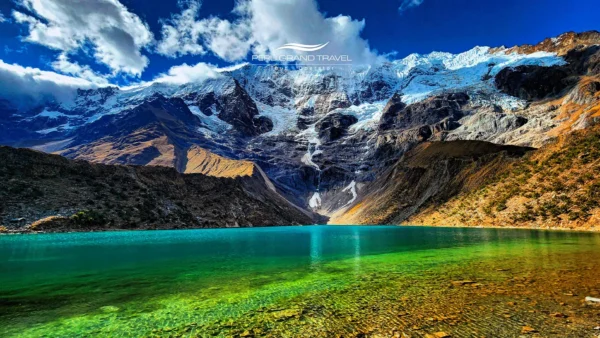
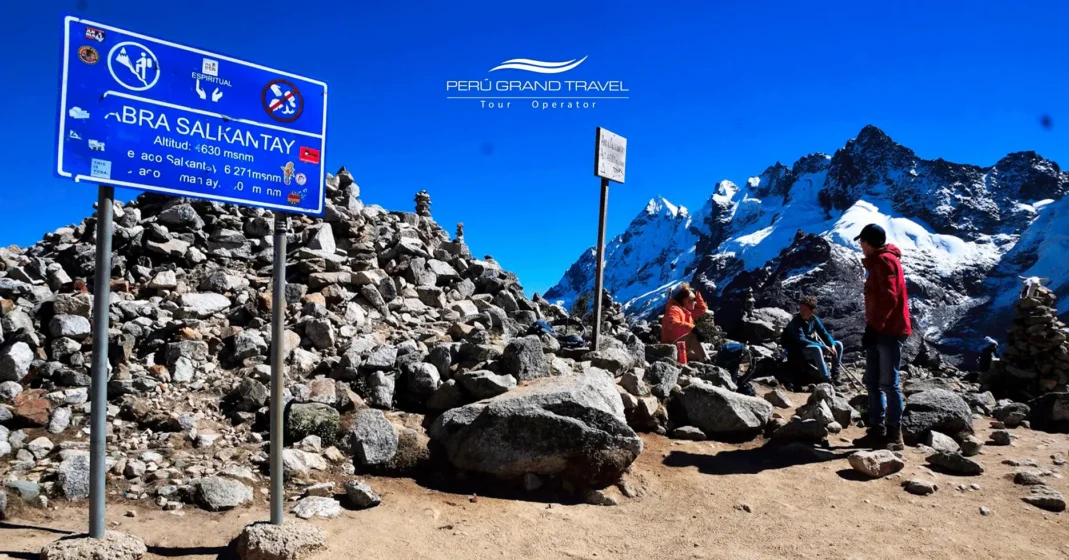
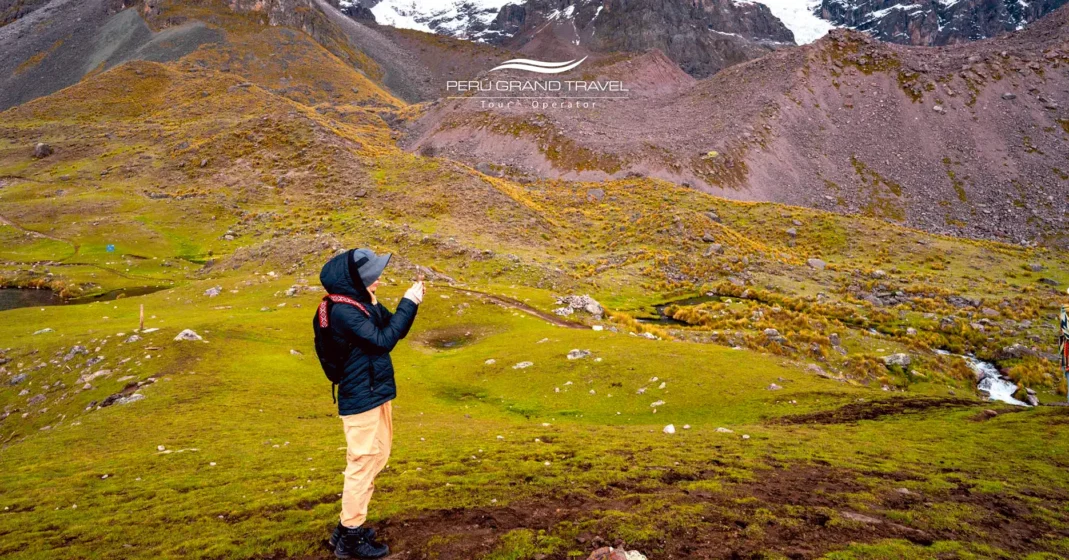
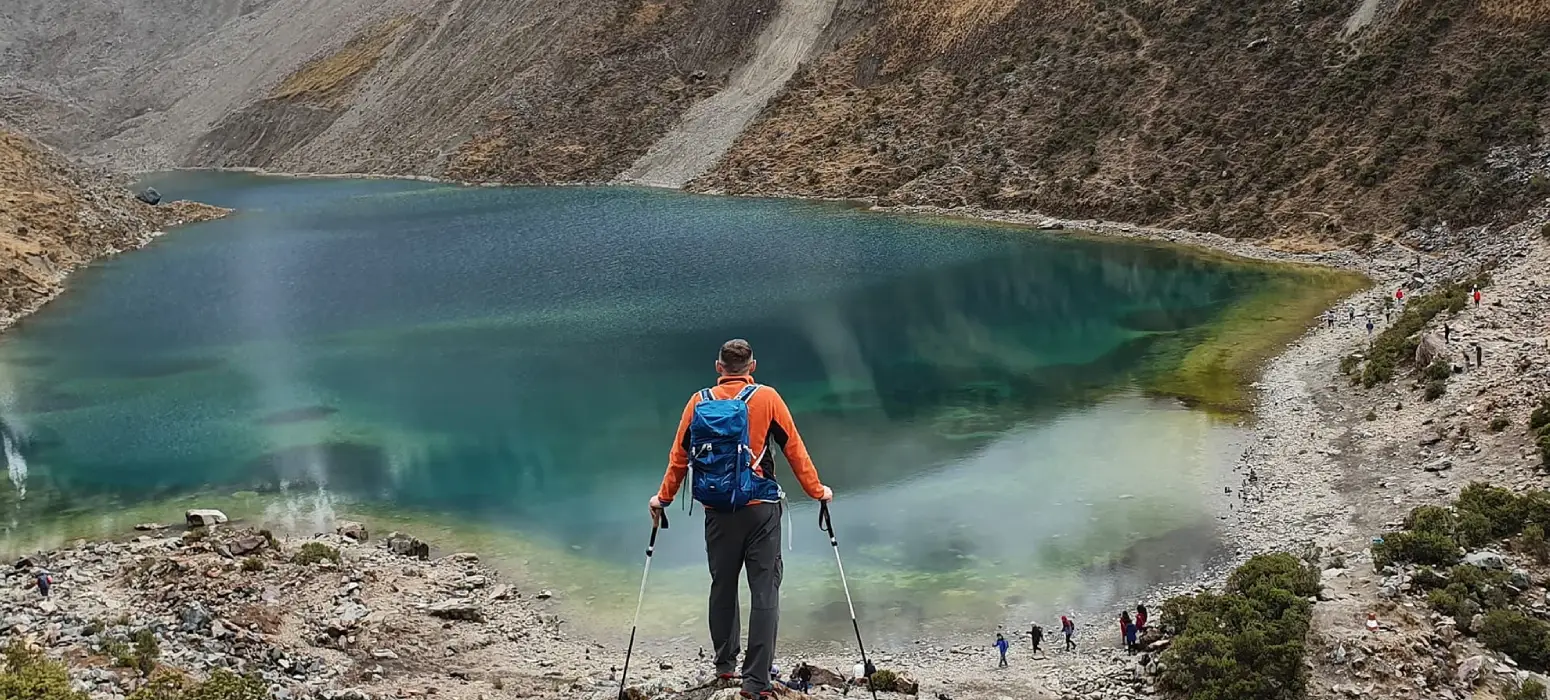
- Why?: Because of the contrast. On day one, you are hiking towards the Humantay Lake, a turquoise jewel sitting at 4,200 meters. By day two, you are crossing the Salkantay Pass at 4,600 meters (15,090 ft) with the snow-capped Apu Salkantay looming over you. It is cold, it is harsh, and it is magnificent. But by day three? You are descending into the cloud forest, surrounded by coffee plantations, orchids, and parrots.
- Best for: Nature lovers and those who want high-mountain challenges without permit restrictions.
- The Vibe: “National Geographic” expedition.
The Lares Trek: The Weaver’s Way – 4 Days
I often recommend this to my clients who say, “I want to meet the real people of the Andes.”
The Lares trek is less about ruins and more about living culture. You walk through remote valleys where queues don’t exist. You pass through communities where families still dress in traditional red ponchos and herd alpacas, just as their ancestors did centuries ago. There is a profound silence here that you don’t find on other treks to Machu Picchu. Plus, it ends with a train ride to Aguas Calientes, giving you a touch of comfort before the big day at Machu Picchu.
- Best for: Cultural immersion and avoiding crowds.
- The Vibe: Authentic, quiet, and deeply human.

The Inca Jungle Trek: Adrenaline & Hydroelectric – 4 Days
This is the “backdoor” to Machu Picchu, often favored by the younger crowd or the young at heart. It is not just a hike; it is a multisport adventure.
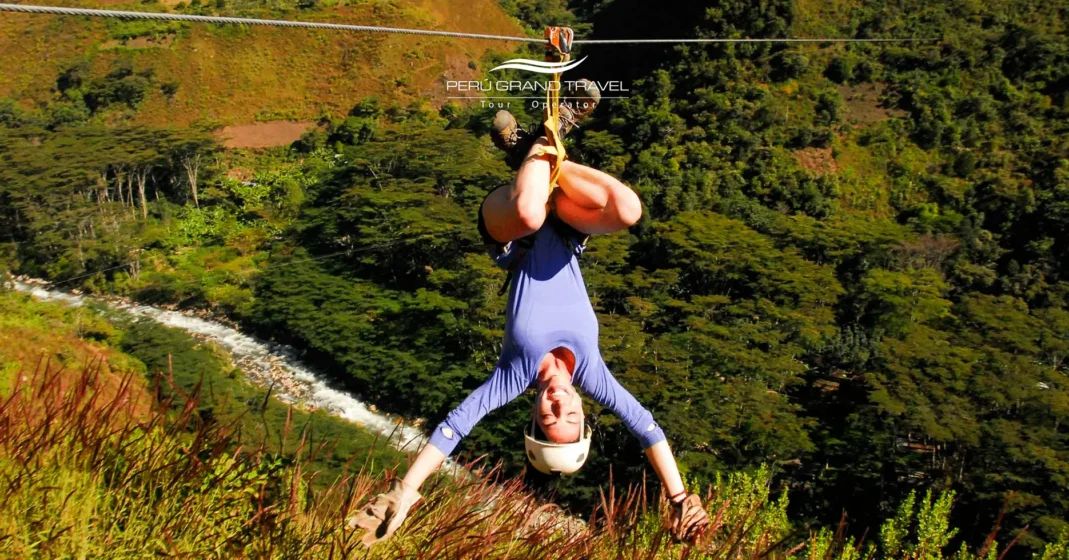
Imagine biking downhill from the snowy Abra Malaga pass to the jungle floor, then rafting on the Urubamba River, and finally hiking along the train tracks from the Hydroelectric station. It is fun, it is chaotic in the best way, and it is significantly lower in altitude than the other routes of the Treks to Machu Picchu.
Best for: Adrenaline junkies and those on a budget.
The Vibe: High energy and tropical heat.
Choquequirao to Machu Picchu: The Epic Odyssey – 8-9 Days
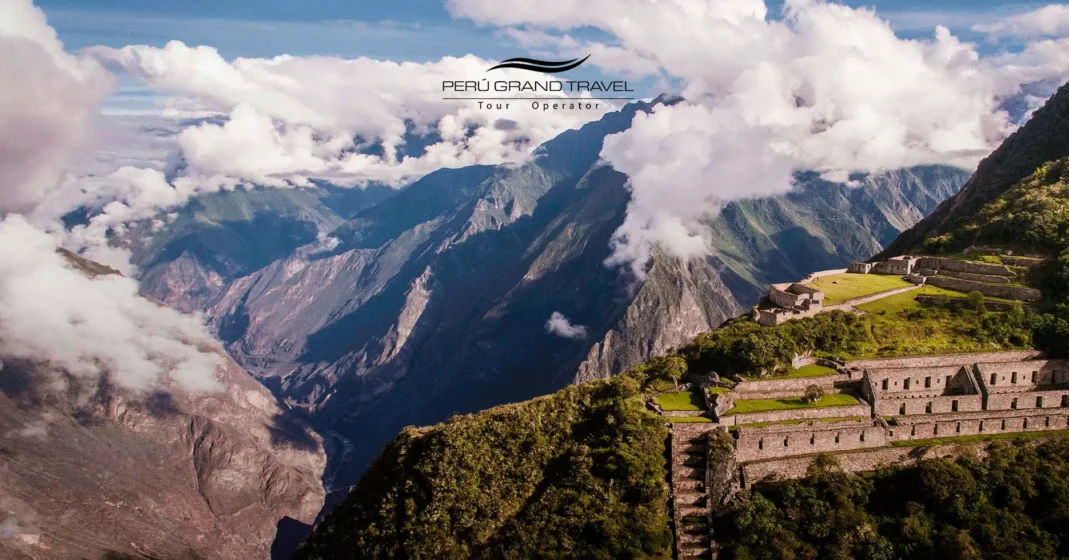
Choquequirao, often referred to as Machu Picchu’s “Sister City,” is one of the most impressive archaeological complexes in the Andes. In scale, it is even larger than Machu Picchu. Yet it receives only a tiny fraction of its visitors, simply because getting there demands time, endurance, and commitment.
Connecting these two lost cities means descending deep into the Apurímac Canyon — twice — and climbing back out under the Andean sun. Days are long. Elevation changes are relentless. This is not a trek you “squeeze in” to an itinerary.
And that is precisely the point.
Those who reach Choquequirao are rewarded with something increasingly rare in modern travel: absolute solitude among monumental ruins. No crowds. No queues. No noise. Just stone terraces, condors circling overhead, and the quiet sense that you have earned your place there.
Travelers who have completed this route often say the same thing:
Standing alone in Choquequirao feels like discovering Machu Picchu for the first time — before the world arrived.
It’s a luxury that money cannot buy. Only effort can. A feeling typical of other options, treks to Machu Picchu.
Expert Tips for Your Andean Adventure in the Treks to Machu Picchu
Planning trips to Machu Picchu requires a bit of that “concierge” touch. Here are a few things I always tell my friends:
- Book Your Permits Early: Whether it is the 2-day or 4-day Inca Trail, permits sell out 6-12 months in advance.
- Invest in Good Socks: In the world of trekking, your footwear is your most important asset. Do not skimp on high-quality wool socks.
- Respect the Elevation: I cannot stress this enough. Drink plenty of water and perhaps try the local mate de coca (coca tea) to help your body adjust.
Before I let you go, pack your bags. Here are a few refined tips that you won’t find in the standard brochures:
- Boots matter: Do not bring brand-new boots. Break them in at home. A blister at 4,000 meters is a tragedy.
- Cash is King: In the remote villages of Lares or Salkantay, your Platinum Amex is useless. Carry Soles (Peruvian currency) for water, snacks, and tips for the porters.
- The “Ah-ha” Moment: On the Salkantay trek, there is a coffee plantation visit. Buy the coffee. It is organic, roasted right there, and supports the local family directly. It tastes like heaven.
For a truly comprehensive deep dive into the logistics of the most famous route, I invite you to explore our Inca Trail to Machu Picchu Guide 2026. It covers the nuances of permits, packing lists, and day-by-day itineraries that every traveler needs to know.
Did you know that Machu Picchu sits at a lower elevation (2,430m) than Cusco (3,400m)? This is why many travelers find they breathe easier once they finally reach the sanctuary after their hike!
What is the easiest trek to Machu Picchu?
“Easiest” is a relative term in the Andes, my friend. We are still at altitude. However, if you want the experience of hiking without the suffering of sleeping in freezing tents that the extensive treks to Machu Picchu feature, there are elegant solutions.
The Short Inca Trail – 2 Days
I consider this the “Smart Casual” of trekking. You take the train to Km 104, hike for about 6 hours visiting the magnificent Wiñay Wayna ruins, and arrive at the Sun Gate in the afternoon. Then? You go down to your hotel, shower, have a nice dinner, and visit Machu Picchu the next day. It is perfect.
Huchuy Qosqo Trek – 2 or 3 Days
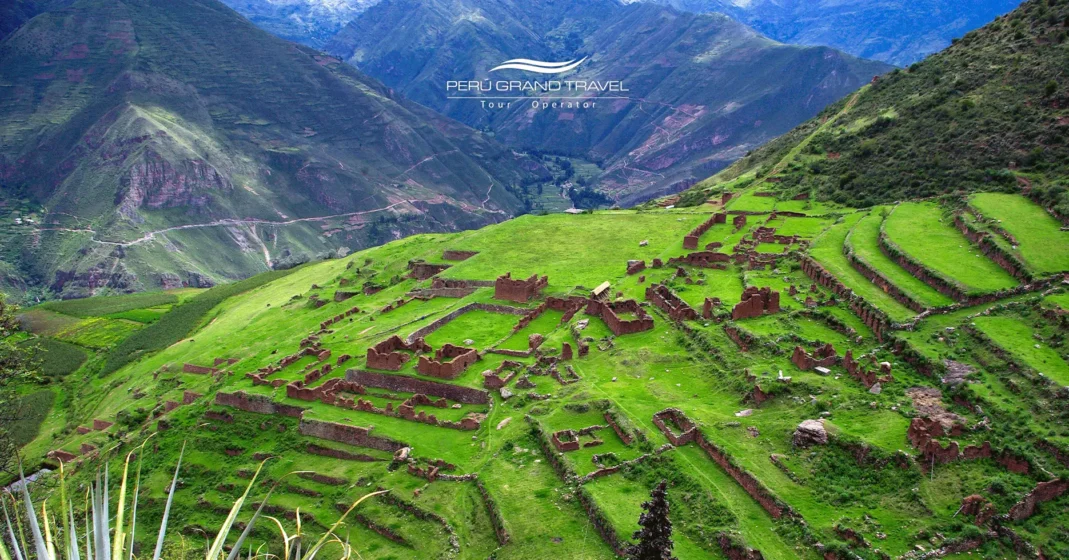
This is a hidden gem. Huchuy Qosqo (“Little Cusco”) is an archaeological site perched on a cliff above the Sacred Valley. The hike is moderate, offers spectacular views of the Urubamba range, and connects easily to Ollantaytambo to catch the train.
Did you know? You can hike to Machu Picchu even if you’re a beginner. You don’t need to be a top athlete. I’ve seen 65-year-old grandmothers and 10-year-old children complete these hikes. The secret isn’t speed, but pace. As we say in Cusco: “Slow and steady wins the race.”
Comparative Table: Choosing Your Adventure
To make your life easier—because a good host always simplifies things—here is a direct comparison of the top options.
| Feature | Salkantay Trek | Lares Trek | Inca Jungle | Classic Inca Trail |
| Duration | 5 Days | 4 Days | 4 Days | 4 Days |
| Difficulty | High (Challenge) | Moderate | Moderate/Fun | High (Technical) |
| Primary Scenery | Glaciers & Jungle | Villages & Lakes | Jungle & River | Ruins & Cloud Forest |
| Crowd Level | Medium | Low | Medium | High (But Regulated) |
| Permit Required? | No (Flexible) | No (Flexible) | No (Flexible) | YES (Strict) |
| Arrival | Aguas Calientes | Aguas Calientes | Aguas Calientes | Sun Gate (Direct) |
Note how the Classic Inca Trail is the only one with direct arrival. That is why permits vanish so quickly.
What is the best month to hike to Machu Picchu?
Timing is everything. You don’t want to be hiking Salkantay in February, believe me. The rain turns the path into a mudslide, and the clouds obscure the peaks.
The Dry Season | May to September
This is the “Golden Time.” The skies are an impossible blue, the nights are crisp (and freezing), but the views are guaranteed. June and July are the peak. It’s festive, but busy.
The Shoulder Season | April, October, November
This is my personal favorite secret. The landscape is greener from the rains, it is warmer at night, and there are fewer people. You might get an afternoon shower, but it passes quickly.
When NOT to go? | Frebruary
The Inca Trail is closed for maintenance. Salkantay is dangerous due to landslides. If you travel in February, stick to the Sacred Valley tours and the train.
Did You Know? Even in the rainy season, Machu Picchu is stunning. The clouds dancing around the Huayna Picchu peak give it a mystical atmosphere that you don’t get under the full sun. It’s moody, it’s dramatic—it’s very photogenic.
How fit do you need to be to do one of the treks to Machu Picchu?
Let’s address the elephant in the room. Or rather, the alpaca in the room.
You need to be healthy. That is the baseline. But more than muscle, you need a heart and lungs that can adapt to oxygen scarcity.
- Cardio is King: Walking, running, or swimming months before your trip helps.
- Leg Strength: Squats are your best friend for the downhill sections.
- Mental Grit: When you are tired, wet, or out of breath, it is your mind that keeps you moving.
Important advice: Respect the altitude. Spend at least 2 days in Cusco or the Sacred Valley before starting ANY trek. Drink the coca tea. Eat light. Let your body understand where it is.

Frequently Asked Questions (FAQ)
Here are the quick answers to the questions I get asked just before departure.
What is the cheapest trek to Machu Picchu?
The Inca Jungle Trek or the Salkantay Trek (if done in a large group) are generally the most affordable options. They don’t require the expensive permit of the Classic Inca Trail.
Which is better, circuit 2A or 2B in Machu Picchu?
Ah, the circuits. For the classic “postcard photo,” Circuit 2A is generally superior as it covers the upper platform more extensively. However, both give you the classic view. If you trek, you usually get a specific circuit assigned, so check with us first.
What vaccines do I need for Machu Picchu?
Technically, none are mandatory for entering Machu Picchu itself. However, if you are doing the Inca Jungle or visiting the Amazon later, Yellow Fever is highly recommended. Always consult your doctor at home.
How many days do you need in Machu Picchu?
To see the citadel properly? One day is enough. But for the whole experience (Cusco + Acclimatization + Trek), you need a minimum of 7 days in Peru.
Can a beginner climb Machu Picchu?
Yes. If you mean hiking to it via a trek, the Short Inca Trail is very beginner-friendly. If you mean walking inside the ruins, it is accessible to anyone who can walk stairs.
Which trek is best for avoiding crowds?
Without a doubt, the Choquequirao route or the Lares Trek. On these routes, you might walk for hours without seeing another tourist group. It is just you and the Andes.
Before Your Trip
Choosing between the various treks to Machu Picchu is the first step toward a lifelong memory. Whether you find yourself on the royal path of the Inca Trail or the high passes of Salkantay, know that the mountains have a way of changing you.
Remember, if you decide that the original experience is what you want—and you are willing to plan—checking the availability for the Classic Inca Trail should be your very next click.
Whatever you choose, Peru Grand Travel will be here to ensure your boots get muddy, but your pisco sour is always perfectly chilled at the finish line.
See you in the mountains.
We invite you to explore our Inca Trail packages! Your experience in Peru is just one step away! Contact us now and start living the unique experience you’ve always dreamed of.
More information:
- Visit our English website: Peru Grand Travel
- Visit our Spanish website: Viajes Machu Picchu Tours
- Visit our Portuguese website: Machu Picchu Pacotes

Experiences

Machu Picchu Challenge 8D/7N
Cusco, Sacred Valley Humantay Lagoon, Rainbow Mountain & Machu Picchu.
View Tour
Colonial Lima and Sacred land of the Incas 7D/6N
Lima, Cusco, Sacred Valley & Machu Picchu.
View Tour