I remember perfectly the first time I felt the weight of Peruvian history in my hands. I was in a small atelier in the San Blas neighborhood of Cusco. The air had that characteristic scent of old cedarwood and damp wool. While talking to a master weaver, whose hands looked like maps of centuries of tradition, he handed me a piece of Andean art that wasn’t just a fabric; it was a code.
Table of Contents
“Every stitch is a mountain, every color is a god,” he told me with a smile that carried the wisdom of someone who has seen the sun rise over the Sacred Valley thousands of times. In that moment, as your host, I understood that traveling through Peru without understanding its artistic legacy is like reading a book of poetry in a language you haven’t mastered.
If you are looking for an experience that transcends the basic and touches the extraordinary, this guide is for you. We are going to dive into the secrets of Andean art, from the shadows of pre-Columbian pyramids to the golden glow of colonial churches. Prepare your coffee, settle into your armchair, and let me guide you through this sensory journey. The gallery is open. Let’s go inside.
What is pre-Columbian Andean art? | Roots of the Earth
Before the first European brush touched a canvas in the Andes, Andean art was already complex, functional, and deeply sacred. The concept of “art for art’s sake” did not exist; everything beautiful also had a practical or religious purpose.
Ceramics | Clay Andean Art
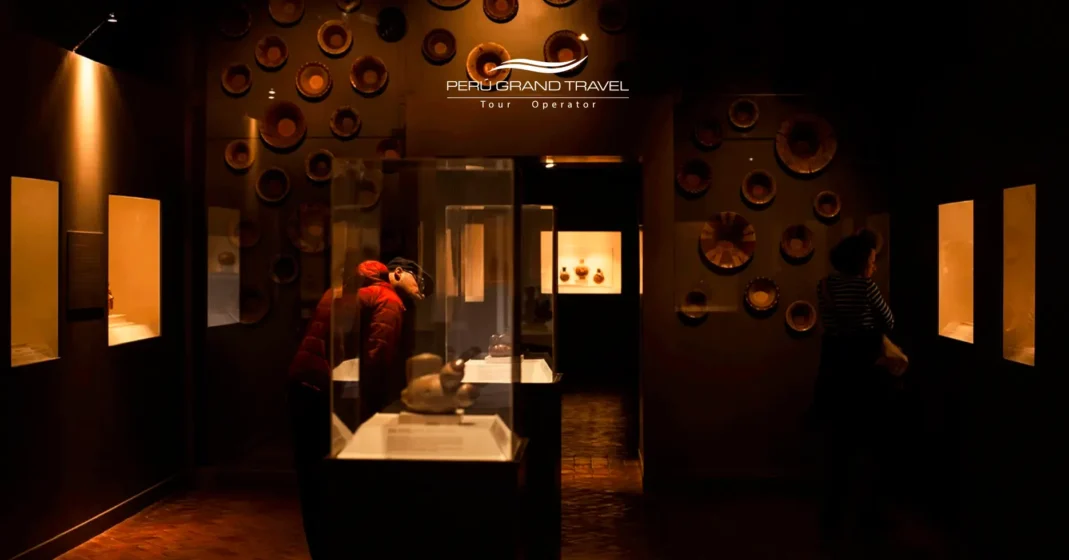
Clay was the canvas for the most ancient cultures. If you travel to Northern Peru, you will see Moche ceramics, which were so realistic they functioned as a clay “history book,” portraying diseases, wars, and daily life. In the South, Inca ceramics (aryballos and urpus) were geometric and focused on imperial utility. Today, clay remains a major force in modern Andean art, especially in the famous pottery and the “Toritos de Pucará” (Pucará Bulls) that adorn Cusco’s rooftops for good luck.
To find out where to get the best recreations today, check out our guide on local crafts in Cusco.
DID YOU KNOW?
Threads That Speak: In the ancient Inca Empire, there was no written language. They used Quipus (a system of colored wool cords and knots) to record everything from taxes to stories. Andean textile art was, quite literally, the literature of the era!
What was the Cusco School of Art? | The Fusion of Worlds
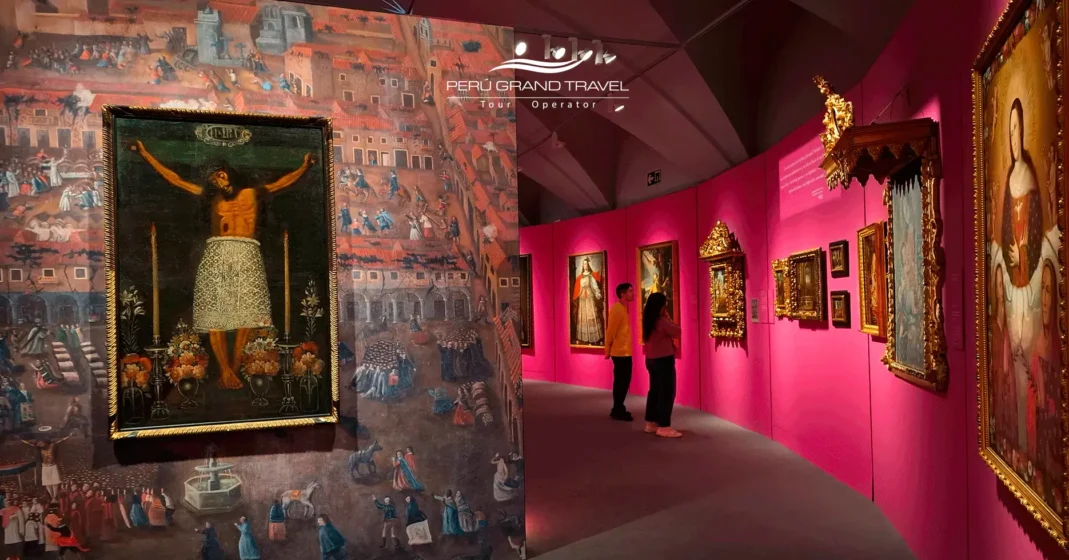
This is the crown jewel of colonial Andean art. When the Spanish arrived, they needed to convert the local population to Catholicism. Their primary tool? Painting. They brought European canvases, but the magic happened when indigenous and mestizo artists learned the techniques but began painting what they saw around them.
The “Eminent Scholar of Andean Colonial Art” Reveals:
Any respected scholar will tell you that the Escuela Cusqueña is not a mere copy of Europe; it is an artistic rebellion.
- The Style: It is characterized by the abundant use of brocateado (gold leaf applied over the saints’ clothing, reminiscent of Inca wealth), a lack of linear perspective (giving it a flat, mystical feel), and the inclusion of native flora and fauna.
- The Hidden Message: Looking at a painting of the Last Supper in the Cusco Cathedral, you won’t see a lamb on Jesus’s table, but rather a roasted Cuy (guinea pig). The Virgin Mary often has a triangular shape (wide skirt), symbolizing an Apu (a sacred Andean mountain).
Andean art became a way for locals to worship God and Pachamama simultaneously at the same altar.
Where can I experience the essence of Andean art and culture? | Music and Movement
Andean art is not static. It breathes and moves. For the traveler who wants to feel the heart of the Andes beat, music and dance are the primary vehicles.
- Centro Qosqo de Arte Nativo: This is the most respected institution for seeing the authentic choreography of Andean art. Far from the performances made only for tourists in restaurants, here you watch the folk ballet that preserves centuries-old dances. It is an explosion of colors, wind instruments (zampoñas), and rhythm. Learn how to include this experience by reading about the Centro Qosqo de Arte Nativo.
For Travelers: Why does Andean Art fascinate international visitors?
I perfectly understand the enchantment that Andean art holds. For many travelers from the U.S. and Europe, the contrast is electrifying. Visitors to the Andes often seek that “earthy” connection.
- The Colors: While you might love tropical vibrancy, the colors of Andean textile art come from the mountain (ochre, cochineal carmine, intense yellows from local flowers). It is an aesthetic that warms the eyes.
- The Apparel: The fascination with alpaca clothing from Peru is remarkable. It is the perfect tactile luxury that blends hand-woven art with the elegance required for the Andean climate.
Andean art speaks a universal language: the language of mixture, color, and passion.
ADVICE GRAND
The Art of Gold and Silver: Peru is the king of silver filigree. If you want to take home a wearable piece of Andean art, invest in 950 silver jewelry with spondylus shell inlays and local gemstones (like chrysocolla). Discover exactly where to find them in our guide on where to purchase souvenirs in Peru.
On which tours can I appreciate true Andean Art?
Peru Grand Travel does not just organize transfers; we design cultural immersions. If Andean art is the focus of your trip, here are the routes that will transform your experience:
1. The Andean Baroque Tour | The South Valley Route
This is the pinnacle for art lovers. It takes you off the classic stone-circuit and places you at the epicenter of colonial painting.
- What to See: The absolute highlight is the Andahuaylillas Church. Nicknamed the “Sistine Chapel of the Andes,” its modest adobe exterior hides an interior where the walls and ceiling explode with frescoes and gold leaf. The Mudéjar ceiling is a masterpiece of color and geometry.
- The Experience: You will visit three rural churches (including Huaro) with an expert guide who will decode the hidden symbolism (syncretism) on the walls. Learn more details in our Cusco Baroque Tour.
2. Cusco City Tour | The Encounter of Worlds
The most luxurious way to begin understanding the imperial capital.
- What to See: The Cusco Cathedral and the Qorikancha Temple. The Cathedral houses over 400 original paintings from the Cusco School.
3. The Weavers’ Route | Sacred Valley
To understand Andean textile art in action.
- What to See: The village of Chinchero. Here, local women demonstrate the entire pre-Columbian process, from shearing the alpaca to dyeing with roots and weaving on backstrap looms.
For the collector or curious traveler, here is how Andean art is categorized:
| Artistic Discipline | Principal Era | Visual Highlight | Where to Appreciate / Buy |
| Cusco School Painting | 16th – 18th Centuries | Intense use of gold leaf (Brocateado), blending Catholic saints with Andean flora. | Cusco Cathedral, Andahuaylillas Church. Replicas in San Blas. |
| Textiles (Weaving) | Pre-Columbian to Present | Geometric patterns containing calendars and local symbols (Apus, animals). | Chinchero, Taquile Island (Puno). Kuna or Sol Alpaca stores. |
| Moche Ceramics | 100 AD – 700 AD | Realistic vessels (Huacos Retratos), erotic and warfare pottery. | Larco Museum (Lima). |
| Colonial/Modern Ceramics | 16th Century to Present | “Toritos de Pucará” (ornamental clay bulls for home protection). | Cusco and Puno markets. |
DID YOU KNOW?
The intense blue color used in many Cusco School paintings came from a stone called lapis lazuli, which was imported from enormous distances. Having a painting with a lot of blue was a sign of supreme prestige, both for the artist and the patron who commissioned the work.
Taking Art Home: Smart Shopping
Buying a souvenir in Peru is a way to support the continuity of Andean art. However, luxury requires discernment. In the Plaza de Armas, you will find many mass-produced replicas. If you desire true quality, head to the San Blas neighborhood in Cusco.
- There, artisan families like the Mendívil family still carve their famous long-necked angels using techniques passed down through generations. To discover the boutiques and markets that we at Peru Grand Travel trust, explore our catalog on where to buy souvenirs in Peru.

Frequently Asked Questions | FAQ
As your cultural host, I anticipate some of your most frequently asked questions before you embark on your immersive journey:
1. What characterizes Andean art in the pre-Columbian era?
Pre-Columbian Andean art was eminently utilitarian and religious. It stands out for its excellence in metallurgy (gold and silver work for rituals), the hyper-realistic ceramics of the coast (Moche and Nazca cultures), and the intricate Paracas and Inca textile art, where fabrics were often more valuable than gold.
2. What is the main difference between Cusco School painting and European painting?
The Cusco School introduced “religious syncretism.” Indigenous and mestizo painters fused Catholic themes imposed by the Spanish with native Andean beliefs. The abundant use of gold leaf (brocateado), the absence of strict 3D perspective, and the inclusion of pumas, llamas, and hidden sacred mountains make it unique in the world.
3. Is authentic Andean art still produced today?
Absolutely! Andean art is not just the past; it is a living culture. Andean textile art in villages like Chinchero or on Taquile Island (Puno) follows the same millenary techniques. Woodcarvers in San Blas, Cusco, still operate ancient family workshops.
4. Can I take photos inside the churches on the “Andean Baroque Tour”?
Generally, no. In jewels like the Andahuaylillas Church, flash photography and videos are strictly prohibited inside the temple to preserve the ancient integrity of the frescoes and gold leaf from photodegradation. However, our guides will ensure the descriptions are etched into your memory.
5. Where can I find the best collection of pre-Columbian ceramics in Peru?
The undisputed king of pre-Columbian Andean art in this regard is the Larco Museum in Lima. It houses thousands of pieces meticulously cataloged in an 18th-century mansion, also famous for its “erotic gallery.” Read more about it in our master article: Museums in Peru.
A Canvas Woven with History
My friend, Andean art is not confined behind glass. It is the fabric that binds modern Peru to its imperial past and spiritual roots. When you wrap yourself in a Baby Alpaca pashmina, admire the gold in a painting within a dark church, or place a “Torito de Pucará” on your shelf, you are participating in the preservation of one of humanity’s most resilient cultural expressions.
At Peru Grand Travel, we believe true exclusivity lies in deep knowledge. Our bilingual guides are more than just drivers; they are decoders of this heritage, ensuring that Andean art comes to life before your eyes with the passion of those who live it daily.
Are you ready to read the walls of the Andes?
Contact us today and allow us to structure the most moving cultural itinerary of your life. And to ensure you look elegant while absorbing all this culture, consult our indispensable guide: What to wear in Peru.
The Andean gallery awaits you. And the masterpieces, believe me, are grand.

Experiences

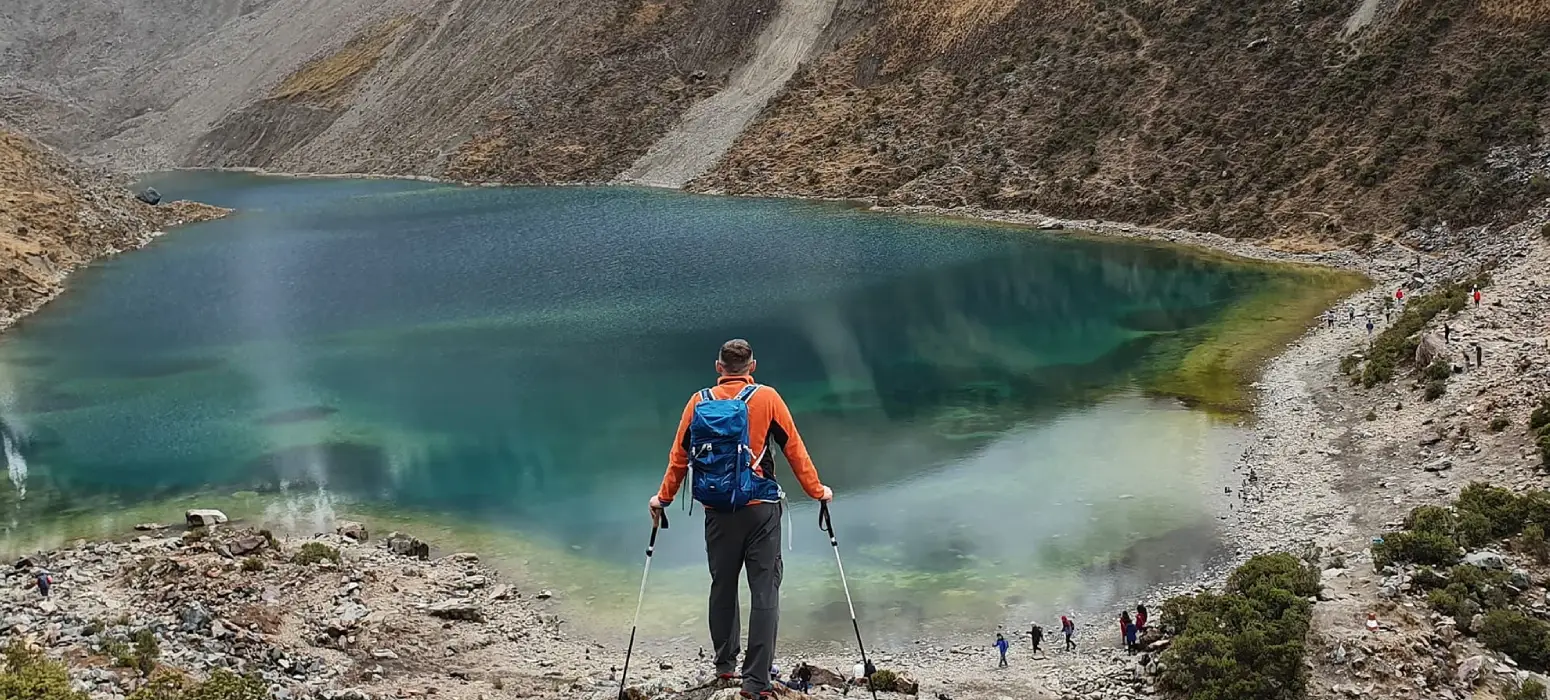
Machu Picchu Challenge 8D/7N
Cusco, Sacred Valley Humantay Lagoon, Rainbow Mountain & Machu Picchu.
View Tour
Colonial Lima and Sacred land of the Incas 7D/6N
Lima, Cusco, Sacred Valley & Machu Picchu.
View Tour