

Discover the magic of Alpaca Clothes Peru. Learn where to shop, how to spot real wool, and why baby alpaca is the most coveted luxury fiber in the world.
I remember the first time I truly felt the soul of the Andes. It wasn’t just standing before the monolithic beauty of Machu Picchu; it was inside a small, dimly lit atelier in the San Blas district of Cusco. I ran my hand over a throw draped across a polished cedar table. It felt like a whisper of a cloud, a texture so impossibly soft and warm that it seemed to possess its own heartbeat. That was my introduction to the real Alpaca Clothes peru.
As your Anfitrión Cosmopolita, I’ve walked the cobblestones of Cusco a thousand times, from the high-end boutiques of the Plaza de Armas to the hidden weaving communities in the Sacred Valley. I’ve learned that buying alpaca isn’t just a transaction; it’s an initiation into an 8,000-year-old legacy. If you are seeking the finest Alpaca Clothes peru, you are looking for more than a garment—you are looking for a piece of the sun, woven by the hands of masters.
What makes Alpaca Clothes Peru the ultimate luxury souvenir?
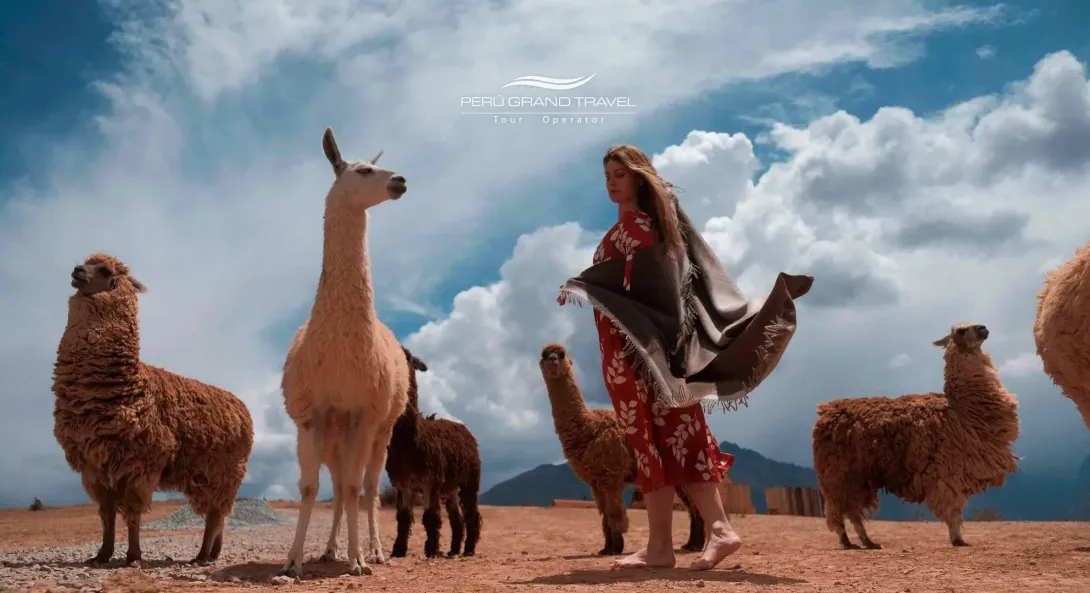
When we talk about Alpaca Clothes peru, we are talking about “The Fiber of the Gods.” For the Incas, alpaca wool was a currency of status, reserved only for royalty. Today, that exclusivity remains. The most sought-after variety is Baby Alpaca. Despite the name, it doesn’t come from a baby animal; it refers to the very first shearing of an adult alpaca, usually from the chest area where the fiber is at its finest (around 19 to 22 microns).
The luxury of Alpaca Clothes peru lies in its unique properties. It is seven times warmer than sheep’s wool, completely hypoallergenic (as it lacks lanolin), and possesses a natural luster that doesn’t fade. When you step into a high-end shop and feel a genuine baby alpaca sweater, there is a weightless warmth that synthetic fibers simply cannot replicate. It is the perfect marriage of ancient heritage and modern “Bon Vivant” sophistication.
Where can you find authentic alpaca clothes from Peru?
Navigating the markets of Cusco to find genuine alpaca clothes from Peru can be a sensorial adventure. If you wander through the San Blas neighborhood, you’ll find small galleries where the scent of cedar and aged silver fills the air. However, you must be discerning.
For the most authentic experience, I always suggest starting your journey by exploring the broader world of local crafts in Cusco. Understanding the local craftsmanship helps you appreciate why a master weaver might spend weeks on a single poncho. While the San Pedro Market is iconic for its vibrant energy and budget finds, those looking for investment pieces should head to specialized boutiques or visit the communities directly.
ADVICE GRAND
If a vendor tells you a sweater is “100% Baby Alpaca” for $20 USD, be skeptical. Real alpaca has a cool touch initially and a specific “drape” or weight. Most cheap market finds are “Alpaca-blend,” which often contains more acrylic than wool.
What is the average price of alpaca clothing in Peru for high-quality pieces?
When you are looking for the “Gobernante” experience—where quality is non-negotiable—the alpaca clothing peru price reflects the labor and rarity of the material. A high-quality, 100% Baby Alpaca sweater in a reputable Cusco boutique typically ranges from $120 to $300 USD. If you move into the realm of Vicuña (the rarest fiber in the world), prices can jump into the thousands.
To help you plan your shopping budget, consider this comparison:
Why are alpaca clothes made in peru so essential for Andean trekking?
For the “Explorador” who is ready to tackle the Classic Machu Picchu trek, alpaca clothes made in peru are not just a fashion choice—they are a survival tool. The climate in the Andes is a fickle mistress; the sun can be scorching at noon, but the temperature drops below freezing the moment it hides behind a peak.
Alpaca wool clothing peru is thermally regulated. The fiber contains microscopic air pockets that allow it to breathe during the day while trapping body heat at night. Furthermore, it is naturally moisture-wicking and does not retain odors. I’ve worn the same alpaca base layer for three days on the Salkantay trek, and it remained as fresh as the mountain air. This performance is why discerning hikers prefer it over synthetic “tech-wear.”
FACT CURIOUS
Unlike sheep’s wool, alpaca fiber does not contain lanolin. This makes alpaca clothing made in peru completely hypoallergenic and means it doesn’t have that “sheepy” smell when it gets wet in the rain.
How can you distinguish genuine alpaca wool clothing peru from synthetic imitations?
As an expert who has spent years visiting Cusco’s markets, I’ve developed a “sixth sense” for quality. However, for the traveler, here are three infallible tests to ensure you are buying real alpaca wool clothing peru:
- The Temperature Test: Real alpaca feels cold to the touch when you first pick it up. Synthetic fibers feel warm or “room temperature.”
- The Burn Test: (If allowed!) Snip a tiny thread from the inside. Real alpaca smells like burning hair and turns to ash. Synthetic fibers smell like burning plastic and melt into a hard bead.
- The Weight and Drape: Real alpaca wool clothing peru is surprisingly heavy for its thickness. It doesn’t “bounce” like acrylic; it drapes elegantly.
Is Sol Alpaca clothing Peru worth the investment for international travelers?
For many of my guests seeking a “VIP Access” shopping experience, the brand Sol Alpaca clothing Peru is a frequent stop. Along with Kuna, these are the two giants of high-end Peruvian textiles. But is it worth it?
In my expert opinion, yes. Buying from established brands ensures that the animals were treated ethically and that the artisans were paid fair wages—a detail that resonates deeply with our “Gobernante” values of integrity and excellence. When you buy Sol Alpaca clothing Peru, you are guaranteed a certain micron count and a garment that will last a lifetime. It is the difference between a souvenir and a legacy piece.
DID YOU KNOW?
Peru produces over 80% of the world’s alpaca fiber. When you buy Alpaca Clothes peru, you are supporting a supply chain that sustains over 120,000 families across the high Andes.
Why is the demand for alpaca clothing from Peru soaring in the United States and UK?
In the boardrooms of New York and the galleries of London, alpaca clothes from Peru have become the symbol of “Quiet Luxury.” Anglophone markets are increasingly moving away from “fast fashion” and toward sustainable, ethical, and high-performance materials.
In the United States, travelers are looking for versatile pieces that can go from a flight to a business meeting. A baby alpaca blazer or a silk-alpaca blend wrap is the ultimate travel companion for the cosmopolitan woman or man. Meanwhile, in the UK, the “heritage” aspect of alpaca wool clothing peru—the fact that it is hand-finished by artisans on Craftsman’s Day—is highly prized. It represents a connection to a real person and a real place, which is the most valuable luxury of all in a digital world.
What are the most popular types of alpaca clothes you should buy?
If you are filling your suitcase with Alpaca Clothes peru, you want to choose versatile pieces that reflect the artistry of the region.
- The Ruana or Wrap: A timeless, one-size-fits-all piece that is perfect for the fluctuating temperatures of a flight.
- The Fine-Knit Cardigan: Essential for layering.
- Alpaca Socks: Don’t laugh—these are the secret weapon of every seasoned trekker. They keep your feet dry and blister-free.
- The Chullo: While more “touristy,” a high-quality chullo (hat with earflaps) made of royal alpaca is the most iconic piece of alpaca wool clothing peru.
FACT IMPORTANT
Alpaca fiber comes in 22 natural colors, ranging from snowy white to jet black and various shades of “vicuña” brown. Buying undyed alpaca clothes made in peru is the most eco-friendly choice, as it eliminates the use of chemicals.
The Sensory Journey: Shopping in Cusco’s Weaving Centers
To truly appreciate Alpaca Clothes peru, you must leave the city for a day. I often take my guests to the community of Chinchero. I remember sitting on a stone bench, watching a grandmother show my guests how she uses the root of a plant to create a rich purple dye.
The air smelled of woodsmoke and damp earth. She laughed as she showed us how the “S” twist in the yarn represented the lightning. This is the heart of local crafts in Cusco. When you wear a piece of Alpaca Clothes peru that you bought in a village, you aren’t just wearing wool; you are wearing her story, her laughter, and the spirit of the mountains.
Frequently Asked Questions | FAQ
1. How do I wash my alpaca clothes?
Never put your Alpaca Clothes peru in a washing machine. Hand wash in cool water with a mild baby shampoo. Lay flat to dry on a towel. Never hang it, or it will lose its shape!
2. Can I bring alpaca meat back to my country?
No, most customs regulations (especially in the USA and UK) prohibit the entry of meats. However, there are no restrictions on bringing back alpaca wool clothing peru.
3. Is “Baby Alpaca” really from babies?
No. As mentioned, it is a grading of the fineness of the fiber. It is the softest part of the adult alpaca’s coat.
4. What is the difference between Alpaca and Llama wool?
Llama wool is much coarser and is used mostly for rugs or heavy sacks. Alpaca Clothes peru are much softer and meant for wearing against the skin.
5. Why is Vicuña so much more expensive?
Vicuñas are wild animals that can only be shorn every three years. Their wool is the finest animal fiber in existence. A vicuña scarf is a “Gobernante” level investment, often costing $2,000 or more.
6. What is the difference between Suri and Huacaya alpaca wool?
Huacaya is the most common breed (about 90%), featuring fluffy, crimped wool that resembles a teddy bear. Suri alpacas have long, straight, silky dreadlocks. Suri fiber is rarer, silkier, and typically used in the most lustrous, high-end garments.
The Anfitrión’s Coda: A Legacy in Every Thread
My friend, as you prepare for your journey, remember that Peru is a privilege. Every stone in the walls of Cusco and every fiber in your Alpaca Clothes peru is a testament to a civilization that understood the value of excellence.
When you wrap yourself in that first alpaca shawl on a chilly Cusco evening, you will understand. You will feel the warmth that kept Incan kings comfortable and the softness that has charmed the fashion capitals of the world. At Perú Grand Travel, we don’t just show you the sights; we host you in the culture. We ensure that your search for the perfect souvenirs in Peru leads you to something that will last a lifetime.
Would you like me to arrange a private visit to a master weaver’s atelier in the Sacred Valley, where you can commission your own bespoke alpaca piece?