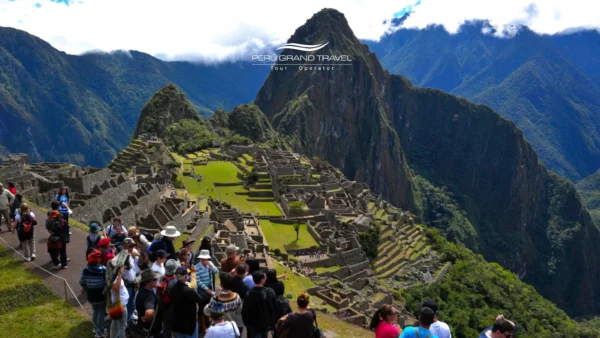
Welcome, traveler. Peru is not just a destination on a map; it is a pantry of epic proportions. From the Amazon jungle to the Andean peaks and the cold waters of the Pacific, our unique geography has birthed the most award-winning Peruvian food in the world.
Table of Contents
But how do you discover these flavors? You cannot simply walk into a tourist restaurant and expect to understand the soul of our country. You need to go to the markets where the caseras (market vendors) shout their offers, to the streets where grills smoke at dusk, and to the kitchens where Michelin-starred chefs transform forgotten ingredients into haute cuisine.
You need a curated food tour in Peru.
As your host at Perú Grand Travel, I have designed this guide to help you choose the perfect culinary experience. From the luxury of Lima to the rustic charm of Cusco, let’s explore the routes that will turn your trip into an unforgettable feast.
The table is set. Shall we begin?
Why should you take food tours in Peru? | The Privilege of the Palate
When our guests ask me, “Why should I pay for a food tour if I can just go to a restaurant?” my answer is always the same: context.
Eating ceviche in Miraflores is excellent. But walking through a fish market with a chef, learning to choose the right sea bass by its gills, squeezing key limes, and preparing the dish with your own hands while hearing the history of Japanese immigration to Peru… that is transformative.
- The Human Connection: Food tours in Peru connect you directly with farmers, fishermen, and chefs.
- Exclusive Access: Often, a luxury gastronomic tour guarantees tables at restaurants that usually require months of booking, or access to Huariques (hidden family-run gems) that generic tour guides ignore.
- The Fusion: You will understand, in practice, how Spain, Africa, China, and Japan shaped the plate in front of you.
To get a complete view of how to combine food with your sightseeing, read our comprehensive guide on Peru Tours.
DID YOU KNOW?
The Culinary Capital: Lima is frequently referred to as the gastronomic capital of the Americas. In recent years, the city achieved the unprecedented feat of having four restaurants in “The World’s 50 Best Restaurants” top 50 ranking.
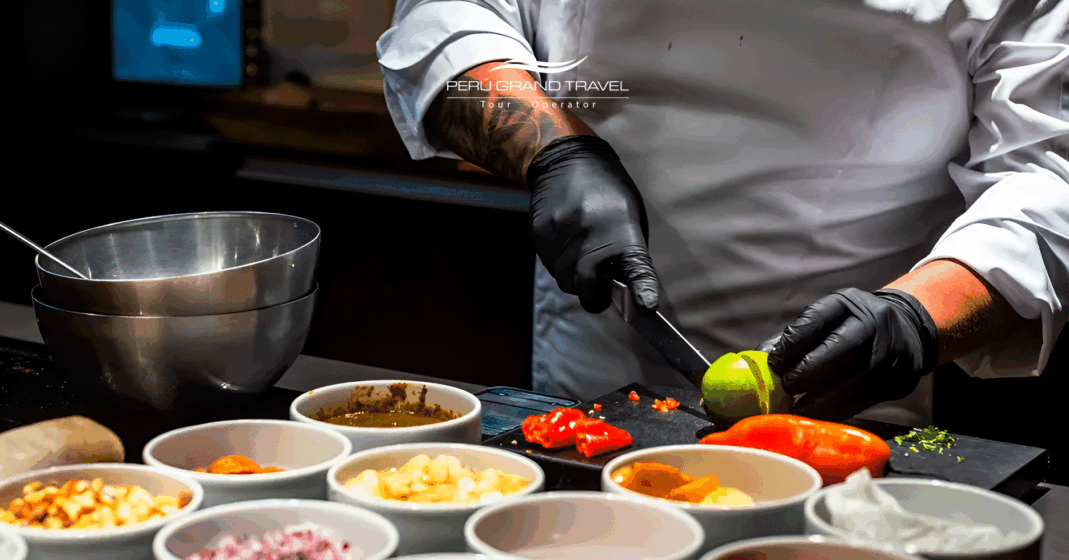
Best Food Itineraries in Lima | The Metropolis of Flavor
If your journey begins in Lima, your palate must be prepared. The city is the epicenter of the culinary revolution. Here are the experiences you cannot miss.
1. The Market Tour and Ceviche Class | The Classic
This is the “must-do” experience.
- The Itinerary: It starts at the Surquillo Market. Your guide, often a chef, will introduce you to exotic fruits like Lúcuma and Chirimoya. Next, you head to a professional kitchen with ocean views in Miraflores.
- The Experience: You will learn to make classic Ceviche and shake your own Peruvian Pisco Sour. I remember the surprise on a guest’s face when they discovered that leche de tigre (tiger’s milk) contains no dairy, but rather the citrus juice from the fish and lime. It is pure alchemy.
2. The Nikkei and Chifa Route | Asian Fusion
For cultural explorers.
- The Itinerary: A walking tour through select neighborhoods to taste Lomo Saltado (Peruvian-Chinese fusion) and Tiradito (Peruvian-Japanese fusion).
- The Experience: You will understand how Asian immigration transformed Peruvian food into the most complex cuisine on the continent.
3. Night Food Route in Barranco | Food and Bohemian Life
Barranco is the neighborhood of arts and chic bars.
- The Itinerary: A sunset walk, stopping at three different restaurants for an appetizer, main course, and dessert, finishing with signature cocktails in a colonial bar. It is romantic and sophisticated.
Food Itineraries in Cusco, Peru | The Heart of the Andes
While Lima shines on the Pacific, Cusco guards the flavor of the mountains. The cold weather, ancient stones, and altitude create a perfect setting for a cuisine that comforts the soul.
4. San Pedro Market and Street Food
If the term strictly dumpling authentic local food tour in Peru could be applied to our Andean reality, it would be this tour.
- The Itinerary: Navigating the chaotic and fascinating San Pedro Market. Tasting freshly baked bread in Oropesa, Andean cheeses, and the powerful Caldo de Gallina (chicken broth).
- The Street Food: At dusk, the tour takes you to safe corners where señoras grill Anticuchos (beef heart skewers) and fry Picarones (Andean donuts drizzled with chancaca syrup). It is authentic and delicious. Read more about these nightly delights in our guide to Peruvian Street Food.
5. The Pachamanca Experience | Ritual of the Earth
This is much more than a lunch; it is a ceremony.
- The Itinerary: Held in the Sacred Valley of the Incas. You will help local farmers heat volcanic stones and bury marinated meats (pork, lamb), potatoes, and fava beans under the earth.
- The Experience: Watching the “unearthing” of the food, wrapped in aromatic herbs like huacatay, is witnessing living history. The smoky, rustic flavor cannot be replicated on any gas stove.
To understand the full list of flavors you will encounter, check our list of Typical Peruvian Dishes.
| Feature | Lima (The Coast) | Cusco (The Andes) |
| Flavor Profile | Citric, Fresh, Asian Fusion | Smoky, Earthy, Native Herbs |
| Key Ingredients | White Fish, Key Lime, Ají Limo | Potatoes (Thousands!), Quinoa, Giant Corn, Meats |
| Star Dish | Classic Ceviche | Pachamanca or Cuy (Guinea Pig) |
| Perfect Drink | Pisco Sour | Chicha Morada (Warm) or Coca Tea |

The Ultimate Luxury: Premium Gastronomic Itineraries
For the luxury traveler, Peru has no limits. Our Peru Vacation Packages can be fully designed around high-end cuisine.
6. The “Historic & Gastronomic Peru 10D” Package
If you want the ultimate experience, this is our Holy Grail.
- What’s Included: This package (Historic & Gastronomic Peru 10D) merges archaeological exploration (Machu Picchu and the Sacred Valley) with the most exclusive tables in the country.
- The Service: We handle the “impossible” reservations in Lima (months before your arrival). We organize a dinner aboard the luxurious Hiram Bingham train (1920s style) returning from Machu Picchu, featuring live music and gourmet Andean dishes paired with fine wine.
7. Pisco Tasting in Ica and Paracas
You cannot talk about Peruvian food without talking about our grapes.
- The Itinerary: A trip south of Lima to the sunny vineyards of Ica (the oldest wine route in South America).
- The Experience: Visit centuries-old Haciendas (like Tacama), walk through the vineyards, and enjoy a professional tasting of Pisco Puro and Acholado directly from the source. To understand the country’s devotion to this drink, read about the Pisco Sour Day 2026.
Hands-On: Cooking Classes and the Art of the Pisco Sour
Watching a Peruvian chef work is fascinating, but getting your hands dirty is where the true connection happens. Our most passionate travelers don’t just want to taste Peruvian food; they want to take it home as a skill.
The Alchemy of Peruvian Cooking | Cooking Classes
The best cooking classes in Peru start long before the stove is lit.
- The Market: The experience usually begins at a traditional market (like San Pedro in Cusco or Surquillo in Lima). Accompanied by your chef-instructor, you will learn to choose bright-eyed fish for the perfect ceviche, negotiate the price of purple corn (maíz morado), and identify different types of Andean peppers (ajíes).
- The Preparation: In a professional kitchen or a colonial house courtyard, you will learn the exact balance of Leche de Tigre and the wok technique to make flames jump for your Lomo Saltado.
- The Reward: The lunch that follows is the feast you prepared yourself, accompanied by stories of how each ingredient reached that pot.
Andean Mixology: The Pisco Masterclass
One does not cook in Peru without a cocktail in hand.
- The Science of the Pisco Sour: You will learn that Pisco is not just “brandy”; it is a noble spirit. The mixology class teaches the golden ratio (3-1-1) of Pisco, key lime juice (crucially different from Persian limes), and simple syrup. The magic happens when you vigorously shake the egg white to create that velvety foam, finished with three strategic drops of Angostura Bitters.
- Where to Do It: Luxury restaurants and specialized bars in Lima (like the Museo del Pisco, which also has a location in Cusco) offer private masterclasses. It is an interactive, sophisticated, and—we admit—quite lively experience!
Beyond Lima and Cusco: Other Cities for the Foodie Traveler
If your palate demands a complete expedition into the roots of Peruvian food, you must look beyond the capital and the “navel of the world.” Peru is a mosaic of regional flavors.
Arequipa: The Tradition of “Picanterías”
The “White City” is not only famous for its volcanoes and volcanic stone (sillar) architecture; it is the guardian of traditional southern cuisine.
- The Experience: Visiting an authentic Arequipenian Picantería. These are historic institutions managed by “picanteras” (matriarchs who guard centuries-old recipes).
- What to try: Rocoto Relleno (an intense red pepper stuffed with meat and topped with melted Andean cheese) and Chupe de Camarones (a thick, luxurious soup made with giant river shrimp, milk, and cheese). It is food that embraces the soul.
Ica and Paracas: The Cradle of Pisco and Desert Flavors
A few hours south of Lima, the landscape shifts to giant dunes and oases. This is the land of eternal sun.
- The Wine and Pisco Route: Ica houses the oldest wineries (bodegas) in South America, such as the legendary Tacama. A food tour here focuses on tasting pure wines and Piscos while walking among the vines.
- Afro-Peruvian Gastronomy: The region (especially the neighboring province of Chincha) is famous for Carapulcra con Sopa Seca—a dense dehydrated potato stew served with seasoned noodles, traditionally cooked over a wood fire. Eating this in Ica after a morning exploring the Ballestas Islands is a genuinely local experience.
The North | Trujillo and Chiclayo: Moche Flavors
If you venture along the Moche Route, you will discover a vibrant coastal cuisine completely different from Lima’s.
- What to try: Ceviche Norteño (often served with zarandaja beans instead of corn) and Seco de Cabrito (a tender goat meat stew marinated in chicha de jora—corn beer—and cilantro). It is the cuisine of the heat and ancient adobe pyramids.
When to take a Food Tour in Peru? | The Weather Compass
The climate dictates what you eat and how you travel. If you are planning When to travel to Peru, take the gastronomic calendar into account.
- The Golden Era | May to October: The dry season in the Andes. Days are crystal clear, perfect for an outdoor Pachamanca in the Sacred Valley.
- Coastal Summer | December to March: The perfect time to be in Lima. The heat calls for fresh ceviche, seafood, and chilled cocktails facing the ocean.
- Festivals: If your trip coincides with Festivals in Peru 2026 (like Inti Raymi in June), you can try seasonal festive dishes like Chiriuchu (a traditional cold feast served only during this time in Cusco).
GRAND ADVICE
The Altitude Rule: When taking food tours in Cusco, avoid excessively heavy meals or large amounts of alcohol on your first day. Digestion slows down at 11,150 feet (3,400 meters). Save the heavy feasting for the end of your stay and, if possible, drink local herbal infusions available on all our tours. To prepare properly, read the essential tips in our series on incredible local healing Peruvian Drinks.

The North American Palate in Peru: What You’ll Love | and What Might Surprise You
I know many of you come from countries with diverse culinary backgrounds—from backyard BBQs to soul food and coastal seafood. It’s natural to arrive in Peru with high expectations.
Peruvian food isn’t a competition with your favorites at home; it’s a surprising complement. Over the years of hosting travelers at Perú Grand Travel, I’ve noticed patterns in what people love immediately and what requires a bit of “acclimatization.”
What You’ll Love Immediately
- Lomo Saltado | The Perfect “Steak and Fries”: This is the champion among international travelers. Strips of tender beef, crunchy red onions, tomatoes, and soy sauce, served with white rice and French fries. It is familiar enough to be comforting, but the smoky “wok-fired” flavor (el flambeado) takes it to another level.
- Ají de Gallina: Think of it as a savory, incredibly creamy chicken fricassee made with walnuts, Parmesan cheese, and the famous ají amarillo (a yellow pepper that provides color and flavor with almost no heat). It is pure Andean comfort food.
- Chicha Morada: Forget artificial sodas. This juice made from purple corn boiled with pineapple and cinnamon, served ice-cold, is the perfect pairing for any meal. It’s sweet, refreshing, and unlike anything in North America.
What Requires an Open Mind | and Mouth
- The Acidity of Ceviche: The Peruvian lime (limón sutil) is tiny, green, and extremely acidic. This isn’t the lime you use for a casual soda. Original Peruvian Ceviche has no coconut milk, isn’t sweet, and doesn’t “swim” in heavy sauce. It’s electric, zesty, and strictly an afternoon meal. It might be a shock at first, but by day two, you’ll be hooked.
- The “Cuy” | Guinea Pig: This is the ultimate test. For us, Cuy is an ancient Andean delicacy consumed at important celebrations. If you keep an open mind, you’ll find a meat that tastes like a cross between rabbit and suckling pig, with extremely crispy skin (Cuy al Horno).
- The Heat | The Ají: Peruvians don’t eat “spicy” food just to suffer (like in some parts of Mexico). We use ají for flavor. However, the Rocoto (which looks like a harmless bell pepper) can be ruthless. Always ask: “¿Pica mucho?” (Does it burn a lot?). If you want to play it safe, order your dish “sin picante, por favor.”
Frequently Asked Questions | FAQ
1. How much does a food tour in Peru cost?
A half-day tour (market + cooking class) in Lima or Cusco generally ranges from $60 to $120 USD per person, depending on the level of exclusivity and whether it includes alcoholic beverages like a Pisco Sour class.
2. Is street food in Peru safe for tourists?
Yes, with caveats. On our tours, we only select vendors (carretillas) with proven high hygiene standards. The golden rule: if it’s boiling or fried fresh (like anticuchos or picarones), it’s safe. Avoid raw salads or ice from doubtful sources on the street.
3. Are there options for vegetarians or vegans on food tours?
Absolutely! Peru has over 4,000 types of potatoes, varied corn, quinoa, and exotic fruits. Sophisticated agencies like Perú Grand Travel completely adapt cooking classes and tastings for specific diets.
4. Can I take a family food tour with children?
Yes. Kids usually love the visual and sensory experience of the markets. The ChocoMuseo workshops (where they make their own chocolate) are perfect for them. Check our full options in our Lima Family Packages.
5. Is it better to book a food tour in Peru in advance?
For cooking classes with renowned chefs or tables at Michelin-starred restaurants (included in luxury packages), booking weeks (or months) in advance is strictly necessary.
6. Can I find typical food in restaurants near Machu Picchu?
Yes! The village of Aguas Calientes (Machu Picchu Pueblo) has excellent restaurants serving trout, alpaca, and other typical Andean dishes. Our packages, such as the 5-Day Classic Machu Picchu, include free time to enjoy the local cuisine in the village.

The Privilege of the Palate
My friend, traveling to Peru and not diving into its gastronomy is like reading only the back cover of a spectacular novel. Peruvian food is the language through which this country tells its story. Each pepper (ají), each grain of corn, and each drop of lime carries the wisdom of the Andes, the mystery of the Amazon, and the strength of the Pacific Ocean.
By joining a food tour in Peru, you aren’t just filling your stomach; you are actively participating in our culture. You become part of the table. At Perú Grand Travel, we don’t just design itineraries; we curate experiences. We know the streets, the markets, and the chefs.
Are you ready for the feast of a lifetime?
Contact us today, and let’s start designing the logistics of your culinary adventure in the Andes. To make sure you don’t miss a thing, remember to check our definitive guide: What to do in Peru 2026.

Experiences

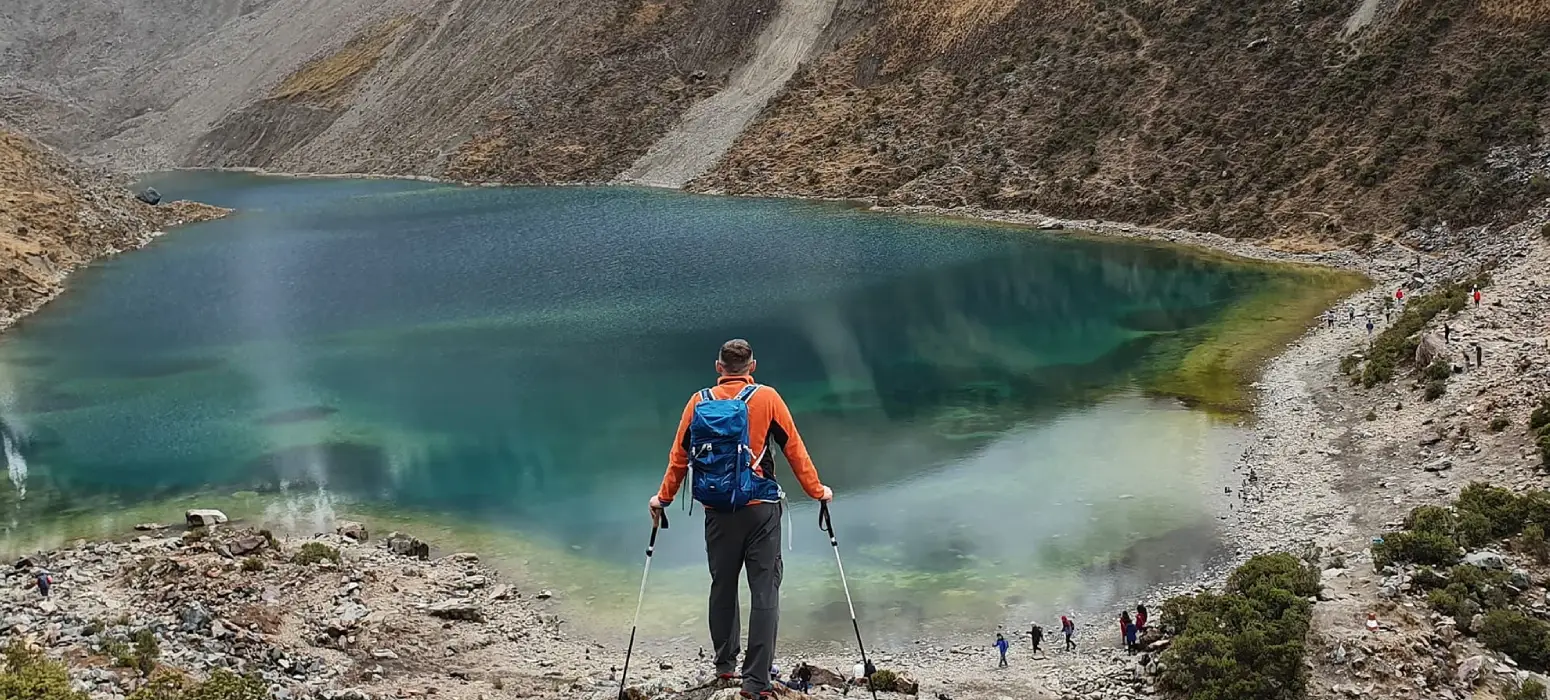
Machu Picchu Challenge 8D/7N
Cusco, Sacred Valley Humantay Lagoon, Rainbow Mountain & Machu Picchu.
View Tour
Colonial Lima and Sacred land of the Incas 7D/6N
Lima, Cusco, Sacred Valley & Machu Picchu.
View Tour