Discover where to buy souvenirs in Peru, including the best markets in Lima, Cusco, Arequipa, and Puno for authentic handicrafts and local gifts.
Peru is a wonderful place to shop for gifts with a story behind them. You might find a handwoven scarf in Cusco, a piece of silver jewelry in Lima, or textiles made by a family on Lake Titicaca. But knowing where to buy souvenirs in Peru makes a real difference, especially when you want to understand what you are paying for and who made it.
This guide takes you through the best shopping areas in Lima, Cusco, the Sacred Valley, Arequipa, and Puno. It also explains how to shop thoughtfully, pack your purchases, and recognize when a product's origin needs a little more checking.
Where should you buy souvenirs in Peru?
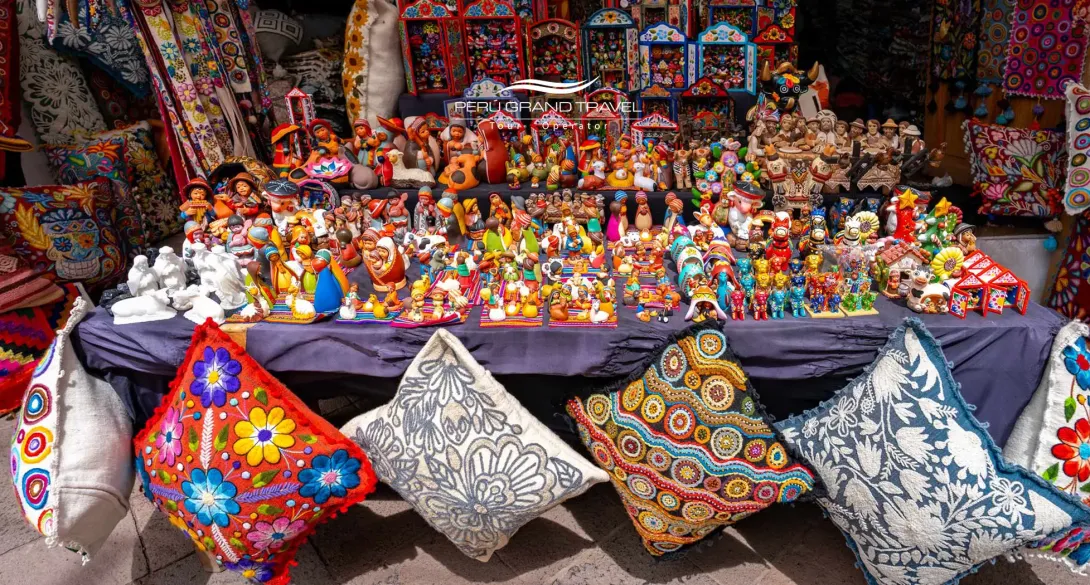
If you have limited time, start with artisan markets in Cusco or Miraflores in Lima. For a more personal experience, look for workshops and community-run textile projects in the Sacred Valley or around Lake Titicaca. The best place depends on whether you want everyday gifts, high-quality alpaca clothing, ceramics, or something directly connected to the region you are visiting.
| Destination | Where to shop | Good for |
|---|---|---|
| Cusco | San Pedro Market, artisan market, San Blas | Textiles, ceramics, small gifts |
| Sacred Valley | Pisac, Chinchero workshops | Weaving and local crafts |
| Lima | Petit Thouars, Barranco, Miraflores | Gifts from across Peru, design, jewelry |
| Arequipa | Historic center, specialty shops | Alpaca garments, regional crafts |
| Puno | City-center shops, Taquile community producers | Knitted and woven textiles |
Where to buy souvenirs in Cusco
Cusco is one of the easiest places to shop during a trip to Peru. Its historic center brings together busy markets, small galleries, and independent workshops. Shopping is also a natural addition to a day spent exploring the city. See our Cusco destination guide when planning what else to visit.
San Pedro Market
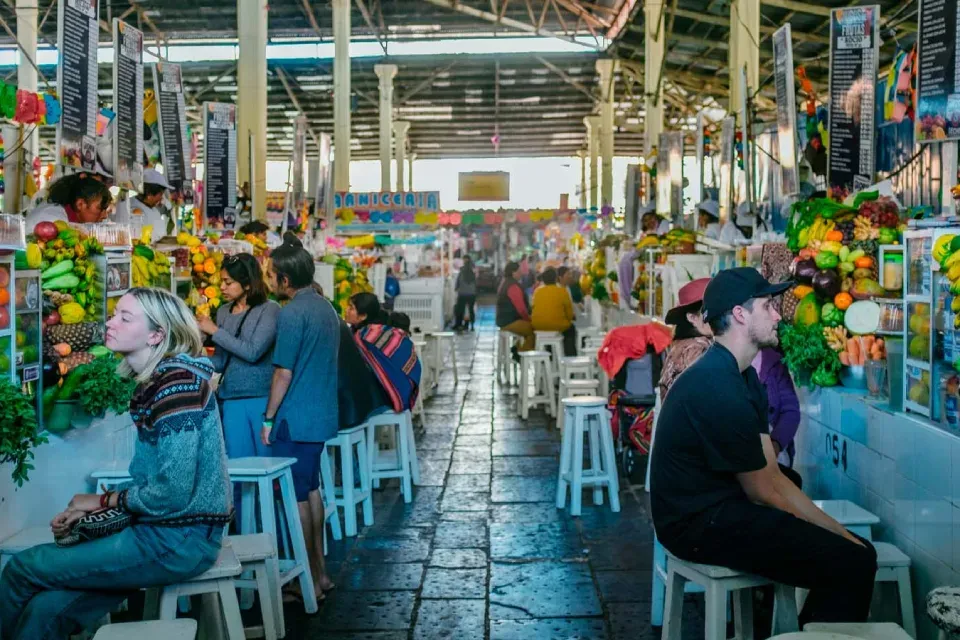
Just west of the Plaza de Armas, San Pedro Market is best known for produce, juices, snacks, and everyday local life. You will also find stalls with textiles, bags, magnets, and other souvenirs. It is a lively place to browse, but not every item is handmade or produced locally. Ask vendors about materials and origin instead of assuming that everything on display comes from a nearby workshop.
Cusco's artisan market and San Blas workshops
Artisan markets around Avenida El Sol offer a wide selection of gifts in one place, making comparison shopping convenient. For something more individual, walk through the San Blas neighborhood, where galleries and workshops feature ceramics, painting, jewelry, and other crafts. If an artisan is present, ask about their process and whether the piece was made in the workshop.
Santurantikuy Christmas market
If you are in Cusco on December 24, the traditional Santurantikuy fair is worth experiencing for its seasonal crafts, nativity figures, and festive atmosphere. It is a special annual event, not a permanent market, so verify the local arrangements before traveling.
Shopping tip: A market label such as “alpaca” or “handmade” is not proof of fiber content or origin. For a higher-value purchase, ask for written composition details and a receipt.
Where to buy souvenirs in the Sacred Valley
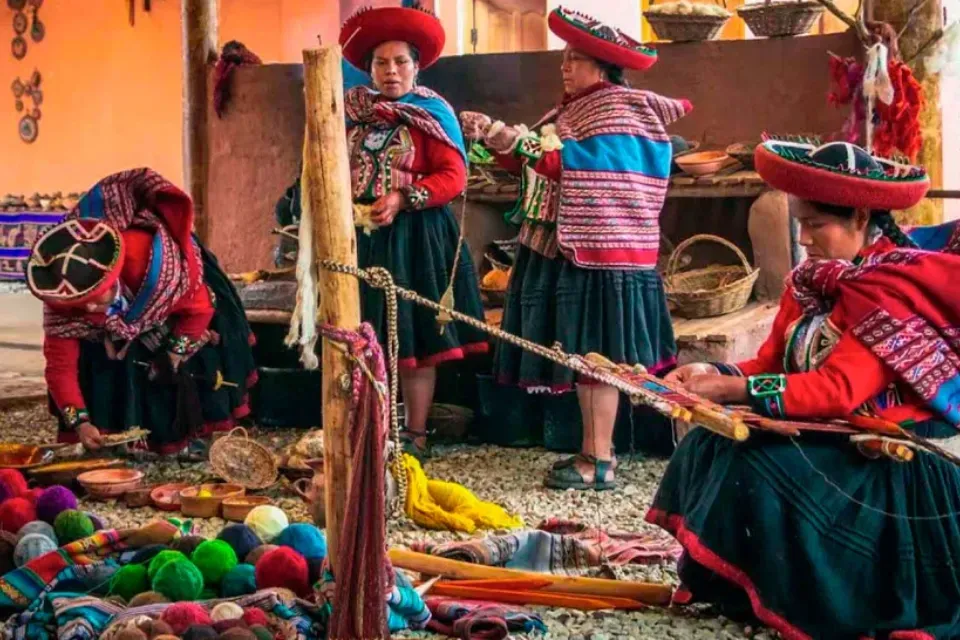
The Sacred Valley is a good place to buy textiles while learning about how they are made. In Pisac, browse the market and surrounding stalls for woven items, ceramics, and other crafts. In Chinchero, some community workshops demonstrate spinning, natural dyeing, and weaving techniques. Demonstrations and prices vary by workshop, so make sure you understand whether an activity is included or requires a purchase.
If you are visiting Cusco and Machu Picchu, consider a route that includes time in the valley rather than squeezing shopping into the last hour of your trip. Our Spectacular Peru 10-day itinerary is an example of a broader journey through Peru; always check the specific itinerary for included shopping stops.
Where to buy souvenirs in Lima
Lima is particularly convenient if you want to shop before flying home. You'll find traditional handicrafts and more contemporary Peruvian design, with choices ranging from inexpensive keepsakes to carefully made pieces.
Artisan markets on Avenida Petit Thouars, Miraflores
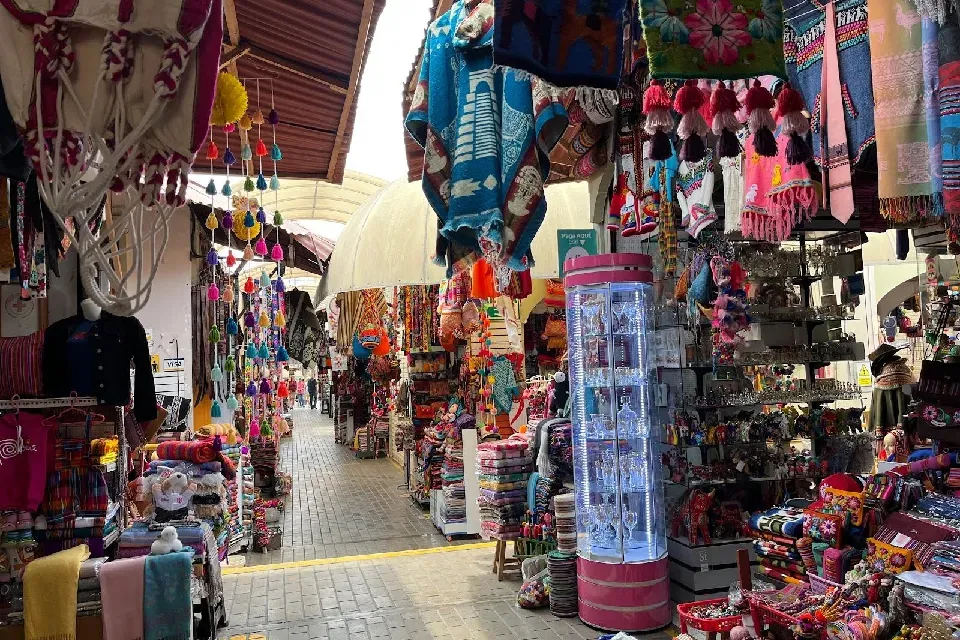
The artisan shopping area along Avenida Petit Thouars in Miraflores has stalls and galleries selling knitwear, bags, ceramics, jewelry, and decorative objects. It works well when you want to compare several vendors without traveling across the city. Check materials and finishing carefully, as quality and production methods vary.
Barranco's independent stores and galleries
Barranco is a good choice for travelers interested in illustration, ceramics, contemporary design, and small creative businesses. Explore the streets around the neighborhood's central area and the Bridge of Sighs. Because individual stores change over time, allow yourself the freedom to browse rather than building a trip around one unverified shop.
Miraflores boutiques and shopping centers
Specialty boutiques and established retail stores are useful for garments with documented fiber content, jewelry, and packaged gifts. Prices may be higher than at markets, but fixed pricing, receipts, and clear product labels can make larger purchases easier. You can combine a shopping outing with the places featured in our Lima travel guide.
Where to buy souvenirs in Arequipa
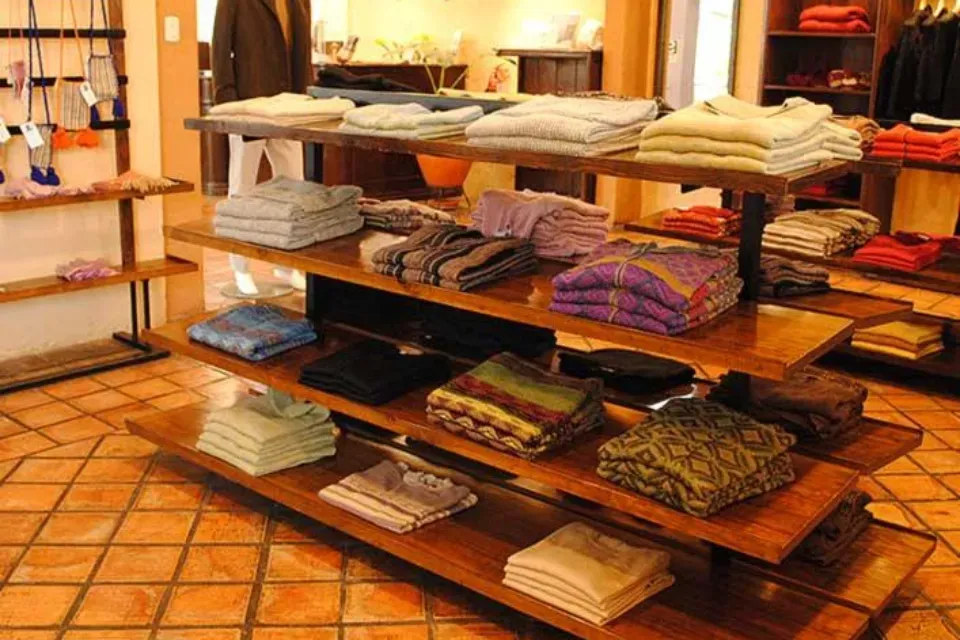
In Arequipa, explore shops and galleries in and around the historic center for alpaca clothing, accessories, and regional crafts. The area near Plaza de Armas is convenient if you are staying downtown. San Camilo Market is worth visiting for local food and the market atmosphere, though it should not be treated as a dedicated handicraft center.
For alpaca products, compare composition labels and workmanship across stores. “Baby alpaca” describes a fiber grade rather than a guarantee that the wool came from a young animal, and labels should be checked rather than judged by touch alone.
Where to buy souvenirs in Puno and Lake Titicaca
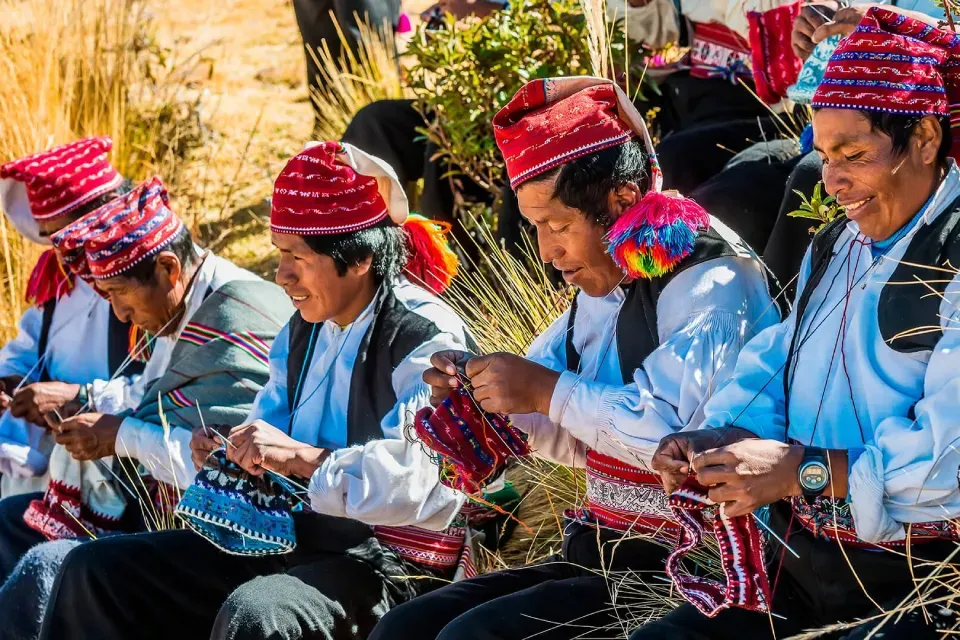
Puno's central shopping streets have stores selling knitted hats, scarves, and textiles. Around Lake Titicaca, some communities also sell pieces made by local producers. Taquile is particularly known for its textile tradition, while craft offerings in other communities vary.
When buying directly from a producer, take time to ask about the technique and the meaning of a design. Not every island visit includes a workshop or direct artisan sale, so verify the program if this matters to you.
What are the best Peruvian souvenirs to look for?
The right item is one you will enjoy using or displaying after the trip. Common choices include alpaca scarves and sweaters, woven textiles, ceramics, silver jewelry, coffee, chocolate, and small illustrations. For more ideas and the stories behind them, read our guide to the best souvenirs from Peru.
| Souvenir | What to check | Packing advice |
|---|---|---|
| Alpaca clothing | Fiber composition and care label | Fold and protect from moisture |
| Silver jewelry | Hallmark, seller details, receipt | Keep valuable pieces in carry-on luggage |
| Ceramics | Maker, finish, cracks | Wrap individually with cushioning |
| Coffee and chocolate | Sealed packaging, ingredients, expiry | Check destination customs rules |
How to tell whether a Peruvian souvenir is authentic
There is no single visual test for authenticity. A slightly uneven finish does not prove something is handmade, and a polished finish does not automatically mean it is factory-made. A better approach is to ask a few specific questions:
- Who made this piece, and where?
- What materials were used?
- Is the item handmade, workshop-produced, or mass-produced?
- Can the seller provide a receipt or fiber information for an expensive purchase?
Buying directly from producers can help you understand the work behind an item, but avoid assuming that every stall represents an artisan cooperative. Ask respectfully and choose what fits your budget.
How to shop respectfully and avoid common mistakes
Compare prices before making a large purchase, and negotiate politely only where bargaining is appropriate. In fixed-price boutiques, the posted price is usually the price. Carry some small-denomination soles for markets, and keep valuables secure in crowded areas.
Important: Do not buy archaeological artifacts, protected wildlife products, or items made from restricted natural materials. Rules for taking food, seeds, wooden items, and other goods into your home country can vary. Check customs requirements before packing.
How much time should you allow for souvenir shopping?
For an easy stop in Cusco or Miraflores, allow around one to two hours to browse, compare prices, and ask questions. A workshop visit in the Sacred Valley is a different experience and may deserve a dedicated stop in your itinerary. Avoid leaving all shopping for your final airport transfer, especially when traffic or flight schedules are tight.
Frequently asked questions about buying souvenirs in Peru
Where is the best place to buy souvenirs in Cusco?
San Pedro Market and the artisan market are convenient for browsing a wide range of items. San Blas is worth exploring for small galleries and workshops.
Where can I buy souvenirs in Lima?
Start with the artisan markets along Avenida Petit Thouars in Miraflores. Barranco is a good option for contemporary design and independent shops.
Are souvenirs cheaper in Cusco or Lima?
There is no consistent winner. Prices vary by material, quality, seller, and location. Compare similar items and ask about their origin.
How do I know whether an alpaca sweater is genuine?
Check the composition label and ask the seller for details. Touch or appearance alone cannot reliably confirm fiber content.
Can I bargain at Peruvian markets?
Some market vendors may negotiate, especially for multiple items. Bargain respectfully, and do not assume fixed-price stores will do the same.
Should I bring cash to artisan markets?
Cash in Peruvian soles is useful at smaller stalls. Many established stores also accept cards, but payment options vary.
Can I bring Peruvian food souvenirs home?
Packaged coffee and chocolate may be simpler to transport than fresh food, but import regulations depend on your destination. Check the rules before flying.
Are the souvenirs sold in tourist markets handmade?
Not always. Markets may offer both handcrafted and mass-produced items. Ask about the maker and production method when origin matters to you.
Make room for local experiences on your Peru trip
Souvenir shopping can be a meaningful part of a journey when it gives you a chance to talk with artisans and learn more about regional traditions. If you are planning to visit several destinations, explore our Peru travel packages or contact Peru Grand Travel about a personalized itinerary that leaves room for local markets and cultural experiences. Shopping stops and workshops should be confirmed as part of your specific trip.