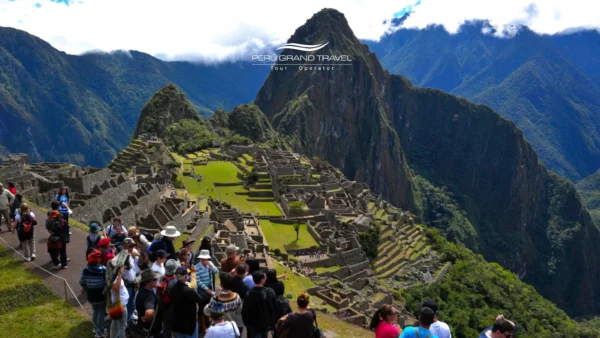
Peru is one of the most biodiverse countries on Earth. From the Amazon rainforest to the high Andes and the Pacific coast, the country is home to an incredible variety of ecosystems, wildlife, and endemic species. This natural richness makes World Wildlife Day in Peru especially meaningful—not just as a date on the calendar, but as a real opportunity to connect with nature and understand why conservation matters.
Table of Contents
Celebrating World Wildlife Day in Peru goes beyond awareness. It’s about experiencing wildlife in its natural habitat, supporting protected areas, and traveling responsibly with local communities and conservation-focused operators. Whether you’re spotting macaws in the Amazon, watching condors soar over deep canyons, or exploring marine life along the coast, Peru offers unforgettable ways to celebrate wildlife while helping protect it.
In this guide, you’ll discover where to see Peru’s most iconic wildlife, the best destinations for wildlife experiences, how to celebrate World Wildlife Day through responsible travel, and practical tips to plan your trip. If you love nature, animals, and meaningful travel, Peru is one of the best places in the world to celebrate World Wildlife Day.
What it is and why it matters?
World Wildlife Day is a global celebration dedicated to wild animals and plants and the important role they play in healthy ecosystems. It highlights the need to protect biodiversity, raise awareness about endangered species, and promote conservation efforts around the world. In a country as rich in wildlife as Peru, this day is a reminder of the responsibility to protect natural habitats for future generations.
When it’s celebrated?
World Wildlife Day is celebrated every year on March 3rd, a date recognized by the United Nations to honor wildlife and encourage global action for conservation.
How Peru participates?
Peru marks World Wildlife Day through conservation initiatives, educational activities, and responsible tourism experiences. National parks, reserves, and local communities often promote wildlife protection, sustainable travel, and environmental awareness—making Peru a perfect destination to celebrate this day by experiencing nature in a respectful and meaningful way.
Why Peru Is One of the Best Places to Celebrate World Wildlife Day
Peru stands out as one of the world’s top destinations to celebrate World Wildlife Day thanks to its extraordinary biodiversity, strong network of protected areas, and growing commitment to conservation through responsible tourism. Few countries offer such a wide range of wildlife experiences across dramatically different ecosystems—all within one destination.
From the Amazon rainforest (one of the most biodiverse regions on the planet) to the Andes Mountains and the Pacific coast, Peru allows travelers to encounter wildlife in natural habitats while learning how conservation, culture, and local communities are deeply connected. Many reserves and parks are managed with community involvement, meaning your visit directly supports wildlife protection and sustainable livelihoods.
Most importantly, celebrating World Wildlife Day in Peru goes beyond observation. By choosing ethical tours, respecting natural environments, and supporting local conservation initiatives, travelers actively contribute to protecting endangered species and fragile ecosystems. In Peru, wildlife travel isn’t just inspiring—it has real, positive impact.
Peru’s biodiversity in one snapshot Costa, Andes and Amazon
Peru is unique because you can experience three major worlds in one country: the Pacific coast, the Andes Mountains, and the Amazon rainforest. Each region has its own ecosystems and iconic species—marine life and seabirds on the coast, high-altitude wildlife in the Andes, and unmatched biodiversity in the Amazon. Few destinations offer this variety of wildlife landscapes in a single trip.
Wildlife and culture and conservation comunidades and áreas protegidas
In Peru, wildlife experiences often come with a strong cultural connection. Many protected areas are supported by local communities who help preserve habitats through responsible tourism, guiding, and conservation work. Visiting national parks and reserves is not only about seeing animals—it’s also about learning how nature and culture are deeply linked, especially in regions where communities have protected these environments for generations.
Responsible travel makes a difference
Traveling responsibly in Peru can directly support conservation. When you choose ethical wildlife tours, certified guides, and lodges that work with local communities, your trip helps fund protected areas, create sustainable jobs, and encourage long-term wildlife protection. In other words: celebrating World Wildlife Day in Peru isn’t just inspiring—it can have real impact.
Top Wildlife Experiences in Peru
Peru offers some of the most diverse and rewarding wildlife experiences in South America. Thanks to its unique geography—where the Amazon, the Andes, and the Pacific coast meet—you can see an incredible range of species in just one country. Here are the top wildlife experiences that make Peru stand out.
Amazon Rainforest Tambopata, Manu and Iquitos
If your goal is to see the greatest variety of wildlife, the Peruvian Amazon is the top choice. Depending on the region, you can spot macaws, caimans, giant river otters, and several species of monkeys—often in just a few days.
Best activities
- Clay licks (collpas): watch macaws and parrots gather in large numbers
- River cruises: great for wildlife spotting along the banks
- Night walks: a completely different world—frogs, insects, and nocturnal animals
Andes Cusco, Sacred Valley, Colca or Huascarán
The Andes offer dramatic landscapes and high-altitude wildlife. You may see Andean condors, vicuñas, and plenty of alpacas (domestic, but iconic in the region). In some areas, travelers also mention sightings of the Andean fox and other native species.
Best activities
- Viewpoints: especially for condor watching in canyon regions
- Hikes: day hikes and scenic trails for spotting highland wildlife
- Highland reserves: protected areas where wildlife viewing is more consistent

Coast & Marine Wildlife Paracas, Ballestas or North Coast
Peru’s coast is famous for marine wildlife and easy-to-access viewing. In places like Paracas and the Ballestas Islands, it’s common to see sea lions, penguins, and large colonies of seabirds. In the north, there are also seasonal opportunities for whale watching depending on the time of year.
Best activities
- Boat tours: the classic way to see marine wildlife up close (responsibly)
- Coastal reserves: scenic landscapes, birdwatching, and photography spots
Best Places to See Wildlife in Peru
Peru’s wildlife is spread across three incredible regions—Amazon, Andes, and coast—so the “best” place depends on what you want to see. These destinations are some of the top choices for unforgettable wildlife encounters.
- Tambopata National Reserve (Amazon): One of the easiest high-impact Amazon destinations for wildlife. Known for macaws, monkeys, caimans, and (with luck) giant river otters, plus famous clay licks and rich rainforest scenery.
- Manu National Park (Amazon–Andes transition):Often considered Peru’s most biodiverse area. It’s ideal for travelers who want a deeper wildlife experience—birds, mammals, and rainforest ecosystems—with a strong conservation focus (some zones require more time/logistics).
- Pacaya Samiria National Reserve (optional, Northern Amazon): A classic “Amazon by river” experience near Iquitos, with flooded forests, pink river dolphins (often seen), birds, and boat-based wildlife viewing that feels very immersive.
- Paracas National Reserve and Ballestas Islands (Coast): The best coastal combo for wildlife in Peru. Expect sea lions, penguins, and seabirds on boat tours, plus beautiful desert-meets-ocean landscapes inside Paracas Reserve.
- Colca Canyon (Andes): One of Peru’s top places to see Andean condors soaring on morning thermals. Great for viewpoints, canyon scenery, and adding culture-focused stops along the way.
- Lake Titicaca and the Highlands (Birdlife and cultural landscapes): A strong option if you want highland birds, wide-open Andean scenery, and cultural experiences with local communities—perfect as a softer wildlife add-on to a broader Peru itinerary.
Iconic Animals You Can See in Peru
Peru is one of the best countries in South America for wildlife because you can see iconic species across the Amazon, the Andes, and the Pacific coast. Here are some of the most memorable animals travelers hope to spot.
Amazon icons macaws, monkeys, caimans
In the Peruvian Amazon, wildlife sightings are often the highlight of the trip. Some of the most iconic animals include macaws and parrots (especially near clay licks), several species of monkeys, caimans along rivers and wetlands, and—if you’re lucky—giant river otters in protected areas like Tambopata.
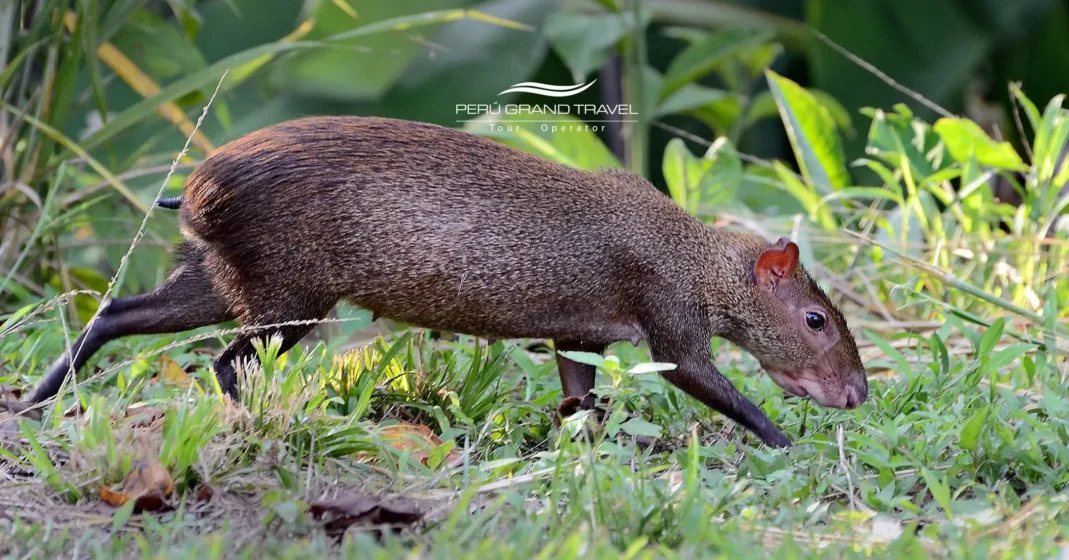
Andean icons condor, vicuña, alpaca or llama como domesticados
In the Andes, the most famous symbol is the Andean condor, one of the world’s largest flying birds and a must-see in places like Colca Canyon. You can also spot vicuñas, a wild camelid known for its fine fiber. And while alpacas and llamas are domestic animals, they’re still an iconic part of the Andean landscape and culture—often seen in highland regions and traditional communities.
Coastal icons sea lions, penguins, seabirds
Along Peru’s coast, the easiest wildlife encounters include sea lions and huge colonies of seabirds. In areas like the Ballestas Islands, you can also see penguins (Humboldt penguins) in their natural habitat, making coastal Peru a great option for wildlife viewing without traveling deep into the jungle.
How to Celebrate World Wildlife Day in Peru
World Wildlife Day in Peru is the perfect chance to do more than “see animals”— it’s a moment to travel with purpose. Here are meaningful ways to celebrate while supporting conservation and local communities.
Join a guided wildlife tour ethical operators
The best way to celebrate is to experience wildlife with trained naturalist guides and ethical operators. Look for tours that follow “no feeding, no touching, no chasing” rules, keep safe distances, and support conservation. A good guide helps you spot more animals—without disturbing them—and adds real context about ecosystems and local protection efforts.
Visit protected areas responsibly
Peru’s national parks and reserves are some of the strongest places to celebrate World Wildlife Day. You can visit areas like the Amazon reserves, Paracas, or Andean viewpoints while following simple rules that protect nature:
- stay on marked trails
- don’t leave trash (including food scraps)
- avoid loud noise and flash near animals
- respect park guidelines and rangers
Support local communities & conservation projects
Many wildlife destinations in Peru are connected to local communities. Choosing community-based lodges, local guides, and responsible operators helps create sustainable income that supports habitat protection. You can also support conservation by visiting interpretation centers, donating to reputable projects, or choosing tours that directly contribute to local protection programs.
Family-friendly ideas
World Wildlife Day can be amazing for families—especially if you choose easy, safe experiences:
- coastal wildlife boat tours (like sea lions and seabirds)
- gentle nature walks with a guide (short trails, early morning wildlife)
- kid-friendly lodges with educational activities
- simple wildlife “spotting challenges” (birds, butterflies, tracks)
It’s a fun way for kids to learn respect for animals and nature—while still having an unforgettable adventure.
Responsible Wildlife Tourism Tips
Do
- Keep a respectful distance—use zoom, not proximity
- Follow your guide and stay on marked trails
- Keep noise low (wildlife is easier to spot when it’s quiet)
- Take your trash out with you (even small wrappers)
Don’t
- Don’t feed animals (it changes their behavior and can harm them)
- Don’t touch or chase wildlife for photos
- Don’t use flash on animals, especially at night
- Don’t support activities that involve captivity or forced interactions
How to choose ethical tours (what to look for)
- Small groups (less impact, better sightings)
- Naturalist guides or trained local guides with wildlife knowledge
- Clear “wildlife rules” (no feeding, no touching, responsible viewing distances)
- Lodges and operators that support local communities and protected areas
- Transparent itineraries (what’s included, group size, and conservation practices)
Packing tips for wildlife trips in Peru
- Binoculars (a game changer for birds and distant wildlife)
- Insect repellent (Amazon and humid areas)
- Light rain jacket or poncho (weather can change fast)
- Quick-dry clothing and comfortable shoes
- Waterproof phone pouch / dry bag for boat rides and rainforest humidity
- Sunscreen and hat (especially at high altitude and on the coast)
Best Time of Year for Wildlife Watching in Peru
Amazon seasons (dry vs. wet)
- Dry season (roughly May–October): Usually the easiest time for wildlife trips in the Amazon because there’s less rain and better trail conditions in places like Tambopata and Manu.
- Wet season (roughly November–April): The rainforest looks super green and vibrant, but you should expect more rain and muddier conditions.
Coast & marine seasons (whales and sea life)
- Humpback whales (Northern Peru): Whale-watching is typically July to October along the northern coast (Piura/Tumbes areas).
- Paracas and Ballestas Islands: Many sources recommend the dry season (around May–September) for calmer seas and clear skies for boat tours and wildlife viewing.
Andes visibility/weather
- Best visibility (Cusco/Andes): The dry season (about May–October) usually brings clear skies and better mountain visibility, which is great for viewpoints and wildlife spotting (like condors).
Sample Itineraries
Here are three easy itinerary ideas to celebrate World Wildlife Day in Peru, depending on your time, travel style, and comfort level.
3–4 days Amazon wildlife escape
Best for: travelers short on time who want maximum wildlife impact.
- Day 1: Fly to the Amazon gateway city and transfer to lodge, sunset river walk.
- Day 2: Early wildlife outing, clay lick (macaws/parrots) and canoe/river cruise.
- Day 3: Guided rainforest hike and night walk (nocturnal wildlife).
- Day 4 (optional): Sunrise activity and return flight.
7–10 days Peru highlights and wildlife (Cusco and Amazon)
Best for: first-timers who want Machu Picchu and real wildlife.
- Days 1–2: Cusco arrival, acclimatization and easy city culture.
- Days 3–4: Sacred Valley (ruins, landscapes and local culture).
- Day 5: Machu Picchu (guided visit).
- Days 6–8: Fly to the Amazon (Tambopata/Manu/Iquitos) and lodge-based wildlife program (clay lick, river cruise, hikes).
- Days 9–10 (optional): Extra Amazon day or return via Lima with a coastal add-on.
Luxury wildlife and comfort itinerary (si quieres enfocarlo a high-end)
Best for: travelers who want wildlife with top service, privacy, and smoother logistics.
- Private transfers and premium flights/timing
- High-end eco-lodge in the Amazon (naturalist guides, small groups, upgraded rooms)
- Comfort-first schedule: early outings for wildlife and relaxed afternoons
- Optional add-ons: private Sacred Valley tour, Vistadome-style train upgrade, and a boutique stay in Cusco or the Sacred Valley
This version keeps the adventure, but with better comfort, stronger guiding, and fewer logistical headaches.
FAQ: World Wildlife Day in Peru
What is World Wildlife Day and when is it celebrated in Peru?
World Wildlife Day is a UN-recognized day that celebrates wild animals and plants and raises awareness about conservation. In Peru (and worldwide), it’s celebrated every year on March 3.
Where is the best place to see wildlife in Peru?
It depends on what you want to see, but some of the best places to see wildlife in Peru include Tambopata (Puerto Maldonado) for classic Amazon encounters with macaws, monkeys, caimans, and more; Manu (Amazon–Andes transition), one of the most biodiverse regions in the world and ideal if you have more time; and Paracas National Reserve and the Ballestas Islands, which offer easy coastal wildlife experiences like sea lions, seabirds, and Humboldt penguins.
Is it safe to travel to the Amazon in Peru?
In general, yes—most travelers visit safely, especially when they go with reputable operators, follow guide instructions, and take health precautions (mosquito protection, safe water, etc.). Like any remote region, it’s smart to plan transport carefully and stay aware in transit areas.
What animals can I see in the Peruvian Amazon?
Common highlights include macaws and parrots, several types of monkeys, caimans, and—if you’re lucky in protected areas—giant river otters.
What should I pack for wildlife tours in Peru?
For wildlife tours in Peru, packing the right basics can make a big difference. Be sure to bring binoculars for spotting birds and distant animals, insect repellent and long-sleeved clothing for the Amazon, a light rain jacket or poncho for changing weather, quick-dry clothes for humid conditions, and a waterproof phone pouch or dry bags to protect electronics during boat rides or rain. Don’t forget sun protection, including a hat and sunscreen, especially in high-altitude and coastal areas.
Are there luxury wildlife lodges in Peru?
Yes. Peru has several eco-luxury / high-comfort lodges, especially in the Amazon. Examples include Inkaterra Reserva Amazónica (Tambopata area) and remote lodge-style experiences like Tambopata Research Center (more expedition-feel, deep rainforest).
Conclusion World Wildlife Day in Peru
Celebrating World Wildlife Day in Peru is more than seeing animals—it’s about connecting with nature in a way that protects it. From the Amazon rainforest to the Andes and the Pacific coast, Peru offers unforgettable wildlife encounters paired with strong conservation efforts and community involvement. When you travel responsibly, your visit helps preserve habitats, supports local livelihoods, and ensures these ecosystems thrive for future generations.
Plan your wildlife trip in Peru with a trusted local operator who prioritizes ethical practices, expert guides, and meaningful experiences. Discover Peru’s iconic wildlife the right way—and turn World Wildlife Day into a journey that truly makes a difference.
More information:
- Visit our English website: Peru Grand Travel
- Visit our Spanish website: Viajes Machu Picchu Tours
- Visit our Portuguese website: Machu Picchu Pacotes

Experiences

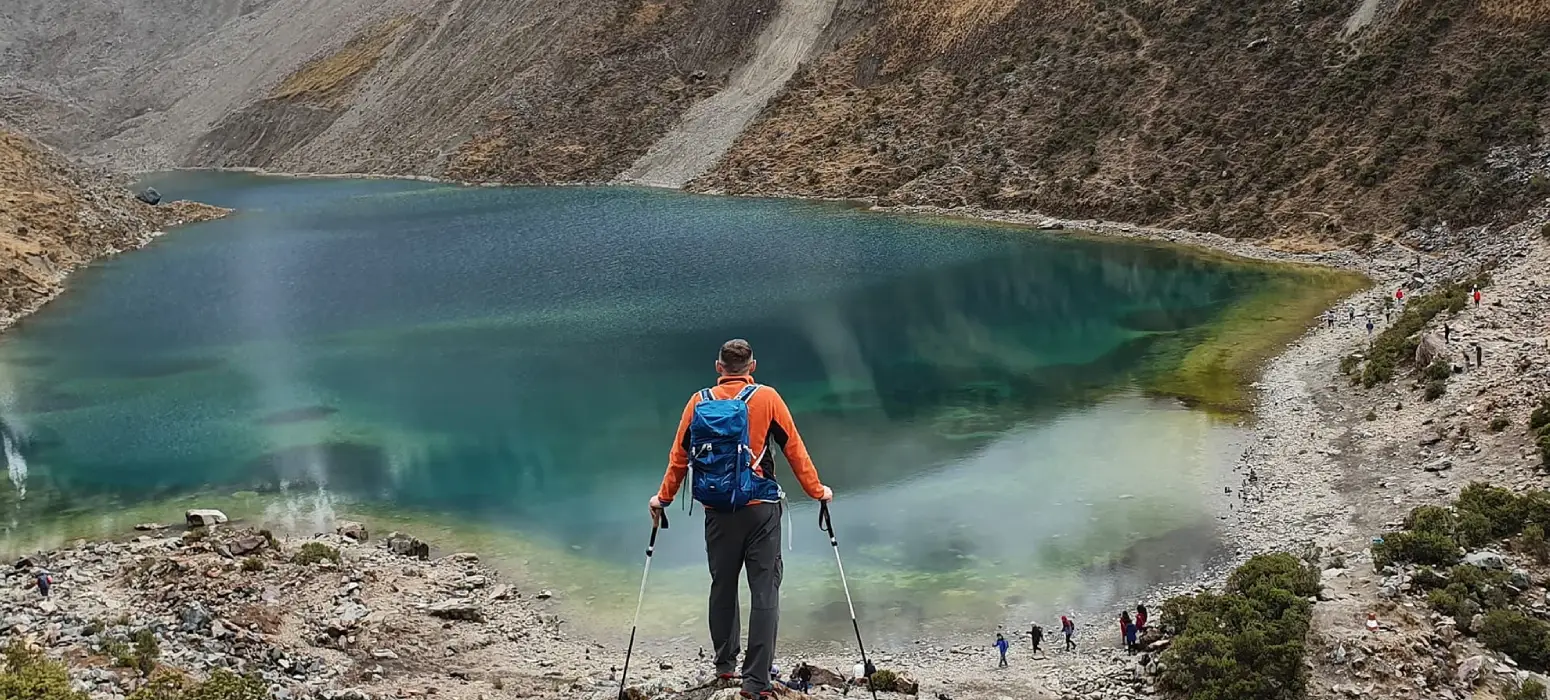
Machu Picchu Challenge 8D/7N
Cusco, Sacred Valley Humantay Lagoon, Rainbow Mountain & Machu Picchu.
View Tour
Colonial Lima and Sacred land of the Incas 7D/6N
Lima, Cusco, Sacred Valley & Machu Picchu.
View Tour