Welcome, my dear traveler. If you have arrived here, it is because you understand that Peru is not merely a destination to check off a list. It is a privilege. It is a sensory tapestry woven with the threads of ancient civilizations, biodiversity that defies logic, and a culinary scene that has conquered the world.
Table of Contents
As your host, I have walked the streets of New York and the avenues of São Paulo, but my heart beats to the rhythm of the pututus in the Andes. I often tell my guests that asking “What are the best things to do in Peru?” is like asking a chef to choose his favorite ingredient. The answer depends entirely on your palate.
Are you seeking the adrenaline of trekking in the “Switzerland of South America”? Do you crave the silence of the Amazon River at dusk? Or perhaps you wish to unravel the gastronomic secrets of the world’s best restaurants in Lima?
Allow me to guide you through this curated journey. We will not just visit places; we will live experiences. From the misty peaks of Machu Picchu to the deep blue of Lake Titicaca, here is your definitive, uncompromising guide to the land of the Incas.
CUSCO: The Heart of the Andes
The Vibe: Imperial, mystical, and deeply layered. Cusco is a living museum where Inca walls support Spanish colonial balconies, and the air smells of roasted coffee and ancient stone.
What to Visit: The Essential Landmarks
To understand Cusco, you must peel back its layers.
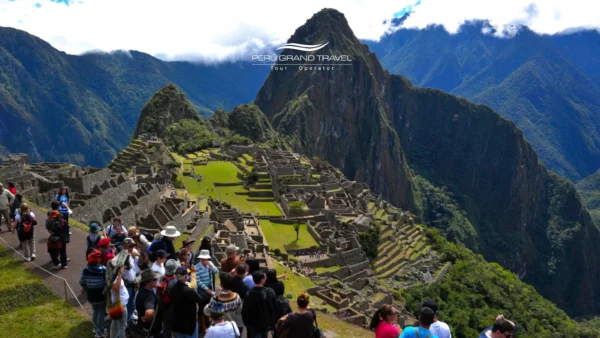
- Machu Picchu: The obvious crown jewel. But do not just “go.” Experience it. Take the Hiram Bingham Train for a 1920s Pullman-style journey with brunch and live music. Stay overnight in Aguas Calientes to enter the citadel at 6:00 AM, witnessing the sunrise slice through the mist before the crowds arrive from Cusco.
- Sacsayhuaman: Just above the city, these megalithic walls make you question modern engineering. Some stones weigh over 100 tons and fit together so perfectly that not even a piece of paper can slide between them. It is the site of the majestic Inti Raymi festival.
- San Blas Neighborhood: The “Bohemian Quarter.” Wander its steep, narrow cobblestone streets. Visit the workshops of master artisans like the Mendívil family, known for their long-necked religious sculptures.
- Qorikancha (Temple of the Sun): The ultimate clash of cultures. The Dominican Convent sits literally on top of the most sacred Inca temple, which was once covered in sheets of solid gold.
Adventure & Sports: For the Adrenaline Seeker
Cusco is the adventure capital of the Americas.
- The Inca Trail (Hiking): The classic 4-day trek is a rite of passage. You walk on original Inca stones, pass through cloud forests, and arrive at the Sun Gate. For a lighter version, the Short Inca Trail (2 Days) offers the best views with hotel comfort.
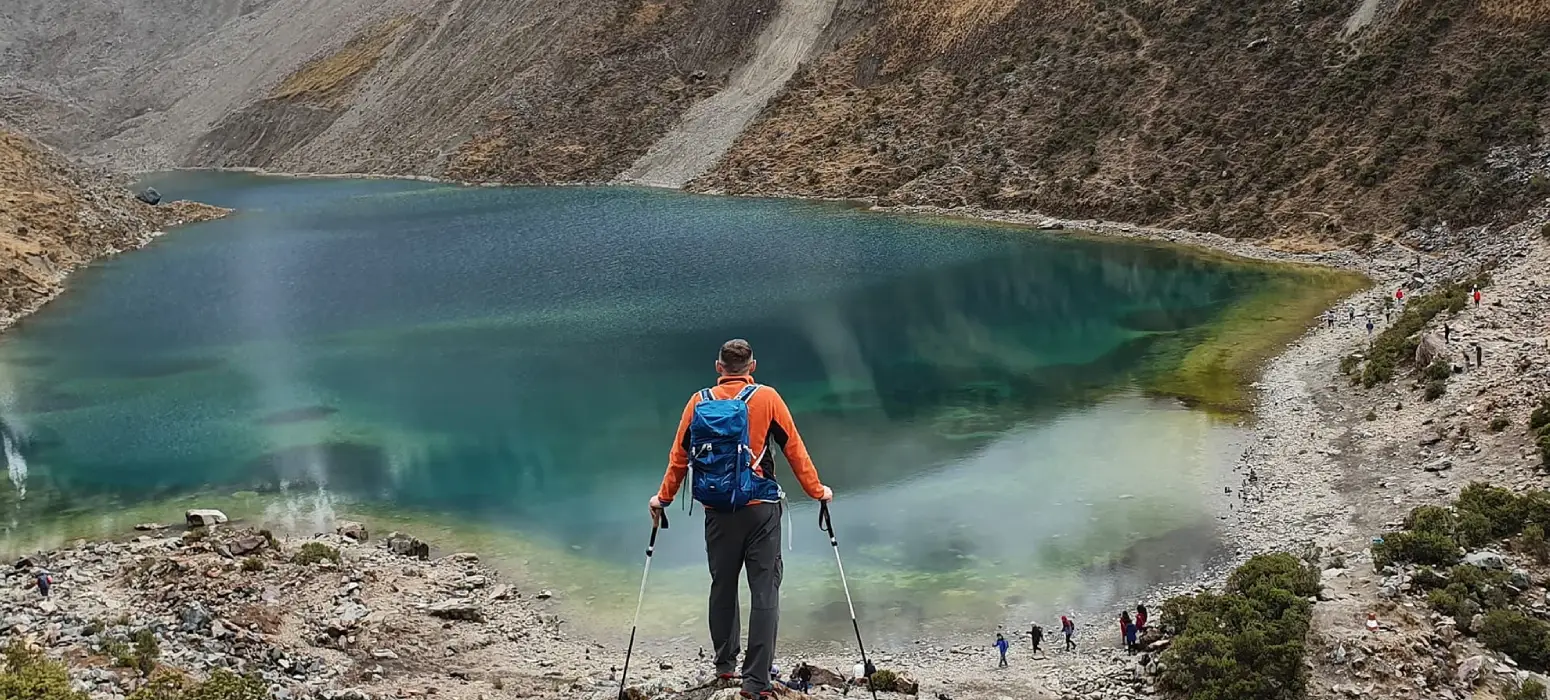
- Salkantay Trek (High Altitude Trekking): For those who find the Inca Trail too crowded. This 5-day trek takes you past the Humantay Lake and the snow-capped Salkantay mountain before dropping into the tropical jungle.
- ATV (Quad Bikes) in Moray: Explore the agricultural terraces of Moray and the salt mines of Maras on four wheels. It is dusty, fast, and visually stunning.
- Paddleboarding on Lake Huaypo or Piuray: A serene experience in the Sacred Valley. Paddle on calm waters reflecting the snow-capped Veronica mountain, followed by a luxury picnic on the shore.
Where to Eat: A Culinary Journey
- Chicha by Gastón Acurio: Located near the Plaza de Armas. It is a tribute to regional Cusqueña food. Try the Adobo Cusqueño (pork stew) or the Rocoto Relleno.
- MIL (Moray): Created by Virgilio Martínez (of Central). Located right above the Moray ruins at 3,500 meters. It offers an 8-course tasting menu using ingredients only found at that altitude. It is not just dinner; it is an ecosystem.
- Cicciolina: Located on the second floor of an old colonial house. It feels like a tapas bar in Seville but with Andean ingredients. Order the Alpaca carpaccio.
- San Pedro Market: For the brave and authentic. Go to the juice section for a fresh blend of exotic fruits, or try the Caldo de Gallina (hen soup) with the locals.

LIMA: The City of Kings
The Vibe: Sophisticated, chaotic, and delicious. Lima is the only capital in South America facing the sea. It is a fusion of pre-Columbian history and modern surfing culture.
What to Visit: Culture and History
- Historic Center: Walk from the Plaza Mayor to the Convento de San Francisco. Descend into its catacombs, where thousands of ancient bones are artistically arranged. It is a haunting reminder of the city’s past.
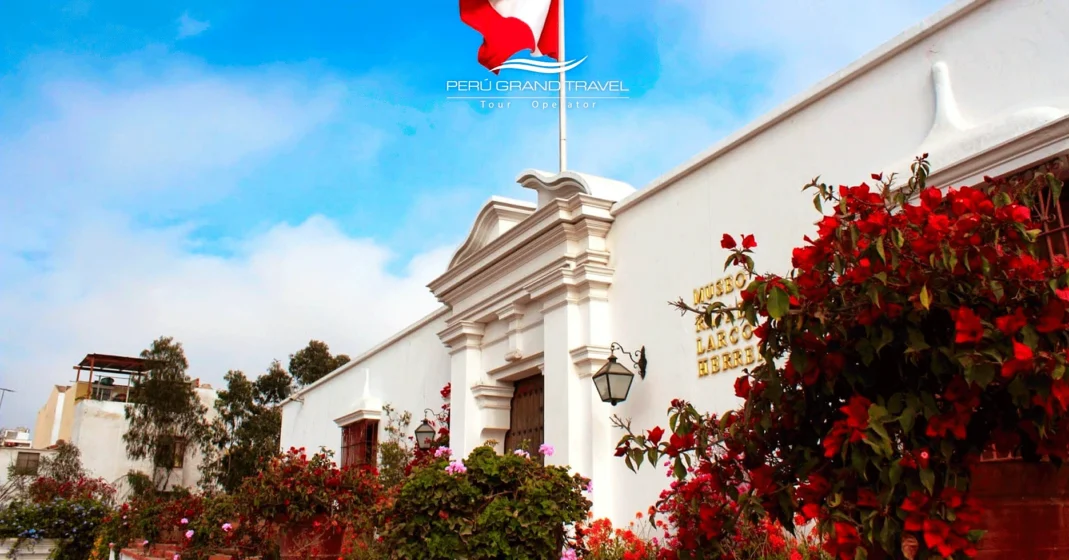
- Museo Larco: Housed in an 18th-century viceregal mansion built over a pre-Columbian pyramid. It holds the world’s largest collection of erotic pottery. The gardens are exquisite—perfect for a coffee break.
- Barranco: The romantic district. Cross the Puente de los Suspiros (Bridge of Sighs), visit the MATE museum (Mario Testino), and admire the street art murals.
- Huaca Pucllana: A massive adobe pyramid located right in the middle of the modern Miraflores district. Visiting it at night, when it is illuminated, is surreal.
Adventure & Sports: Urban Adrenaline
- Paragliding: Jump off the cliffs of the Costa Verde in Miraflores. You will soar alongside the skyscrapers with the Pacific Ocean crashing below you.
- Surfing: Lima offers waves 365 days a year. Makaha Beach is perfect for beginners, while La Pampilla challenges the pros. Surfing at dawn is a ritual for many locals.
- Swimming with Sea Lions: Take a boat from Callao to the Palomino Islands. You can jump into the freezing water (wetsuit provided) and swim with a colony of thousands of curious sea lions.
Where to Eat: The Gastronomic Capital
- Central: Voted #1 in the World (2023). Virgilio Martínez takes you on a vertical journey through Peru’s ecosystems, from below sea level to the high Andes. Booking months in advance is mandatory.
- Maido: The cathedral of Nikkei cuisine (Peruvian-Japanese fusion). Their 50-hour braised short rib is legendary.
- Isolina (Barranco): An old tavern serving “comfort food” in massive portions. The Seco de Asado de Tira (cilantro beef stew) is meant to be shared.
- El Bodegón: A classic tavern vibe. Perfect for trying classics like Ají de Gallina or Lomo Saltado, prepared flawlessly.
¿SABÍAS ESTO? The Pisco Sour: Lima is the birthplace of our national drink. For the best experience, visit the Hotel Bolivar or the Hotel Maury in the center. Legend says the Maury invented the recipe, but the Bolivar made it famous (and gigantic).
PUNO: The Cradle of Civilization
The Vibe: High-altitude intensity, deep blue waters, and folklore. Lake Titicaca is the highest navigable lake in the world, and life here moves at a different pace.
What to Visit: The Floating World
- Uros Islands: Yes, they are popular, but they are unique. Entire islands made of totora reeds. To avoid the “tourist trap” feeling, book a private tour to the more remote islands of the Uros Titino community.
- Taquile Island: Famous for its male weavers. The textile art here is a UNESCO heritage. The hike to the main plaza offers views that rival the Mediterranean.
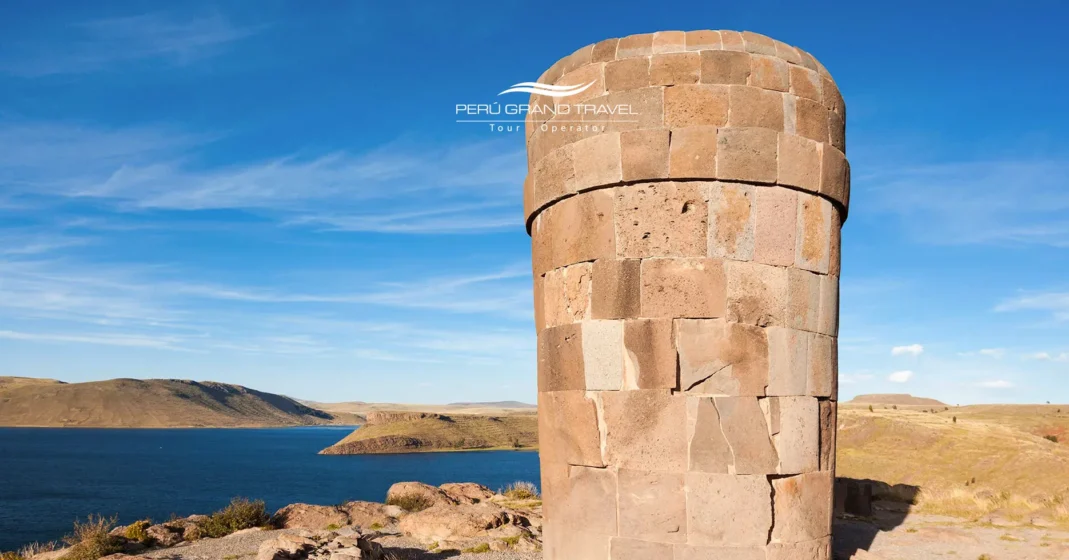
- Sillustani: Pre-Inca burial towers (Chullpas) overlooking Lake Umayo. Visit at sunset; the stark landscape and the mystery of the towers create a mystical atmosphere.
Adventure & Sports: Kayak & Bike
- Kayaking on Titicaca: Instead of a motorboat, paddle through the reed channels of the Uros. The silence is profound, broken only by the sound of your paddle and the birds.
- Mountain Biking: There are trails around the Chucuito peninsula that offer challenging terrain and constant views of the massive lake.
Where to Eat: Altiplano Flavors
- Mojsa: Located in the Plaza de Armas of Puno. It offers excellent Alpaca steaks and modern twists on Andean quinoa soups.
- La Table del’ Inca: A fusion of French techniques with Peruvian ingredients. Elegant and surprising for Puno.
- Trout (Trucha): You cannot leave without trying the local trout. Whether fried (Trucha Frita) or in a Ceviche, it is the freshest fish you will find in the highlands.
AREQUIPA: The White City
The Vibe: Sunny, proud, and volcanic. Built from white volcanic stone (sillar), Arequipa feels like a separate country within Peru. The food is spicy, and the volcanoes are majestic.
What to Visit: Architecture & Canyons
- Santa Catalina Monastery: A city within a city. Founded in 1579, this convent is a maze of vivid blue and orange streets, cloisters, and cells. It is a photographer’s paradise.
- Museo Santuarios Andinos: Home to Juanita, the “Ice Maiden.” A perfectly preserved Inca mummy found on the Ampato volcano.
- Colca Canyon: One of the deepest in the world. Visit the Cruz del Cóndor viewpoint early in the morning to see the Andean Condors (3-meter wingspan) gliding on thermal currents just meters above your head.

Adventure & Sports: Trekking & Climbing
- Colca Canyon Trek: A challenging 2 or 3-day hike. You descend into the canyon to the oasis of Sangalle (a lush paradise with pools) and climb back up the steep canyon walls the next day.
- Climbing Misti Volcano: For the fit traveler. Misti stands at 5,822 meters. It is a non-technical but physically demanding 2-day climb. The view of the city from the crater is unbeatable.
- River Rafting: The Rio Chili offers excellent Class III and IV rapids just 20 minutes from the city center.
Where to Eat: The Picantería Tradition
- La Nueva Palomino: A classic Picantería. Order the Chupe de Camarones (river shrimp chowder) or the Rocoto Relleno (spicy stuffed pepper). Remember to drink Chicha de Jora.
- Zig Zag: Famous for its Alpandina cuisine. Their specialty is volcanic stone-grilled meats (Alpaca, Beef, and Lamb) served with impossible-to-resist cheese soufflé.
- Queso Helado: Not actually cheese! It is an artisanal frozen dessert made with milk, coconut, and cinnamon. You buy it from ladies in traditional dress on the street.
IQUITOS: The Gateway to the Amazon
The Vibe: Steamy, wild, and disconnected. Iquitos is the largest city in the world unreachable by road. It is the entry point to the lungs of the Earth.
What to Visit: The Jungle Life
- Pacaya Samiria National Reserve: Known as the “Jungle of Mirrors” because the black water reflects the sky perfectly. It is the best place for wildlife spotting.
- The Iron House (Casa de Fierro): Designed by Gustave Eiffel (yes, the tower guy). It was brought piece by piece from Paris during the rubber boom.
- Manatee Rescue Center: A heartwarming stop before heading into the deep jungle. You can feed and learn about the rescued baby manatees.
Adventure & Sports: Into the Wild
- Canopy Walkways: Walk 30 meters above the ground on suspension bridges. It is the best way to see monkeys, sloths, and exotic birds that never touch the forest floor.
- Piranha Fishing: It sounds cliché, but it is fun. Using simple wooden poles, you fish for piranhas in the tributaries.
- Night Jungle Walks: The Amazon changes completely at night. With a flashlight and a guide, you will find tarantulas, tree frogs, and listen to the deafening symphony of insects.
- Swimming with Pink Dolphins: In the Amazon River, you can swim near these magical (and very real) creatures.
Where to Eat: Exotic Amazon
- Al Frío y Al Fuego: A floating restaurant on the Itaya River. You take a boat to get there. It has a pool in the middle! The food is high-end Amazonian.
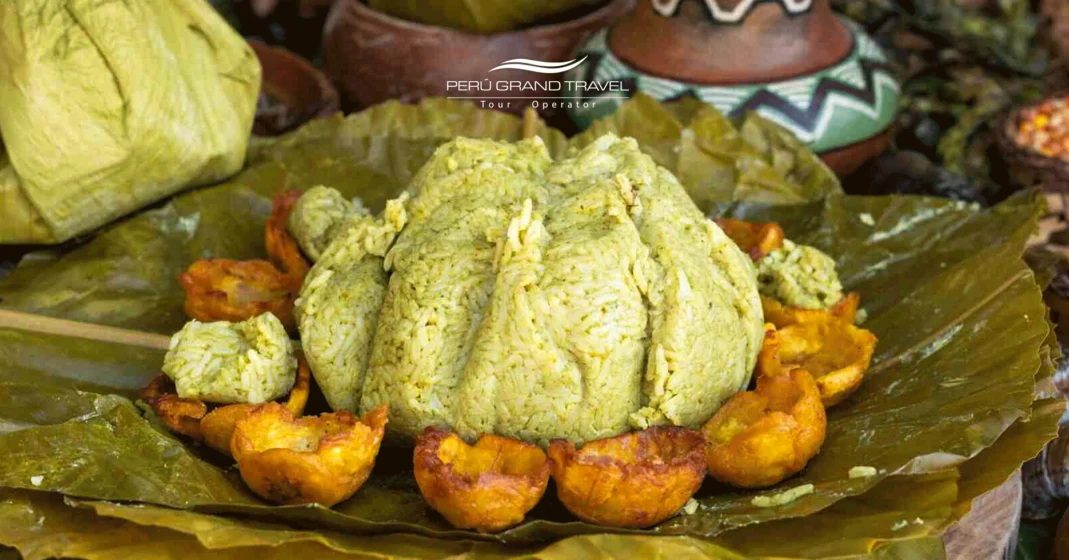
- Try the “Juanes”: Rice seasoned with turmeric and chicken, wrapped in bijao leaves. It is the staple food of the jungle.
- Suri: For the daring. These are grilled grubs (larvae). They taste like bacon… mostly.
HUARAZ: The Trekking Mecca
The Vibe: Alpine and rugged. Huaraz is nestled between the Cordillera Blanca and the Cordillera Negra. It is the destination for serious mountaineers and nature lovers.
What to Visit: Turquoise Lakes
- Laguna Paron: The largest lake in the Cordillera Blanca. Its color is an impossible milky turquoise. You can drive almost to the edge, making it accessible.
- Pastoruri Glacier: One of the few glaciers you can walk up to easily. It is stunning but also a sobering reminder of climate change.
- Chavín de Huántar: Explore the underground tunnels of this pre-Inca civilization (the “Mother Culture” of the Andes).

Adventure & Sports: High Altitude Challenges
- Laguna 69 Trek: The most famous day hike. It is tough (you go up to 4,600m), but the view of the bright blue lake under the snowy Chacraraju peak is iconic.
- Santa Cruz Trek: A 4-day trek considered one of the best in the world. You cross high mountain passes and walk through valleys that look like scenes from Lord of the Rings.
- Ice Climbing: Huaraz is the base for climbing peaks like Alpamayo (voted the most beautiful mountain in the world).
Where to Eat: Mountain Fuel
- California Cafe: The meeting point for climbers from all over the world. Great coffee, hearty breakfasts, and a place to swap stories.
- Sierra Andina: The local craft brewery. After a long trek, nothing beats a Don Juan Porter or a Shaman IPA.
- Trivio: Modern Peruvian food with local ingredients. Great for a celebratory dinner after a summit.
THE SACRED VALLEY: The Garden of the Incas
The Vibe: Peaceful, fertile, and pastoral. While Cusco is the intense capital, the Sacred Valley (Urubamba) is the “Hamptons” of the Andes—lower in altitude, warmer, and full of luxury haciendas.
What to Visit: Living History
- Ollantaytambo: This is the only Inca town that is still inhabited. Walking through its stone streets is literally walking through history. The fortress overlooking the town is a masterpiece of resistance.
- Pisac Ruins & Market: The terraces of Pisac rival Machu Picchu in beauty. After the hike, descend to the artisanal market. While touristy, it remains the best place to buy high-quality silver and ceramics.
- Moray: The agricultural laboratory of the Incas. These concentric circular terraces created microclimates to experiment with crops. It is a visual marvel.
Adventure & Sports: Valley Action
- Via Ferrata & Zipline: For the brave. Climb a 400-meter rock face using iron rungs (Via Ferrata) and fly back down on a zipline. The view of the river from the vertical wall is unmatched.
- White Water Rafting: The Urubamba River offers Class III and IV rapids (Chuquicahuana section) that are thrilling but safe with professional guides.
- Mountain Biking: The descent from the heights of Malaga Pass into the valley is one of the most scenic downhill rides in South America.
Where to Eat: Farm-to-Table
- El Huacatay (Urubamba): A hidden gem in a beautiful garden. The fusion of Andean ingredients with Mediterranean techniques is superb.
- Hacienda Huayoccari: For a lunch that feels like you are guests of Andean royalty. The collection of colonial art is impressive, and the corn pie is legendary.
- Pachamanca Experience: Don’t just eat; participate. Many organic farms offer the Pachamanca—meat and potatoes cooked underground with hot stones. It is a ritual of gratitude to the Earth.

PARACAS: Where the Desert Meets the Sea
The Vibe: Windy, dramatic, and wild. Paracas is a luxury escape on the coast, offering a blend of stark desert landscapes and rich marine life.
What to Visit: The “Mini Galapagos”
- Islas Ballestas: Take a luxury speed boat to these rocky islands. You will see thousands of sea lions, Humboldt penguins, and boobies. The noise of nature here is deafening in the best way possible.
- Paracas National Reserve: A landscape that looks like Mars meeting the ocean. Visit the Red Beach (Playa Roja)—the contrast between the red sand and blue water is surreal.
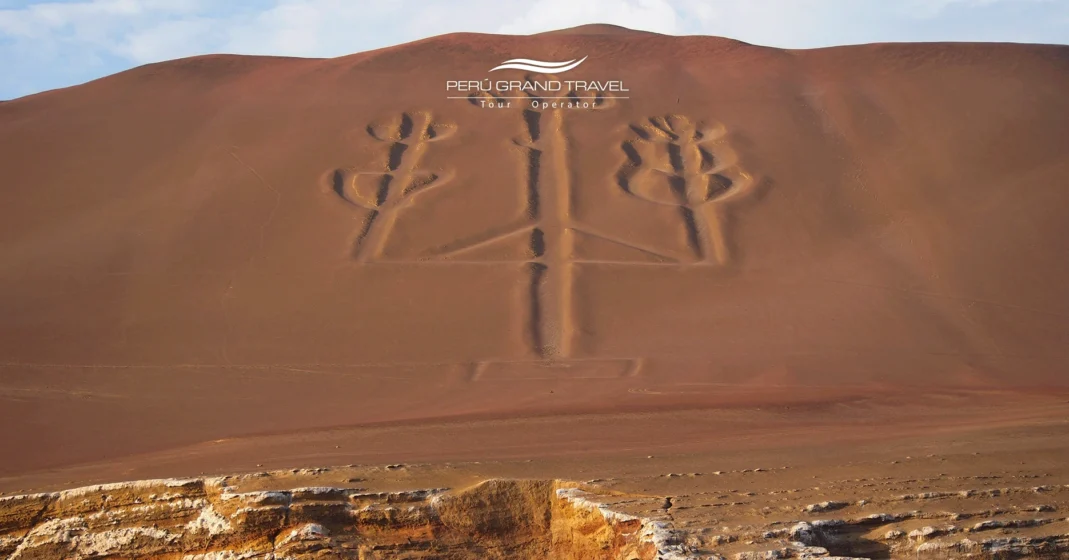
- The Candelabra: A massive prehistoric geoglyph etched into the dune, visible only from the sea.
Adventure & Sports: Wind & Speed
- Kitesurfing: Paracas is famous for its consistent winds. It is a world-class destination for kitesurfing. Even if you don’t surf, watching the colorful kites dance against the desert sunset is a spectacle.
- ATV / Buggies: Rent a quad bike to explore the vastness of the National Reserve. Driving along the cliff edges with the Pacific Ocean crashing below is pure freedom.
Where to Eat: The Freshest Catch
- Chalana (Hotel Paracas): Located at the end of a private dock. They strictly serve “Km 0” food—scallops, and fish caught right there in the bay. It is the definition of fresh.
- Scallops (Conchitas a la Parmesana): Paracas is famous for its scallops. Try them baked with Parmesan cheese and a drop of lime.
ICA & HUACACHINA: Oasis & Vineyards
The Vibe: Sunny, hedonistic, and timeless. Just an hour from Paracas, Ica is the land of eternal sun, massive dunes, and Peru’s national spirit: Pisco.
What to Visit: Dunes & Grapes
- Huacachina Oasis: Yes, it looks like a mirage, but it is real. A lagoon surrounded by palm trees and towering dunes. It is photogenic and iconic.
- Tacama Vineyard: The oldest vineyard in South America. The hacienda is pink, colonial, and stunning. Take a tour to understand the difference between wine and Pisco.
Adventure & Sports: Sand Adrenaline
- Dune Buggies (Tubulares): This is not a slow ride; it is a roller coaster on sand. The drivers are experts at navigating the steep dunes.
- Sandboarding: After the buggy ride, strap on a board and slide down the dunes. You don’t need experience (you can go on your stomach), just a thirst for fun.

Where to Eat: Wine Country Flavors
- El Tambo de Tacama: Eat lunch right next to the vineyards. Their Sopa Seca (a pasta dish with pesto and chicken) is the signature dish of the region.
- Pisco Tasting: Do not leave without a guided tasting. Learn to distinguish the aromatic Italia grape from the strong Quebranta.
NAZCA: The Ancient Mystery
The Vibe: Enigmatic, dry, and historical. Nazca is a pilgrimage for those fascinated by the unexplained and the ancient past.
What to Visit: Lines in the Sand
- The Nazca Lines: The Monkey, the Spider, the Hummingbird. These massive geoglyphs etched into the desert floor 2,000 years ago can only be truly appreciated from the air.
- Cahuachi Pyramids: The ceremonial center of the Nazca culture. It is still being excavated, and visiting feels like being an explorer uncovering secrets.
- Chauchilla Cemetery: Open-air tombs where you can see mummies with hair and skin preserved by the desert air for centuries.

Adventure & Sports: Taking Flight
- The Flight: The “sport” here is the flight itself. Taking a small Cessna plane to bank left and right over the figures is thrilling. Pro tip: Take motion sickness medication beforehand; the pilots maneuver sharply so you can see the lines.
Where to Eat: Roadside Comfort
- El Portón: Nazca is a small town, but here you can find honest, hearty Peruvian food. Try the Chicharrón de Cerdo (fried pork).
AYACUCHO: The City of Churches & Artisans
The Vibe: Colonial, artistic, and deeply religious. Ayacucho is off the beaten path for international tourists, which makes it a true luxury of authenticity.
What to Visit: Art & Faith
- The 33 Churches: Legend says there is one for each year of Christ’s life. The Cathedral and the Santo Domingo temple are architectural jewels.
- Quinua: A town of potters. Every house has a ceramic church on its roof. Visit the workshops to see masters crafting the famous Ayacucho retablos.
- Pampa de Ayacucho: The site of the battle that sealed South American independence. The massive white obelisk against the blue sky is breathtaking.
Adventure & Sports: Turquoise Waters
- Millpu Pools: A series of natural turquoise pools cascading down a canyon. It requires a hike to get there, but the contrast of the bright blue water against the rock is one of the most beautiful sights in Peru.

Where to Eat: Andean Soul Food
- ViaVia Café: Located on the Plaza de Armas with the best view of the Cathedral. Perfect for a coffee or a light dinner.
- Puca Picante: The flagship dish of Ayacucho. A stew of potatoes, peanuts, and beets (which gives it the red color).
- Chapla Bread: Small, artisanal breads typical of the region. You will smell them baking in the mornings.
TARAPOTO: The City of Palms
The Vibe: Tropical, humid, and relaxed. Tarapoto is in the “High Jungle” (Selva Alta), meaning you get the heat and vegetation of the Amazon but with hills, waterfalls, and fewer mosquitoes than the low jungle.
What to Visit: Water & Castles
- Laguna Azul (Blue Lagoon): A massive volcanic lake in the middle of the jungle. A sunset boat ride here is pure magic.
- Lamas Castle: A medieval-style castle built by an eccentric Italian in the middle of the jungle village of Lamas. It is bizarre and fascinating.
- Ahuashiyacu Waterfall: A stunning waterfall just minutes from the city. You can swim in the natural pool at its base.

Adventure & Sports: Jungle Flow
- River Rafting on the Mayo River: Fun rapids surrounded by lush vegetation. You can often jump off cliffs and float down calm sections.
- Trekking: Hikes through the Cordillera Escalera Conservation Area offer chances to see poison dart frogs and exotic birds.
Where to Eat: Jungle Delicacies
- La Patarashca: The place to try authentic jungle cuisine.
- Cecina con Tacacho: Smoked pork (cecina) served with mashed, roasted plantains (tacacho). It is savory, smoky, and addictive.
- Coffee & Chocolate: This region produces some of Peru’s best cacao and coffee. Visit a local finca for a tasting.
Which Peru is right for you? A Quick Decision Guide
To help you curate your perfect itinerary, I have distilled the essence of each destination into this comparative matrix.
| Destination | The Vibe (Personality) | The “Crown Jewel” Experience | Ideal For… | Recom. Days |
| Cusco | Imperial, Mystic, Layered | Machu Picchu (VIP Train) | History Buffs & Everyone | 3-4 Days |
| Sacred Valley | Pastoral, Fertile, Relaxing | Moray & Maras (Agricultural Labs) | Acclimatization & Nature | 2 Days |
| Lima | Sophisticated, Tasty, Gray | Central / Maido (World’s Best Food) | Foodies & Urbanites | 2-3 Days |
| Arequipa | Sunny, Volcanic, Proud | Colca Canyon (Condors) | Trekkers & Architecture Lovers | 2-3 Days |
| Puno | Deep, Folkloric, High | Lake Titicaca (Floating Islands) | Culture Seekers & Photographers | 2 Days |
| Iquitos | Wild, Steamy, Raw | Luxury Amazon Cruise (Dolphins) | Wildlife Enthusiasts | 4-5 Days |
| Huaraz | Alpine, Rugged, Blue | Laguna 69 (The Turquoise Lake) | Serious Trekkers & Mountaineers | 3-4 Days |
| Paracas | Windy, Marine, Dramatic | Islas Ballestas (Sea Lions) | Wildlife Fans & Kitesurfers | 1-2 Days |
| Ica / Huacachina | Hedonistic, Sunny, timeless | Dune Buggies & Pisco Tasting | Adrenaline Junkies & Wine Lovers | 1-2 Days |
| Nazca | Enigmatic, Dry, Ancient | The Nazca Lines Flight | Mystery Lovers & Pilots | 1 Day |
| Ayacucho | Artistic, Colonial, Faith | Millpu Turquoise Pools | Off-the-beaten-path Travelers | 3 Days |
| Tarapoto | Tropical, Chill, Lush | Blue Lagoon & Waterfalls | Relaxation & Jungle Light | 3 Days |
Recommendations
Safety & Logistics
- Altitude: Lima is at sea level. Cusco, Puno, and Huaraz are high (3,000m+). Always fly into Lima first, maybe visit Arequipa (2,300m) next, and end with the highest destinations to acclimatize naturally.
- Insurance: Never travel to the Andes without insurance that covers adventure sports and high altitude.
Frequently Asked Questions (FAQ)
What is the absolute best time to visit Peru for trekking?
The dry season, from May to September, is ideal for the Andes (Cusco, Huaraz). You will have sunny days and crisp nights.
Is Peruvian food spicy?
Peruvian food is flavorful, not necessarily spicy hot. We use Ají (chili peppers) for flavor. However, always ask for the “Rocoto” sauce on the side if you are sensitive!
Can I visit the Amazon and Machu Picchu in one trip?
Yes! A 10-12 day itinerary is perfect for this. We usually recommend: Lima -> Cusco/Machu Picchu -> Flight to Iquitos (via Lima) for the grand finale.
Is it safe to eat street food in Peru?
In Lima and Cusco, cooked street food like Anticuchos or Picarones is generally safe and delicious. Avoid raw vegetables or unpeeled fruits on the street.
How far in advance should I book the Inca Trail?
At least 6 months. There are only 500 permits per day (including porters), and they sell out instantly.
What makes Peru Grand Travel different?
H3: What makes Peru Grand Travel different?
We are locals with global standards. We provide 24/7 support, private guides who are experts in their fields (archeologists, naturalists), and access to experiences you won’t find on Google.
Before Your Trip
My dear friend, Peru is a universe contained within a single country. Whether you seek the tranquility of a vineyard in Ica or the challenge of a glacier in Huaraz, Peru has a way of finding you and changing you.
At Peru Grand Travel, we don’t just design itineraries; we create legacies. We are ready to ensure that every detail, from the first pisco sour to the last flight over Nazca, is perfect.
At Peru Grand Travel, we don’t just sell tours; we curate memories.
Are you ready to design your custom itinerary? Contact us today.
We invite you to explore our unique experience! Don’t search “Things to do in Peru?” Make the decision now! Contact us now and start living the unique experience you’ve always dreamed of.
More information:
- Visit our English website: Peru Grand Travel
- Visit our Spanish website: Viajes Machu Picchu Tours
- Visit our Portuguese website: Machu Picchu Pacotes

Experiences

Machu Picchu Challenge 8D/7N
Cusco, Sacred Valley Humantay Lagoon, Rainbow Mountain & Machu Picchu.
View Tour
Colonial Lima and Sacred land of the Incas 7D/6N
Lima, Cusco, Sacred Valley & Machu Picchu.
View Tour