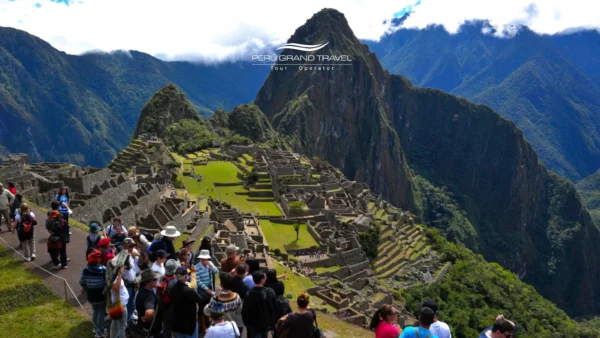
Welcome, my dear traveler. If we were standing together right now on the balcony of a colonial mansion in the Plaza de Armas, feeling the gentle breeze that justifies the nickname “City of Eternal Spring,” I would tell you that Trujillo, Peru, is a destination of elegant contradictions.
Table of Contents
It is where the desert meets the fertile valley. It is where the roar of the Pacific Ocean competes with the silence of ancient adobe cities. It is where the Spanish colonial past, marked by pirates and viceroys, stands side by side with the majestic legacy of the Moche and Chimú civilizations.
Many travelers rush south to Cusco, bypassing the north. But you? You are looking for something different. You seek the stories etched in sand and the adrenaline of the waves.

As your host at Peru Grand Travel, allow me to guide you through the streets, ruins, and beaches of this coastal jewel. From the intricate mud friezes of Chan Chan to the reed boats of Huanchaco, this is why Trujillo, Peru, deserves a prime spot on your itinerary.
Let’s unravel the secrets of the north together.
Where is Trujillo, Peru, located?
Trujillo, Peru, is strategically located on the northern coast, serving as the gateway to the archaeological and cultural riches of the La Libertad region.
Understanding the geography is key to appreciating the destination. Trujillo, Peru, sits in a coastal desert strip, watered by the Moche River valley. It is approximately 560 kilometers (350 miles) north of Lima.
Trujillo’s location within Peru
Strategically positioned between the Pacific Ocean and the Andean foothills, the city is a vital link in the Pan-American Highway. It serves as the gateway to the “Moche Route,” a series of archaeological sites that rival the wonders of southern Peru. The geography here is a dramatic blend of fertile valleys and arid desert dunes that hold secrets thousands of years old.
Trujillo, Peru time zone
Trujillo, Peru, operates in the PET (Peru Time) zone, which is GMT-5. This is a significant advantage for travelers from the Americas, as it aligns perfectly with the Eastern Time Zone of the United States for much of the year.
- Comparison with the USA: During the northern winter, Trujillo shares the same time as New York (EST).
- Comparison with Europe: Trujillo is typically 5 to 6 hours behind London and 6 to 7 hours behind Central Europe.
DID YOU KNOW?
Because of its northern location and the Humboldt Current, Trujillo is known as the “City of Everlasting Spring,” maintaining a spring-like climate that makes it a year-round destination.
The Foundation of Trujillo Peru: A Celebration of History
Every year on March 5th, Trujillo, Peru, pauses to remember its origins, celebrating its foundation with a mix of solemn history and vibrant festivity.
The history of the city’s foundation is the bedrock of its identity as the “First City of Independence.”
The History: Pizarro and Almagro
Trujillo, Peru, was founded on March 5, 1535, by the conquistador Francisco Pizarro, who named it after his birthplace in Extremadura, Spain. However, it was Diego de Almagro who had established the first settlement in late 1534.
- Strategic Importance: It was designed to be a vital link between the capital, Lima, and the northern territories. Its layout followed a classic checkerboard pattern, which you can still walk today in the Historic Center.
How is the Foundation Day celebrated?
If you are lucky enough to be in Trujillo, Peru, in early March, you will witness a city proud of its heritage.
- Civic Ceremonies: The day begins with a solemn mass in the Cathedral and the raising of the flag in the Plaza de Armas, attended by local authorities.
- The Marinera: No celebration in Trujillo is complete without the Marinera Norteña. You will see impromptu performances of this elegant courtship dance in the streets and plazas.
- Cultural Events: The week is filled with art exhibitions, parades of paso horses, and gastronomic fairs showcasing the best of comida norteña (northern food). It is a time when the “nobility” of the city shines.
DID YOU KNOW?
Trujillo’s Independence: While founded by the Spanish, Trujillo holds the title of “City of Merit to the Fatherland” because it was the first major Peruvian city to declare independence from Spain on December 29, 1820, essentially freeing the entire north of Peru without a single shot being fired. This independent spirit is celebrated alongside its foundation.

Why Is Trujillo, Peru Famous?
Trujillo, Peru, is famous for being the “Capital of Culture” of the country, and the capital of the Marinera, Peru’s most elegant national dance. However, its true global fame stems from its role as the seat of the powerful Moche and Chimú empires.
When you walk the streets of Trujillo, Peru, you are walking through layers of time. It is not just one thing; it is a tapestry.
Trujillo is the cradle of ancient civilizations
Long before the Incas rose to power, the north was ruled by the Moche and Chimú cultures.
- The Moche | 100–700 AD: Masters of pottery and metallurgy. They built the massive Huacas del Sol y la Luna.
- The Chimú | 900–1470 AD: Architects of the largest mud-brick city in the world, Chan Chan. Their engineering feats in the desert are still studied today.

Colonial Trujillo and its cultural legacy
Founded in 1534 by Diego de Almagro, Trujillo, Peru was one of the first cities established by the Spanish.
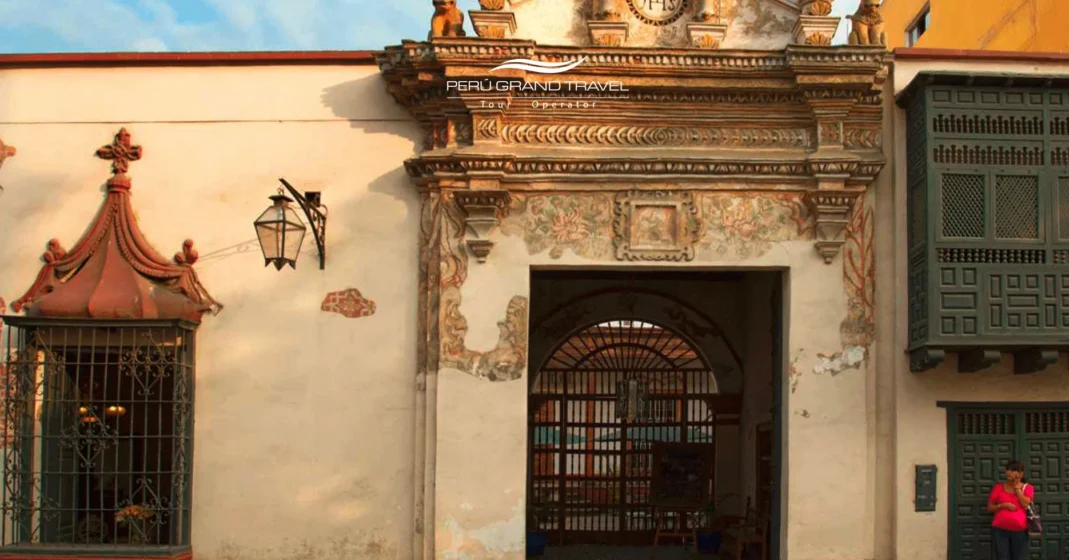
- The Architecture: The historic center is a showcase of colorful mansions with iconic wrought-iron window grilles and massive wooden doors.
- Independence: It was the first major city in Peru to declare independence from Spain in 1820, earning it a special place in the national heart.
What Is Chan Chan and Why Is It So Important?
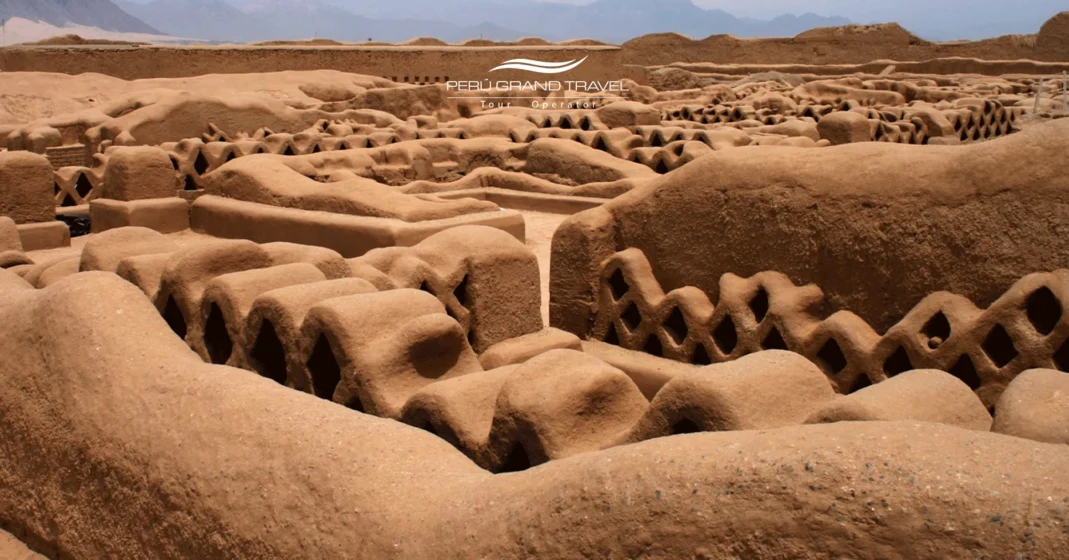
Chan Chan is not just a ruin; it is a masterpiece of urban planning and the largest adobe city in the pre-Columbian Americas, located just minutes from Trujillo, Peru.
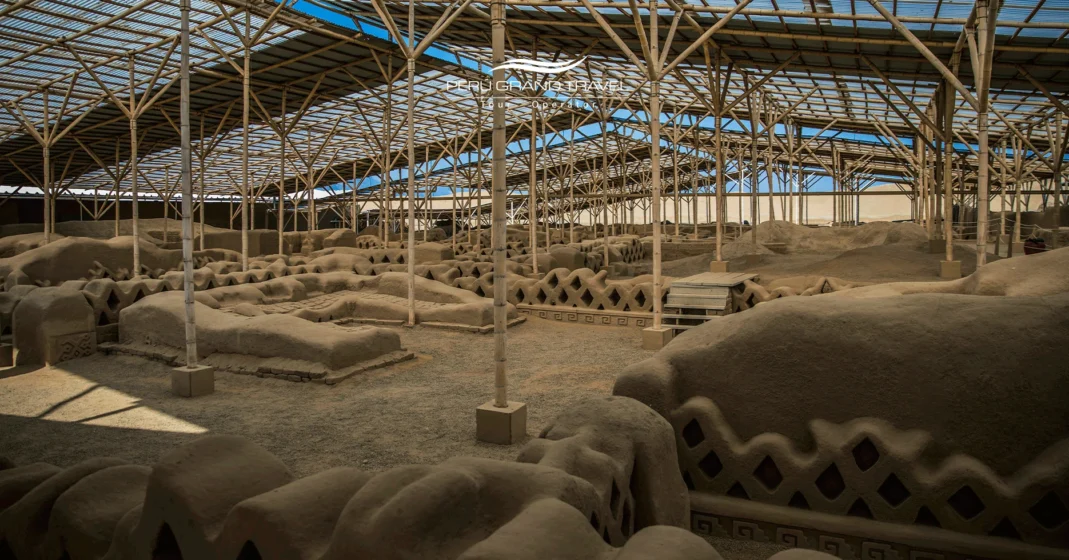
If you search for Trujillo, Peru, you will inevitably find Chan Chan. It was the imperial capital of the Chimú kingdom. At its peak, it was a metropolis of palaces, temples, and workshops.
What is Chan Chan?
Spanning nearly 20 square kilometers, this “City of Clay” is composed of nine massive citadels, or palaces, built for the Chimú kings. Each citadel is a labyrinth of ceremonial plazas, royal burial chambers, and intricate friezes carved directly into the mud walls. These carvings depict sea birds, fish, and geometric waves, reflecting the Chimú’s deep spiritual connection to the ocean.
How to visit Chan Chan today
Visiting Chan Chan, Trujillo, Peru, is a sensory experience.
- The Nik An Palace: This is the only restored palace open to the public. Walking through its ceremonial plazas and corridors, you can feel the silence of the desert.
- The Museum: Don’t skip the site museum. It provides the context needed to understand the scale of the Chimú empire.
- Logistics: It is located just 10 minutes from the city center on the way to Huanchaco.
IMPORTANT FACT
A Desert Metropolis: Chan Chan once housed over 30,000 inhabitants at its peak, making it one of the largest cities of its time in the Southern Hemisphere.
Who Attacked Trujillo in the Past? | Pirates, French and Spanish Conflicts
The history of Trujillo, Peru, is also a history of defense, as its wealth attracted the attention of pirates and privateers who roamed the Pacific.
You might notice something peculiar about the historic center of Trujillo, Peru: it is surrounded by the remnants of a massive elliptical wall. Why? Because the city was a target.
Pirate attacks on Trujillo
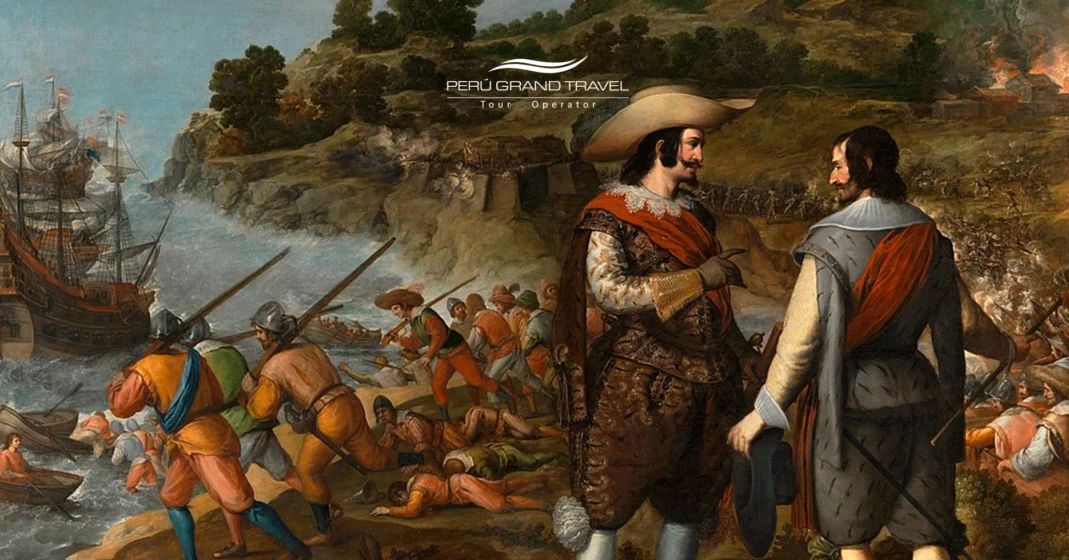
In the 17th and 18th centuries, Trujillo, Peru, was wealthy. It exported sugar, cereals, and silver. This attracted unwanted attention.
- The Threat: Pirates and corsairs, often English or Dutch, terrorized the Peruvian coast.
- The Wall: To protect the nobility and the rich, the Wall of Trujillo was built in the late 1600s. Today, parts of it still stand, marking the boundary of the historic center.
Spanish and French threats in colonial times
The question of “who continually attacked Trujillo, the Spanis,h the French Peru pirates” reveals a turbulent era. While the Spanish founded the city, internal conflicts and wars between European powers (like France and Spain) often spilled over into the colonies, threatening the stability of coastal cities like Trujillo.
What Is Huanchaco and Why Should You Visit It?
Huanchaco is the beachside soul of Trujillo, Peru, a place where surfing history and living culture merge on the waves.
Just 12 kilometers from the city center lies Huanchaco, a destination that is much more than a beach town.
Huanchaco’s ancestral fishing tradition
Here, you will see something unique in the world: the Caballitos de Totora (Little Horses of Totora Reeds).
- Living Archaeology: These reed watercraft have been used by local fishermen for over 3,000 years, since the time of the Moche.
- The “Surf”: Fishermen ride these boats like surfboards to return to shore. It is widely considered the earliest form of surfing in history.
Huanchaco today: beach, culture and lifestyle
Today, Huanchaco is a World Surfing Reserve. It has a laid-back, bohemian vibe.
- The Food: It is the best place to try a fresh Ceviche by the sea.
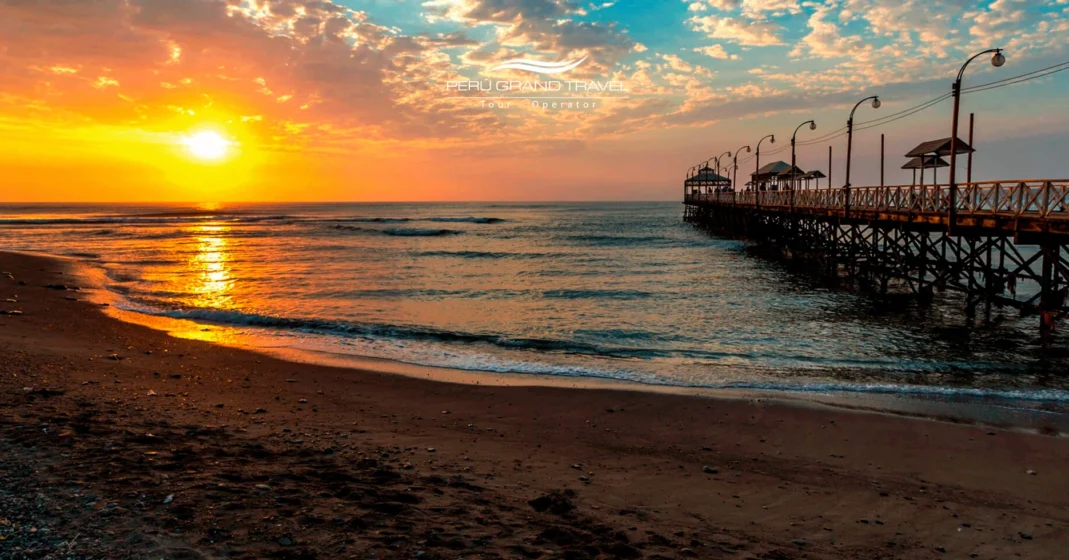
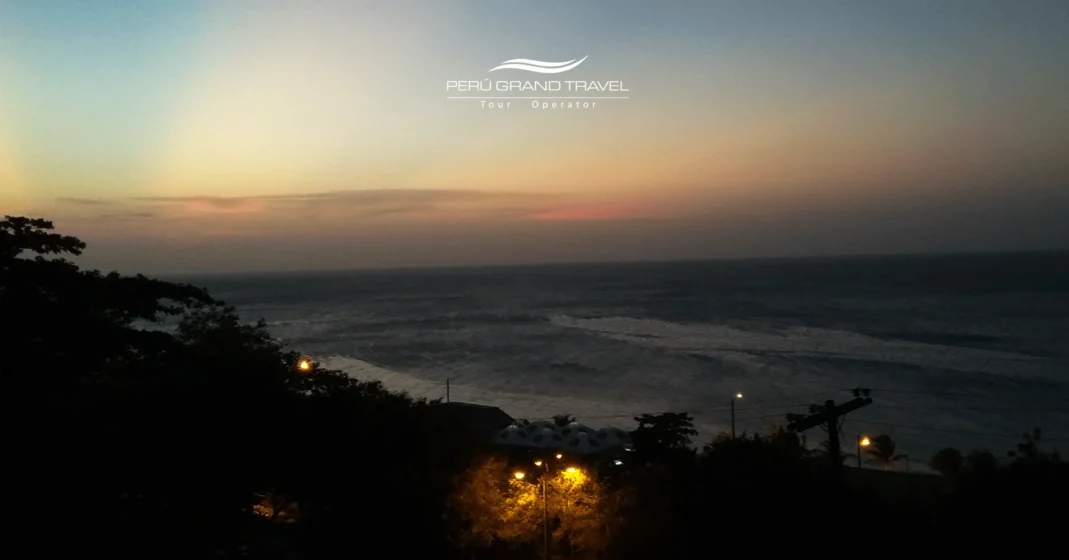
- The Sunset: Watching the sun dip below the horizon, framed by the silhouette of the reed boats standing vertically on the sand to dry, is the quintessential postcard of Trujillo, Peru.
- Atmosphere: A relaxed, bohemian vibe that contrasts beautifully with the colonial formality of the city center.
Must-Visit Archaeological Sites in Trujillo, Peru | Beyond Chan Chan
While Chan Chan is the headline, the desert around Trujillo, Peru, hides other archaeological giants that rival the pyramids of Egypt in mystery and scale.
To truly understand the history of this region, you must visit these sites where the Moche culture ruled long before the Chimú.
Huacas del Sol y la Luna | Temples of the Sun and Moon
Located just a few kilometers from the city center, these massive adobe pyramids were the spiritual and administrative heart of the Moche civilization.
- Huaca de la Luna: This is the highlight. Unlike many ruins that are bare stone, the walls here are covered in original polychrome murals. You can see the terrifying face of the “Decapitator God” (Ai Apaec) painted in vivid reds, yellows, and blacks that have survived 1,500 years. It is a stunning visual experience.
- Huaca del Sol: A political center, it is the largest adobe pyramid in the Americas, built with over 140 million mud bricks.
El Brujo Archaeological Complex & The Lady of Cao
For a deeper dive, travel about an hour north to the Chicama Valley.
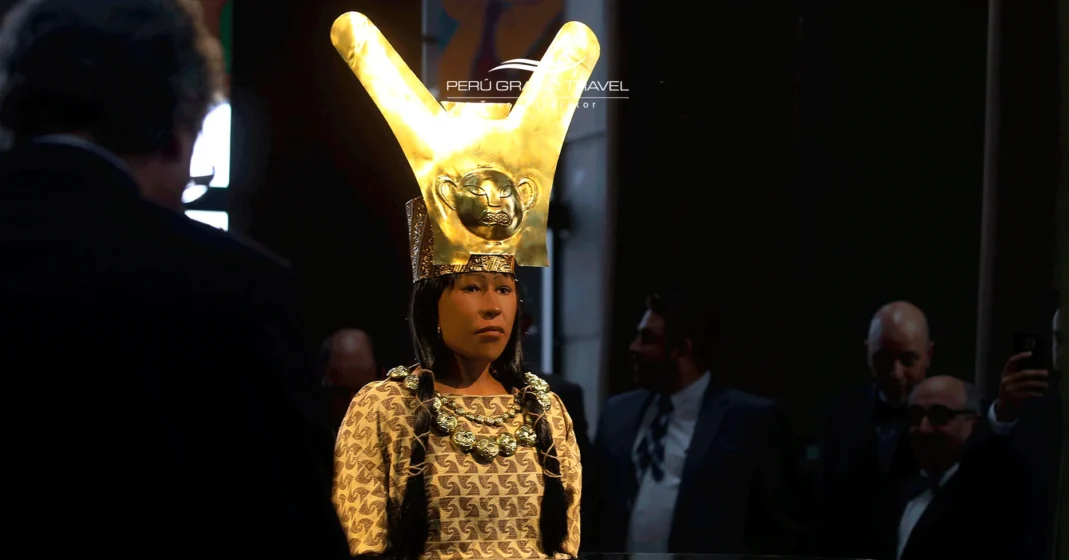
- The Lady of Cao: This site changed history. In 2006, archaeologists discovered the tomb of a female Moche ruler, shattering the idea that only men held power. You can see her incredibly well-preserved mummy, still covered in snake and spider tattoos, in the on-site museum. It is intimate, powerful, and unique.
Huaca del Dragón | Huaca Arco Iris
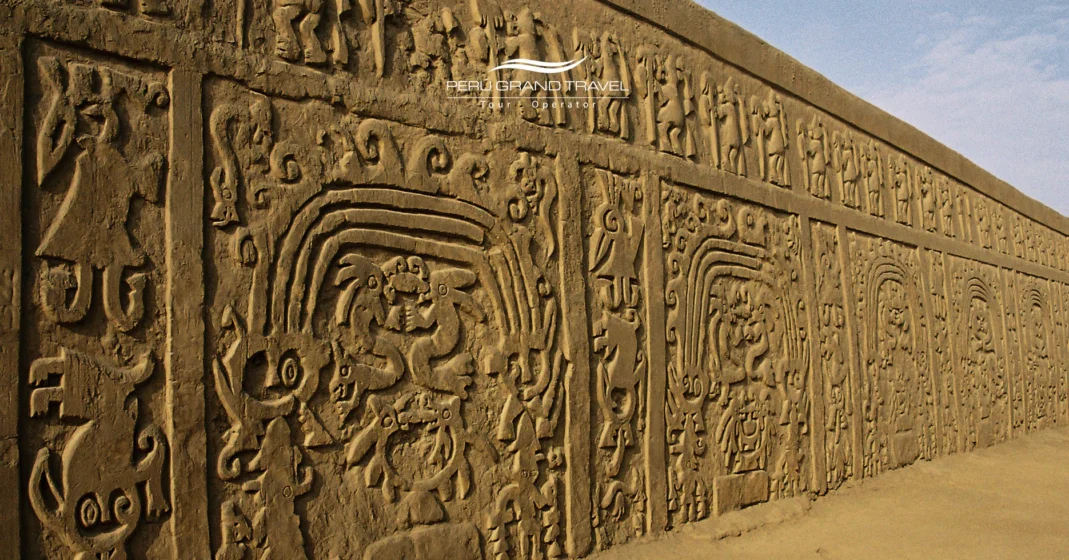
A smaller Chimú temple is located within the city limits of Trujillo, Peru. Its walls are decorated with high-relief friezes of rainbows and dragons, symbolizing fertility and rain. It is a quick but fascinating stop.
Is Trujillo, Peru, a Good Destination for Surf?
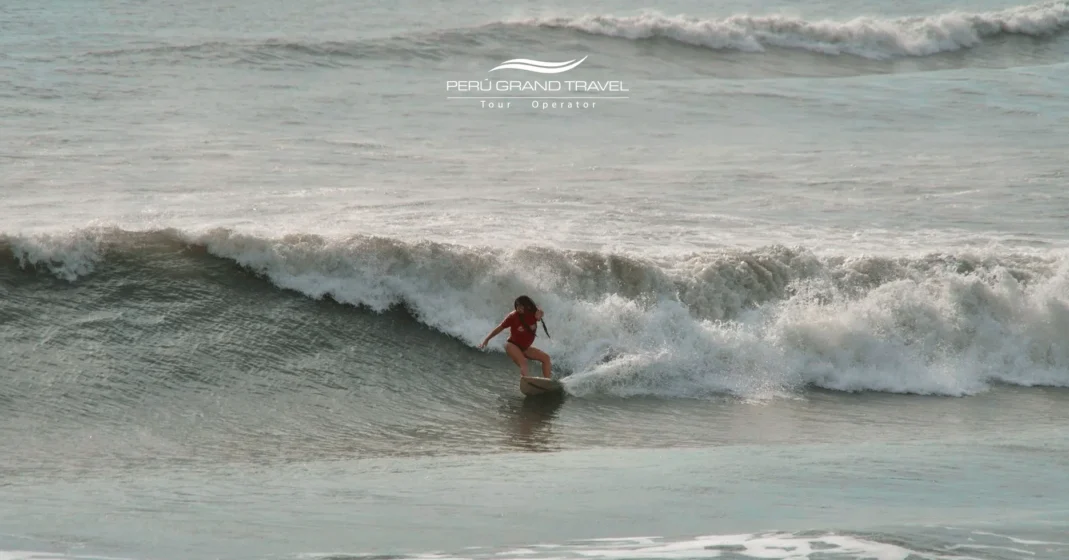
Yes, Trujillo, Peru, is a world-class surf destination, offering consistent waves for beginners and legendary breaks for the pros.
The coastline of La Libertad is a magnet for surfers globally. When you talk about surf Trujillo, you are talking about consistency and length.
Best surf spots near Trujillo
- Huanchaco: Perfect for all levels. It has consistent lefts and several breaks along the beach.
- Chicama | Puerto Malabrigo: Located about an hour north of Trujillo, Peru, this is the holy grail. It boasts the longest left wave in the world. On a good day, you can ride a single wave for over 2 kilometers. It is a leg-burning, euphoric experience.
Surf culture and seasons
The surf culture in Trujillo, Peru, is strong. You will find surf schools, hostels, and a community that lives for the ocean.
- Best Season: You can surf year-round, but the swells are often larger and more consistent during the southern hemisphere winter (April to October).
ADVICE GRAND
Go to Chicama: Even if you don’t surf, watching the pros ride the endless wave at Chicama is hypnotic. It is a natural wonder of the surfing world.
What Is the Weather Like in Trujillo, Peru?
Trujillo, Peru, enjoys a unique desert climate that earns it the title “City of Eternal Spring,” making it a year-round destination.
Understanding the Trujillo, Peru weather is crucial for packing. Despite being in the tropics, it is not sweltering hot due to the Humboldt Current.
Climate throughout the year
- Arid and Mild: It almost never rains in Trujillo, Peru. The city sits in a coastal desert.
- Temperatures: Average temperatures hover pleasantly between 19°C (66°F) and 25°C (77°F). It is rarely too hot or too cold.
Best time to visit Trujillo
While you can visit anytime, your “best time” depends on your goal:
- Summer | Dec-March: Ideal for beach lovers and surfing in Huanchaco. It’s warmer and sunnier.
- Winter/Spring | May-Oct: Perfect for archaeology (Chan Chan, Huacas) as it’s cooler for walking in the desert, though days can be overcast with coastal mist (garúa).
| Season | Months | Avg. Temp | Rain | Best For |
| Summer | Dec – Mar | 24°C – 28°C | Very Low | Beach, Surf Trujillo, Sunsets |
| Autumn | Apr – Jun | 20°C – 24°C | None | Cultural Tours, Festivals |
| Winter | Jul – Sep | 17°C – 20°C | None | Archaeology, Chan Chan |
| Spring | Oct – Nov | 19°C – 22°C | None | Marinera Festival Prep |
What Is Life Like in Trujillo, Peru?
Life in Trujillo, Peru, moves at a rhythm that balances the energy of a major economic hub with the relaxed pace of a coastal town.
As the third-largest city in the country, Trujillo, Peru is vibrant.
Daily life and local rhythm
The city wakes up early. The historic center is the hub of commerce and government. By midday, the sun slows things down, and lunch is a sacred, extended affair. In the evenings, the Plaza de Armas fills with families and students. It is a university city, which keeps the energy young and intellectual.
Cost of living and lifestyle
For travelers, Trujillo, Peru, offers excellent value.
- Affordable Luxury: You can enjoy high-end dining and accommodation for significantly less than in Lima or Cusco.
- Navigation: Taxis are cheap and plentiful, making it easy to zip between the ruins, the city, and the beach.
What Is the Food Like in Trujillo, Peru?
Trujillo, Peru, is a gastronomic heavyweight, offering a distinct northern cuisine that is spicy, flavorful, and deeply connected to both land and sea.
You cannot visit Trujillo, Peru, without diving into its culinary scene.
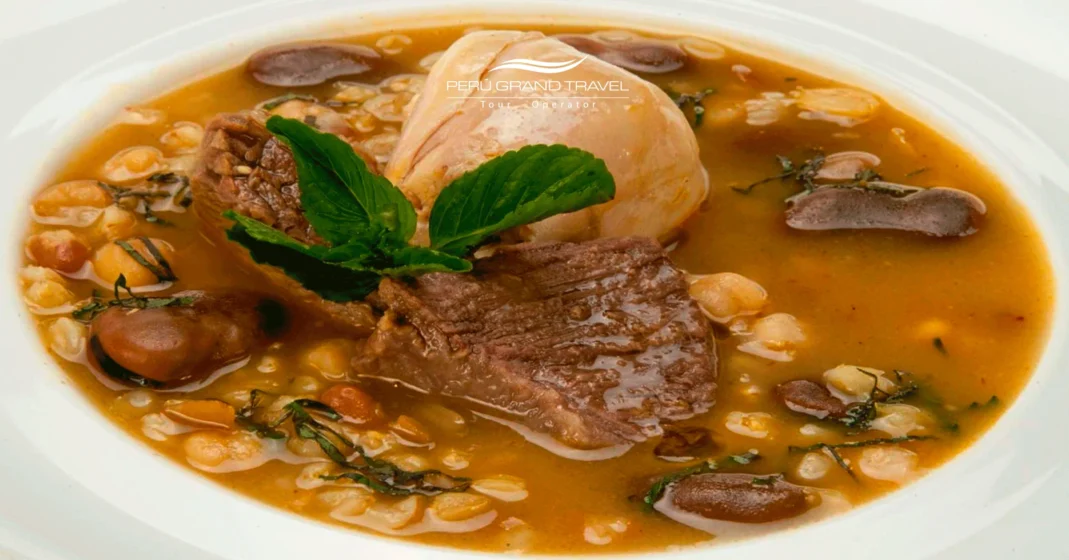
Typical dishes from Trujillo
- Shambar: This is a ritual. A thick soup made of wheat, beans, pork skin, and herbs. Tradition dictates it is only eaten on Mondays.
- Ceviche Norteño: Unlike the Lima version, the northern ceviche often includes zarandaja (a type of bean) and is marinated quickly in the strong local limes.
- Seco de Cabrito: Kid goat stewed in cilantro and chicha de jora, served with beans and rice. It is tender and intensely flavorful.
Markets and local food experiences
For the authentic experience, visit the Mercado Central. Seeing the fresh produce, the mountains of limes, and the daily catch arriving from Huanchaco connects you to the source of these flavors.
Is Trujillo, Peru, Safe for Travelers?
Like any major Latin American city, Trujillo, Peru requires common sense, but it is generally safe for tourists who stay within the established circuits.
Safety is a common question. Is Trujillo, Peru, safe? Yes, if you are smart.
Safety overview for visitors
- The Safe Zones: The Historic Center (Plaza de Armas and surrounding streets) and Huanchaco are safe for tourists, especially during the day. There is a strong police presence.
- Areas to Avoid: Like in Lima, the outskirts and certain districts (like El Porvenir or Florencia de Mora) are not tourist zones and should be avoided.
Practical travel tips
- Transport: Use registered taxi apps (like Uber or InDrive) or ask your hotel/restaurant to call a cab. Do not hail random taxis on the street at night.
- Valuables: Keep your camera and phone discreet when walking in crowded areas.
- Guided Tours: For sites like the Huacas del Sol y la Luna, which are on the outskirts, taking a guided tour with Peru Grand Travel ensures secure and comfortable transport.
How Many Days Do You Need to Visit Trujillo, Peru?
To truly appreciate the depth of Trujillo, Peru, rushing is not an option. We recommend a minimum of 3 days to balance history, culture, and relaxation.
2-Day Itinerary | The Essentials
- Day 1: Explore the Historic Center and the Moche Huacas (Sol y Luna).
- Day 2: Visit Chan Chan and end the day with sunset in Huanchaco.
4-5 Day | Immersive Experience
This allows you to breathe.
- Additions: A full-day trip to El Brujo archaeological complex (home of the Lady of Cao mummy), a surf lesson in Huanchaco, and a dedicated gastronomic tour.
DID YOU KNOW?
Most travelers underestimate Trujillo Peru. They allocate one day and leave regretting they didn’t have time to see the museums or enjoy the beach. Don’t make that mistake.
What Makes Trujillo, Peru, Different from Other Coastal Cities?
Trujillo, Peru, stands out for its specific blend of Colonial elegance and deep Pre-Inca roots, a combination you won’t find in Lima or Piura.
- Vs. Lima: Trujillo, Peru, is sunnier, smaller, and easier to navigate. The colonial architecture is more colorful and distinct.
- Vs. Piura/Máncora: While the north has better beaches for swimming, Trujillo, Peru, offers a far superior cultural and archaeological experience. It is the perfect balance of city and history.
Frequently Asked Questions About Trujillo, Peru
Where is Trujillo, Peru, located?
Trujillo, Peru, is located on the northwestern coast of Peru, in the La Libertad region, about an 8-9 hour drive or a 1-hour flight north of Lima.
What is Trujillo Peru, famous for?
It is famous for the ancient adobe city of Chan Chan, the Moche temples of the Sun and Moon, the beach town of Huanchaco, and the National Marinera Festival.
Is Trujillo, Peru, safe for tourists?
Yes, main tourist areas like the Historic Center and Huanchaco are safe. Standard travel precautions apply regarding personal belongings and transport.
What is the weather like in Trujillo, Peru?
It has a desert climate with mild temperatures year-round (19-25°C). It is known as the “City of Eternal Spring.”
How many days do you need in Trujillo?
We recommend at least 3 days to comfortably see the major archaeological sites and enjoy the coastal vibe of Huanchaco.
Is Trujillo good for surfing?
Excellent. Huanchaco is a World Surfing Reserve, and nearby Chicama offers the longest left wave in the world.
What civilization built Chan Chan?
Chan Chan was built by the Chimú civilization, which flourished on the northern coast before being conquered by the Incas.
Why Trujillo, Peru, Is a Destination You Shouldn’t Skip
Trujillo, Peru, is not a loud city. It doesn’t compete. It reveals itself slowly—through sand, waves, and ancient walls.
My friend, Trujillo, Peru, is for the traveler who wants to understand the origins of civilization in South America. It is for the person who wants to see a pyramid made of millions of adobe bricks and then eat the best seafood of their life.
At Peru Grand Travel, we are ready to be your hosts in the north. We have the local knowledge, the private drivers, and the passion to show you why this city is the Capital of Culture.
Are you ready to explore the Kingdom of the Desert?
Contact us today, and let’s plan your journey to Trujillo, Peru.
We invite you to explore our Peru packages. Your experience in Peru is just one step away. Contact us now and start living the unique adventure you’ve always dreamed of.
More information:
- Visit our English website: Peru Grand Travel
- Visit our Spanish website: Viajes Machu Picchu Tours
- Visit our Portuguese website: Machu Picchu Pacotes

Experiences

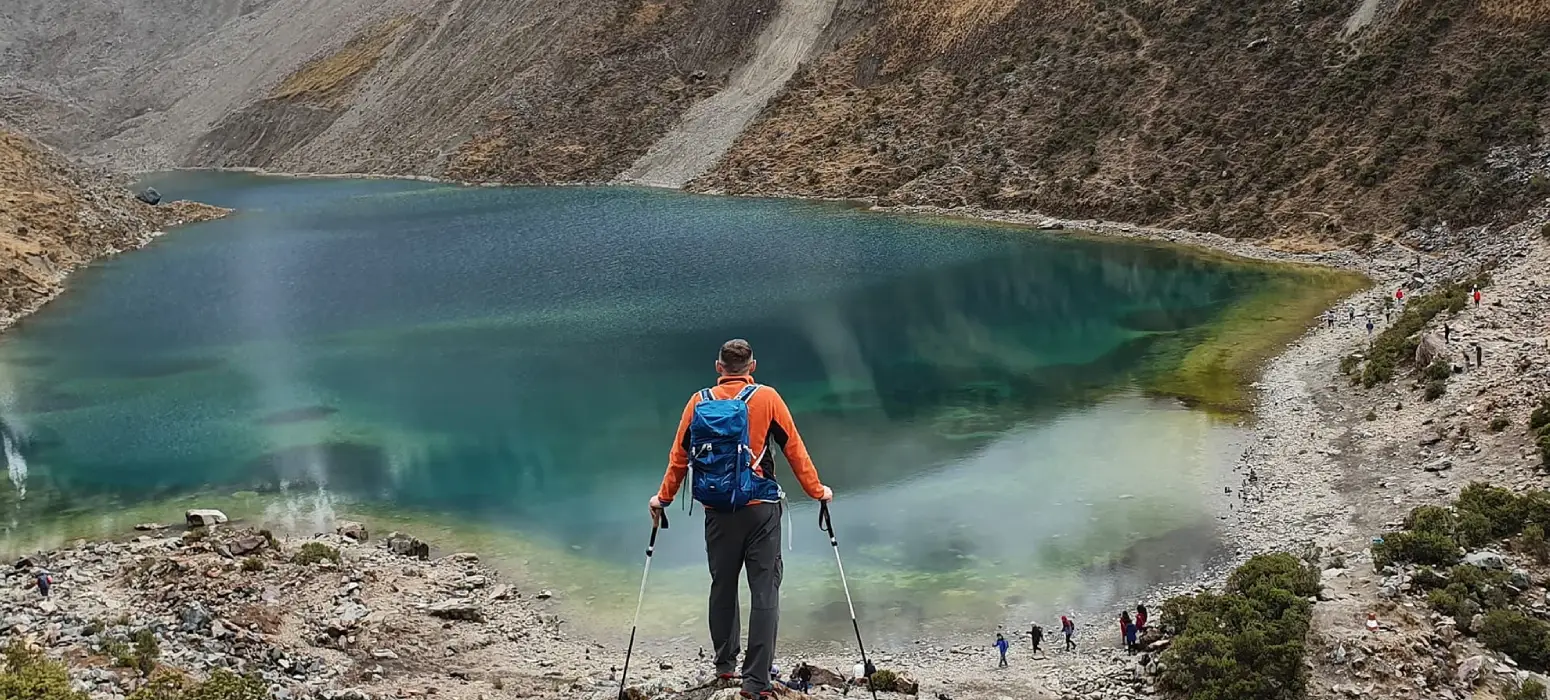
Machu Picchu Challenge 8D/7N
Cusco, Sacred Valley Humantay Lagoon, Rainbow Mountain & Machu Picchu.
View Tour
Colonial Lima and Sacred land of the Incas 7D/6N
Lima, Cusco, Sacred Valley & Machu Picchu.
View Tour