Table of Contents
Everything about Salkantay Mountain: Location, weather… and Tourism
Salkantay is a Quechua word that means “Wild Mountain” or “Inaccessible Mountain.” It is a name that describes the imposing presence and majesty of the Salkantay Mountain in the Vilcabamba mountain range. This mountain is considered one of the most emblematic and revered in Andean culture and has been the subject of respect and reverence since ancient times. Its name reflects the greatness and impressive character of this mountain rising in the Peruvian Andes. Get ready to live a unique and enriching experience in the Salkantay Mountain!
Geographical Location and Characteristics of the Mountain
The Salkantay Mountain is located in the Cusco region of Peru. It is part of the Vilcabamba mountain range. This imposing mountain has snowy peaks and glaciers that offer a breathtaking landscape.
Altitude and weather Conditions in the Region
Due to its high altitude, the Salkantay Mountain presents varied climate conditions. It has an impressive altitude of approximately 6,271 meters above sea level. In the high areas, temperatures can drop below zero, especially at night. During the day, temperatures can range from 10°C to 20°C. It is important to note that the weather in the mountains can be unpredictable, so it is recommended to be prepared for different weather conditions.
Routes and Trekking Options to the Mountain
There are several popular routes for trekking to the Salkantay Mountain. One of the most common is the Salkantay route, which usually takes about 5 days to complete. Another option is the Llactapata route, which offers panoramic views of the mountain and Machu Picchu. There are also shorter Santa Teresa trekking options that allow you to enjoy the landscape without requiring as much time.
Level of Difficulty and Required Physical Preparation
Trekking to the Salkantay Mountain can be challenging due to the altitude and rugged terrain. It is recommended to have good physical condition and perform preparation exercises before the hike. It is essential to acclimate properly to the altitude to prevent health problems.
Natural Attractions and Panoramic Views During the Trek
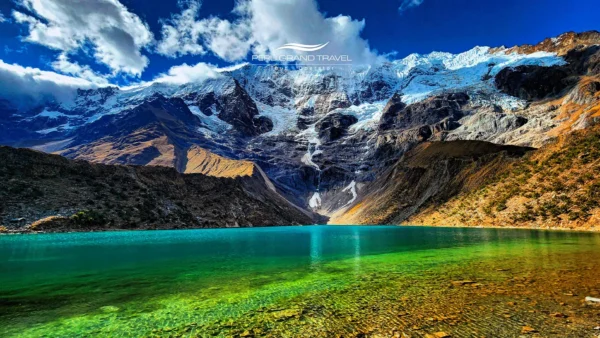
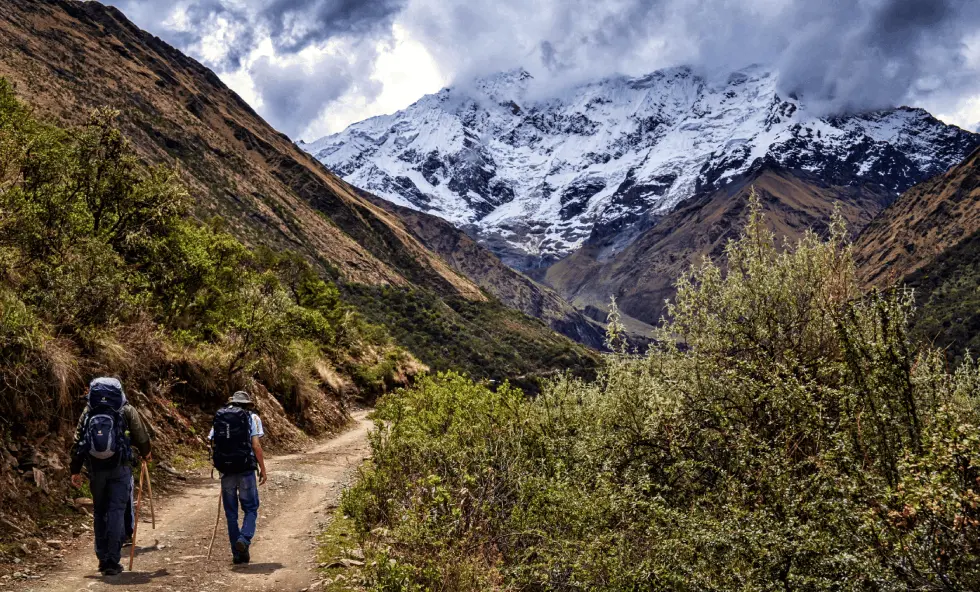
During the trek to Salkantay, hikers can enjoy stunning panoramic views of mountains, valleys, glaciers, and lagoons. Additionally, you can appreciate the diversity of flora and fauna in the region, as well as beautiful waterfalls and natural landscapes.
Communities and Villages Near the Salkantay Mountain
During the trekking, there is an opportunity to interact with the local communities living near the Salkantay Mountain. Some of these communities are Soraypampa and Challacancha. The locals offer guide services, accommodation, and food, providing visitors with an authentic and enriching experience.
Campsites and Shelters on the Route
Along the route to Salkantay Mountain, there are camping and shelter options for overnight stays. Some campsites are basic, with tents and basic services, while others offer more comfortable accommodations such as domes and lodges. It is important to book in advance, especially during the high season.
Some shelters also provide food services, offering hot meals for hikers.
The Best Time to Visit the Salkantay Mountain

The best time to trek to the Salkantay Mountain is during the months of April to October, which correspond to the dry season in the region. During these months, there are better weather conditions, and it is less likely to encounter rain. However, it is essential to consider that the weather in the mountains can be unpredictable, so it is always advisable to be prepared for different weather situations.
Flora and Fauna in the Foothills of Salkantay Mountain
The foothills of the Salkantay Mountain are home to rich biodiversity. Here, you can find various plant species, such as orchids, bromeliads, and a variety of native trees. Regarding fauna, it is possible to spot birds such as hummingbirds and various mammal species, such as the Andean deer and the spectacled bear.
Flora
Cloud Forests: You can find a large number of orchids, ferns, bromeliads, and mosses that grow on trees and on the forest floor.
Puna and Grasslands: Ichu, chuquiragua, yareta, and llareta, which are resistant to extreme high-altitude conditions.
Medicinal Plants: Mint, matico, black matico, and hierba luisa stand out for their healing and aromatic properties.
Fauna
Birds: Such as hummingbirds, the Andean quetzal, and other colorful and exotic species.
Mammals: The Andean bear, taruca (Andean deer), viscacha, paca, and puma can be found. These animals have adapted to mountain life and play an essential role in the ecosystem.
Amphibians and Reptiles: several non-venomous snake species.
Recommendations for Trekking to the Salkantay Mountain:
Adequate Physical Preparation
Before embarking on the trek to the Salkantay Mountain, it is essential to ensure that you are in good physical condition. Perform cardio, strength training, and endurance exercises to prepare your body for the challenges of the hike.
Altitude Acclimatization
The Salkantay Mountain is at a high altitude, so it is crucial to acclimate before starting the trek. Arrive a few days early in Cusco to allow your body to gradually adapt to the altitude and avoid health problems related to altitude sickness.
Proper Equipment
Make sure to bring the appropriate equipment for the trek. This includes sturdy and comfortable trekking boots, waterproof and warm clothing, a durable and lightweight backpack, a quality sleeping bag, trekking poles, sunscreen, insect repellent, and a headlamp.
Adequate Hydration and Nutrition
During the trek, it is essential to stay hydrated. Carry a reusable water bottle with you and make sure to drink enough throughout the hike. Additionally, bring energy-rich foods such as granola bars, dried fruits, and healthy snacks to maintain your energy levels during the journey.
Respect for the Natural and Cultural Environment
While trekking to the Salkantay Mountain, respect the natural and cultural environment around you. Do not leave any trash behind, follow the guides’ instructions, and avoid damaging the local flora and fauna. Also, respect the customs and traditions of the local communities you encounter during the hike.
Hire a Local Guide
For a safe and enriching experience, it is recommended to hire the services of a local guide. They know the area well, will provide valuable information about the Salkantay Mountain, and help you navigate the terrain safely.
Plan Ahead
Make careful planning before starting the trek. Research the available routes, the weather during the time you plan to go, the necessary permits, and the available campsites or shelters along the route. Book in advance to secure your spot.
Be Aware of Your Limits
During the trek to the Salkantay Mountain, listen to your body and be aware of your limits. If you feel that fatigue or altitude affects you too much, do not hesitate to rest and take necessary precautions. Safety and well-being are the top priorities.
Enjoy the Landscape and Be Responsible in Your Photographs
The Salkantay Mountain offers stunning landscapes, so take the time to admire and enjoy every moment. If you take photographs, do so responsibly, without damaging the environment or disturbing the local flora and fauna.
Make your dreams of exploring Inca Culture come true with our Peru travel agency that stands out for offering quality services and personalized attention at every stage of your journey.
Our Peru vacation packages are meticulously designed to cater to all your travel preferences, whether you’re in search of an exciting adventure, a relaxing break, or unforgettable vacations. We provide flexible options so you can enjoy the experience that best suits your desires.

Experiences

Machu Picchu Challenge 8D/7N
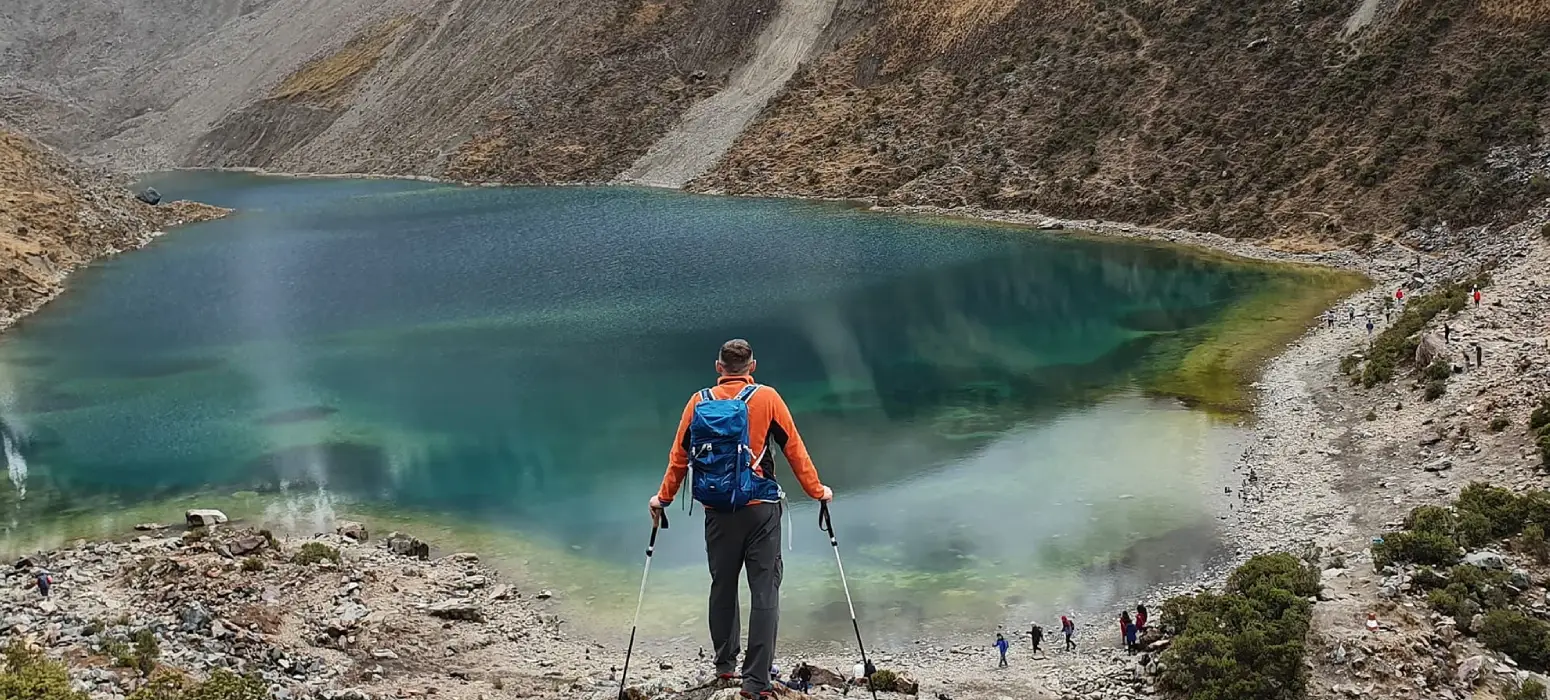
Cusco, Sacred Valley Humantay Lagoon, Rainbow Mountain & Machu Picchu.
View Tour
Colonial Lima and Sacred land of the Incas 7D/6N
Lima, Cusco, Sacred Valley & Machu Picchu.
View Tour