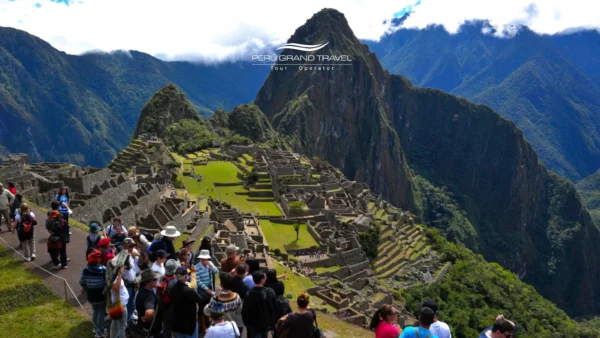
Planning a trip around Three Kings Day in Peru is a great way to experience how the Christmas season continues beyond December. Celebrated on January 6, this tradition is often called the “Bajada de Reyes.” It brings together faith, family, and local customs that change by region.
Table of Contents
In this guide, you will learn what the holiday means in Peru. You will see how people celebrate it. We will show you where to experience it as a traveler. You will also find practical tips to enjoy the day respectfully.
What is Epiphany and why it matters in Peru
Epiphany, or Three Kings Day in Peru, is celebrated on January 6. It tells the story of the Three Wise Men visiting baby Jesus. In Peru, it’s often called Bajada de Reyes, and the day is lived through church traditions and local customs that can feel different in Andean communities. For many people, it also marks the moment when the Christmas season begins to wrap up, with nativity traditions and family celebrations coming to a close.
The Christian meaning of Epiphany
Epiphany, also called Three Kings Day, is a Christian celebration. In Western tradition, it remembers the visit of the Magi, or Three Wise Men, to the baby Jesus. They brought gifts, which symbolize Jesus being revealed to the world. It is widely associated with January 6.
How the tradition blends with Andean culture
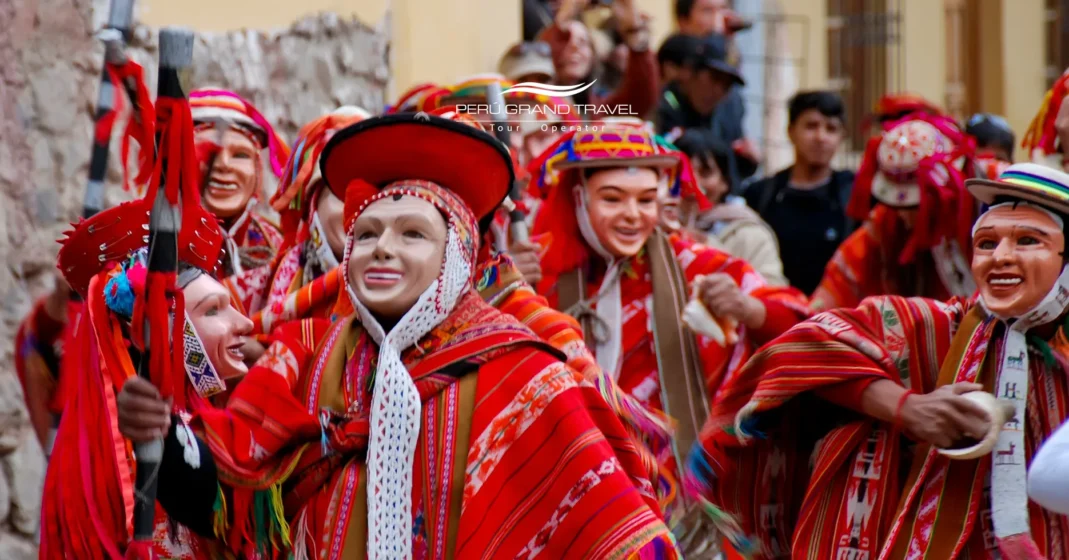
In Peru, Epiphany is commonly celebrated as Bajada de Reyes (“Descent of the Kings”). Beyond church services, many communities express the holiday through processions, local images of Niño Jesús (Baby Jesus), music, and regional customs. One well-known example is in Ollantaytambo, in the Sacred Valley.
The celebration features a procession for El Niño Jesús. It also shows strong community participation. This highlights how a Catholic feast adopts local identity and style in the Andes.
Why it’s considered the “closing” of the Christmas season in many places
In many areas of Peru, January 6 marks the end of the Christmas season. Families often take down decorations and nativity scenes (pesebres). They close the holiday with gatherings or community events. That’s why Three Kings Day in Peru is often described as the final chapter of Christmas, rather than a separate celebration.
How Three Kings Day is celebrated in Peru
In Peru, Three Kings Day celebrations are very popular. They are celebrated most enthusiastically in the Cusco region. This is especially true in the city of Cusco and in Ollantaytambo, in the Sacred Valley.
There, the Bajada de Reyes brings together processions and community traditions. There is also a lot of participation from the local people. It is also common to find activities and customs in other Andean areas such as Puno and Ayacucho, although with their own styles and rhythms depending on each community.
Cusco celebrations Three Kings Day in the city
In Cusco, Three Kings Day in Peru is often experienced through the Bajada de Reyes tradition. Many families visit churches with their Niño Manuelito, or Baby Jesus figure. You can also see small fairs where people buy outfits and accessories to dress the figures for the season. In some years, the celebration is also staged publicly in central areas like the city’s main square, with a strong “community and tradition” atmosphere.
Ollantaytambo and the Sacred Valley one of the most known celebrations
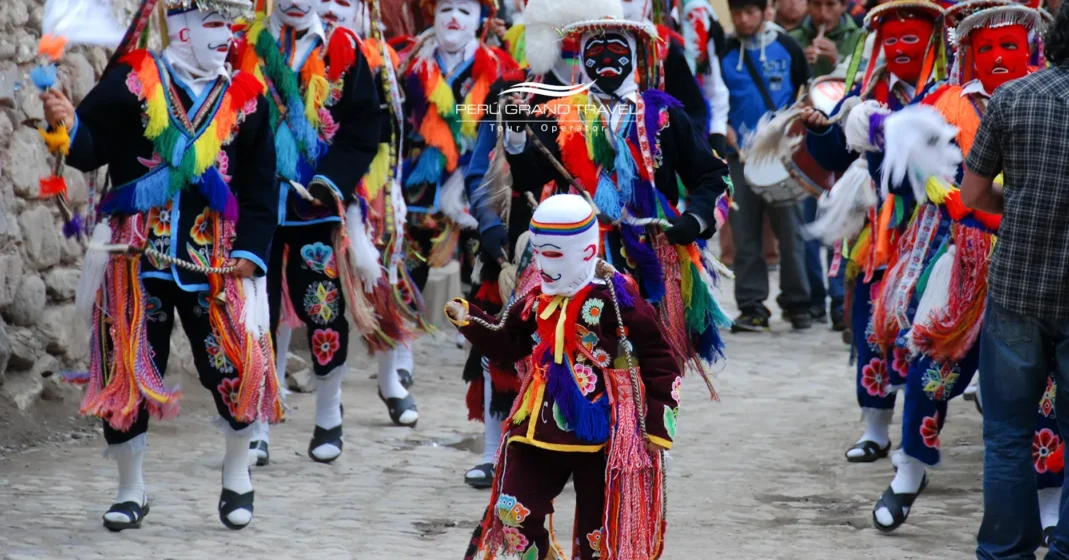
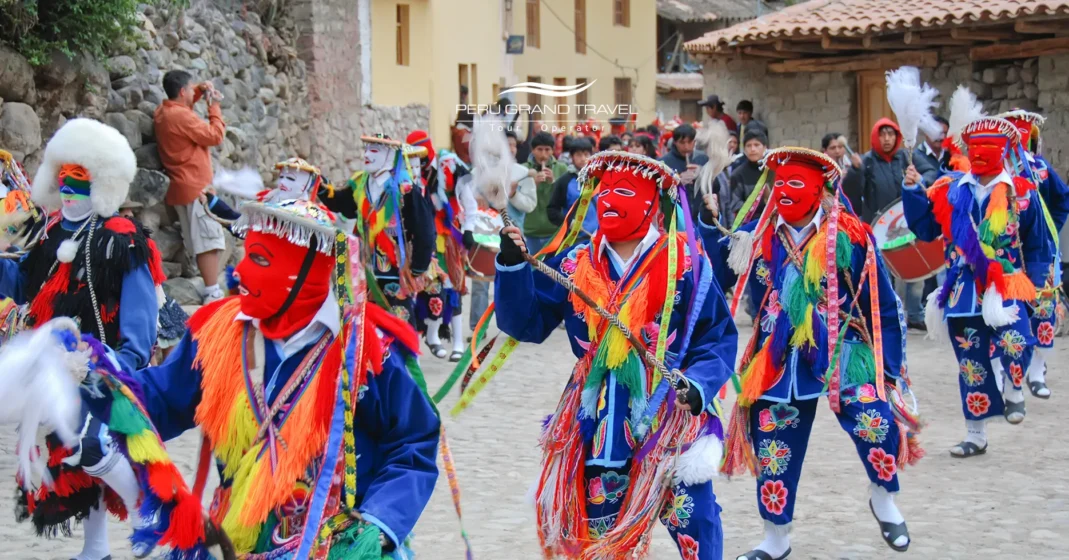
In the Sacred Valley, Ollantaytambo is widely described as one of the most famous places to see Bajada de Reyes. A central moment is the symbolic “meeting” of the Niño Jesús de Marcacocha with other Niño Jesús images kept in the town’s church, accompanied by traditional dance groups, masks, and local music. Some sources note that festivities can extend beyond a single day, which is why many travelers plan around it.
Other places to look for local events in puno Lima and ayacucho
Outside Cusco, Three Kings Day in Peru is celebrated with its own local style in several regions. In Puno, many people gather at the Sanctuary of the Virgen de la Candelaria to take part in the celebration, often connected to church bells, Mass, and community participation. In Ayacucho, especially in the Barrio de Belén, the day is celebrated with music, dancing, and shared food. These events are linked to church activities and neighborhood gatherings.
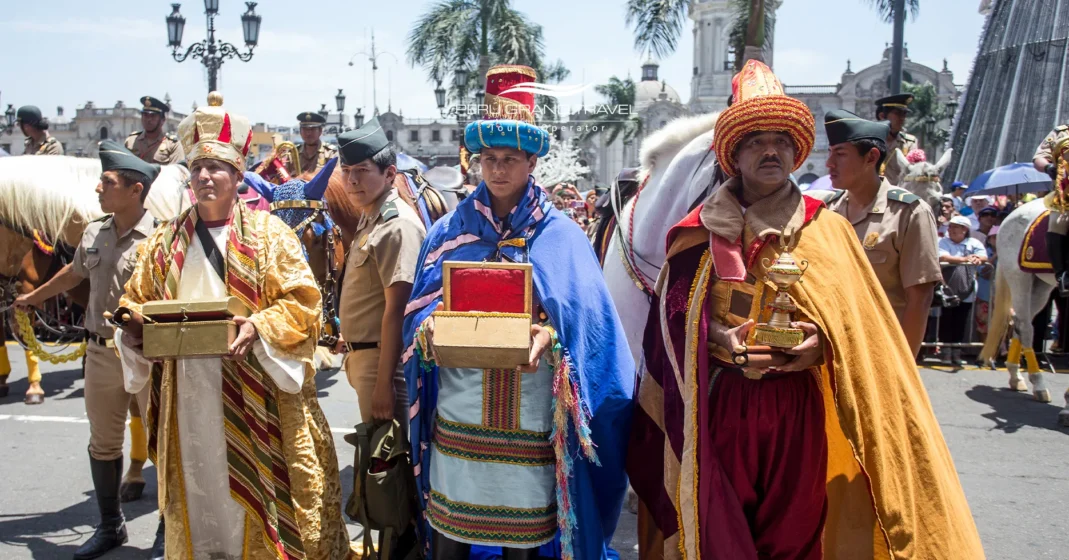
In Lima, the celebration tends to look more like a public family event: in some years, crowds gather in the Plaza de Armas to watch a symbolic “Bajada de Reyes” with the Three Kings portrayed on horseback and sweets for children. You can also find organized activities in places like the Circuito Mágico del Agua, where the Three Kings appear in a night program designed for families and visitors.
What to expect if you’re traveling
If you want to celebrate Three Kings Day in Peru, be ready for local schedules. Expect busy areas and stay flexible, especially on January 6. Here’s what the experience is usually like and how to organize yourself by region:
Cusco and the Sacred Valley
This is one of the most popular areas for the celebration. It can feel more organized but also busier, especially near churches and main squares. Plan to arrive early in the morning if you want to catch the most traditional moments (Mass, blessings, processions).
If you are going to Ollantaytambo, allow extra time for travel. Plan your return ahead of time. Activities can take longer than expected, and traffic or pickups may be slow.
Puno
In Puno, the celebration often has a religious and community-focused feel. Many people come together at important churches, like the Sanctuary of the Virgen de la Candelaria. Expect crowds during service times.
Stay organized by staying near the center if you can. Walk when possible. Dress for wind and cold, as high altitude makes it feel stronger.
Ayacucho
Ayacucho has a local and neighborhood feel. It often features music, dances, and shared food linked to church events. Timing can be more “community rhythm” than strict schedules, so it helps to ask locally what time events start and to keep your day flexible. Arrive early to see the main activities and stay alert in crowded areas, like any festival day.
Lima
In Lima, the experience is usually more public and family-oriented, often staged in central areas (like the historic center) or in organized attractions. Expect evening-friendly events and crowds in popular spots, so plan your transport around peak traffic hours. If you want photos with fewer people, go earlier and avoid the busiest arrival times.
Traditional foods and drinks for Three Kings Day
Three Kings Day in Peru is often celebrated around the table, with simple, shareable foods that feel like the “last taste” of the Christmas season. In different regions and families, you will find classic holiday favorites. These include sweet bread, hot drinks, and seasonal treats. You can easily find these in cities like Lima and Cusco.
Rosca or Roscón de Reyes in Peru
The Rosca de Reyes (sometimes called roscón) is a ring-shaped sweet bread that families share on or around January 6. It is often explained with symbolic meaning. The ring shape is linked to a crown. The candied fruit represents “jewels.” When a small hidden figure is included, it refers to the Child Jesus.
Hot chocolate and seasonal sweets
A common pairing in Peru during Christmas and Epiphany is hot chocolate. It is often served with panetón or panettone, a holiday favorite in Peru. Even though panettone has Italian roots, it’s widely adopted as part of Peru’s seasonal celebrations and is frequently mentioned alongside hot chocolate as a classic combo.
Where to try it bakeries
- Local bakeries are the best place to find Rosca or Roscón in early January. You can buy it by the slice or as a whole.
- Markets and neighborhood shops: good for seasonal sweets and ingredients (like chocolate bars made for hot chocolate).
- Hotel breakfasts, especially in Cusco and Lima, often include panetón and hot chocolate during the holidays. This is a simple way to enjoy the local tradition while traveling.
Travel tips for visitors
Three Kings Day in Peru can be easy to enjoy as a visitor, but a little planning makes a big difference. Celebrations often center around churches and main squares, schedules can vary by town, and in the Andes the weather and altitude can affect your comfort. These travel tips will help you choose the best time to go, dress correctly, move around smoothly, and experience the tradition respectfully.
Best time of day to go morning mass vs evening events
- Morning is usually best if you want the most traditional atmosphere: churches, family visits, and the “core” religious part of the day often happens earlier.
- Afternoon to early evening can be better for processions, dances, and community events (this varies by town).
- If your goal is photos + fewer crowds, arrive early and stay flexible—local schedules can shift.
What to wear rain vs dry season, altitude if you’re in the Andes
- January is often rainy in the Andes, so pack a light rain jacket/poncho and shoes with good grip.
- Dress in layers: T-shirt, fleece and windproof jacket. Even with sun, wind can make it feel cold.
- If you’re in high-altitude areas (Cusco / Sacred Valley), bring sun protection (sunscreen, sunglasses, hat) and keep a slower pace if you’re acclimatizing.
Safety and respectful photography
- Keep valuables secure in busy plazas and markets (phone, wallet), and avoid flashing cash.
- In churches and processions: be quiet, don’t block entrances, and follow instructions.
- Ask permission before close-up photos of people (especially artisans or children).
- Avoid drones unless you’ve confirmed rules—many places restrict them during events.
What to book in advance tours, transport on busy dates
- If you’ll be in the Cusco region around January 6, consider booking transport and accommodation early (Sacred Valley can fill up).
- For day trips from Cusco to Ollantaytambo private transfers, reserve ahead if you want a specific pickup time.
- If you’re combining the holiday with Machu Picchu logistics, book the key pieces (train/tickets) as early as possible to avoid limited availability.
Responsible and respectful cultural travel
Three Kings Day in Peru is a community-focused tradition, often connected to churches, processions, and local customs that carry religious and cultural meaning. Traveling responsibly helps you enjoy the celebration while respecting residents, protecting public spaces, and supporting the local economy in a fair way. The tips below will help you follow local etiquette, take photos respectfully, and leave a positive impact during festival days.
Etiquette in churches and processions
Three Kings Day in Peru often includes moments of prayer, blessings, and community rituals. Dress modestly when entering churches, keep your voice low, and avoid blocking doorways or walkways during services and processions. If photography is allowed, take photos discreetly and never interrupt the ceremony for a better angle.
Supporting local artisans and small businesses
Festive days are a great time to support the local economy in a fair way. Buy snacks, meals, and handmade crafts from family-run stalls, markets, and small shops. If you bargain, do it politely and reasonably—many artisans rely on seasonal sales. Choosing locally made items (textiles, ceramics, nativity accessories) helps keep traditions alive.
Leave-no-trace during festivals
Crowds can quickly create waste, so travel with simple low-impact habits: carry a reusable water bottle, keep wrappers with you until you find a bin, and avoid single-use plastics when possible. Stay on designated routes, don’t climb on monuments for photos, and respect public spaces so the celebration remains enjoyable for residents and visitors alike.
FAQs about The Epiphany or Three Kings Day in Peru
Is Three Kings Day a public holiday in Peru?
No. In Peru it’s usually observed on January 6, but it’s not a public holiday, so businesses typically operate normally.
What does “Bajada de Reyes” mean?
“Bajada de Reyes” means the Three Kings orEpiphany tradition. In many places, it includes taking down the Nativity scene (Nacimiento). This act symbolizes the end of the Christmas season. Families or communities often do this, sometimes with public events.
Do Peruvians exchange gifts on January 6?
Sometimes. In some homes, children may receive small gifts on January 6, but it varies by family and region. In the Cusco tradition, the day is also strongly linked to church activities and community celebrations.
Where is the best place to see Three Kings celebrations in Peru?
Ollantaytambo, in the Sacred Valley, is often considered one of the strongest places to experience Bajada de Reyes, with processions, traditional music, and deep community participation.
Cusco city is a good choice if you stay there. Public activities related to Nativity traditions happen in central areas. These include the Plaza de Armas, church visits, and family customs.
Lima, especially the Historic Center, is a great choice if you are in the capital. Some years, there are family events or small parades. These offer a cultural experience without needing to travel to the Andes.
What is Rosca de Reyes and what does it symbolize?
Rosca de Reyes (also called roscón) is a ring-shaped sweet bread shared for Three Kings Day. Common symbolism links the ring to a crown, the candied fruit to “jewels,” and a hidden figurine to the Child Jesus.
Why Three Kings Day is worth experiencing in Peru
This tradition marks the endof the Christmas season. It shows how religious celebrations in Peru have a strong local identity. In the Andes, community rituals and processions are very important. Regional customs also play a big role in the experience.
What is Three Kings Day in Peru?
Three Kings Day in Peru, also known as Epiphany, is a Christian holiday. It celebrates the visit of the Three Wise Men to baby Jesus. In Peru, church traditions, family gatherings, and local customs are common. These can change by region, especially in the Andes.
When is it celebrated?
It’s celebrated every year on January 6.
What is it called locally?
In many areas of Peru, especially in the Andes, Three Kings Day is called “Bajada de Reyes” or “Descent of the Kings.” The term is often linked to local traditions that celebrate the endof the Christmas season. This includes community events and, for many families, taking down nativity displays.
Are you ready to experience the magic? Contact us today to secure your spot at the next great celebration.
We invite you to explore our offers at festivals! Your experience in Peru is just one step away! Contact us now and start living the unique experience you’ve always dreamed of.
More information:
- Visit our English website: Peru Grand Travel
- Visit our Spanish website: Viajes Machu Picchu Tours
- Visit our Portuguese website: Machu Picchu Pacotes

Experiences

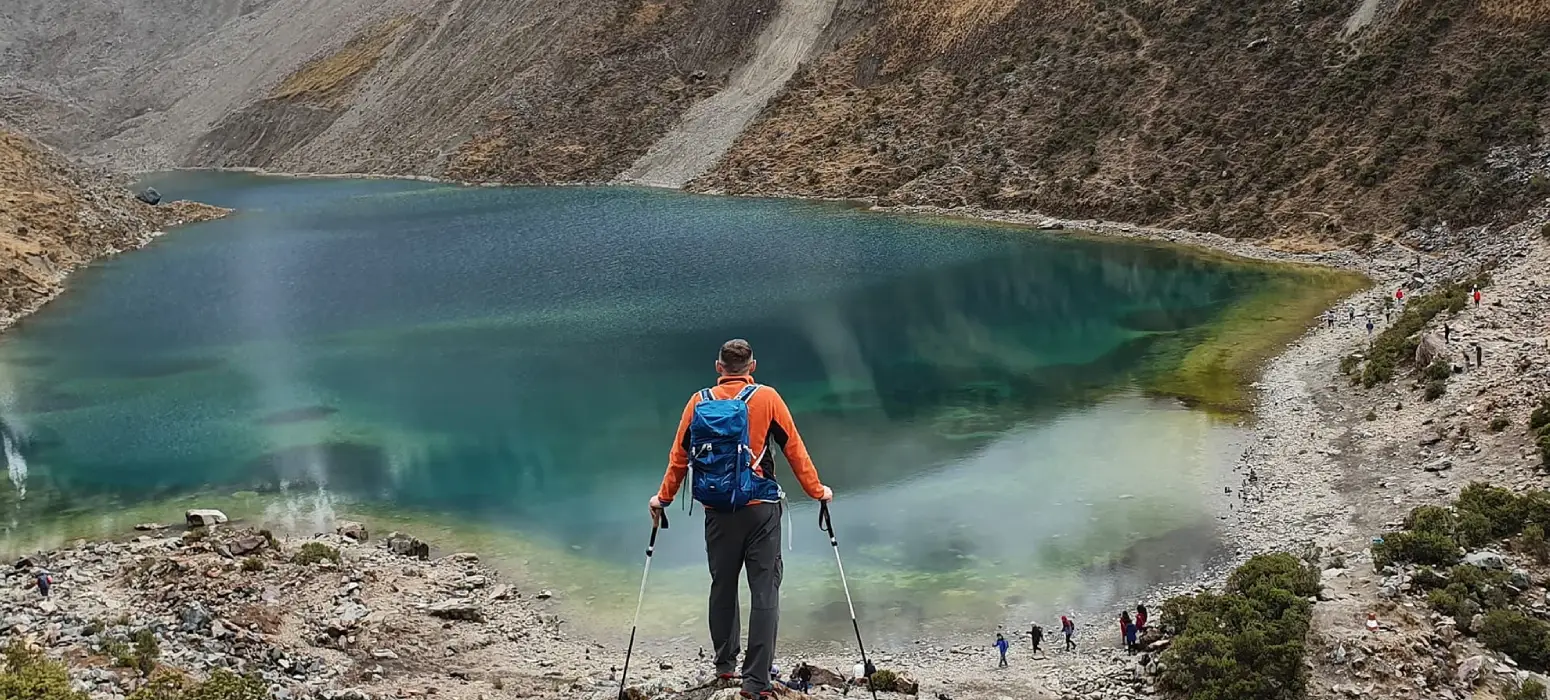
Machu Picchu Challenge 8D/7N
Cusco, Sacred Valley Humantay Lagoon, Rainbow Mountain & Machu Picchu.
View Tour
Colonial Lima and Sacred land of the Incas 7D/6N
Lima, Cusco, Sacred Valley & Machu Picchu.
View Tour