Peruvian food is not just a form of nourishment; it is a vibrant cultural heritage that has conquered the most demanding palates in the world, becoming the beating heart of the country’s identity. For the traveler seeking the privilege of exclusivity, sitting at a table in Peru is participating in a ritual where ancient history meets contemporary innovation.
Table of Contents
I remember perfectly an afternoon in Lima, where the Pacific fog embraced the city. I walked into a small sanctuary in Barranco, with its polished wooden floors and adobe walls that whispered colonial stories. The aroma of fresh cilantro mixed with the citric touch of lime and the earthy heat of ají amarillo floated in the air. When the first plate of ceviche arrived, I realized that Peruvian food was a sensory map: the freshness of the sea, the strength of the mountains, and the mystery of the jungle in a single bite.
In this definitive guide, I invite you to explore the secrets that make the cuisine of this country a global phenomenon. From ancestral ingredients to cutting-edge techniques, let’s discover why Peru is, and will continue to be in 2026, the number one gastronomic destination on the planet.
Why is Peruvian food considered the best in the world? | The Secret of Fusion
When travelers ask “What do Peruvians like to eat?” or “What is the most famous food in Peru?”, the answer goes far beyond ingredients. The fame of Peruvian food lies in its ability to absorb and transform. The secret is Fusion.
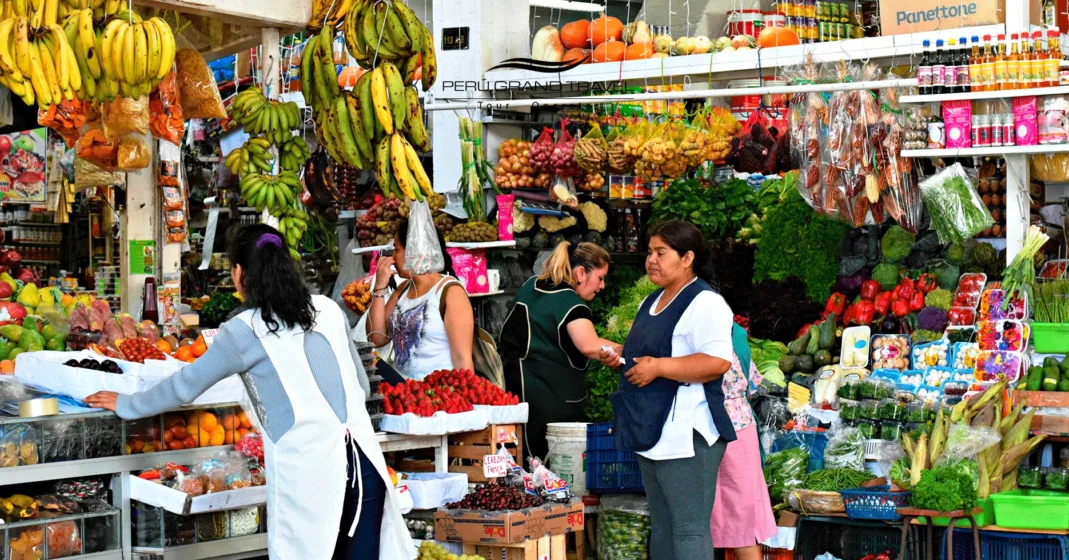
Imagine a natural laboratory that goes from sea level (0m) to snowy peaks (6,000m) and descends into the Amazon rainforest. This country produces ingredients that the rest of the world doesn’t even know exist: thousands of varieties of potatoes, giant-kernel corn, and peppers (ajíes) that offer flavor, not just heat.
The Arrival of World Flavors
But geography is only half the story.
- The Spanish Touch: They brought red onion, garlic, and lime—the pillars of our seasoning.
- The African Legacy: Enslaved people brought slow-cooking techniques and the masterful use of offal, giving rise to dishes like the delicious anticuchos. Learn more about this in our article on Peruvian Street Food.
- The Asian Influence: Chinese immigration in the 19th century created Chifa Cuisine (arroz chaufa, lomo saltado). Later, the Japanese introduced precise cuts and quick marinades, creating the refined Nikkei Cuisine.
Peruvian cooking is, therefore, the most cosmopolitan dish on the planet. To fully immerse yourself in this history of flavors, we have designed the 10-Day Historical and Gastronomic Peru package, where every ruin visited is followed by a culinary masterpiece.
DID YOU KNOW?
The Original Potato: Peru has more than 4,000 varieties of native potatoes. When you eat a potato here, you are not eating a generic side dish; you are savoring the root that fed the Inca Empire and later saved Europe from famine.
How do the regions influence the diversity of food in Peru?
The food in Peru changes drastically as you cross the country, offering three distinct culinary experiences: the maritime freshness of the Coast, the earthy robustness of the Highlands (Andes), and the exotic exuberance of the Jungle (Amazon). Understanding this geographical division is the first step to appreciating the complexity of traditional Peruvian food.
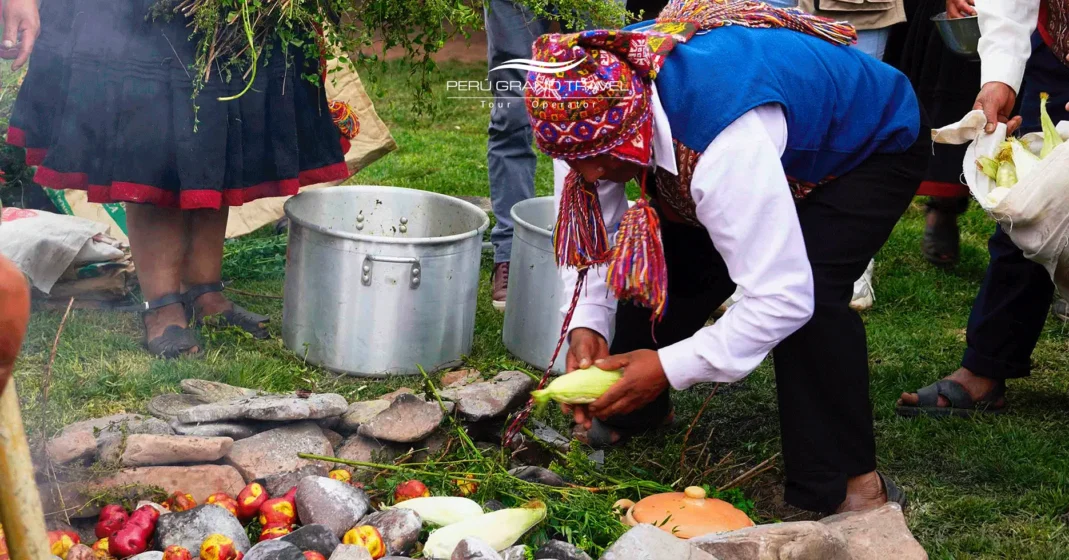
On the Coast, the focus is the abundance of the Pacific. In the Highlands, the highlight is ancestral techniques like Pachamanca—a meal cooked under the earth with hot stones. In the Jungle, ingredients like tacacho (fried green plantain) and river fish like paiche dominate the scene. This variety is what makes gastronomic Peru packages so fascinating; you never eat the same thing twice.
| Region | Star Dish | Key Ingredient | Palate Sensation |
| Coast | Ceviche | White fish and Sutil Lime | Acidic and Refreshing |
| Highlands | Pachamanca | Potatoes and Andean Herbs | Smoky and Earthy |
| Jungle | Juane | Rice, Chicken, and Bijao Leaf | Aromatic and Exotic |
What is the typical Peruvian food on the Coast? | The Symphony of the Pacific
The Peruvian sea, bathed by the cold Humboldt Current, is one of the richest in the world. Coastal Peruvian food is refreshing, citrusy, and elegant. When people ask me “What are the most typical dishes?”, the answer always starts with the sea.
The Undisputed King: Ceviche
We cannot talk about typical Peruvian food without bowing before it.
- What it is: Pieces of ultra-fresh white fish, “cooked” quickly in Peruvian lime juice (extremely acidic), mixed with crunchy red onion, cilantro, ají limo, and served with sweet potato and giant corn (choclo).
- The Experience: I remember taking clients to a Huarique (a modest but exceptional local restaurant) in Chorrillos. When they tasted the Leche de Tigre—the marinated juice left at the bottom of the dish—I saw their eyes widen. It is a burst of freshness that the Mediterranean sea simply cannot replicate.
Causa Limeña: Beauty in Layers
The elegance of Lima on a plate.
- What it is: A yellow potato purée seasoned with lime, ají amarillo, and a touch of oil, served cold, usually filled with tuna, chicken, or seafood, and avocado.
- Why order it: It is aesthetically beautiful, and its flavor is creamy and comforting. The word “causa” comes from the Quechua kausaq, which means “that which gives life.”
Lomo Saltado: The Fire of the Wok
If ceviche is the soul of the coast, Lomo Saltado is the heart of the fusion.
- What it is: Strips of tender beef sautéed in a Chinese wok with onion, tomato, soy sauce, and vinegar. The secret? The dish is finished with crispy French fries and served with white rice. It is Chifa (Sino-Peruvian) cuisine at its peak.
GRAND ADVICE
The Time Rule: In Peru, Ceviche is strictly a lunch dish. Locals rarely eat raw fish at night. For dinner, restaurants offer more substantial and hot dishes. It is an unwritten tradition that the most classic restaurants strictly respect!

What do Peruvians eat in the Andes? | The Warmth of the Mountains
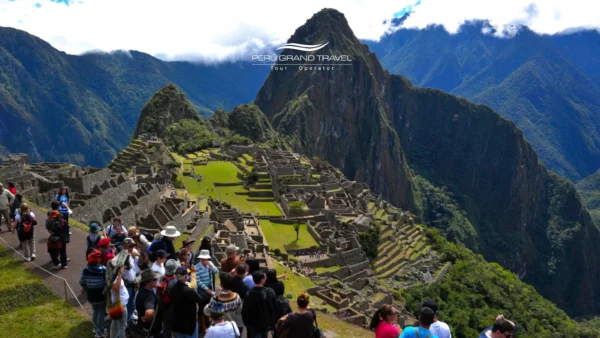
As you climb the mountain range, the air thins and the cold demands warmth. Here, Peruvian food transforms into deep comfort. These are slow-cooked dishes, made with ingredients from the earth and packed with energy. If you are exploring the surroundings of Machu Picchu and searching for food in Peru, the Andes will surprise you.
Pachamanca: The Feast of the Earth
Pachamanca is not just a recipe; it is a ritual.
- What it is: Marinated meats (pork, lamb, chicken, guinea pig) cooked underground, buried beneath scorching volcanic stones, alongside potatoes, fava beans, humitas (sweet corn cakes), and Andean herbs like huacatay.
- The Experience: Watching the “opening” of the earth oven is magical. The steam rises, carrying aromas of wild herbs and roasted meat. It is a literal connection to Pachamama (Mother Earth).
Rocoto Relleno: The Pride of Arequipa
Arequipa has a cuisine so proud and distinct it deserves its own blog.
- What it is: A rounded red pepper (Rocoto), famous for its intense heat, stuffed with minced meat, peanuts, boiled eggs, and topped with melted Andean cheese.
- The Challenge: It burns, but in a delicious way. It is usually served with Pastel de Papa (a creamy potato gratin), which helps extinguish the fire. A true masterpiece of Peruvian culinary art.
To understand how these warm flavors help you face the Andean climate, read our clothing tips in the article What to Wear in Peru.
The Most Controversial Dish: Why do Peruvians eat “Cuy”?
Notice to pet owners: this section requires an open mind. When North American travelers research Peruvian food cuy, the reaction is often one of surprise. The Cuy (guinea pig) is indeed a revered delicacy in the Andes, consumed for thousands of years, long before the arrival of chicken or cattle brought by Europeans.
- Historical Context: For the Incas, the cuy was a vital source of protein. It is so significant that in the famous painting of the Last Supper in the Cusco Cathedral, the main dish served to Jesus and the apostles is a roasted Cuy, not a lamb.
- How it is served: The most traditional forms are Cuy al Horno (roasted with herbs) or Cuy Chactado (pressed under a stone and fried until crispy). The meat is dark and succulent, often compared to the flavor of suckling pig or duck.
- Respect: Don’t judge before you try it. What in the West is a household pet, in the Andes is a centuries-old tradition and a fundamental part of indigenous food sovereignty.
Want to know more about the cultural significance of unique dishes? Explore our detailed article on Holy Week Dishes, when the Peruvian menu undergoes a fascinating transformation.
CURIOUS FACT
Sustainability: Environmentally speaking, raising Cuy requires a fraction of the water and space needed for cattle, making it one of the most sustainable and eco-friendly animal protein sources you can consume on your trip.
The Flavors of the Amazon: Peruvian Food’s Unknown Frontier
Many forget that 60% of Peru’s territory is covered by the Amazon rainforest. Peruvian cooking from this region is exotic, vibrant, and uses ingredients that rarely make it to Lima.
The Juane: The Portable Dish
The quintessence of the jungle.
- What it is: Rice cooked with turmeric (giving it a yellow color), seasoned and stuffed with pieces of chicken, boiled egg, and olives, all wrapped in a bijao leaf (similar to a banana leaf) and boiled.
- The Symbolism: It is the main dish during the Feast of St. John (San Juan) in June; its round shape wrapped in the leaf represents the severed head of John the Baptist. It is a food designed for jungle travel.
Tacacho con Cecina: Jungle Energy
- What it is: Tacacho is a mash of green plantains (roasted or fried) mixed with lard. Cecina is the typical smoked pork of the Amazon region. Served together, they form a savory, smoky, and incredibly satisfying dish.
What are the Typical Sweets of Peru? | Life is Sweet
After so much savory flavor, we must talk about sugar. Peruvian confectionery inherited much from Spanish colonial convents and Moorish ingredients.
Suspiro de limeña
The name means “Sigh of a woman from Lima,” as it is considered sweet and light. The base is manjar blanco (a rich dulce de leche), topped with a soft meringue with a hint of Port wine and dusted with cinnamon. It is very sweet; share it with someone you love. You will find them on our list of Peruvian Street Food.
Picarones
The Peruvian version of donuts is sold on the streets at dusk. Made from a pumpkin and sweet potato dough, fried fresh until golden and crispy, and served drenched in chancaca (a spiced sugar cane syrup). You will find them on our list of Peruvian Street Food.
Mazamorra Morada with Arroz con Leche
Known as “The Classic,” this dessert is served half-and-half. The fruity freshness of the purple corn pudding (mazamorra) meets the comforting creaminess of rice pudding.

What is the Typical Drink of Peru? | Way Beyond Water
Peruvian food demands drinks that can hold their own.
Chicha Morada: The National Refreshment
You will see it everywhere, from upscale restaurants to family tables. It is a non-alcoholic, dark purple drink made by boiling Maíz Morado (native purple corn) with pineapple skin, apple, cinnamon, and cloves, served cold. It is the perfect pair for Ceviche.
Pisco Sour: The Flagship Cocktail
When the sun sets—or even before lunch—the Pisco Sour reigns supreme. Made with our national spirit (Pisco), fresh Peruvian lime juice, simple syrup, egg white (for that creamy, frothy texture), and drops of Angostura bitters. We have a complete guide explaining why you must savor it. Read more in our article on Peruvian Pisco 2026.
Coca Tea: The Mountain Brew
Essential in the Andes. A hot infusion of coca plant leaves. It is not a drug; it is an ancient remedy used by the Incas and today to alleviate the symptoms of Altitude Sickness (Soroche).
To explore the world of our cocktails and teas further, see the complete list of famous Peruvian Beverages.
Where to find “Peruvian Food Near Me”? | And Why You Must Visit Peru
Many travelers start by searching for “Peruvian food near me” in major hubs like New York, London, or Los Angeles. You will undoubtedly find excellent restaurants in these cosmopolitan cities that offer a beautiful glimpse of this magic.
However, let’s be honest, my friend: a Ceviche prepared with imported limes lacks that specific, electric acidity found only in the Andes. A Causa made without authentic yellow Andean potatoes (Papa Amarilla) simply cannot replicate that signature velvety texture.
Savoring Peruvian cuisine in its homeland is about connecting the food to its ecosystem, its people, and its living history.
| Region | Climate Vibe | Must-Try Dish (Best Peruvian Food) | Key Ingredients |
| Lima (Coast) | Humid, sunny in summer | Classic Ceviche & Causa Limeña | Fresh fish, acidic lime, ají limo, yellow potato. |
| Arequipa (South) | Bright sun, white volcanic stone | Rocoto Relleno & Shrimp Chupe | Spicy peppers, river shrimp, and Andean cheese. |
| Cusco (Andes) | Chilly nights, dry air | Pachamanca & Roasted Cuy | Marinated meats, Andean herbs (huacatay), and corn. |
| Iquitos (Amazon) | Hot and rainy | Juane & Tacacho with Cecina | Rice, chicken, plantain, smoked pork. |
Frequently Asked Questions | FAQ
1. Is Peruvian food very spicy?
Peruvians love flavor, but the cuisine isn’t focused solely on “burning” your mouth (unlike some regions of Mexico or India). Peppers like ají amarillo and panca are used primarily for their aroma and color. If a dish is naturally spicy (like Ceviche or Rocoto), you can always ask for it “Sin picante, por favor” (No spice, please).
2. What do Peruvians eat for breakfast?
It’s much more than just toast. A traditional favorite is Pan con Chicharrón (a crusty French bread sandwich with fried pork, sweet potato, and lime-marinated red onion). You’ll also find plenty of fresh fruit juices and hot quinoa or emoliente (herbal tea) being enjoyed.
3. What is the absolute must-eat in Peru?
The “Holy Trinity” for a first-time visitor: Ceviche (to feel the sea), Lomo Saltado (to understand the fusion), and Ají de Gallina (a creamy chicken stew with yellow pepper and walnuts, for that homemade comfort). We list even more wonders in our post on the 10 Typical Dishes of Peru.
4. What is the typical drink of Peru?
– Non-alcoholic: Chicha Morada and the world-famous (and very sweet) Inca Kola—the golden soda that tastes like bubblegum and outsells Coca-Cola in Peru.
– Alcoholic: The Pisco Sour.
5. Is it safe to eat street food in Lima or Cusco?
Yes, especially foods fried or grilled right in front of you, like Picarones and Anticuchos. However, avoid raw salads or ceviche from informal carts exposed to the sun if you have a sensitive stomach; leave the raw fish for established, high-quality restaurants.
6. Is it safe to eat ceviche anywhere?
We recommend eating ceviche at reputable restaurants or those recommended by your guide, especially during lunch when the fish is freshest. Avoid eating ceviche at night unless you are at a fine-dining establishment.
7. What is “Nikkei” gastronomy?
It is the world-renowned fusion of Japanese and Peruvian cuisines. Born in Lima, it combines Japanese technical precision with Peru’s vibrant, bold flavors.
8. Where is the best place for a gastronomic tour?
Lima is undoubtedly the gastronomic capital. Neighborhoods like Miraflores, San Isidro, and Barranco are home to some of the world’s best restaurants, such as Central and Maido.
9. Can I find vegetarian or vegan options in Peru?
Absolutely! Peru is the land of potatoes, corn, and quinoa. Dishes like Solterito de Queso or vegan versions of Ceviche (made with mushrooms or mango) are common and delicious.
10. Why is the Peruvian potato so special?
There are over 3,000 types of native potatoes in Peru. They vary in color (blue, purple, yellow), texture, and flavor, serving as the fundamental base of almost all Peruvian cuisine.
Peru Through the Palate
My dear traveler, discovering the secrets of Peruvian food is perhaps the most intimate way to discover Peru itself.
Every dish carries the triumph of an ancient civilization that tamed steep mountains to plant potatoes, and the story of immigrants who arrived by ship and blended their traditions with native peppers. Gastronomy here is not an accident; it is our culture served on a plate.
Whether you are dining at a world-award-winning spot in Miraflores or sharing a Pachamanca ritual in the Sacred Valley, we promise you will leave not just satisfied, but moved.
At Peru Grand Travel, we handle the reservations at those impossible-to-book restaurants. We coordinate your private ceviche classes with top chefs. We know exactly which tables offer the best views.
Are you ready for the feast of a lifetime?
Contact us today, and let’s arrange the logistics for your culinary adventure through our best Peru Packages. If your trip coincides with winter, be sure to check our guide to Festivities in Peru 2026.

Experiences

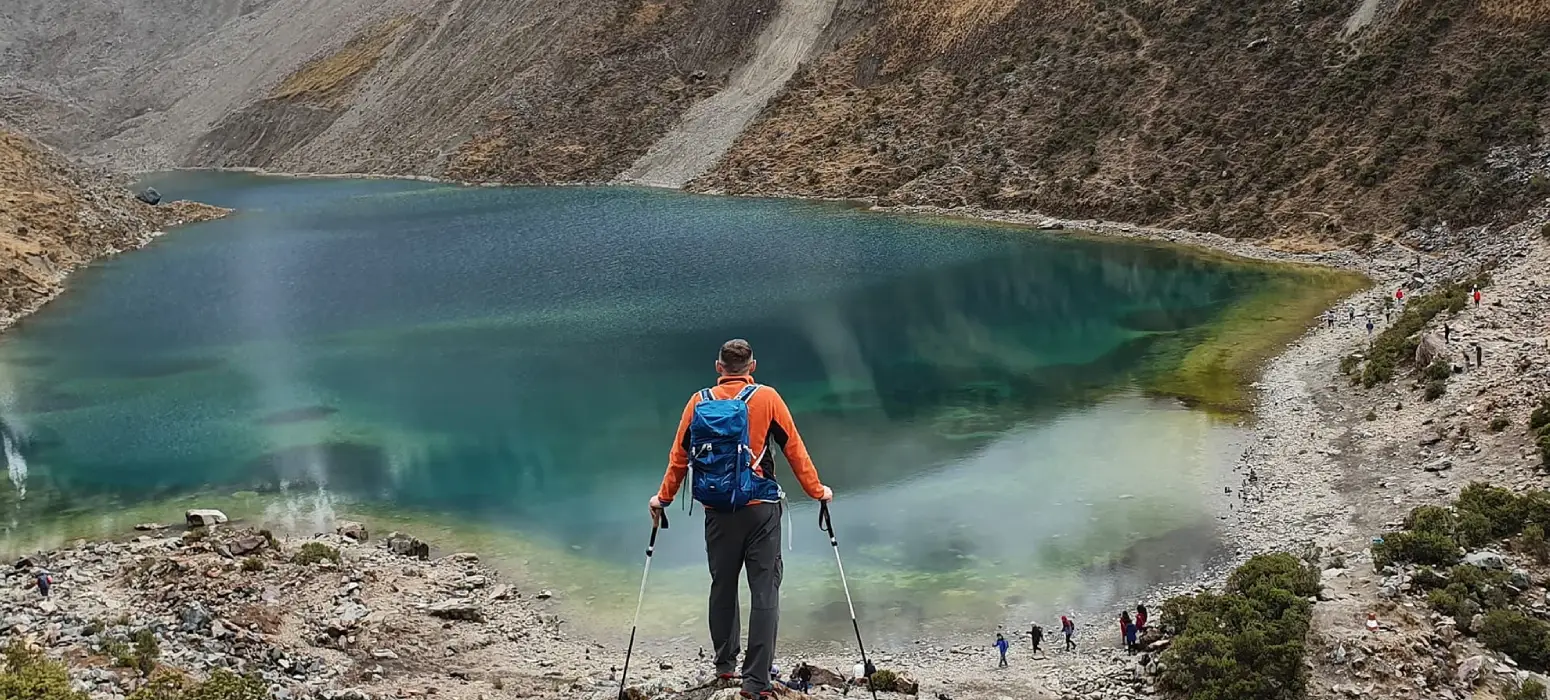
Machu Picchu Challenge 8D/7N
Cusco, Sacred Valley Humantay Lagoon, Rainbow Mountain & Machu Picchu.
View Tour
Colonial Lima and Sacred land of the Incas 7D/6N
Lima, Cusco, Sacred Valley & Machu Picchu.
View Tour