The beaches of Peru offer a rare combination of golden deserts kissing the Pacific Ocean, world-class marine gastronomy, and an aura of mysticism that you won’t find on any other coastline on the planet. For the traveler seeking the privilege of exclusivity, the Peruvian coast is not just a place to sunbathe; it is a setting where sophistication meets wild nature and millennial history.
Table of Contents
I clearly remember the first time I walked across the sands of Paracas. The sound was not just that of the waves, but the whisper of the Paraca wind crossing the reddish dunes that look like a Martian landscape. Feeling the fine texture of the sand under my feet while observing the contrast of the deep blue sea against the ochre desert was a turning point. In Peru, the beach is a complete sensory experience: it is the flavor of the sutil lime in fresh ceviche, the touch of linen in an impeccable sunset look, and the sight of ancestral ruins that have guarded the coast for centuries.
If you are planning your next getaway, understanding the diversity of the beaches of Peru is essential. In this guide, we will navigate each region together, revealing why this destination is the best-kept secret for “Bon Vivant” travelers.
What is the Peruvian Coast Like? | The Geography of Contrast
The first thing you need to understand about the beaches of Peru is that they are not all the same. The coast is divided by an invisible but powerful current: the Humboldt Current.
The Warm North vs. The Cold South
- The North | Piura and Tumbes: Here, the waters are warmed by the El Niño Current. This is where you will find the classic northern beaches of Peru: sun all year round, warmer waters, palm trees, and an authentic surf-town vibe.
- The Center and South | Lima, Ica: The Humboldt Current, coming from Antarctica, brings cold, plankton-rich waters. The landscape is dominated by dramatic cliffs and barren deserts meeting the sea. It is less about swimming and more about extreme sports, gastronomy, and marine wildlife.
Which Cities Make Up the Coast of Peru?
The Pan-American Highway stitches the coast together, passing through the major coastal hubs:
- Tumbes and Piura: The home of eternal sun and surfing.
- La Libertad | Trujillo: Where pre-Inca archaeology meets the shore.
- Lima: The only South American capital overlooking the sea.
- Ica | Paracas: The desert and the wildlife reserve.
To understand how to fit this geographical variety into your ideal itinerary, I invite you to read our strategic guide on How many days to stay in Peru.
DID YOU KNOW?
The World’s Longest Wave: On the northern coast, in Puerto Malabrigo (Chicama), you find the longest left-breaking wave on the planet. On a perfect day, a surfer can ride the same wave for nearly 1.5 miles (2.5 kilometers)!
| Region | Main Characteristic | Water Temp | Ideal For… |
| North (Tumbes/Piura) | Tropical & Warm Water | 75°F – 81°F (24°C – 27°C) | Luxury relaxation and year-round sun. |
| Center (Lima) | Cliffs & Gastronomy | 59°F – 66°F (15°C – 19°C) | Cosmopolitan experiences and urban surf. |
| South (Ica/Arequipa) | Desert & Nature | 57°F – 64°F (14°C – 18°C) | Adventure, wildlife, and mysticism. |
The Northern Beaches: Sun, Surf, and Ceviche | Northern Beaches of Peru
The best northern beaches of Peru, specifically in Tumbes and Piura, are famous for their high-end resorts and waters that remain warm throughout the year, such as Punta Sal, Máncora, and Vichayito. These locations are the preferred refuge of the Peruvian elite and international travelers seeking impeccable service framed by an unforgettable sunset.
The northern beaches of Peru possess a special microclimate. While the rest of the coast may have cloudy days, the north is the kingdom of eternal sun.
Máncora: The Heart of the Party and Surf
Máncora is, without a doubt, the most famous beach in Peru for travelers.
- The Setting: A dusty main street filled with tuk-tuks, rustic bars, and surf shops that opens onto a wide, golden beach.
- Why Visit? The energy. It is young, international, and vibrant.
- What to Do: Rent a board. If you are a beginner, there are dozens of instructors ready to get you standing on your first wave. If you are a pro, the tubes here are consistent.
- Where to take the best photo: At sunset, with the horses (yes, there are horseback rides) crossing the wet sand while the sky becomes an impressionist painting.
DID YOU KNOW?
Was Ernest Hemingway inspired by the waters of northern Peru (specifically in Cabo Blanco) for some of his fishing stories? It was there that the legendary swordfish was first caught with a rod, setting world records that still stand today.
Punta Sal: The Luxury Retreat
Just an hour north of Máncora, the energy shifts drastically.
- The Setting: Calmer waters, warm sea, and a quiet exclusivity.
- The Experience: This is where luxury comes in. It is the preferred destination for honeymoons and families seeking tranquility. You stay in boutique resorts where breakfast is served on the terrace of your bungalow, just steps from the sea.
- What to Eat: The Black Shell Ceviche (Conchas Negras) is a must. Freshly caught, seasoned with Chulucanas limes, and enjoyed with the sound of the ocean.
Vichayito: The Wind in Your Favor
Located between Máncora and Los Órganos.
- Why Visit? It is the ideal beach if you don’t want strong waves but do want constant winds. It is the paradise for Kitesurfing in Peru.
- Accommodation: Known for sustainable hotels with luxury Arabian-style tents (Glamping) right on the oceanfront.

To plan the perfect time to enjoy this Caribbean-style sun, be sure to consult our guide: When to travel to Peru.
GRAND ADVICE
The Art of the “Tardeo”: In northern Peru, life happens at sunset (the tardeo). No one eats dinner early. Enjoy the beach until 6:30 PM, take a relaxing shower, and head out for dinner only around 8:30 PM. It is the rhythm of the coast.
Lima Beaches: A Capital Overlooking the Pacific | Beaches of Peru Lima
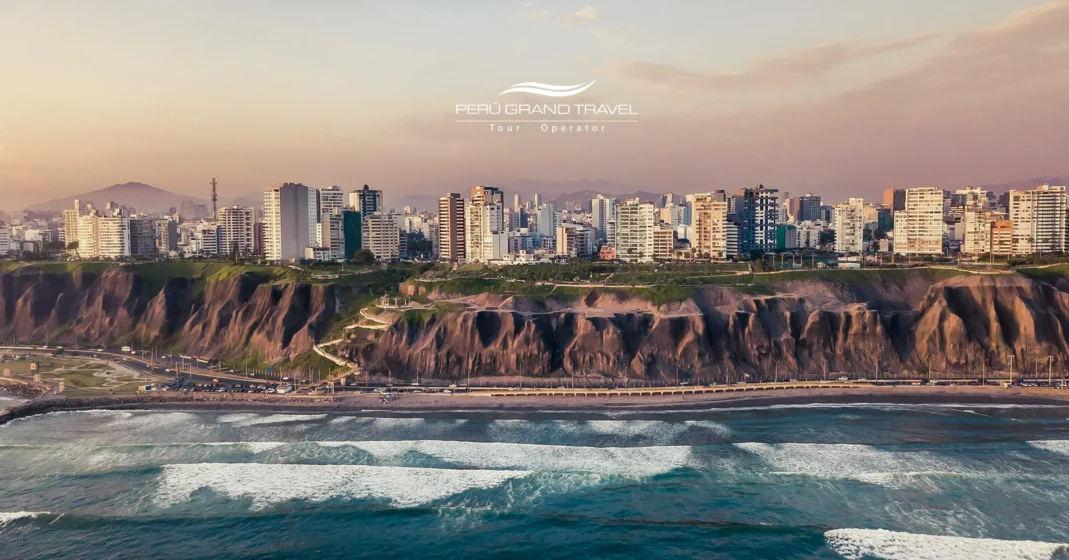
The beaches of Peru, Lima, are often misunderstood. “Does Lima actually have beaches?” is a question I am asked constantly. The answer is a resounding yes! The entire capital is flanked by the Pacific Ocean, but the experience here is urban, dramatic, and uniquely Limeño.
The Costa Verde | Miraflores and Barranco
Beach life in Lima is not typically about spreading a towel on the sand—many beaches are made of smooth stones, known locally as canto rodado. Instead, the experience is defined by the cliffs.
- The Setting: The Miraflores Boardwalk (Malecón) runs along the top of 260-foot (80-meter) cliffs, overlooking a sea that shifts from misty grey in winter to deep blue in summer.
- The Ultimate Activity: Paragliding. Jumping from the cliffside to glide alongside skyscrapers and over the surf is the best way to view the beaches of Peru Lima. Below, at Makaha Beach, hundreds of surfers in wetsuits dot the ocean every day.
- What to Wear: Here, elegance meets athletic style. Choose comfortable clothes for walking the Malecón that are still sharp enough for a high-end lunch. Consult our guide on What to Wear in Peru.
Where is the best swimming beach in Lima? | South Lima
For locals, the summer months (January to March) mean escaping to the “Sur Chico” (Southern Lima).
Punta Hermosa
The favorite beach for Lima’s trendy youth. Located 40 minutes from the capital, it features sandy shores like “Playa Blanca” and “Señoritas.”
- The Vibe: Luxury beach houses, electronic music parties by the shore on weekends, and the legendary big-wave surf spot, Pico Alto.
- What to Eat: A Pan con Chicharrón (pork sandwich) in the morning and Arroz con Mariscos (seafood rice) for lunch.
Where is the beach in Peru? | Expert Tips for Lima
If you only have a weekend in Lima before heading to the Andes, the Costa Verde is your destination. Dine at the prestigious La Rosa Náutica, built on a Victorian-style pier extending into the sea, where you can hear the waves crashing directly beneath your feet.
Exploring the beaches of Lima, Peru, requires a discerning eye. In the Miraflores district, you can go paragliding over the waves or simply stroll along the Malecón. But if you are looking for something more exclusive, you should head south of Lima, where luxury beach resorts like Asia offer private beach clubs, high-end shopping centers, and a sophisticated nightlife during the summer (January to March).
To find the perfect place to rest after a day in the capital, discover our curated list of Luxury Hotels in Peru, and check our calendar for local celebrations in Festivals in Peru 2026.
The Desert and the Ocean: The Paracas and Ica Route
A few hours south of Lima, the landscape transforms. The green valleys disappear, giving way to the intense yellow of giant dunes. This is a realm where marine life reigns supreme. Here, the water isn’t warm, but it is incredibly alive.
Paracas: The “Poor Man’s Galápagos” | A Wealth of Nature
The Paracas National Reserve is where the Sahara seems to meet the Pacific.
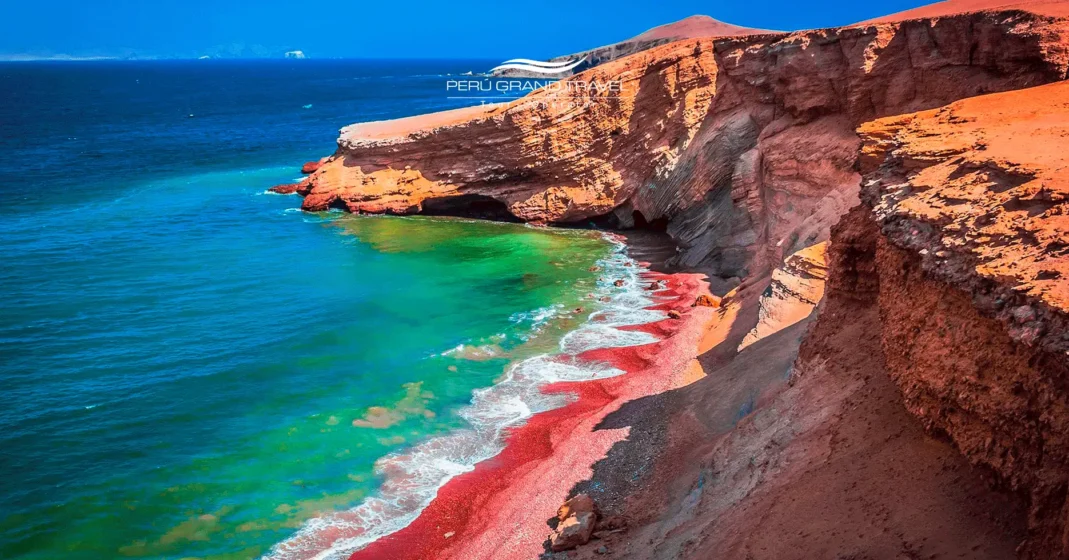
- Why Visit? Playa Roja (Red Beach) is out of this world. The contrast of purple-red sand against the deep blue ocean and yellow cliffs creates some of the most surreal pictures of beaches in Peru you will ever see. You’ll feel as if you are walking on Mars.
- The Fauna: An absolute must is a boat tour to the Ballestas Islands. On a high-speed boat (yate), you will see thousands of sea lions barking on the rocks, Humboldt penguins, and guano birds darkening the sky.
- The Luxury Experience: Stay at Hotel Paracas, a Luxury Collection Resort. You can enjoy breakfast on your private terrace while pelicans dive into the sea right in front of you.
The Oasis and the Board | Sandboarding
While not a saltwater beach, Ica and Huacachina are inseparable from the southern coastal experience.
- The Adrenaline: After seeing the sea in Paracas, the main attraction is taking a dune buggy through the massive sands of Ica at sunset. It’s a desert roller coaster.
- The Sport: The local version of surfing is sandboarding. Sliding down the dunes—either lying down or standing—is pure fun for all ages.
Check out more exciting details about these activities in our guide on Fun Things to Do in Ica. And it’s the perfect place to taste our national spirit! Celebrate with us on Pisco Sour Day 2026.
CURIOUS FACT
The Paracas Wind: In the ancient Quechua language, “Paracas” means “Sand Rain.” Strong winds occur here mainly in the afternoon, kicking up sandstorms. This is why all tours to the Ballestas Islands happen in the morning when the sea is like a mirror.
Trujillo and Huanchaco: Where Archaeology Meets the Surf
Heading north to the department of La Libertad, we find Huanchaco. This isn’t just a beach; it’s a living museum.
The Magic of Huanchaco
- The Tradition: Walking along the shore, you will see dozens of small, reed-woven boats standing upright to dry. These are the legendary Caballitos de Totora. Local fishermen still use them to enter the sea exactly as their Moche ancestors did 3,000 years ago. Peru was surfing long before the invention of the Hawaiian surfboard!
- The Connection: Just 15 minutes from the beach lies Chan Chan, the largest adobe city in the Americas and the capital of the Chimú Empire. Where else in the world can you surf in the morning and walk through the corridors of an imperial civilization in the afternoon?
To organize a journey covering both the coast and the Andes, our definitive recommendation is the Origins and Mysteries of the Andes 16-Day package, which handles all the logistics for you.
The Deep South: Hidden Coves and Crystal Waters | Arequipa, Moquegua, and Tacna
Many travelers mistakenly believe the Peruvian coast ends at Paracas. This is a splendid error. For the explorer heading south of Ica, the deep south holds spectacular secrets. The beaches of Arequipa, Moquegua (Ilo), and Tacna offer a dramatic contrast where the Atacama Desert begins to shape the landscape.
The Beaches of Arequipa: Where Volcanoes Meet the Sea
Arequipa is world-famous for its “White City,” and the Colca Canyon, but its coastal provinces host the favorite summer spots for locals.
- Mollendo and Camaná: These are the most popular and accessible beaches. They offer long stretches of sand and excellent infrastructure during the summer months (January–March). It is the perfect place to try a Perol de Mariscos (a rich seafood soup).
- Puerto Inka | The Hidden Cove: If you seek history, this is your beach. Legend says Inca runners (Chasquis) started from here to bring fresh fish to the Emperor in Cusco in less than 24 hours! Today, it is a tranquil bay surrounded by ruins, ideal for silence and connection.
To understand how to combine the Arequipa coast with its volcanoes and the White City, check out our section on What to Do in Peru 2026.
Ilo | Moquegua: The Charm of a Historic Port
The Moquegua region is famous for its fertile valleys and the Southern Pisco Route, but its port, Ilo, is a charming and serene destination.
- Pozo de Lisartes and Puerto Inglés: These beaches are known for calm waters and rock formations that create natural pools. The Ilo boardwalk (Malecón) at dusk, with its Republican-style wooden houses, has an air of elegant nostalgia.
- Southern Gastronomy: In Ilo, the tradition is to order a Parihuela or a ceviche made with local olives (the region produces world-class olives), paired with authentic Peruvian Pisco.
Tacna: The Last Golden Frontier
Before crossing the border into Chile, the heroic region of Tacna offers beaches that are true havens for locals and seasoned travelers.
- Boca del Río and Los Palos: The stars of Tacna’s coastline. These are wide beaches with fine sand that fill with life and music during the Andean summer. The atmosphere is one of pure relaxation.

GRAND ADVICE
The Southern Route: Exploring Arequipa, Ilo, and Tacna is not a typical “first-timer” itinerary. It is a journey for the repeat visitor or the traveler who wants to drive the legendary Southern Pan-American Highway at their own pace, discovering the Peru that locals keep as a secret.
Which Beach Fits Your Style?
To help you integrate these options into your Peru Packages, I have created this traveler’s compass:
| Beach / Region | Traveler Profile | Main Activity | Best Time | Water Temp |
| Máncora (Tumbes/North) | The Partygoer / Surfer | World-class surfing, nightlife, relaxation | Year-round (Best in Summer) | Warm |
| Punta Sal (Tumbes/North) | The Bon Vivant / Families | Boutique resorts, black shell ceviche, peace | Year-round | Warm |
| Huanchaco (La Libertad/North) | The Surfing Historian | Living culture (reed boats), archaeology | November to April (Spring/Summer) | Cold |
| Costa Verde (Lima/Centro) | The Cosmopolitan | VIP dining, paragliding, urban coastal life | December to March (Summer) | Cold |
| Paracas (Ica/South) | The Nature Explorer | Wildlife (Ballestas Islands), photography | Year-round (Windy afternoons) | Very Cold |
| Mollendo & Puerto Inka (Arequipa/South) | The Escapist / Slow Traveler | History (Inca ruins), southern cuisine | January to March (Summer of South) | Cold |
| Ilo (Moquegua/South) | The Nautical Enthusiast | Historic boardwalk, seafood, Pisco tasting | January to March (Summer of South) | Cold |
| Boca del Río (Tacna/South) | The Border Traveler | Extensive beaches, frontier fusion cuisine | January to March (Summer of South) | Cold |
An Inevitable Comparison: Peru vs. Caribbean/Tropical Beaches
As a host familiar with the global lifestyle, I am often asked: “How do Peru’s beaches compete with famous tropical destinations?” We must be honest to align expectations. If you are looking for crystal-clear turquoise waters and white sand, the Caribbean is your benchmark.
The Strength of Peru
What other destinations have in tropical relaxation, Peru has in drama and culture. You don’t come to Peru just to sunbathe. You come to the beaches of Peru to surf legendary waves, to see crimson deserts collide with cliffs, to watch penguins swim alongside dolphins, and to end the day with the world’s most awarded seafood.
Tropical seas embrace you; the Peruvian sea awakens you. Both are magnificent, but they serve different traveling souls.
GRAND ADVICE
If you are used to tropical heat, remember that in Peru—especially in Lima and the South—beach nights can be cool due to the Pacific breeze. Always include a light, elegant jacket in your looks to wear in Peru.
What to Eat and Drink on the Peruvian Coast
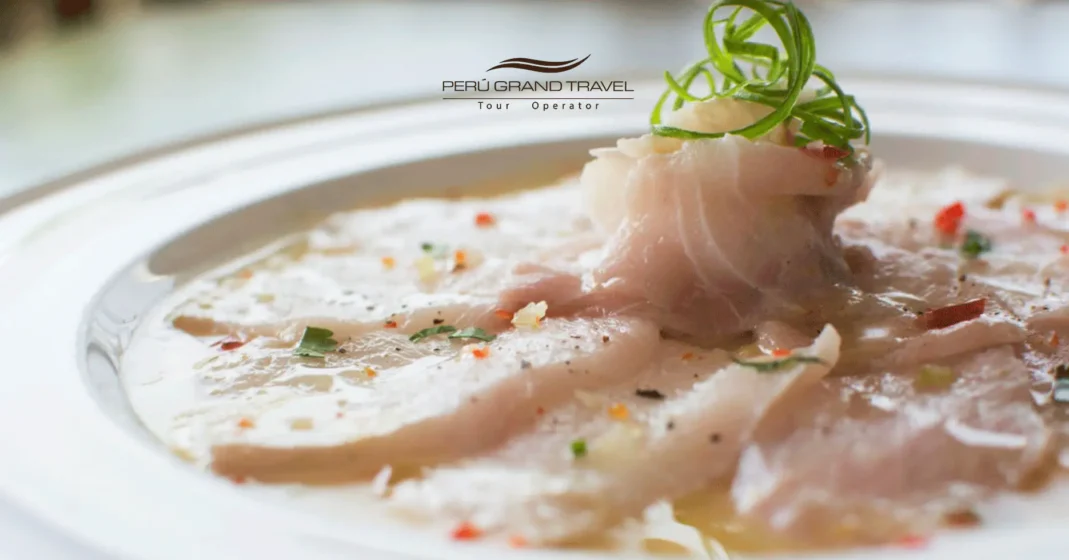
Exploring Peru’s best beaches means simultaneously embarking on one of the most incredible gastronomic journeys of your life—one centered on Ceviche, Tiradito, and Causa Limeña, always accompanied by an ice-cold Pisco Sour. The proximity to the sea ensures that the fish served on your plate was caught just hours earlier, retaining unrivaled freshness and texture.
The flavors vary from region to region. In the north, ceviche features “limón de Piura” and “zarandaja”. In Lima, the sophistication of signature restaurants elevates traditional dishes to works of art. When deciding how many days to spend in Peru, set aside at least three days dedicated solely to exploring the culinary delights of the coast.
Where to taste the best ceviche in Peru?
While Lima is the culinary capital, many claim that “Norteño” ceviche (from the north) has a more rustic and potent character that is simply unmissable.
Are there typical traditions on the beaches?
Yes! The Peruvian beach dance often refers to the Marinera Norteña, an elegant courtship dance where the couple dances barefoot in the sand. It is a spectacle of grace and skill that radiates Peruvian hospitality.
Planning Logistics for the Peruvian Coast
Planning a visit to Peru’s beaches requires a smart travel strategy: for the north, the best option is to fly from Lima to Piura or Tumbes; for the south, luxury private transport along the Pan-American Highway offers incredible views of the desert and the ocean. Organizing this logistics with experts ensures that you don’t waste time and can enjoy every moment in comfort.
Many travelers choose the coast as the perfect finale after a mountain journey. Our Origins and Mysteries of the Andes 16-Day package is an excellent example of balancing Cusco’s history with the relaxing beauty of Paracas and Lima.
| Destination | Suggested Days | Best Way to Arrive | Luxury Highlight |
| Máncora / Punta Sal | 4 – 5 days | Flight (Lima > Talara/Tumbes) | Private dinner on the sand |
| Paracas / Ica | 2 – 3 days | Private Car or Charter Flight | Private yacht to Ballestas Islands |
| Lima (Costa Verde) | 2 – 3 days | International Flight | Michelin-starred dining |
Which Peruvian beaches are best for unforgettable photos?
To capture the best pictures of beaches in Peru, you should focus on the “Golden Hour” at places like Playa Roja in Paracas—where the setting sun casts its glow upon the red sand—or at the cliffs of the Parque del Amor in Lima, where the city lights and the ocean create a perfectly romantic setting. The Peruvian coastline is incredibly photogenic, thanks to its chromatic contrasts and the crisp, clear light of the desert.
Don’t forget to also visit the beaches of Ancash, such as Tuquillo—known as the “Pacific Pool” for its crystal-clear waters framed by picturesque rock formations. Every click on Peru’s beaches tells the story of a land where time seems to slow down, allowing us to truly admire its beauty.
Essential Information for the North American Traveler
For our guests arriving from the United States and Canada, Peru offers the unique luxury of an exotic destination without the exhaustion of a major time zone shift; your body clock will remain perfectly synced for those breathtaking Andean sunrises. To ensure your journey is as seamless as it is spectacular, we recommend a few “Grand” essentials: first, while our luxury hotels and private villas provide high-speed Wi-Fi, connectivity can be intermittent in the deep valleys, making it the perfect opportunity for a digital detox.
Regarding health, we prioritize your well-being by using purified water for all culinary preparations. Lastly, while the US Dollar is widely accepted in high-end establishments in Lima and Cusco, carrying local Soles for artisan markets is recommended. Tipping is a cherished gesture of appreciation here; a standard guideline for your dedicated private guide is $20–$30 per day, and for your driver, $10–$15, ensuring the world-class service you expect is met with the gratitude it deserves.
Frequently Asked Questions | FAQ
1. Is the water at Peru’s beaches very cold?
In the north (Tumbes/Piura), the water is warm and pleasant year-round. In the center and south, the water is colder due to the Humboldt Current, but it is perfect for cooling off in the summer or for surfing in a wetsuit.
2. When is the best time to visit the northern beaches?
December through April is the peak of summer, but northern Peru enjoys sunshine almost 365 days a year, making it a viable destination at any time.
3. Is it safe to swim in Lima?
Yes, specific beaches like Redondo and Makaha are great for swimming and surfing. Always check the flags.
4. Do US/Canadian citizens need a visa?
No, a valid passport is sufficient for tourism.
5. What are the most romantic beaches for couples?
Punta Sal and Paracas top the list. Both offer luxury hotels with services tailored to couples, such as spas and candlelight dinners.
6. What is the healthcare infrastructure like at the beaches?
In luxury tourist zones and in Lima, the infrastructure is excellent. We always recommend traveling with international health insurance for complete peace of mind.
7. Are there beaches with archaeological ruins?
Yes! In the north, near Trujillo, you can visit the beaches of Huanchaco and, right next door, the ruins of Chan Chan—the largest mud city in the world.
8. What to pack for the Peruvian coast?
High-SPF sunscreen, a hat, sunglasses, quality swimwear, and a light jacket for the cool evenings in Lima and the South.
9. Is it possible to visit old churches in the coastal regions?
Yes! Especially in Trujillo and Lima. Downtown Lima features colonial gems. Discover more in our 2026 Guide to Churches in Peru.
10. What are the best beaches in Peru for beginner surfers?

Máncora and Huanchaco are excellent, as they have consistent waves and many schools with qualified local instructors for all ages.
The Privilege of Discovering the Peruvian Coast
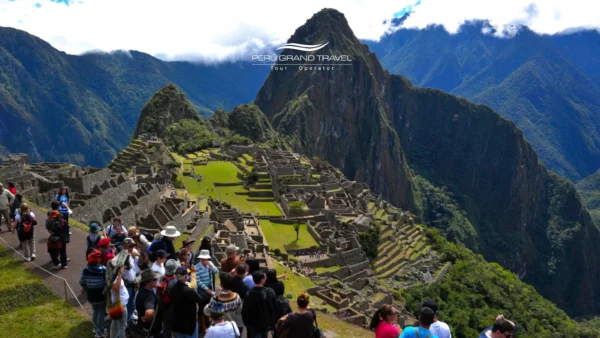
My friend, Peru never ceases to surprise. After you touch the humidity of the Amazon and lose your breath before the grandeur of Machu Picchu, the Pacific coast will be the refreshing embrace that perfectly ends your journey.
Whether toasting on a balcony in Miraflores, surfing in Chicama, or breathing in the scent of sea salt in Paracas, Peru’s beaches prove that the magic of this country extends far beyond the mountains.
At Peru Grand Travel, we don’t just sell itineraries for the highlands. We craft journeys that reveal the full scope and complexity of Peru, with the comfort and exclusivity you deserve. We know the tides, the winds, and the best table at the coastal restaurant.
Are you ready to hear the song of the Pacific? Contact us today, and let us add the coast of Peru to your dream itinerary.
And if the coast isn’t your only focus, explore all the country’s wonders in our comprehensive guide: What to Do in Peru 2026.

Experiences

Machu Picchu Challenge 8D/7N
Cusco, Sacred Valley Humantay Lagoon, Rainbow Mountain & Machu Picchu.
View Tour
Colonial Lima and Sacred land of the Incas 7D/6N
Lima, Cusco, Sacred Valley & Machu Picchu.
View Tour