Planning a trip to Machu Picchu is very exciting. Most travelers start their journey in Cusco. Cusco is the historic capital of the Inca Empire. It is also the main gateway to this Wonder of the World. Whether you’re looking for a quick day trip, a scenic train journey, a multi-day adventure trek, or a luxury experience, there are countless Machu Picchu Tours from Cusco designed for every travel style and budget.
Table of Contents
With many routes, ticket options, train types, and itineraries, picking the right tour can be hard. This is especially true if it’s your first time visiting the Andes. This guide breaks down everything you need to know: the best tour types, prices, routes, travel tips, and must-see circuits inside the citadel, so you can enjoy a smooth, unforgettable visit to Machu Picchu.
Whether you’re seeking comfort, adventure, culture, or breathtaking views, this guide will help you plan the perfect Machu Picchu experience from Cusco.
Why Take a Machu Picchu Tour from Cusco?
Cusco is the heart of the Andean world and the starting point for nearly all journeys to Machu Picchu. Taking a guided tour from Cusco makes your trip smooth and safe. It helps with the logistics of trains, buses, tickets, and new visitor rules. Whether you’re a first-time traveler or returning to Peru, beginning your Machu Picchu adventure in Cusco is the most convenient and reliable way to enjoy this world wonder.
Cusco as the main gateway to Machu Picchu
Cusco is the historical capital of the Inca Empire and the closest major city to Machu Picchu, making it the natural hub for all tours and transportation. From here, travelers can easily access the train stations of Poroy, San Pedro, or Ollantaytambo, as well as the start points for famous trekking routes like the Inca Trail, Salkantay, or Lares. Cusco has many tour operators, skilled guides, places to stay, and cultural sites. This makes it a great base before visiting Machu Picchu.
Distance and travel time from Cusco to Machu Picchu
Machu Picchu sits in the cloud forest town of Aguas Calientes, about 75 km (46 miles) from Cusco. Because of the mountainous terrain, there is no direct road to the site, so travelers must combine transportation:
- Cusco To Ollantaytambo (1:30 to 2 hours by vehicle)
- Ollantaytambo to Aguas Calientes (1:30 to 2 hours by train)
- Aguas Calientes to Machu Picchu (25 to 30 minutes by bus)
In total, the journey from Cusco takes 3:30 to 4:30 hours one way, depending on the route and train service. Tours help coordinate these schedules so everything flows without stress.
What makes guided tours easier and safer?
Booking a guided tour from Cusco makes visiting Machu Picchu easier. It helps with tickets, timing, and transportation. Guided tours provide:
- Guaranteed Machu Picchu entrance tickets, which often sell out quickly
- Coordinated transport (train, bus, and transfers)
- Expert local guides who explain the history, archaeology, and culture
- Support with new visitation rules, circuits, and time restrictions
- Safer travel, especially for first-time visitors or solo travelers
- Less stress, since all logistics are handled for you
With a guided tour, all you need to do is enjoy the journey. Everything else is taken care of.
Best Machu Picchu Tours from Cusco
There are many ways to experience Machu Picchu, but choosing the right tour from Cusco can make your visit smoother, more comfortable, and far more memorable. These are the best Machu Picchu tours from Cusco, each designed for different travel styles, budgets, and schedules.
1. Full-Day Machu Picchu Tour by Train Expedition, Vistadome or Luxury
This is the most popular and convenient way to visit Machu Picchu from Cusco in a single day. The tour begins with an early transfer to the train station, followed by a scenic train ride through the Sacred Valley to Aguas Calientes. You then take the bus up to Machu Picchu and enjoy a fully guided tour inside the citadel.
Train Options:
- Expedition: Budget-friendly and comfortable
- Vistadome: Panoramic windows, snacks, cultural experience
- Luxury Trains: Gourmet meals, premium service, private cabins (Hiram Bingham or First Class trains)
Ideal for travelers with limited time who still want a complete Machu Picchu experience.
2. Two-Day Tour: Machu Picchu + Aguas Calientes Overnight
This tour allows you to explore Machu Picchu at a slower pace. On day one, you travel to Aguas Calientes, enjoy the town, visit hot springs, or walk to local viewpoints. On day two, you enter Machu Picchu early in the morning—perfect for sunrise photos and avoiding crowds.
Benefits:
- More time to relax
- Better chances of good weather
- Ideal for families, older travelers, or anyone who prefers a less rushed experience
This option is one of the most recommended Machu Picchu tours from Cusco.
3. Machu Picchu + Sacred Valley Tour 2 Days
A perfect combination for travelers who want to explore two major highlights of Cusco. Day one includes a guided tour through the Sacred Valley Pisac, Urubamba y Ollantaytambo followed by a train ride to Aguas Calientes. Day two is dedicated entirely to visit Machu Picchu.
Why choose this tour:
- Covers the two most important destinations near Cusco
- Includes Inca ruins, traditional markets, viewpoints, and Andean landscapes
- Saves time while maximizing cultural experience
This is a top choice for first-time visitors to Peru.
4. Machu Picchu by Panoramic Trains Vistadome / 360°
For travelers who want the best scenic views, panoramic trains offer a truly immersive journey. With large glass windows and skylights, the train ride becomes part of the experience.
Popular options:
- Vistadome (PeruRail): Wide windows, Andean snacks, live cultural show
- Inca Rail 360°: Large windows, outdoor observation deck, onboard entertainment
This tour is perfect for photography lovers and travelers seeking a premium yet accessible experience.
5. Machu Picchu Private Guided Tour Flexible Schedule
A private tour gives you full flexibility. You can choose the departure time, train type, and pace of your visit. You also decide what specific interests to explore in Machu Picchu.
Advantages:
- Personalized explanations from an expert guide
- Ideal for couples, families, or small groups
- Customizable itineraries
- More privacy and comfort
If you want a deeper understanding of the citadel or a high-end experience, this is one of the best options.
6. Budget Machu Picchu Tour by Bus – Alternative Route
This is the most affordable tour to Machu Picchu. Travelers take a bus through the jungle to Hidroeléctrica instead of the train. Then, they walk for 2 to 3 hours to Aguas Calientes.
Pros:
- Significantly cheaper than train tours
- Good for backpackers or students
- Beautiful jungle scenery
Cons:
- Long travel time (6–7 hours by road)
- Not recommended for travelers seeking comfort or for older adults
This tour is budget-friendly but more physically demanding.
7. Luxury Machu Picchu Experiences
For those seeking a once-in-a-lifetime experience, luxury tours provide the highest level of comfort and exclusivity. The Hiram Bingham Train offers gourmet dining, open bar, live music, private bus, and an exclusive lounge at Machu Picchu.
Luxury tour highlights:
- Fine dining on board
- Premium panoramic cabins
- Priority entry to Machu Picchu
- Private expert guide
- VIP service from start to finish
Perfect for honeymooners, VIP travelers, or anyone celebrating a special occasion.
Multi-Day Adventure Tours to Machu Picchu
For travelers seeking a deeper and more immersive experience, multi-day treks to Machu Picchu offer some of the most breathtaking adventures in South America. These routes offer beautiful views of the Andes, quiet valleys, old Inca ruins, and tough hikes. All of them lead to the famous citadel. Here are the most popular and rewarding multi-day adventure tours to Machu Picchu from Cusco.
Inca Trail 4 Days – Classic Route
The Classic Inca Trail is the most famous trek in Peru and one of the world’s top hiking routes. Over four days, hikers follow original Inca stone paths through cloud forests, mountain passes, and archaeological sites such as Runkurakay, Sayacmarca, and Wiñay Wayna.
Highlights:
- Enter Machu Picchu through the iconic Sun Gate (Inti Punku)
- Walk along ancient Inca roads
- Visit multiple archaeological sites along the route
- Stunning mountain and jungle landscapes
This trek requires advance booking—permits often sell out months ahead.
Short Inca Trail 2 Days
Perfect for travelers short on time or those wanting a lighter hiking option, the Short Inca Trail offers the essence of the classic route in just two days. The hike begins at KM 104 and leads directly to Wiñay Wayna and the Sun Gate.
Ideal for:
- Families
- Beginner hikers
- Travelers who want to avoid the altitude challenges of the 4-day trek
You still get the unforgettable experience of entering Machu Picchu on foot, but with less physical demand.
Salkantay Trek 5 Days
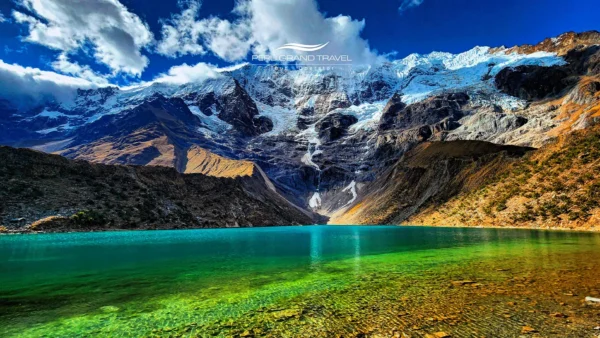
The Salkantay Trek is a high-adventure alternative to the Inca Trail and has become extremely popular. It combines snow-capped mountains, jungle trails, turquoise lagoons, and the mighty Salkantay Glacier.
What makes it special:
- No permits required
- Diverse landscapes from high mountain passes to lush rainforest
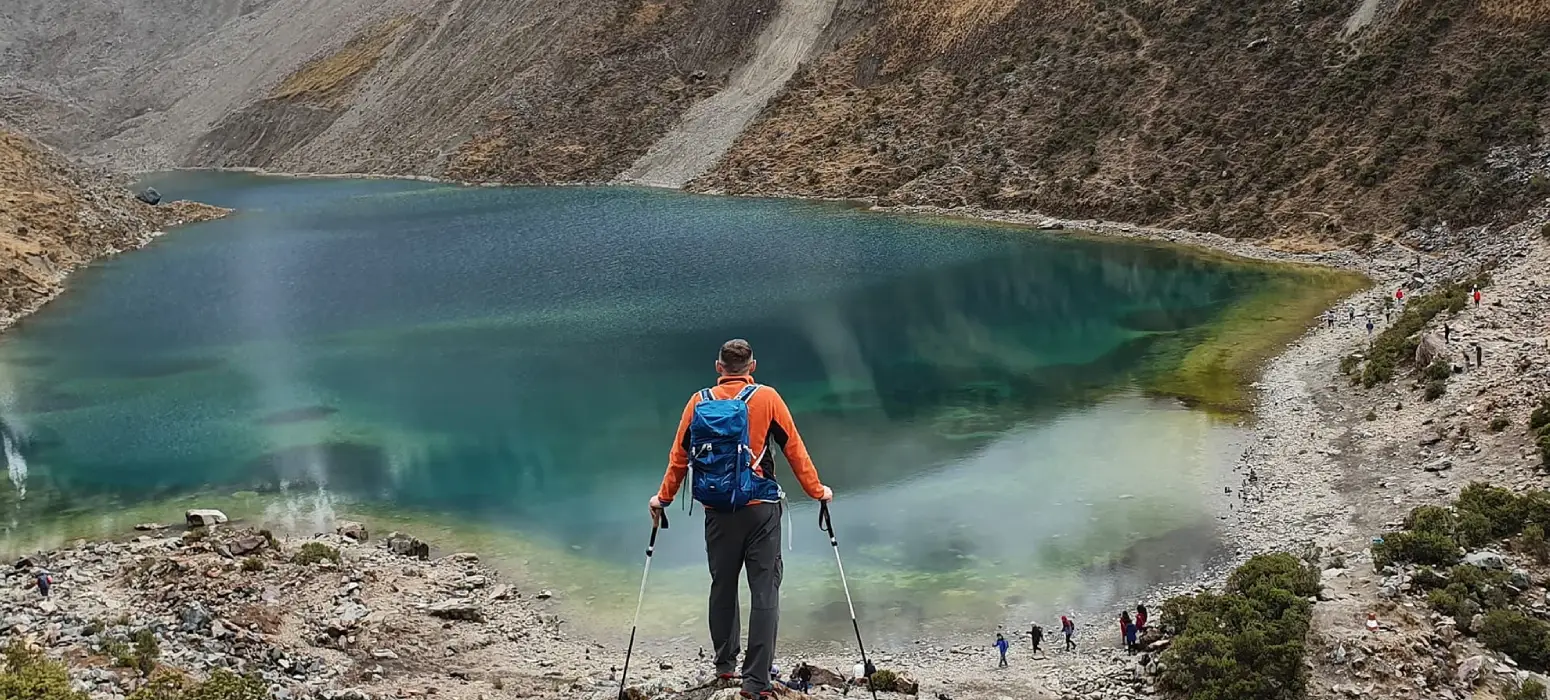
- Visits to Humantay Lake and Santa Teresa hot springs
- Ends with Machu Picchu on the final day
It’s more physically demanding than the Inca Trail, making it ideal for adventure travelers.
Lares Trek 4 Days
The Lares Trek is a cultural route that takes you through remote Andean communities where traditional Quechua life continues unchanged. This trek offers fewer crowds and more chances for authentic cultural interaction.
Top features:
- Stunning Andean lakes and mountain passes
- Encounters with local families and weavers
- Peaceful, uncrowded trails
- Finish your journey with a train to Aguas Calientes and a Machu Picchu visit
Great for travelers who enjoy culture, nature, and moderate hiking.
Inca Jungle Adventure 4 Days
A favorite among young travelers and adventure lovers, the Inca Jungle Tour mixes trekking with adrenaline-filled activities such as biking, ziplining, and rafting.
What’s included:
- Downhill mountain biking
- Hiking through coffee plantations and jungle paths
- Optional rafting and zipline activities
- Arrival at Machu Picchu on the final morning
It’s the most adventurous and flexible route for reaching Machu Picchu.
Choquequirao to Machu Picchu Trek
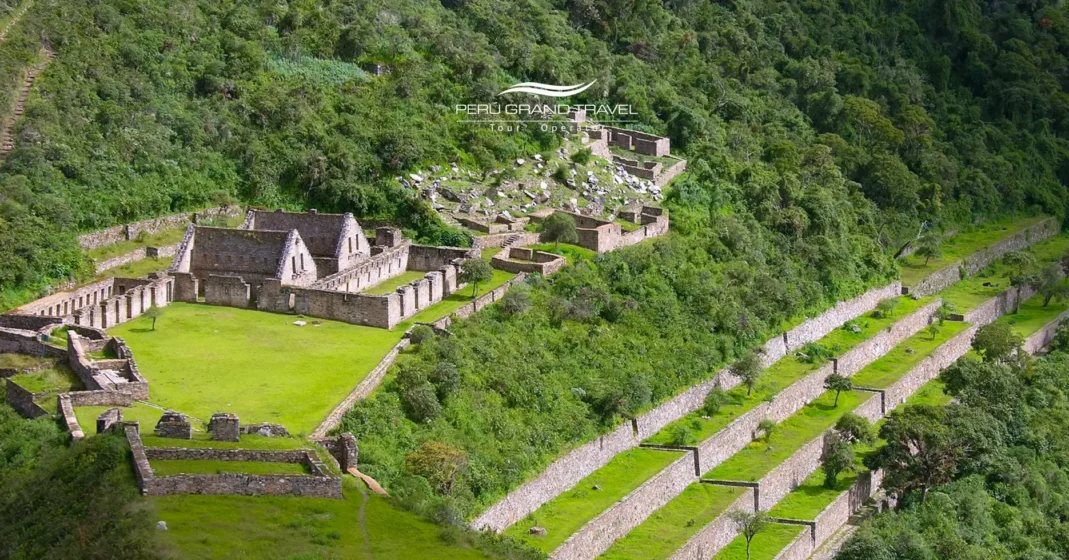
Considered one of Peru’s most challenging and rewarding treks, this route connects two of the greatest Inca cities: Choquequirao and Machu Picchu. The trail is remote, steep, and physically demanding, but offers unmatched archaeological and natural beauty.
Why it’s extraordinary:
- Visit Choquequirao, known as the “sister city” of Machu Picchu
- Dramatic canyon crossings and mountain scenery
- Very few tourists—true wilderness experience
- A once-in-a-lifetime trek for experienced hikers
This is the ultimate long-distance adventure for serious trekkers.
How to Choose the Right Machu Picchu Tour
With so many routes, train options, and tour styles available, choosing the right Machu Picchu tour from Cusco can feel overwhelming. The best option depends on your budget, schedule, mobility, travel preferences, and whether you prefer comfort, culture, or adventure. Here’s how to pick the perfect tour based on your travel style.
Best tours for first-time travelers
For first-time visitors to Peru, the Full-Day Machu Picchu Tour by Train is the most popular and convenient option. It includes everything—transportation, entrance tickets, a guided tour, and a stress-free itinerary.
The 2-day Machu Picchu tour with an overnight in Aguas Calientes is also excellent, offering more time at the site and a more relaxed experience.
These tours are ideal if you want simplicity, comfort, and a guaranteed smooth visit.
Best options for families
Families typically enjoy tours with less walking, flexible schedules, and comfortable transportation.
The top choices are:
- 2-day Machu Picchu tour with overnight stay
- Panoramic train tours (Vistadome or 360°)
- Private guided tours, especially for children or older adults
These provide more rest time, customization, and a calmer pace—perfect for family travel.
Best tours for adventure lovers
If you’re looking for excitement, physical challenge, and stunning landscapes, consider:
- Inca Trail (4 Days or 2 Days)
- Salkantay Trek 5 Days
- Inca Jungle Adventure 4 Days
- Choquequirao to Machu Picchu (8–9 Days)
These routes include hiking, camping, biking, ziplining, and remote cultural encounters. They are best for travelers who love outdoor adventure and want more than just a visit to the citadel.
Best tours for limited budgets
Travelers looking for cheaper alternatives can still enjoy Machu Picchu. The top budget-friendly options are:
- Machu Picchu Tour by Bus (Hidroeléctrica route)
- Expedition-class train tours
- Group shared tours instead of private tours
These options reduce transportation costs while still offering a complete Machu Picchu experience.
Best tours for luxury travelers
If you want the highest level of comfort and exclusivity, choose:
- Hiram Bingham luxury train
- Private Machu Picchu tours with expert guides
- First Class or premium panoramic train service
- Boutique hotels in Aguas Calientes
Luxury tours offer fine dining, personalized service, private transportation, and unforgettable attention to detail.
Factors to consider: comfort, timing, altitude, fitness level
Before choosing a tour, keep these key factors in mind:
- Comfort: Train category, group size, hotel quality, and walking requirements vary between tours.
- Timing: Decide whether you prefer a fast one-day trip or a relaxed 2–3 day experience.
- Altitude: Cusco and Machu Picchu sit at high altitude. Allow at least one day of acclimatization before your tour.
- Fitness level: Short tours require minimal walking, while treks like Salkantay or Choquequirao demand strong physical preparation.
Choosing based on these factors ensures you have a safe, enjoyable, and personalized visit to Machu Picchu.
Train Options for Machu Picchu Tours from Cusco
Traveling to Machu Picchu by train is the most scenic, comfortable, and popular way to reach the citadel from Cusco. Two major rail companies operate the route—PeruRail and Inca Rail—offering different classes, schedules, and experiences. Understanding these options will help you choose the best train for your Machu Picchu tour.
PeruRail vs. Inca Rail: Key differences
Both train companies offer safe and reliable service, but each one has its own strengths.
PeruRail
- The oldest and most established operator on the route.
- More departure times and more train categories.
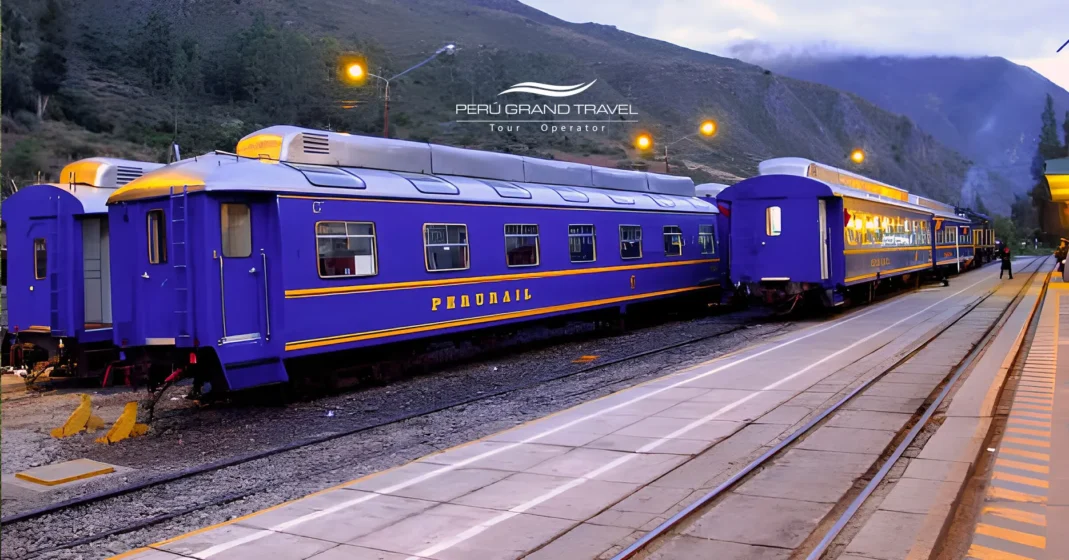
- Offers Expedition, Vistadome, and the luxury Hiram Bingham train.
- Onboard ambiance emphasizes Andean culture and tradition.
- Good availability during peak season due to its larger fleet.
Inca Rail
- Known for modern, stylish, and panoramic train designs.
- Offers The Voyager, 360°, and First Class trains.
- Excellent onboard service with gourmet snacks and attentive staff.
- Features extra-large windows and outdoor observatories on select trains—perfect for photographers.
- Popular among travelers seeking a more contemporary travel experience.
Expedition vs. Vistadome vs. Hiram Bingham
Train categories vary widely in comfort, amenities, and price.
Expedition (PeruRail) – Budget-Friendly
- Most economical train option to Machu Picchu.
- Comfortable seats and large side windows.
- Ideal for budget travelers or backpackers seeking a practical ride.
- Basic snacks available for purchase.
Vistadome (PeruRail) & 360° (Inca Rail) – Panoramic Experience
These mid-range panoramic trains offer excellent value and the best views.
Vistadome
- Panoramic windows and ceiling skylights.
- Complimentary snacks and drinks.
- Live cultural experiences onboard (dances, music, fashion show).
Inca Rail 360°
- Extra-large panoramic windows and roof windows.
- Modern design with charging ports and amenities.
- Outdoor observation deck (exclusive feature).
- Excellent for landscape photography.
These trains are ideal for travelers who want a scenic and comfortable journey.
Hiram Bingham (PeruRail) & First Class (Inca Rail) – Luxury Trains
For a premium, once-in-a-lifetime experience.
Hiram Bingham
- One of the most luxurious trains in the world.
- Includes gourmet meals, open bar, live music, and private bus to Machu Picchu.
- Elegant 1920s-style dining and bar cars.
Inca Rail First Class
- Fine dining, cocktail bar, and comfortable lounge.
- Exclusive service with gourmet Andean fusion cuisine.
- Access to a VIP waiting room in Ollantaytambo or Cusco.
Perfect for honeymooners, VIP travelers, or anyone celebrating a special occasion.
Where trains depart: Poroy, Ollantaytambo, San Pedro
Depending on the season and availability, trains to Machu Picchu depart from three stations near or outside Cusco.
San Pedro Station (Cusco Historical Center)
- Located inside Cusco city.
- Extremely convenient for travelers staying downtown.
- Limited departures and seasonal operation.
Poroy Station (Near Cusco)
- About 25 minutes from central Cusco.
- Operates mainly in the dry season (approx. May–December).
- Avoids the long transfer to the Sacred Valley.
Ollantaytambo Station (Sacred Valley)
- Most common and reliable departure point.
- Operates year-round.
- 1:30 to 2 hour drive from Cusco.
- Beautiful scenery on the way to the station.
Most tours from Cusco include transport to any of these stations.
How early to book train tickets
Train tickets to Machu Picchu are limited and sell out quickly—especially during peak season.
- Recommended booking windows:
- High season (June–August): Book 2–3 months in advance.
- Shoulder season (April–May, September–October): Book 1–2 months in advance.
- Luxury trains (Hiram Bingham / First Class): Book as early as possible.
- Why book early?
- Better departure times
- More train categories available
- Better pricing
- Easier coordination with Machu Picchu entrance tickets
Because Machu Picchu uses timed entry, your train schedule must match your entrance ticket—another reason early booking is essential.
Tickets & Entrance Options for Machu Picchu
Since June 2024, Machu Picchu operates under a new access system with 3 main circuits that include 10 official visiting routes. When you purchase your ticket, you must choose your circuit — this determines the route you will follow, how much of the site you can visit, and the estimated duration of your tour.
Below is an updated overview based on the official Peruvian government information.
Types of Circuitos Machu Picchu & tickets
Machu Picchu now uses Circuit 1, Circuit 2, and Circuit 3, each designed for different types of visits.
Circuit 1 – Panoramic Route (Upper Sector)
Best for visitors who want the famous postcard views and a lighter walking experience.
Circuit 1 includes routes such as:
- Route 1-A: Machu Picchu Mountain: Includes access to the Machu Picchu Mountain hike plus the panoramic section of the citadel.
- Route 1-B: Upper Terrace: Perfect for classic photos of Machu Picchu. This is the most straightforward and accessible route.
- Route 1-C: Inti Punku (Sun Gate): Open only in high season. Includes a beautiful hike to the historic Sun Gate.
- Route 1-D: Inka Bridge: Available only during high season. Offers a scenic walk to the Inca Bridge viewpoint.
Important:
Circuit 1 focuses on panoramic views — it does not include the full archaeological tour inside the main sectors.
Circuit 2 – Classic Circuit (Most Complete Visit)
Circuit 2 is the most popular option and offers the most complete visit to the archaeological site.
Includes routes such as:
- Route 2-A: Standard designed route through upper and lower sectors
- Route 2-B: Alternative lower terrace route with similar access
These routes cover the most iconic temples, plazas, terraces, and urban areas.
If this is your first visit, Circuit 2 is usually the best choice.
Circuit 3 – Royalty Circuit (Lower Sector)
Circuit 3 includes routes that explore the lower archaeological areas and is also the base circuit for optional mountain add-ons including:
- Huayna Picchu
- Huchuy Picchu
- Some extended lower-sector routes
This circuit is excellent for those seeking a quieter path or who are planning to hike one of the additional mountains.
Note: Mountain routes require good physical condition and have limited daily availability.
Huayna Picchu vs. Machu Picchu Mountain
These two famous mountain hikes are optional add-ons and require separate ticket variations with very limited spaces.
- Huayna Picchu is a separate mountain—not a circuit—and its access requires an additional ticket with limited daily spots. It is part of the complementary routes for travelers seeking a more challenging experience.
- Machu Picchu Mountain may be included under certain routes within Circuit 1 (such as Route 1-A) as an extended panoramic option.
Both routes offer spectacular views from above, but they require additional hiking, physical effort, and have limited availability.
Best time of day to enter Machu Picchu
- The site opens at 6:00 AM, and the last entry is usually around 3:00 PM.
- Entering early (first time slots) offers the best lighting for photos, cooler temperatures, and fewer visitors.
- Tickets are assigned by specific entry times, and visitors must respect their schedule. Exit times depend on the circuit purchased.
When tickets sell out
- Due to high demand and limited government-controlled capacity, tickets—especially Circuit 2 and mountain routes—tend to sell out 4 to 8 weeks (or even earlier) during peak season (June–August).
- During shoulder or low season there is generally more availability, but if you plan to include a mountain hike (Huayna Picchu, Machu Picchu Mountain, etc.), it is still recommended to buy your tickets well in advance.
How far in advance to book
- To secure a spot on Circuit 2 or other popular routes, it is recommended to book 2–3 months in advance during high season.
- For mountain hikes or special circuits, booking 4 to 6 months ahead is advisable if you plan to visit during peak dates.
- During low or shoulder season, booking 1 to2 months in advance is usually sufficient, although there is always a risk of tickets selling out.
Remember: each ticket is tied to a specific circuit, route, and entry time, and availability is limited.
Rules, circuits & new visitor regulations
Since June 2024, Machu Picchu’s access rules have changed to improve conservation and visitor flow. Current regulations include:
- Access by assigned circuit: You may only follow the specific route indicated on your ticket.
- Fixed entry time: You must enter at the exact time shown; late arrivals may be denied entry.
- Limited duration: Each circuit has an estimated visiting time of 2–3 hours, depending on the route purchased.
- No movement between circuits: Switching circuits or freely exploring multiple areas is not allowed.
- Strict daily capacity: Visitor numbers are limited to reduce impact and overcrowding.
- Additional restrictions: Mountain routes require good physical condition, may have minimum age requirements, and include special safety regulations.
What’s Included in Machu Picchu Tours from Cusco
Most Machu Picchu tours from Cusco are designed to make your trip seamless by bundling transportation, tickets, and professional guidance in a single package. Inclusions can vary by tour category: budget, standard, or luxury. However, these are the key services you can expect from trusted operators.
Transport train, bus & transfer
Transportation is the core of every Machu Picchu tour, and agencies handle all logistical steps to ensure a smooth journey.
Most tours include:
- Hotel pick-up in Cusco
- Transfer to the train station (Poroy, San Pedro, or Ollantaytambo)
- Round-trip train tickets to and from Aguas Calientes
- Round-trip bus tickets between Aguas Calientes and Machu Picchu
- Return transport to your hotel in Cusco after the tour
Because Machu Picchu requires combining multiple forms of transport, having everything coordinated for you saves time and avoids stress.
Entrance tickets
Machu Picchu uses strict regulations, limited daily entry, and specified time slots. A tour ensures your ticket is reserved correctly and on time.
Tours typically include:
- General Machu Picchu entrance (Circuit – 1, 2 or 3)
- Optional mountain entry (Huayna Picchu or Machu Picchu Mountain), if selected in advance
- Timed entry coordination matching your train schedule
Buying a tour helps ensure you don’t face sold-out dates or mismatched entry hours.
Professional guide
A certified guide greatly enhances the experience by explaining the cultural, historical, and architectural significance of the citadel.
A professional guide will:
- Lead you through your assigned circuit
- Explain major temples, terraces, and observatories
- Share Inca history, myths, and archaeological insights
- Help you take photos at the best scenic points
- Ensure you follow park rules and time limits
Guided tours add depth and meaning to your visit.
Meals (depending on tour)
Meal inclusions vary depending on the type and duration of your tour.
Full-Day Tours
- Some include breakfast during the transfer
- Some include lunch in Aguas Calientes
- Budget tours may not include meals
2-Day Tours
- Hotel breakfast always included
- Some packages include dinner in Aguas Calientes
Luxury trains such as Vistadome, First Class, or Hiram Bingham offer gourmet meals on board.
Hotel accommodation for 2-day tours
If you choose a two-day Machu Picchu tour, accommodation in Aguas Calientes is included.
Typical inclusions:
- 1-night hotel stay (3-star standard)
- Breakfast included
- Optional upgrades to 4-star or 5-star hotels
- Late check-in coordination after evening train arrival
Staying overnight allows a more relaxed pace and early-morning entry into Machu Picchu.
Optional upgrades Vistadome, private guide, panoramic trains
Travelers can customize their experience with optional upgrades.
Train upgrades:
- Vistadome (PeruRail) or 360° (Inca Rail) — panoramic windows, snacks, cultural shows
- First Class or Hiram Bingham — luxury service with gourmet meals and VIP lounges
Tour upgrades:
- Private guide for a personalized and flexible visit
- Hotel upgrades (boutique, spa, panoramic views)
- Schedule enhancements such as sunrise entry or extended guided time
These upgrades elevate comfort, scenery, and overall satisfaction.
Itineraries for Popular Machu Picchu Tours
Understanding what each Machu Picchu tour includes is key for choosing the right experience. Here are sample itineraries that show what a typical day or multi-day route looks like for popular tours from Cusco.
Sample itinerary: Full-day tour
Ideal for travelers with limited time who want to visit Machu Picchu in a single day.
- 4:00–5:00 AM — Hotel Pickup in Cusco: Your tour begins early with a transfer to the train station (Poroy or Ollantaytambo).
- 6:00–8:00 AM — Train Journey to Aguas Calientes: Enjoy panoramic views of the Sacred Valley, rivers, and mountains.
- 8:30 AM — Bus Ride to Machu Picchu: A 25-minute ascent through the cloud forest.
- 9:00 AM — Guided Tour of Machu Picchu (2–3 hours): Your guide explains key structures, terraces, temples, and viewpoints along your assigned circuit.
- 12:00 PM — Free Time to Explore or Take Photos: Optional: lunch in Aguas Calientes.
- 2:00–4:00 PM — Return Train Back to Cusco: Arrive in Cusco by evening.
Sample itinerary: 2-day Machu Picchu tour
Perfect for travelers who prefer a more relaxed experience.
Day 1: Cusco to Aguas Calientes
- Morning transfer to the train station
- Scenic train to Aguas Calientes
- Optional visit to hot springs or local market
- Dinner and overnight in a hotel
Day 2: Machu Picchu Visit
- Early breakfast
- Bus to Machu Picchu
- Guided tour (2–3 hours)
- Optional hike: Huayna Picchu or Machu Picchu Mountain
- Lunch in Aguas Calientes
- Afternoon train back to Cusco
This option allows you to enjoy Machu Picchu at a calmer pace with fewer crowds.
Sample itinerary: Sacred Valley + Machu Picchu
One of the most complete experiences, combining archaeology, culture, and Machu Picchu.
Day 1: Sacred Valley Tour
- Visit Pisac ruins and market
- Explore Ollantaytambo fortress
- Lunch in Urubamba
- Afternoon train from Ollantaytambo to Aguas Calientes
- Overnight in Aguas Calientes
Day 2: Machu Picchu
- Early entry into the citadel
- Guided tour along Circuit 1 or 2
- Optional mountain hike
- Afternoon return to Cusco
Great for travelers who want to see the best of the Sacred Valley before Machu Picchu.
Sample itinerary: Short Inca Trail
Ideal for travelers who want a taste of the Inca Trail without the full 4-day trek.
Day 1
- Early transfer to KM 104
- Begin the 12 km hike
- Visit Wiñay Wayna archaeological site
- Continue to the Sun Gate (Inti Punku) for the first view of Machu Picchu
- Descend to Aguas Calientes
- Overnight at hotel
Day 2
- Morning guided tour of Machu Picchu
- Optional extra hiking
- Afternoon train back to Cusco
This tour blends adventure, culture, and iconic views.
Sample itinerary: Salkantay Trek
A top choice for adventure lovers seeking dramatic scenery and challenging trails.
Day 1: Cusco to Humantay Lake and Soraypampa
- Hike to Humantay Lake
- Evening at the Salkantay base camp
Day 2: Salkantay Pass
- Cross the high-altitude Salkantay Pass (4,630 m)
- Descend into the cloud forest
Day 3: Santa Teresa Valley
- Warm climate, waterfalls, coffee plantations
- Optional hot springs
Day 4: Hidroeléctrica to Aguas Calientes
- Scenic walk along the train tracks
- Overnight in Aguas Calientes
Day 5: Machu Picchu
- Early morning entry
- Guided tour
- Train return to Cusco
This trek offers one of the most diverse landscapes in the region.
How Much Do Machu Picchu Tours from Cusco Cost?
Prices for Machu Picchu tours vary widely depending on the type of experience, the train category, group size, season, and additional services. Understanding these price ranges will help you choose a tour that fits your travel style and budget without surprises. Below is a breakdown of average costs and what typically influences them.
Price ranges by tour type
Here are the typical price ranges you can expect when booking a Machu Picchu tour from Cusco:
Full-Day Machu Picchu Tour by Train
- $280–$450 USD per person
- Depends on train class (Expedition, Vistadome, 360°)
2-Day Machu Picchu Tour (hotel included)
- $320–$550 USD per person
- Varies by hotel category (3★, 4★, 5★)
Sacred Valley + Machu Picchu (2 Days)
- $350–$600 USD per person
Short Inca Trail (2 Days)
- $500–$750 USD per person
Inca Trail 4 Days
- $700–$1,200 USD per person
- Prices rise based on group size and camping services
Salkantay Trek (5 Days)
- $300–$650 USD per person
- Luxury lodges or upgraded services increase cost
Luxury Machu Picchu Experiences
- $800–$1,200+ USD per person
- Includes panoramic or VIP trains (Hiram Bingham or First Class)
Prices reflect the complexity of logistics, transport, and strict government regulations for visiting Machu Picchu.
Budget vs. standard vs. luxury comparisons
Budget Tours
- Typically use Expedition or Voyager-class trains
- Larger group sizes
- Basic accommodation (for overnight tours)
- Fewer meal inclusions
- Good option for backpackers or students
Standard Tours (Mid-range)
- Vistadome or 360° panoramic trains
- Smaller groups or semi-private tours
- 3★ or boutique hotels
- Some meals included
- Best balance of comfort and price
Luxury Tours
- First Class or Hiram Bingham trains
- Private guides and flexible schedules
- 4 stars – 5 stars hotels in Aguas Calientes
- Gourmet meals and VIP lounges
- Ideal for honeymooners, families, and premium travelers
Each tier offers a different level of comfort, service, and personalization.
Seasonal price variations
Prices fluctuate depending on travel season and demand.
High Season (June–August)
- Highest prices due to demand
- Train tickets and hotels sell out quickly
- Book 2–3 months in advance
Shoulder Season (April–May, September–October)
- Moderate prices
- Excellent weather
- Great time to visit for value and comfort
Low/Rainy Season (November–March)
- Lower prices on tours and hotels
- Occasional train promotions
- Expect cloudy mornings and afternoon showers
Holiday dates (Christmas, New Year, Easter) may bring temporary price increases.
Extra costs to consider (meals, upgrades, tips)
While most tours are comprehensive, there are some additional costs travelers should keep in mind:
Meals
- Lunch in Aguas Calientes (if not included): $15–$25 USD
- Dinner for 2-day tours varies by restaurant
Optional Upgrades
- Train class upgrades:
- Vistadome: +$40–$70 USD
- First Class or Hiram Bingham: +$200–$500 USD
- Hotel upgrades (4 stars or 5 stars): +$40–$150 USD per person
- Private guide upgrade: $40–$100 USD
Entrance Add-ons
- Huayna Picchu or Machu Picchu Mountain ticket: +$20–$30 USD
Personal Expenses
- Snacks, souvenirs, coffee shops
- Tips:
- Guide: $10–$20 USD per traveler
- Driver: $5–$10 USD total
Travel Insurance
- Optional but recommended for trekking tours.
Best Time of Year for Machu Picchu Tours
Machu Picchu is a year-round destination, but the experience varies significantly depending on the season. Weather, crowds, ticket availability, and trail conditions all change throughout the year, making it important to choose the best time for your travel style. Here’s a breakdown of what to expect in each season.
Dry season (best weather)
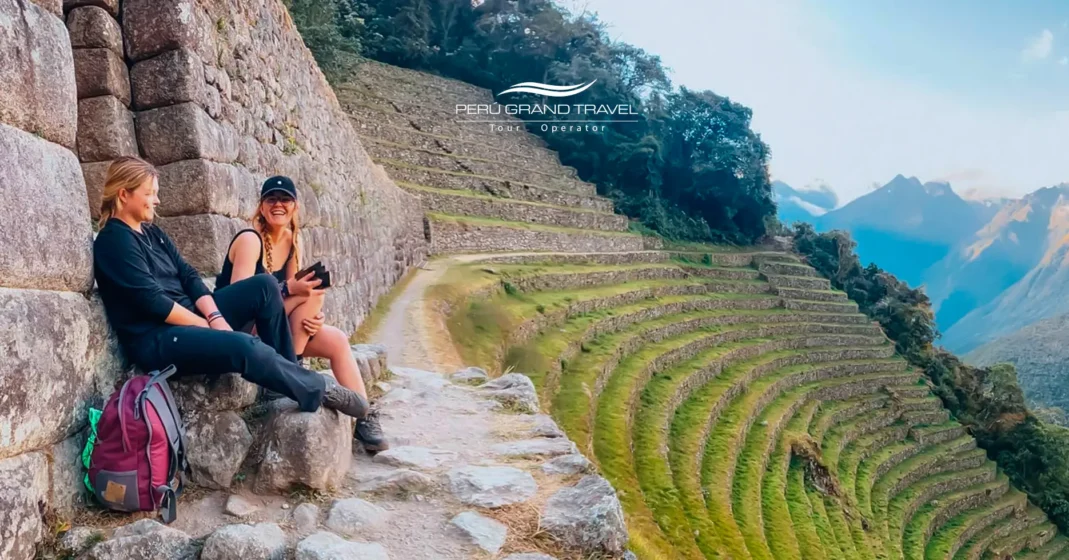
May to September is considered the best time to visit Machu Picchu, especially for travelers planning treks such as the Inca Trail, Salkantay, or Lares.
What to expect:
- Clear blue skies
- Minimal rainfall
- Excellent visibility for photography
- Pleasant daytime temperatures
- Cooler mornings and evenings
This period is perfect for hiking and scenic tours, as trails are dry and stable.
Best months: June, July, August
However, because this season offers ideal weather, it also attracts the largest number of visitors. Tickets and trains sell out fast, so early booking is essential.
Rainy season (fewer crowds)
October to April is the rainy season at Machu Picchu, bringing more cloud cover and frequent afternoon showers.
Advantages:
- Fewer crowds
- Lower prices for tours and hotels
- Lush green landscapes
- Easier availability of train tickets and entrance slots
Considerations:
- Trails can be muddy or slippery
- Foggy mornings may reduce visibility
- Afternoon storms are common
Despite the rain, many travelers enjoy this season because Machu Picchu looks especially mystical with mist and cloud formations.
Important: The Inca Trail closes every February for maintenance.
Peak season vs. shoulder season
Understanding these travel periods helps you choose the ideal time for your visit.
Peak Season (June–August)
- Best weather
- Highest demand
- Tickets and trains sell out 1–3 months in advance
- Larger crowds at Machu Picchu
Shoulder Season (April–May & September–October)
- Great balance of good weather and fewer visitors
- Easier ticket availability
- Excellent conditions for photography
- More flexibility with tour dates
Shoulder season is often considered the best time overall due to stable weather and lighter crowds.
How weather impacts tours & trekking routes
Weather directly influences tour logistics and hiking conditions.
Train & Bus Tours
- Operate year-round
- Rain may delay buses temporarily but rarely cancels tours
- Morning fog is common but usually clears mid-morning
Trekking Tours
- Dry season: Best conditions—dry trails, clear views, safer passes
- Rainy season: Trails can be slippery or affected by landslides
- February: Inca Trail closed; other treks may face restrictions
Photography & Visibility
- Dry season: Sharp, clear mountain views
- Rainy season: Magical fog, dramatic light, but less predictability
Temperature Changes
- Dry season mornings can be very cold (near 0°C / 32°F)
- Rainy season is warmer but wetter
Choosing the right season depends on whether you prioritize weather, price, or crowd levels.
Practical Tips for Visiting Machu Picchu
Whether you’re visiting Machu Picchu on a one-day tour or starting an extended trekking adventure, proper preparation will make your journey smoother, safer, and more enjoyable. These practical tips cover everything from packing essentials to health, safety, and sustainability.
What to pack for your tour
Weather in the Andes can change quickly, so packing smart is essential. Regardless of the season, bring:
Clothing
- Lightweight layers (T-shirt + warm mid-layer + windproof jacket)
- Comfortable walking shoes
- Hat and sunglasses
- Rain poncho or waterproof jacket (especially November–March)
Essentials
- Small daypack
- Sunscreen (high SPF)
- Refillable water bottle
- Snacks (energy bars, fruit, nuts)
- Passport (required for entry)
Optional
- Walking poles (only allowed with rubber tips)
- Bug repellent
- Portable charger for your phone/camera
Light, comfortable gear makes the experience much easier.
How to avoid altitude sickness
Machu Picchu itself is not extremely high (2,430 m), but Cusco (3,400 m)—where tours begin—can cause altitude symptoms.
Tips to prevent altitude sickness:
- Spend at least one day acclimatizing in Cusco before your tour
- Drink plenty of water
- Avoid alcohol and heavy meals on your first day
- Walk slowly and rest when needed
- Try coca tea or muña tea (traditional Andean remedies)
If you plan to hike Huayna Picchu or Machu Picchu Mountain, give yourself extra acclimatization time.
Safety recommendations
Machu Picchu is generally very safe, but following a few guidelines will help ensure a smooth experience.
Key safety tips:
- Stay within marked paths (edges can be steep and slippery)
- Follow your guide’s instructions
- Watch your step on uneven stone terraces
- Keep personal belongings close—especially in crowded areas
- Secure your backpack when taking photos
- Never feed wildlife
Tours are well-organized, but awareness is important.
Photography tips
Machu Picchu is one of the most photogenic places in the world. To capture the best images:
For the best lighting:
- Early morning or late afternoon provides softer light
- Midday can be harsh but offers clear visibility
Techniques:
- Use leading lines from terraces for depth
- Capture both wide landscape shots and close-ups of stonework
- If the fog is present—wait! It often clears dramatically
Gear tips:
- Phones take great photos, but bring a camera if you want high resolution
- Tripods are not allowed inside Machu Picchu
- Carry a microfiber cloth for lens cleaning
Clouds and mist often create magical, dramatic scenes.
Sustainable travel practices
Machu Picchu is a UNESCO World Heritage Site, and preserving it is essential for future generations.
Sustainable tips:
- Bring a reusable bottle to reduce plastic waste
- Stay on designated paths to protect fragile structures
- Respect wildlife and avoid feeding animals
- Support local communities by purchasing local crafts or using local services
- Follow all park rules and circuit routes
Responsible tourism keeps Machu Picchu beautiful and accessible.
How to prepare for early departures
Most tours to Machu Picchu—especially full-day tours—begin very early in the morning.
Preparation tips:
- Pack your backpack the night before
- Lay out your clothes ahead of time
- Charge your phone and camera
- Eat a light breakfast or bring snacks
- Get enough sleep (wake-up times can be 3:30–4:30 AM)
- Confirm your pickup time with your tour operator
Being ready in advance makes early travel easier and ensures you don’t miss your transfer or train.
FAQs About Machu Picchu Tours from Cusco
Below are the most common questions travelers ask when planning a Machu Picchu tour from Cusco. These concise answers are designed to help you make informed decisions and prepare for a smooth, enjoyable visit.
Is one day enough to visit Machu Picchu?
Yes, one day is enough to visit Machu Picchu if you take an early train from Cusco or Ollantaytambo. You’ll have time for a guided tour and some free exploration inside the citadel. However, the day is long and fast-paced, so travelers who prefer a relaxed visit often choose a 2-day tour. Staying overnight in Aguas Calientes offers a calmer experience and the chance for early-morning entry.
What is the best tour for beginners?
The best option for beginners is the Full-Day Machu Picchu Tour by Train, as it requires minimal walking and provides a guided experience from start to finish. The 2-day tour with an overnight stay is also excellent for beginners because it reduces travel fatigue. Both options include all logistics, making them easy and stress-free. Adventure treks are better suited for travelers with hiking experience.
How early should I book tickets?
It’s recommended to book your Machu Picchu entrance and train tickets 1–3 months in advance, depending on the season. During peak months (June–August), tickets—especially Huayna Picchu and Circuit 2—can sell out quickly. Booking early ensures better train schedules and availability for your preferred circuit. Last-minute tickets are possible in the rainy season, but availability is not guaranteed.
Are guided tours mandatory?
Guided tours are not strictly mandatory, but they are highly recommended—especially for first-time visitors. Machu Picchu has one-way circuits, strict rules, and limited signage, so a guide helps you navigate and understand the site’s history. Many travelers say the experience is much more meaningful with a certified guide. Some circuits may require supervision depending on updated regulations.
What’s the difference between circuits?
Each circuit follows a different route through Machu Picchu, offering unique viewpoints and levels of walking. Circuit 1 and 2 include the famous panoramic viewpoints and cover more of the upper and central sectors. Circuits 3 focus on the lower archaeological areas and require less walking. Once inside, you must follow your assigned circuit—re-entry is not allowed.
Can I visit Machu Picchu without a tour?
Yes, you can visit Machu Picchu independently by purchasing your entrance ticket, bus ticket, and train tickets separately. However, many travelers prefer booking a tour because it simplifies logistics and avoids the risk of mismatched schedules. Visiting without a guide is allowed, but you must still follow your assigned circuit and entry time. For most visitors, a tour offers better organization and support.
Is the bus or train better?
The train is the fastest, most scenic, and most comfortable way to reach Aguas Calientes. It’s ideal for most travelers, including families and beginners. The bus route (via Hidroeléctrica) is cheaper but significantly longer and more tiring, involving hours of winding roads and additional walking. For convenience and safety, the train is generally the better option.
What happens if it rains?
Machu Picchu remains open during rain, and tours operate normally. Rain showers—especially from November to March—are common but typically short. Bring a poncho, waterproof jacket, and non-slip shoes to stay comfortable. Rain can also create dramatic photography conditions with misty, atmospheric views.
Ready to discover them? Traveling is about discovering, learning, and creating unforgettable memories, and Peru is the perfect destination for all of that. Its landscapes, history, and culture make every experience unique, filled with moments that will change your life.
We invite you to explore our Peru packages. Your experience in Peru is just one step away. Contact us now and start living the unique adventure you’ve always dreamed of.
More information:
- Visit our English website: Peru Grand Travel
- Visit our Spanish website: Viajes Machu Picchu Tours
- Visit our Portuguese website: Machu Picchu Pacotes

Experiences

Machu Picchu Challenge 8D/7N
Cusco, Sacred Valley Humantay Lagoon, Rainbow Mountain & Machu Picchu.
View Tour
Colonial Lima and Sacred land of the Incas 7D/6N
Lima, Cusco, Sacred Valley & Machu Picchu.
View Tour