Planning to hike the historic Inca Trail to Machu Picchu? This ancient path is one of the world’s most rewarding treks, but requires careful planning due to its demanding logistics and strict permit rules.
Table of Contents
This definitive guide provides direct, essential information on duration, difficulty, permits, and what to pack. We’ll ensure you have all the facts needed to transform your dream of reaching the Lost City of the Incas into a successful reality.
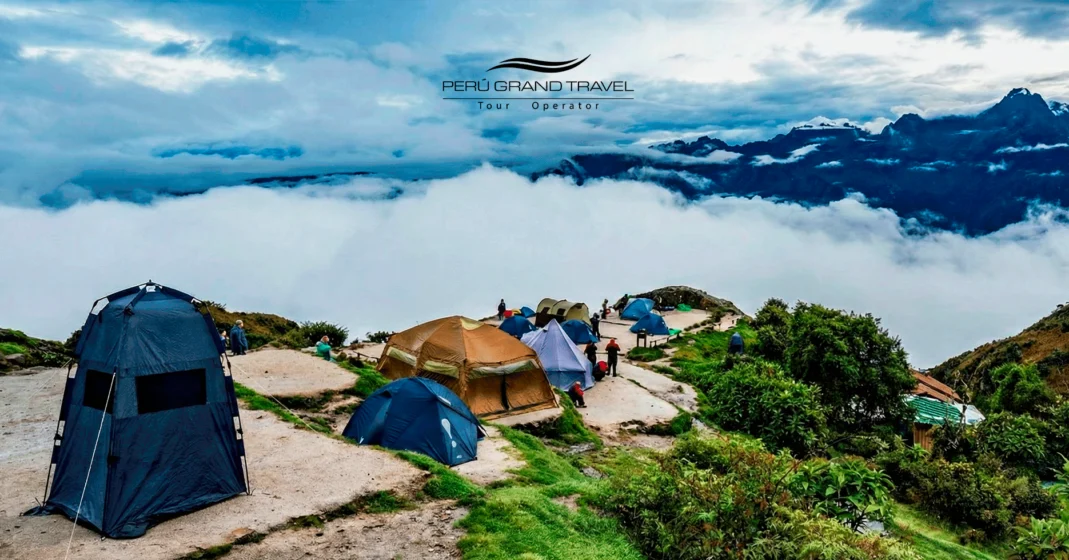
How long is the Inca Trail and What de the distance does it cover
The Inca Trail offers two main route options, varying significantly in duration and distance. Understanding these routes is the first step in planning your trekking adventure.
The Classic Route 4 Days / 3 Nights: A Complete Trekking Challenge
The most popular option, the Classic Inca Trail, is a challenging, multi-day trekking experience that follows the original royal path.
- Duration: 4 Days / 3 Nights of continuous hiking and camping.
- Total Distance: Approximately 45 kilometers (28 miles).
- Start Point: Kilometer 82 (Piscacucho) on the railway line near Ollantaytambo.
- Finish Point: Machu Picchu (via the Sun Gate, or Intipunku).
- Experience: This route covers the most significant archaeological sites and provides the iconic hike through cloud forests and high mountain passes.
The Short Route 2 Days / 1 Night: Maximum Impact, Less Effort
Ideal for travelers with limited time, or those who prefer a less strenuous hike but still want to experience a portion of the original trail.
- Duration: 2 Days / 1 Night Only one day is dedicated to hiking.
- Total Distance: Approximately 10–13 kilometers (6–8 miles).
- Start Point: Kilometer 104 (Chachabamba).
- Finish Point: Machu Picchu (via the Sun Gate).
- Experience: The short route includes one day of hiking to Machu Picchu, a hotel stay in Aguas Calientes, and a full tour of Machu Picchu on the second day.
Classic Inca Trail vs. Short Inca Trail: Which hike should you choose?
Selecting the right route depends on your fitness level, time availability, and desire for a full backpacking experience.
| Feature | Classic Inca Trail (4D/3N) | Short Inca Trail (2D/1N) |
| Physical Demand | High. Requires strong endurance over four days. | Moderate. One strenuous day of hiking (6-7 hours). |
| Accommodation | Camping only (tents). Full backpacking. | Hotel/Hostel in Aguas Calientes. |
| Permit Availability | Extremely limited (500 permits per day for all personnel). | More available than the classic route. |
| Cultural Depth | High. Visits 4+ major ruins (Phuyupatamarca, Sayacmarca). | Moderate. Visits Wiñay Wayna and Machu Picchu. |
| Required Booking Time | 6–12 months in advance. | 2–4 months in advance. |
The Classic Route | 4 Days / 3 Nights: A Complete Trekking Challenge
This route is for true adventure seekers who want the full immersion experience. You carry your essentials in your backpacking pack, rely on porters for gear, and spend three nights camping. It is the only way to genuinely experience the original royal Inca hike.
Detailed Itinerary: What You Will Visit Day by Day | 4 Days
- Day 1 (Piscacucho to Wayllabamba): An initial, relatively easy walk, acclimatizing to the elevation change. You pass the Patallacta ruins. (approx. 14 km).
- Day 2 (Wayllabamba to Pacaymayo): The hardest day. You ascend to the highest pass (Dead Woman’s Pass). Highest elevation reached. (approx. 12 km).
- Day 3 (Pacaymayo to Wiñay Wayna): Descent and ascent over two smaller passes, passing spectacular ruins like Runkurakay, Sayacmarca, and Phuyupatamarca. (approx. 16 km).
- Day 4 (Wiñay Wayna to Machu Picchu): Early morning hike to the Sun Gate (Intipunku) for the sunrise view over Machu Picchu. (approx. 5 km).
The Short Route | 2 Days / 1 Night: Maximum Impact, Less Effort
This option is perfect for those who prioritize seeing the best scenery and don’t want the full commitment of a multi-day backpacking trip.
Detailed Itinerary: What You Will Visit in 2 Days
- Day 1: Start hike from KM 104, visit the spectacular Wiñay Wayna ruins, and enter Machu Picchu via the Sun Gate late afternoon. Overnight in Aguas Calientes.
- Day 2: Bus ride up to Machu Picchu for the official guided tour. Return to Cusco by train.
Inca Trail Difficulty Level: Is this hike right for you?
The Inca Trail is not a casual walk. It is a strenuous high-altitude hike that requires physical fitness, preparation, and mental resilience.
Difficulty Analysis: Elevation Gain and Terrain | Includes Elevation
The primary factor contributing to the difficulty is the elevation and its associated rapid changes, combined with challenging terrain.
- Highest Elevation: Warmiwañusca (Dead Woman’s Pass) reaches 4,215 meters (13,828 feet) above sea level. This is where most hikers struggle.
- Elevation Gain/Loss: Days 2 and 3 involve significant, sustained ascents and descents, particularly steep, uneven Inca stone steps that challenge the knees and ankles.
- Terrain: The trail consists of rough dirt paths, ancient stone staircases (often slippery), and muddy stretches, especially in the wet season.
The Role of Porters and Weight Limits on Your Backpacking Load
While the hike is strenuous, the use of porters significantly eases the burden.
- Porter Service: Porters carry the main camping equipment (tents, food, cooking gear) and your personal main backpacking duffel bag.
- Your Load: You are only responsible for carrying a daypack (usually 5–7 kg) containing water, snacks, cameras, rain gear, and essential personal items.
- Weight Limits: Strict government regulations limit the weight porters can carry (usually around 20–25 kg per porter, including their personal gear). Adhering to the allowed weight for your duffel bag (typically 5–7 kg) is mandatory and ethical.
Required Physical and Mental Preparation
To enjoy the hike safely, begin physical training 3-6 months in advance. Your goal is to be comfortable walking for 6–8 hours daily, often uphill.
- Focus: Cardiovascular fitness (running, cycling, interval training) and strength training (especially legs, glutes, and core).
- Practice: Simulate your backpacking experience by doing long walks on uneven terrain, up and down hills, with your weighted daypack.
- Mental Toughness: Be prepared for early starts (5:00 AM), changing weather, basic toilet facilities, and camping conditions. The mental grit to keep moving on Day 2 is as crucial as physical fitness.
Training Plans: Weeks Before Your Hike
| Time Before Hike | Focus | Recommended Activity |
| 12+ Weeks | Base Conditioning | 3–4 sessions of cardio (45+ mins); strength training (squats, lunges). |
| 8–4 Weeks | Endurance & Terrain | 1–2 long hikes/weekend (4+ hours) on varied terrain with a weighted pack. |
| 4–2 Weeks | Peak Performance | High-intensity interval training (HIIT) to improve oxygen efficiency. |
| 1 Week | Rest & Acclimatization | Light walking and travel preparation. No strenuous activity. |
Climate and the Best Time to Hike the Inca Trail
Timing is crucial for a comfortable and safe hike. The Peruvian Andes have two main seasons.
Recommended Months | Dry vs. Rainy Season
- Dry Season May – September: Considered the best time. Days are generally sunny and clear. Skies are perfect for views. However, nights are much colder (can drop below freezing). Peak booking period.
- Shoulder Season April & October – November: Good balance. Fewer crowds than the dry season, but with the possibility of rain showers.
- Wet Season December – March: Frequent rainfall, muddy trails, and obscured views. The trail is closed every February for maintenance.
Tips if Your Trip Coincides with the Rainy/Off-Season
- If your travel dates fall outside the optimal window, you can still have a successful hike by focusing on equipment and safety.
- Gearing: Invest in high-quality, waterproof backpacking gear, including rain jackets, waterproof pants, and heavy-duty covers for both your daypack and main duffel bag.
- Footwear: Ensure your hiking boots are fully waterproof and well-broken-in. Consider using gaiters to prevent mud and water from entering your boots.
- Pace: Expect a slower pace due to slick stones and mud. Be patient with potential delays and obscured views due to fog and rain. The benefit is fewer crowds on the trail.
Managing Mud and Trail Conditions
When encountering mud:
- Walk on the edges of the trail where the ground might be firmer, but be careful not to widen the path.
- Use trekking poles for stability and weight distribution, preventing slips on wet rocks.
- Avoid walking directly on large, wet stones, as they can be extremely slick, particularly on descents.
Inca Trail Permits Explained: Booking, Availability, and Rules
Permits are the single most important and restrictive factor when planning your trip. The Peruvian government strictly limits access.
Why Early Booking is Crucial for Securing Your Spot
Only 500 permits are issued for the Classic Inca Trail per day. This quota is for everyone—including guides, porters, and cooks. Tour operators estimate that only about 200 permits are available for tourists daily.
- Demand: Permits often sell out 6 to 12 months in advance, especially for peak season dates (May to August). Weekends and holidays also sell out faster.
- Mandatory: You cannot hike the Inca Trail without a valid permit issued in your name. Attempting to do so is illegal.
The Permit Release Schedule and Key Dates
Permits for the entire following year are typically released by the Peruvian Ministry of Culture in October or November of the current year.
- Release Day: The exact release date is unpredictable, but when permits go live, the popular months (May, June, July) can sell out in a matter of hours or days.
- Action Plan: If you plan to hike during peak season, you must have your agency and date confirmed well before the release date to participate in the initial booking scramble.
How to Get Your Permit and Official Requirements
- Authorized Tour Operator (ATO): Permits must be purchased through an officially licensed ATO. They handle the entire application process using the government system. Independent bookings are impossible.
- Personal Information: You must provide your exact name, passport number, and date of birth at the time of booking. This information is submitted to the Ministry of Culture and cannot be easily changed.
Specific Rules Regarding Passport and Name Changes
This is a critical point that travelers often overlook:
- Matching Documents: Your permit is tied to the passport you used for the booking. You must present this exact passport at the start of the hike at Kilometer 82.
- Passport Expiration: If your passport is set to expire between booking and traveling, book with the old passport, but inform your agency immediately. You must bring both the old (expired) and new passports on the trip.
- Name Changes: Name changes after booking are not permitted. Any significant discrepancy (due to marriage, error, etc.) can result in your permit being revoked without refund.
Understanding Permit Costs and Inclusions
The price of your tour includes the government permit, but they are not the same thing.
- Permit Cost: The actual cost of the government permit is only a fraction of the total tour price (usually around $80 USD).
- Total Tour Price: The majority of the cost covers the required services: guide fees, porters’ wages, food, equipment (tents, cooking gear), train tickets, and bus tickets to Machu Picchu.
Altitude Sickness Elevation and Acclimatization on the Inca Trail
The extreme elevation of the Andean highlands is the biggest health risk. Proper acclimatization is non-negotiable for a successful hike.
Common Symptoms and Prevention Strategies – Acclimatization
Altitude sickness, or Acute Mountain Sickness (AMS), occurs when your body struggles to adapt to the lower oxygen levels at high elevation.
Symptoms: Headache (most common), nausea, dizziness, fatigue, loss of appetite, and difficulty sleeping.
Prevention:
- Acclimatize: Spend at least 2–3 days in Cusco (3,400m / 11,155 ft) or the Sacred Valley before starting your hike. Do not ascend higher than Cusco on arrival.
- Hydration: Drink lots of water and electrolyte drinks (avoiding excessive alcohol and caffeine for the first 48 hours).
- Pace: Start the hike slowly. Hurry slowly is the mantra. Your body needs time to adjust, especially on the ascent to Dead Woman’s Pass.
Medical and Logistical Recommendations
- Medication: Consult your doctor about prophylactic medications like Diamox (acetazolamide). Diamox must be started before ascending to high elevation.
- Traditional: Coca leaves (chewed or in tea) are widely used by locals and available in the region to help mitigate mild symptoms.
- Emergency Oxygen: Reputable tour companies always carry portable oxygen tanks for use by clients who experience severe AMS symptoms.
Emergency Protocols on the Trail – Evacuation
While rare, severe altitude sickness requires immediate descent.
- Agency Responsibility: Your guide is trained to recognize severe AMS. If you cannot continue the hike, the guide will organize an emergency evacuation.
- Evacuation: Evacuation usually involves a porter or mule escorting you rapidly down to a lower elevation point, often to a train station for transport to a medical clinic in Cusco or Ollantaytambo. Ensure your travel insurance covers high-altitude medical emergencies.
The Ultimate Inca Trail Packing List – Backpacking
Successful backpacking on the Inca Trail means packing smart. Porters will carry the main bulk of gear, but you are responsible for your daypack essentials.
Essential Gear: Clothing, Footwear, and Camping Equipment
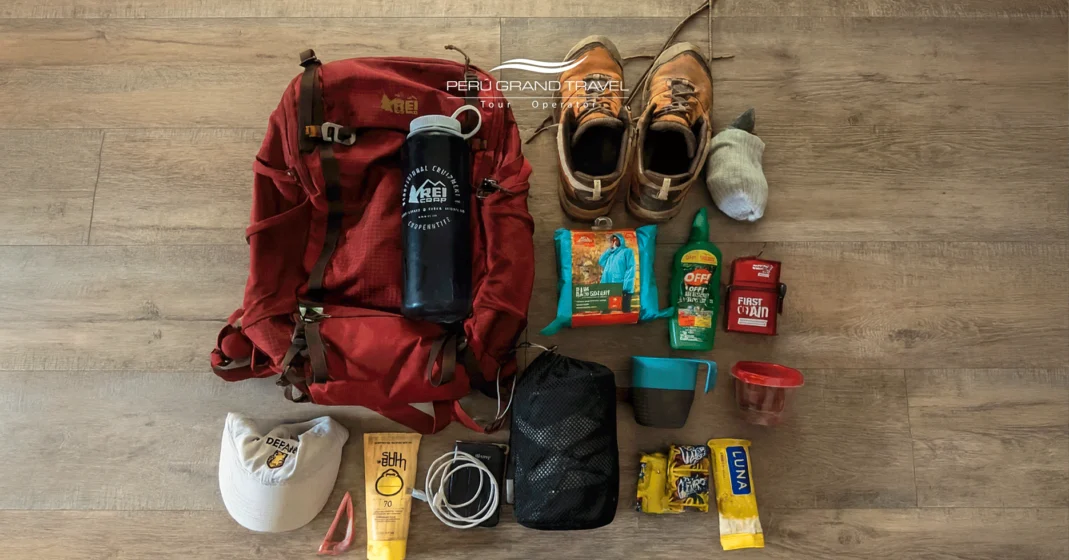
- Footwear: Broken-in, waterproof hiking boots (mandatory) and camp shoes/sandals (for evenings).
- Layering: The key to Andean weather is layering. Pack thermal base layers, a mid-layer fleece/jacket, and a waterproof/windproof outer shell. Temperatures change drastically with elevation and time of day.
- Sleeping: A high-quality sleeping bag rated for at least -10°C (mandatory for the cold nights).
- Other: Hiking poles (with rubber tips to protect the stone trail), headlamp, reusable water bottles or hydration bladder.
Gear Rental vs. Bringing Your Own Equipment
Many travelers choose to rent high-cost, bulky items:
- Rental (Commonly Rented): Sleeping bags (-10°C is crucial), hiking poles (recommended to save joints).
- Buy/Bring (Mandatory): Boots (must be broken in), base layers, waterproof jacket, daypack.
Personal Items and the First Aid Kit
- Sun Protection: Sunscreen (high SPF, essential), hat, sunglasses (UV radiation is intense at high elevation).
- Personal First Aid: Pain relievers, blister treatment (moleskin/band-aids), stomach medication, anti-inflammatory drugs, and personal prescriptions.
- Daypack Essentials: Passport (required), snacks (energy bars), camera, water, and rain gear.
Alternative Treks to Machu Picchu
If Inca Trail permits are sold out, or you seek a different experience, several excellent hikes also lead to Machu Picchu.
Salkantay Trek: The Mountain Challenge
A popular 5-day backpacking route, passing near the massive Salkantay mountain (The Savage Mountain).
| Feature | Salkantay Trek | Classic Inca Trail |
| Duration | 5 Days / 4 Nights | 4 Days / 3 Nights |
| Highest Elevation | 4,635m (15,200 ft) | 4,215m (13,828 ft) |
| Permit | Not required (easier booking). | Mandatory (highly restrictive). |
| Scenery | More varied: glacier peaks, jungle, hot springs. | Focus on Inca ruins and cloud forest. |
| Difficulty | Generally considered slightly harder due to higher elevation pass. | Strenuous, primarily due to steep stone steps. |
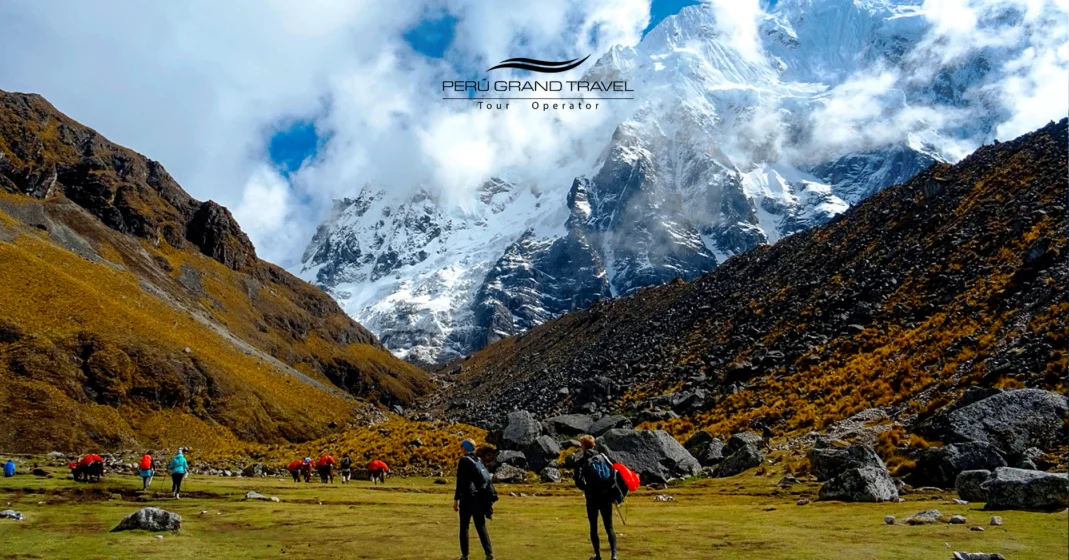
Lares Trek: Authentic Andean Culture
A 3-day cultural hike that emphasizes interaction with local Andean communities before reaching Aguas Calientes by train. Generally less crowded and less strenuous than the Salkantay or Classic Inca Trail.
The Sacred Valley – Bus/Train Combination Options
If multi-day hiking is not an option, you can visit several important ruins in the Sacred Valley (Pisac, Ollantaytambo) and take the scenic train directly to Aguas Calientes.
Alternative Access Routes via Hydroelectric – For Budget Travelers
The Hydroelectric route involves a scenic train ride or bus/taxi from Cusco to the Hydroelectric station, followed by a relatively flat, 2–3 hour hike along the train tracks to Aguas Calientes. This is the cheapest route but is not considered a true trekking experience.
How to Book Your Inca Trail Tour: Recommended Guides and Agencies
Remember: Independent travel is not permitted. You must book through an ATO.
Criteria for Choosing an Authorized Tour Operator
The quality of your hike heavily depends on your agency. Research thoroughly.
- Official Authorization: The agency must have a current license from the Peruvian government (DIRCETUR/UGM). Ask for their authorization number.
- Guide Quality: Experienced, well-trained guides are essential for safety and interpreting the ruins and managing elevation sickness.
- Equipment: The agency should provide high-quality, well-maintained camping gear, especially tents and mattresses.
Ready to book your adventure? Check out our list of vetted and highly-rated Inca Trail tour operators to start planning your 2026 hike today!
Frequently Asked Questions (FAQ)
Can I hike the Inca Trail without a guide?
No. It is mandatory to be accompanied by an officially licensed guide and an authorized tour operator for both the Classic and Short Inca Trail. This is strictly enforced.
What is the highest elevation on the Inca Trail?
The highest point is Warmiwañusca (Dead Woman’s Pass) at 4,215 meters (13,828 feet) above sea level. Proper acclimatization in Cusco before your hike is non-negotiable for managing this elevation.
Why is the Inca Trail closed in February?
The trail closes every February for annual maintenance, conservation, and cleaning, coinciding with the peak of the rainy season to prevent major damage.
How much money do I need to bring on the trail?
Bring Peruvian Soles (PEN) for tipping your porters and guides (highly recommended), purchasing water/snacks from local vendors on Day 1, and for any last-minute purchases in Aguas Calientes.
What happens if I get severe altitude sickness during the hike?
Your guide will assess your condition. If symptoms are severe, you will be rapidly escorted to a lower elevation where you can be evacuated by the fastest means possible (usually a train). Your travel insurance should cover emergency transport.
Ready to discover them? Traveling is about discovering, learning, and creating unforgettable memories, and Peru is the perfect destination for all of that. Its landscapes, history, and culture make every experience unique, filled with moments that will change your life.
We invite you to explore our Peru packages. Your experience in Peru is just one step away. Contact us now and start living the unique adventure you’ve always dreamed of.
More information:
- Visit our English website: Peru Grand Travel
- Visit our Spanish website: Viajes Machu Picchu Tours
- Visit our Portuguese website: Machu Picchu Pacotes

Experiences

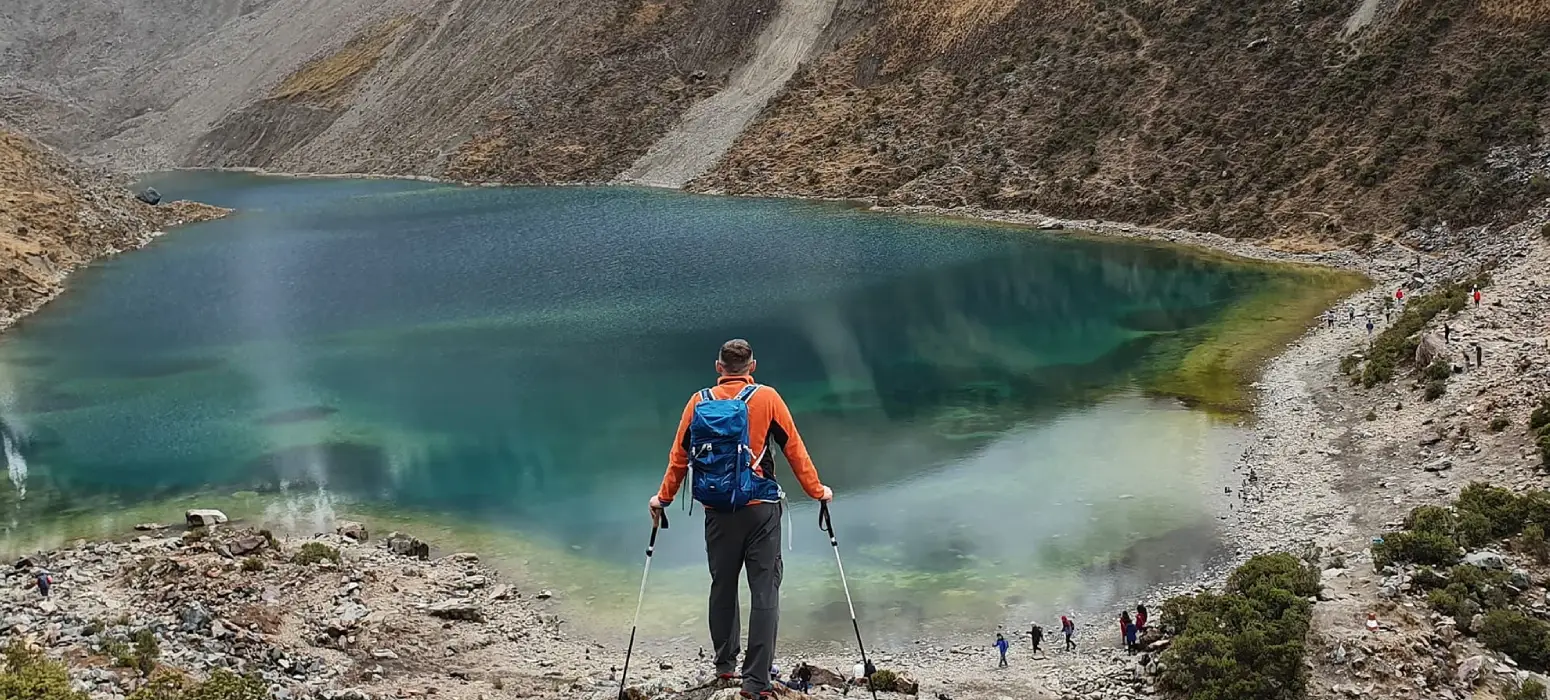
Machu Picchu Challenge 8D/7N
Cusco, Sacred Valley Humantay Lagoon, Rainbow Mountain & Machu Picchu.
View Tour
Colonial Lima and Sacred land of the Incas 7D/6N
Lima, Cusco, Sacred Valley & Machu Picchu.
View Tour