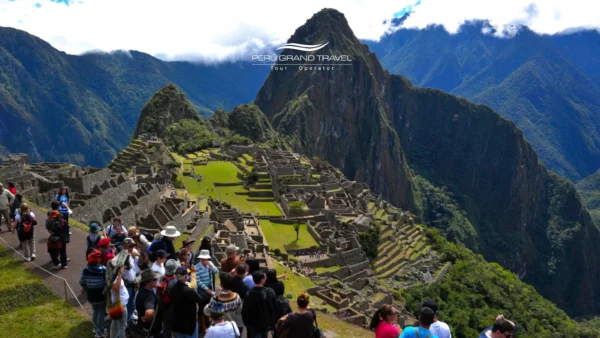
Imagine yourself in the heart of the Andes, where the air is thin but charged with an energy that cannot be explained, only felt. The August sun begins to tint the snow-capped peaks in gold, and beneath your feet, the ground is not just earth; it is a living entity. I was there, sitting on a hand-woven blanket, feeling the cold and sacred texture of the soil while an Andean master whispered prayers in Quechua. This is the spirit of the Day of the Pachamama, a celebration that transforms any ordinary itinerary into an indelible spiritual memory.
Table of Contents
For us at Perú Grand Travel, Peru is not just a destination; it is a privilege. And the Day of the Pachamama is the golden key to opening the portal of this connection. If you are planning your journey, you should know that this event is one of the deepest pillars of the festivals in Peru 2026, where gratitude becomes art and luxury meets ancestry.
What exactly is the Day of the Pachamama and why is it so sacred?
The Day of the Pachamama, officially celebrated on August 1st, is the moment when “Mother Earth” awakens with thirst and hunger after the Andean winter. But do not think of it as a simple folkloric date. It is a dialogue. For the traveler seeking exclusivity, participating in the Day of the Pachamama is to understand the concept of Ayni (reciprocity).
As you walk through the streets of Cusco, between perfectly fitted stone walls and Baroque-style churches that hide Inca secrets, you realize that the city breathes this vibration. The Day of the Pachamama is the opportunity to give back to the earth everything it has given us. It is a sophisticated pause in the rush of the modern world to give thanks for the privilege of being alive and exploring the world.
IMPORTANT FACT
Although August is the central month, rituals for the Day of the Pachamama take place throughout the year in private ceremonies, especially for those seeking to renew their energy through wellness experiences.
Who is the Pachamama in the Andean worldview?
Our guests frequently ask us who this highly revered figure is. The word “Pachamama” comes from Quechua, where Pacha means “world, universe, time, or earth,” and Mama means “mother.”
Therefore, the Pachamama is not just the ground we walk on; she is the universe in its totality, the goddess of fertility who nurtures, protects, and sustains life. Unlike Western deities that inhabit the heavens, the Pachamama is present in the soil beneath your boots, in the water of the crystal-clear rivers, and in the seeds that sprout. During the Day of the Pachamama, the entity is not worshipped in closed temples, but in the vastness of nature, in ceremonies where you feel the pulse of the earth in an almost tactile way.
This deep connection with nature is what makes tourism in Peru an experience that transforms the traveler’s soul, leading them to reflect on their own place in the world.
What is the Pachamama ritual in Peru and how is it celebrated?

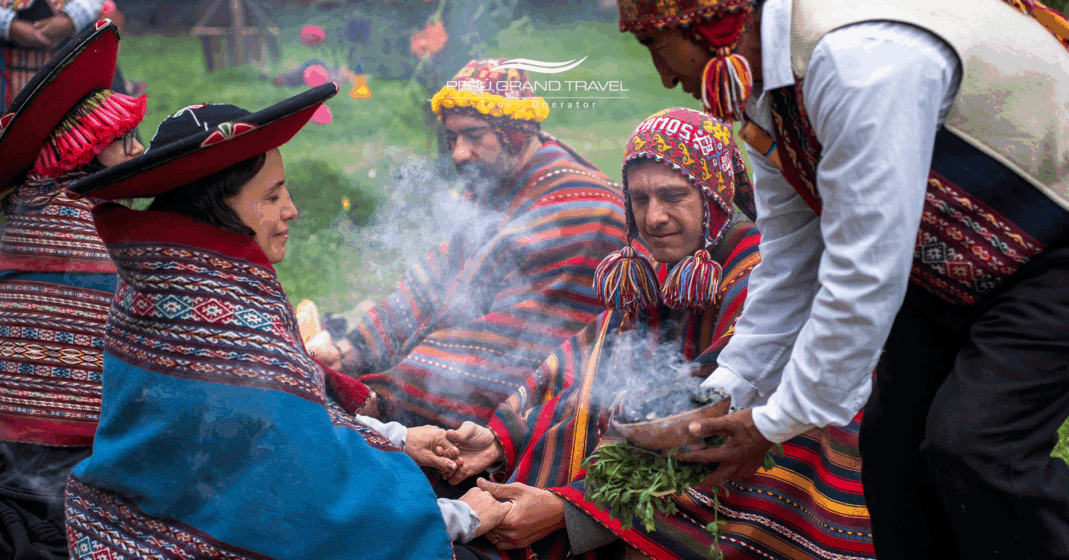
The central ritual of the Day of the Pachamama is known as Pago a la Tierra (Payment to the Earth) or Despacho. As your host, I can describe the beauty of this ceremony:
- The Preparation: The shaman creates a hole in the ground, symbolizing the mouth of Mother Earth.
- The Offerings: On a special paper or cloth, elements with precise meanings are placed: perfect coca leaves (representing intention), quinoa seeds, corn, sweets, unspun alpaca wool, chicha de jora (corn beer), and even wine.
- The Delivery: The offerings are wrapped and burned or buried. The smoke that rises to the heavens (Hanan Pacha) carries the prayers and gratitude, while the earth (Uku Pacha) absorbs the physical nourishment.
It is a moment of deep meditation. When you participate in this ceremony during the Day of the Pachamama, your creed or religion does not matter; the feeling of gratitude is universal and overwhelming.
ADVICE GRAND
If you witness a Pago a la Tierra, maintain an attitude of respectful silence. Shamans frequently invite those present to blow over three coca leaves (the Kintu) to make their own requests before offering them to the fire.
How do global travelers connect with the energy of the Day of the Pachamama?
For our international visitors from the UK, US, and Australia—who often arrive with a deep respect for indigenous cultures and environmental mindfulness—the Day of the Pachamama resonates as a profound, visually stunning connection to “Mother Nature.”
Many travelers ask about cultural parallels, such as the relationship between Pachamama and concepts like Gaia or the universal “World Soul.” While the roots are uniquely Andean, the reverence for the environment creates an instant emotional bridge.
The modern traveler, seeking a break from a digital-heavy lifestyle, finds the perfect balance in the rituals of the Day of the Pachamama. It is the moment to take the watch off your wrist, turn off your phone, and embrace the luxury of the present moment. Our team prepares these ceremonies in private locations within the Sacred Valley, away from the crowds, ensuring you have an intimate moment accompanied by a glass of fine wine and the warmth of a campfire under the starlit Andean sky.
CURIOUS FACT
On the Day of the Pachamama, it is common for people to wear a yellow or red wool ribbon on their wrist as an amulet of protection given by Mother Earth herself.
Is it possible to incorporate Pachamama rituals into your luxury trip?
Absolutely. At Perú Grand Travel, we believe that luxury does not mean isolating oneself from the local culture, but rather experiencing it with comfort, privacy, and expert guides. If you are evaluating what to do in Peru, spirituality should be at the top of your list.
Here are some exclusive ways to integrate the magic of the Day of the Pachamama (or similar rituals throughout the year) into your itinerary:
1. The Andean Wedding | Arac Masin
For couples seeking a vow renewal ceremony that transcends the traditional, we offer the majestic Andean Wedding. Led by a shaman, the couple receives blessings from the Apus (mountain spirits) and the Pachamama, utilizing the elements of nature—fire, air, earth, and water—to seal the union. It is a moving experience, surrounded by an indescribable natural setting.
2. Rural Tourism and “Llama Therapy.”
For families or travelers seeking peace, our approach to rural tourism in Peru allows you to visit authentic Andean communities. You can participate in planting, learn about natural dyes, and even walk with llamas—animals that were sacred to the Incas. The serene energy of these animals and direct contact with the land are modern ways to honor the spirit of the Day of the Pachamama.
| Experience | Traveler Profile | Duration | Ceremony Focus |
| Pago a la Tierra | All travelers | 1 to 2 hours | Gratitude to Pachamama, energy cleansing. |
| Andean Wedding | Couples and newlyweds | Half day | Blessings of fertility and union by Andean gods. |
| Coca Leaf Reading | Solo travelers or the curious | 30 to 45 mins | Guidance and spiritual connection with the shaman. |
| Rural Tourism | Ayni | Families and groups | 1 to 2 days | Practical and experiential connection with the land and communities. |
CURIOUS FACT
Respect for the Pachamama is so profound in Peru that, even outside the month of August, it is common to see Peruvians (from farmers to businessmen) pour a small sip of their drink (chicha or beer) onto the ground before drinking. This gesture, called Challa, is a daily and spontaneous tribute to Mother Earth!
Frequently Asked Questions | FAQ
To ensure your cultural immersion is perfect and respectful, here are the answers to the most common questions from our luxury travelers:
1. Do I need to be in Peru exactly on August 1st for the Day of the Pachamama?
No! While August 1st is the official Day of the Pachamama, celebrations take place throughout the entire month of August. Furthermore, the Pago a la Tierra ceremony can be privately organized by Perú Grand Travel at any time of the year.
2. Do the ceremonies involve animal sacrifice?
In our curated experiences for travelers, the ceremonies are entirely symbolic and based on plant and mineral offerings (coca leaves, seeds, sweets). While historically some very isolated communities might use llama fetuses (from natural causes) for larger communal offerings, the experiences we organize focus on beauty, respect, and botanical harmony.
3. Where is the best place to participate in a ritual to Pachamama?
The Sacred Valley of the Incas, due to its mild altitude, fertile valleys, and imposing mountains (such as Apu Verónica or Salkantay), is the most powerful and comfortable setting to perform these rituals, away from the bustle of Cusco.
4. Is the Day of the Pachamama a national holiday?
It is not a public holiday that closes businesses, but it is a day of enormous cultural relevance. In Cusco, you will feel the festive and solemn atmosphere on every corner during the Day of the Pachamama.
5. Do I need to speak Spanish or Quechua to participate?
No. Our guides and masters translate the essence of the ceremony. The Day of the Pachamama speaks the language of feeling, which is universal.
6. What happens if it rains on the Day of the Pachamama?
In the Andes, rain is seen as an additional blessing from the Pachamama. The ceremony continues, often under luxurious tents or in protected colonial courtyards, maintaining the mysticism of the Day of the Pachamama.
Awaken Your Soul in the Andes
My fellow traveler, understanding the Day of the Pachamama is discovering the key that opens the door to the true soul of Peru. It is not just about visiting a foreign country; it is about returning to the roots of what it means to be connected to the universe.
When you sit before the mountains, feeling the wind on your face and the sweet aroma of burning offerings, the anxieties of the modern world simply vanish. True luxury is finding peace.
Do not let your journey to the Andes be just a collection of photos of stone monuments. Allow yourself to experience the vibrant spirituality that the Incas left us as a heritage. Explore our exquisite portfolio of Peru Packages, where each itinerary is carefully designed to balance five-star comfort with ancient authenticity.
Speak today with our travel specialists. Let Perú Grand Travel organize your encounter with the Pachamama, ensuring that your passage through Inca lands is, above all, an unforgettable privilege. Mother Earth is waiting for you with open arms.

Experiences

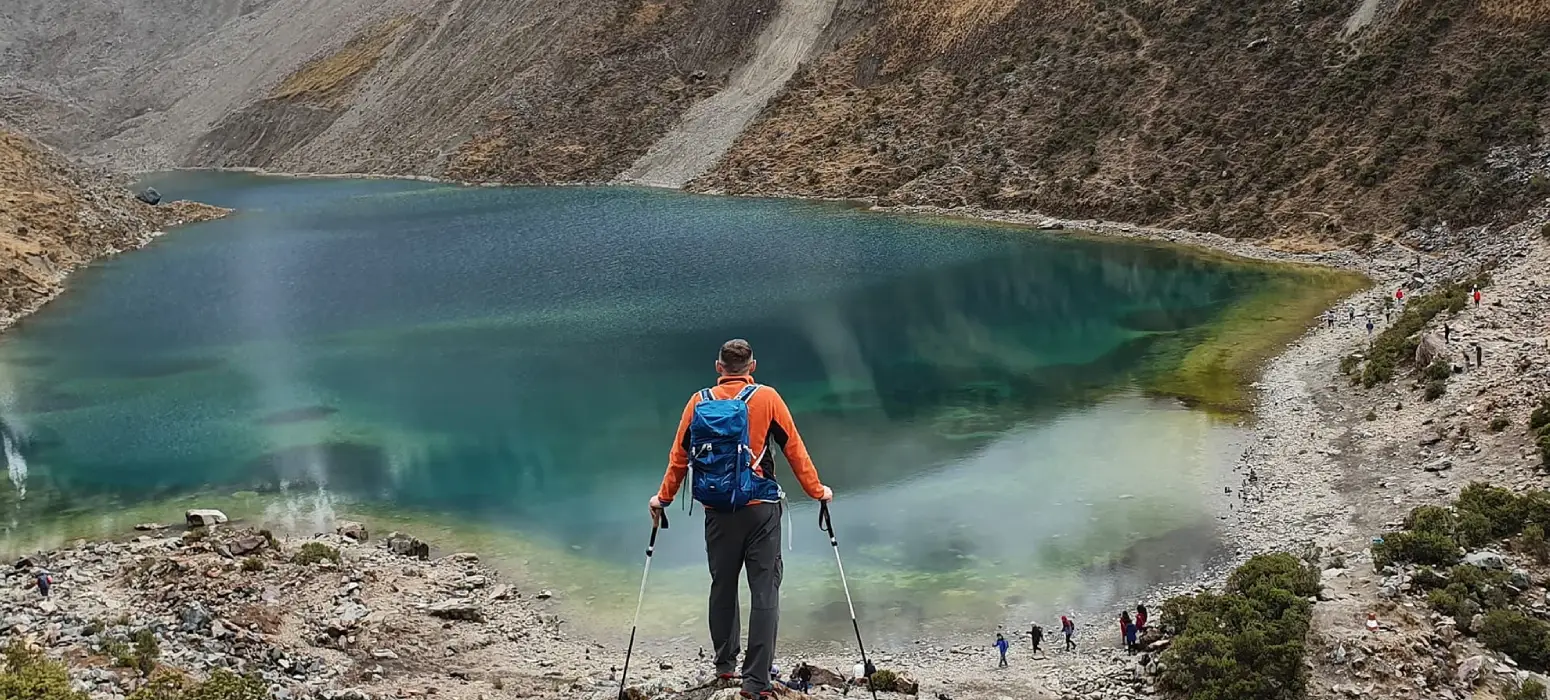
Machu Picchu Challenge 8D/7N
Cusco, Sacred Valley Humantay Lagoon, Rainbow Mountain & Machu Picchu.
View Tour
Colonial Lima and Sacred land of the Incas 7D/6N
Lima, Cusco, Sacred Valley & Machu Picchu.
View Tour