

Hello, fellow traveler. As your Anfitrión Cosmopolita, I welcome you to a journey that goes far beyond the typical tourist path. Have you ever held an object and felt the pulse of a thousand-year-old history in your palms? In Peru, every thread of a textile and every curve of a ceramic tells a story of resistance, identity, and immense talent.
Table of Contents
Today, we are diving deep into the heart of Peruvian creativity: Craftsman’s Day. Celebrated with fervor across the Andes and the coast, this day—officially known as Artisan Day—is not just a date on the calendar; it is a tribute to the hands that keep the soul of our nation alive.
If you are looking for the most authentic souvenirs from Peru for your 2026 trip, understanding the magic behind Craftsman’s Day will transform your shopping into a meaningful cultural exchange. Let’s explore why this celebration is the ultimate “VIP Access” to Peru’s living heritage.
What exactly is Craftsman’s Day in Peru?
In Peru, we don’t just “make” things; we inherit them. Craftsman’s Day (Dia del Artesano) is celebrated every March 19th. This date was chosen to coincide with the feast of Saint Joseph the Carpenter, the patron saint of all those who work with their hands.
During Craftsman’s Day, the streets of heritage cities like Cusco and Ayacucho transform into open-air galleries. It is a time when the government and local communities honor “Amautas”—grandmasters of traditional art who have dedicated their lives to preserving techniques that date back to the Inca and pre-Inca eras. For the sophisticated traveler, participating in Craftsman’s Day celebrations offers a rare opportunity to meet these legends in their private workshops.
DID YOU KNOW?
Peru has over 90,000 officially registered artisans. Many of them live in remote Andean communities where their specific weaving patterns or ceramic styles have remained unchanged for centuries.

What is Craftsman’s Day, and why is it celebrated on March 19th?
You might wonder why this specific date. In the Catholic tradition, March 19th is the Feast of Saint Joseph (San José), the husband of Mary.
- The Connection: Joseph was a carpenter—an artisan. In Peru, where syncretism (the blending of beliefs) is profound, he became the Patron Saint of all artisans.
- The Recognition: On this day, the Peruvian government and cultural institutions honor the “Grand Masters” of Peruvian crafts. It is a day of fairs, competitions, and profound respect for the hands that shape our identity.
Clarifying the Dates: What about September 21st?
There is often confusion among travelers regarding dates. Let’s clear the air:
- March 19th: This is the official Craftsman’s Day (Día del Artesano Peruano).
- September 21st: This is the “International Day of Peace” and in some contexts, the “Day of the Andean Community.” While significant, if you are looking for the celebration of folk art, March is your month.
If you are planning your trip to align with cultural depth, visiting in March offers a unique opportunity to see special exhibitions that are often closed the rest of the year.
Who are the artisans of Peru? | Types of Crafts
When you ask about Craftsman’s Day, you are asking about a vast, diverse community. Peru has one of the richest handicraft traditions in the world. Let’s break down the masters you will meet.
1. The Weavers | Textiles
Located mainly in Cusco and Puno.
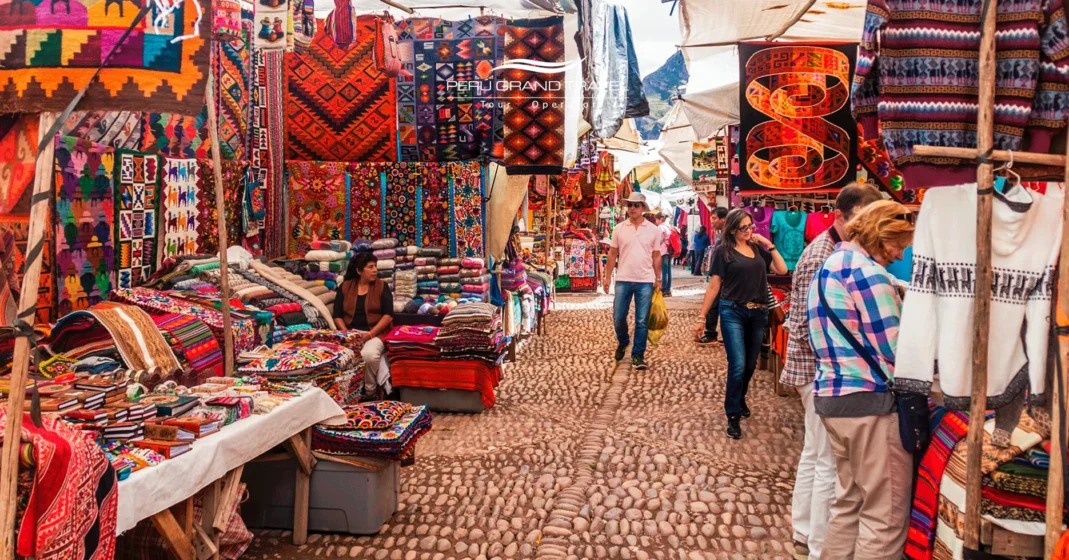
- The Craft: They use alpaca and vicuña wool, dyed with natural pigments. The patterns are not random; they are a language. A specific weave can tell a story of harvest, marriage, or the stars.
- Where to find them: Chinchero (Sacred Valley) and Taquile Island (Lake Titicaca).
2. The Silversmiths | Filigree & Jewelry
Located in Cusco and Piura (Catacaos).
- The Craft: Peru is a land of metals. In Cusco, the style is colonial and baroque—heavy silver and mirrors. In Catacaos (North), they master “Filigrana”—threads of silver so fine they look like lace.
3. The Potters | Ceramics
Located in Pucará (Puno), Quinua (Ayacucho), and Chulucanas (Piura).
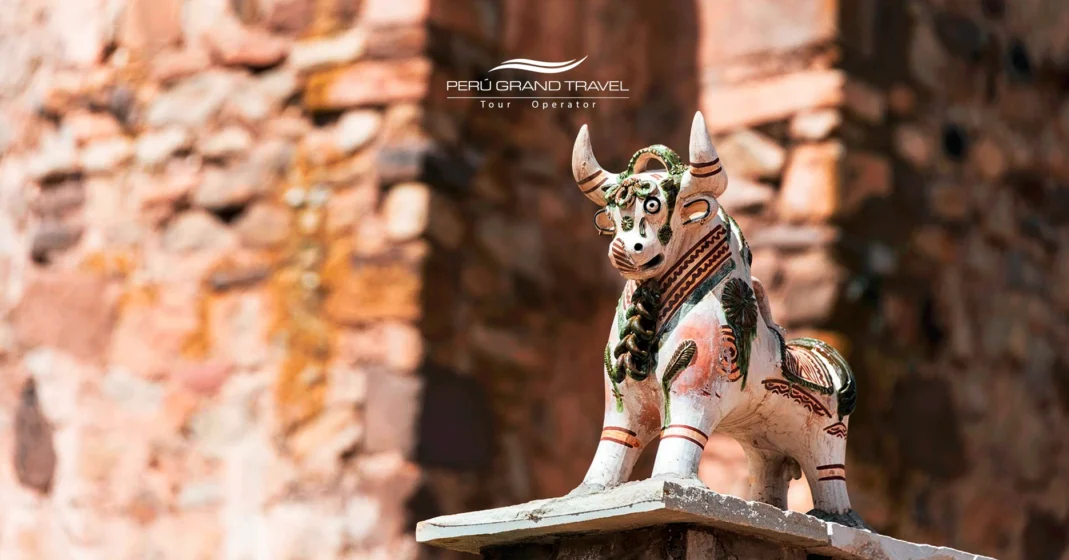
- The Craft: From the famous “Toritos de Pucará” (bulls placed on rooftops for protection) to the sleek, modern black ceramics of Chulucanas.
4. The Retablistas | Altar Boxes
Located in Ayacucho.
- The Craft: Intricate wooden boxes filled with hundreds of tiny figures made of potato-boiled dough and plaster. They depict religious scenes or daily life in the Andes. It is a colorful world inside a box.
For a complete guide on which treasures to take home, read our pillar article on Souvenirs from Peru.
Where are the best cities to find artisans?
If you are a collector or love beautiful things, these are the cities you must visit.
1. Ayacucho: The Capital of Folk Art
Ayacucho is officially recognized as the “Capital of Peruvian Popular Art.” It has 16 different artisan lines.
- The Experience: You can visit the workshops of the retablo masters. Watching them mold the tiny figures with a paste made of potato and plaster is mesmerizing.
2. Cusco: The Imperial Art
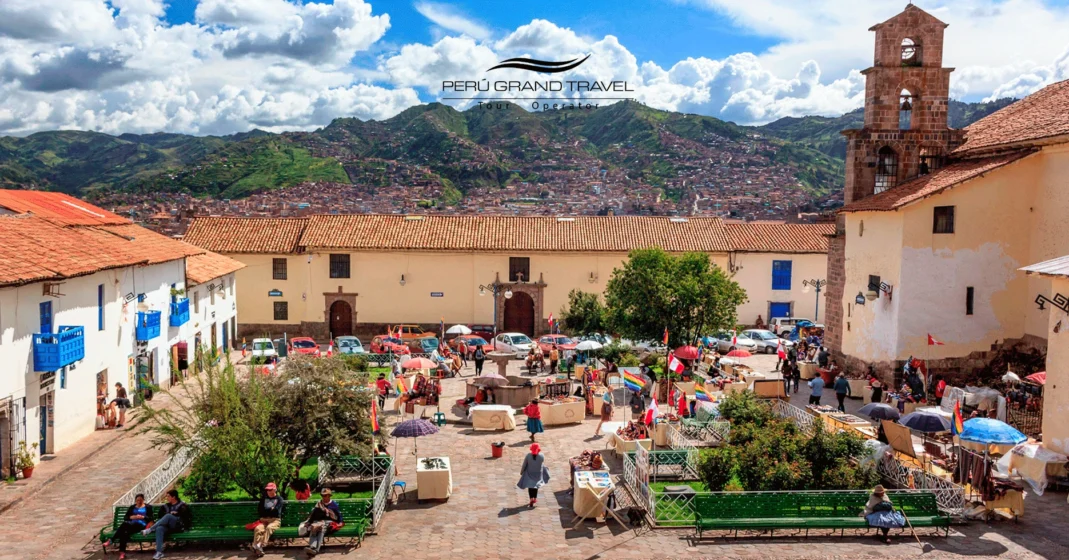
The San Blas neighborhood is the epicenter.
- The Legacy: Visit the workshops of families like the Mendívils, known for their long-necked religious sculptures. Here, colonial techniques meet Inca aesthetics.
- Learn more: For a deep dive into this neighborhood, read our guide on Local Crafts in Cusco (Spanish) or check our Things to Do in Peru guide.
3. Puno: The Masters of the Lake
Famous for the textile art of Taquile (where men do the knitting) and the ceramics of Pucará.
ADVICE GRAND
Buy Direct: Whenever possible, buy directly from the artisan’s workshop. Not only do you get a better price, but you also ensure the money goes to the creator, not a middleman. It is the most ethical way to celebrate Craftsman’s Day.
What are the most authentic souvenirs from Peru to buy on Craftsman’s Day?
As your Anfitrión, I must guide you toward quality. On Craftsman’s Day, the “Tourist Traps” fade away, and the real treasures emerge. When looking for souvenirs from Peru, keep this guide in mind:
| Craft Category | Best Region | Why it’s special |
| Alpaca Textiles | Cusco / Puno | Softness, durability, and ancestral patterns. |
| Silver Filigree | Ayacucho / Catacaos | Incredible precision; looks like metallic lace. |
| Ceramics | Pucará / Cusco | Hand-painted symbols of protection and history. |
| Stone Carvings | Huamanga (Ayacucho) | Translucent white stone used for religious figures. |
| Carved Gourds | Junín | Tiny, detailed stories etched into dried gourds. |
ADVICE GRAND
Check the Quality: When buying textiles on Craftsman’s Day, look for “Baby Alpaca.” It isn’t from a baby; it refers to the first (and softest) shear of the adult alpaca. If it feels cold to the touch and heavy, it’s likely real; if it’s static-prone and light, it might be synthetic.
Experiential Travel: Be an Artisan for a Day
Don’t just buy; create. At Peru Grand Travel, we believe in immersion. We curate experiences where you can sit with the masters.
- Ceramics in the Sacred Valley: Put your hands in the clay and learn the “paddle and anvil” technique used since pre-Inca times.
- Weaving in Chinchero: Sit on a sheepskin rug, drink coca tea, and learn to spin wool. You will realize that the price of a textile is low compared to the hours and love poured into it.
- Painting in Cusco: Join a workshop to paint your own Pucará bull, understanding the symbolism of the patterns.
This is the true luxury: time spent learning a skill that has survived centuries.
How does Artisan Day impact the local community?
The purpose of Craftsman’s Day is not just a celebration; it is economic empowerment. By purchasing directly from an artisan during Artisan Day, you are ensuring that their children can afford to stay in school and that their craft doesn’t die out.
At Perú Grand Travel, we prioritize “Impacto Social Positivo.” We believe that luxury travel should benefit the host community as much as the guest. When you visit a workshop on Craftsman’s Day, you are participating in a cycle of excellence and honesty that keeps the Peruvian dream alive.
What tours should you take to celebrate Craftsman’s Day?
To experience the true essence of Artisan Day, we recommend curated, slow-paced tours that allow for deep connection.
- Private San Blas Workshop Tour: Spend a half-day in Cusco visiting the private studios of master sculptors.
- Sacred Valley Textile Immersion: Visit the community of Chinchero for a private weaving demonstration followed by a gourmet lunch overlooking the mountains.
- Ayacucho Heritage Discovery: A 3-day deep dive into the “City of Altars,” meeting the winners of the National Amauta Prize for Artisan Day.
IMPORTANT FACT
The Patron Saint: Many artisans start Craftsman’s Day with a mass dedicated to Saint Joseph. If you are in Cusco, visiting the Cathedral of Cusco on the morning of March 19th is a beautiful way to see the spiritual side of the craft.
Frequently Asked Questions | FAQ
Is Machu Picchu open on Craftsman’s Day?
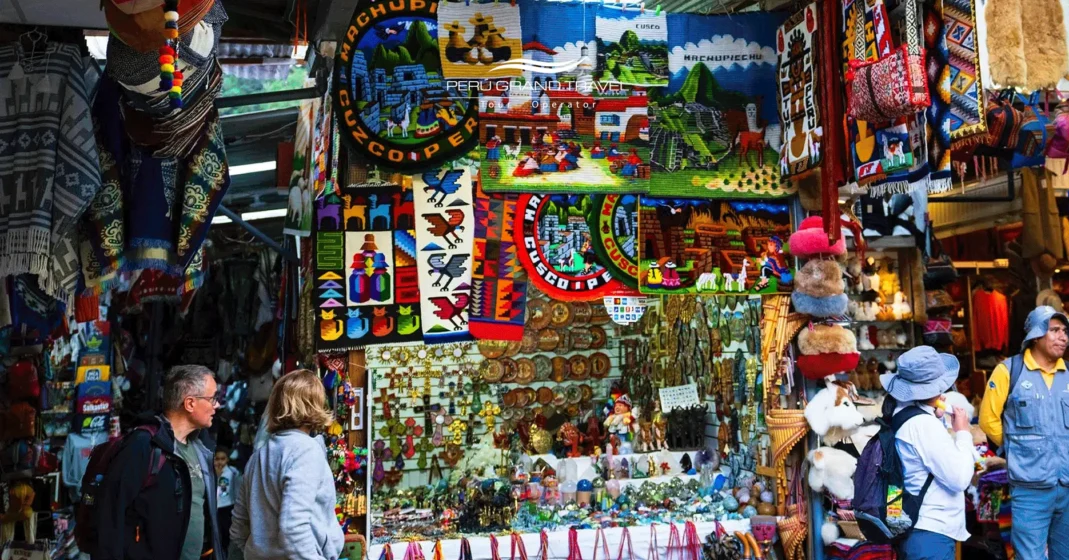
Yes, Machu Picchu is open 365 days a year. However, many of the best artisans in the town of Aguas Calientes will be busy celebrating Artisan Day in the plaza!.
Can I find authentic alpaca on Craftsman’s Day in Lima?
While the best prices and variety are in the Andes, Lima’s “Mercado de Indios” in Miraflores holds great events for Craftsman’s Day. It is a great place to find last-minute souvenirs from Peru before your flight home.
Is it safe for Americans to travel to these artisan villages?
Peru is very friendly to tourists, and the artisan communities are some of the most welcoming places you will ever visit. Traveling with a private guide from Perú Grand Travel ensures you have a bridge to the local language and culture.
How do I know if a souvenir is authentic?
On Craftsman’s Day, look for the “Hecho a Mano” (Handmade) certification or ask the artist about the meaning behind the design. An authentic piece always has a story; a factory-made one does not.
What is the best month to go to Peru for crafts?
While March has the official Craftsman’s Day, the months of June (Cusco’s Jubilee Month) and December (for the Santurantikuy market) are also extraordinary for craft lovers.
Is haggling acceptable?
Yes, in markets, but do it respectfully. Remember that for Craftsman’s Day, we honor the skill. If you are buying directly from the maker or in a fair-trade shop, the price usually reflects the effort. A fair price supports their livelihood.
Transform your souvenir into a legacy
Craftsman’s Day is a reminder that the most beautiful things in life are not “fast” or “cheap.” They are slow, deliberate, and full of soul. When you choose to visit Peru during Artisan Day, you aren’t just a tourist; you are a witness to a living legacy.
At Perú Grand Travel, we believe that your journey should be a privilege. We are here to ensure that every workshop you enter, and every artisan you meet leaves an imborrable memory in your heart.
Would you like me to curate a private workshop visit for your March 2026 trip, or would you like to explore more things to do in Peru during the festival season?
We invite you to explore our Peru packages. Your experience in Peru is just one step away. Contact us now and start living the unique adventure you’ve always dreamed of.
More information:
- Visit our English website: Peru Grand Travel
- Visit our Spanish website: Viajes Machu Picchu Tours
- Visit our Portuguese website: Machu Picchu Pacotes

Experiences

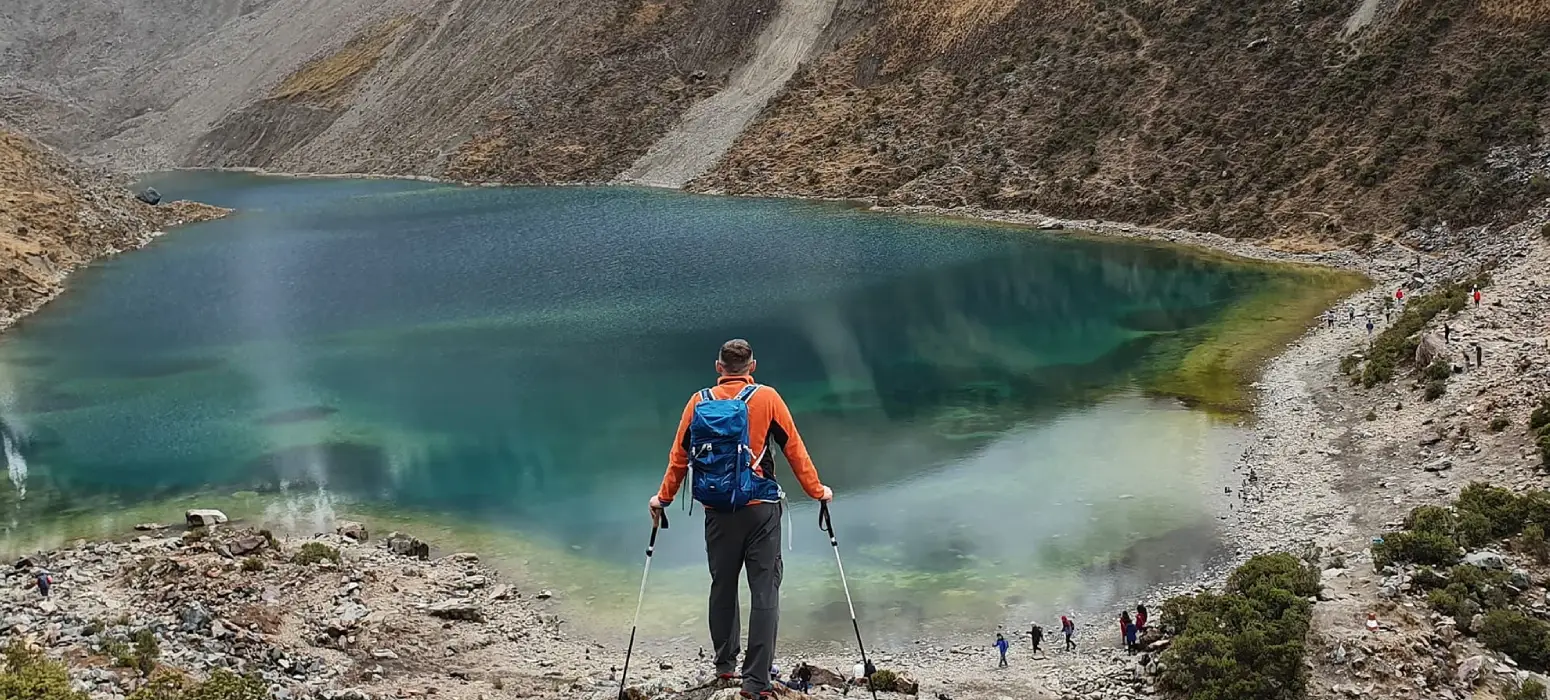
Machu Picchu Challenge 8D/7N
Cusco, Sacred Valley Humantay Lagoon, Rainbow Mountain & Machu Picchu.
View Tour
Colonial Lima and Sacred land of the Incas 7D/6N
Lima, Cusco, Sacred Valley & Machu Picchu.
View Tour


There are 2 comments
The blog really opens your eyes to the rich stories behind the textiles and ceramics in Peru. It’s so much more than shopping; it’s about supporting these skilled artisans who are the true keepers of tradition.
Exactly—that’s the essence of it. Every piece tells a story, and every purchase becomes a way to support living traditions. If you’d like, we can connect you with authentic artisan experiences during your trip.