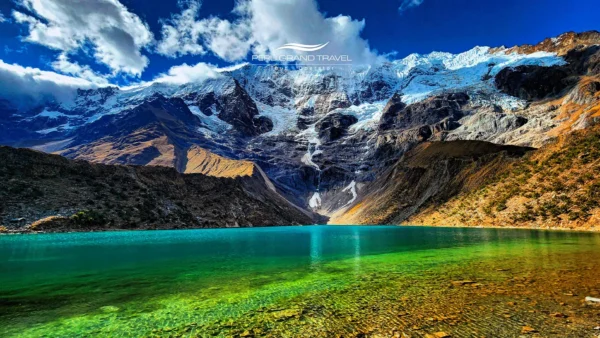
I want you to imagine sitting in a sun-drenched courtyard in the Sacred Valley of the Incas. The air is crisp, carrying the faint, earthy scent of woodsmoke and mountain herbs. In your hands, you hold a freshly woven scarf. You run your fingers over it, and the texture is impossibly soft, warmer than sheep’s wool, and possessing a delicate, silky sheen. It feels like wearing a cloud.
Table of Contents
To truly appreciate this luxury, you must understand the journey of that single thread. The magic does not happen in a noisy factory; it begins high in the Andes and relies on centuries-old traditions. As your Cosmopolitan Host, I am thrilled to pull back the curtain on the art of alpaca wool processing.
Understanding how these magnificent fibers are transformed elevates your travel experience. It is the difference between simply buying a sweater and investing in a piece of living history. Today, we will explore the meticulous steps of alpaca wool processing, compare the finest Andean fibers, and show you exactly where to find the ultimate alpaca clothes in Peru to bring home.
How is alpaca wool processed step-by-step?
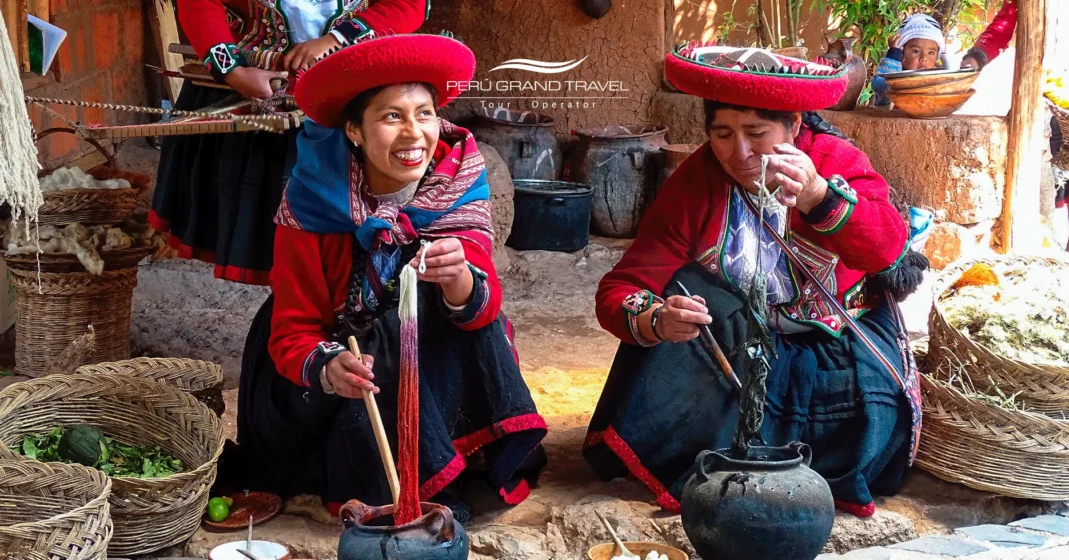
If you are wondering how alpaca wool is processed, the answer lies in a beautiful, unhurried rhythm of nature and human hands. True alpaca wool processing is an art form. Let me guide you through the essential steps:
- The Shearing | Esquila: Once a year, before the warmest months, the alpacas are carefully shorn. It is a gentle process that relieves the animal of its heavy coat.
- Skirting and Sorting: This is a crucial phase in alpaca wool processing. Artisans meticulously sort the fleece by color, length, and fineness. The softest fibers (like Baby Alpaca) come from the chest and back.
- Washing: The raw fiber contains dust and natural oils. The traditional method for washing during alpaca wool processing involves using saqta, a natural, biodegradable soap root found in the Andes that leaves the wool impeccably clean.
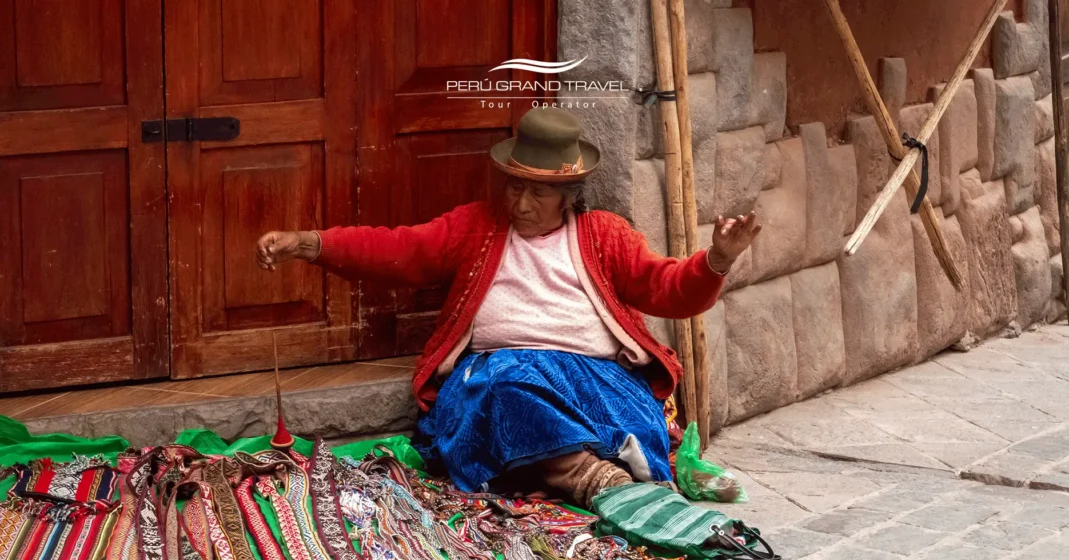
- Carding and Spinning: Once dry, the wool is brushed (carded) to align the fibers. Then, using a drop spindle (pushka), women masterfully spin the fleece into fine yarn.
- Dyeing: The final transformation. Master weavers use natural elements—such as cochineal insects for vibrant reds, and ch’illca leaves for greens—to infuse the yarn with breathtaking colors.

IMPORTANT FACT
Alpaca fiber contains no lanolin (the oil found in sheep’s wool), which makes it hypoallergenic. This means the Alpaca wool processing requires fewer harsh chemicals, making it one of the most eco-friendly luxury fibers on the planet.
How to process alpaca wool by hand vs. modern mills?
When evaluating processing alpaca wool, there is a stark contrast between ancestral techniques and industrial methods.
If you ask how to process alpaca wool by hand, look no further than the art of the Chinchero communities. In these villages, every step—from the saqta root washing to the backstrap loom weaving—is done manually. This slow fashion preserves the cultural heritage we proudly celebrate on Craftsman’s Day.
Conversely, the world also relies on spinners or mills that process alpaca wool. Historically, pioneers revolutionized the industry (you might have heard of Titus Salt, alpaca wool processing in 19th-century England, who first figured out how to industrially spin the stubborn fiber). Today, high-end Peruvian mills in Arequipa utilize advanced machinery to achieve the ultra-fine micron counts required for haute couture, ensuring the global demand for luxury garments is met.
Travelers Ask: What is the difference between Alpaca, Llama, and Vicuña?
Our discerning English-speaking guests often ask how alpaca wool processing differs from other South American camelids. Are they all the same? Absolutely not. Each animal produces a fiber with a unique destiny. To be an expert shopper during your trip, you must know the hierarchy of the fibers:
| Camelid Type | Fiber Characteristics | Best Used For |
|---|---|---|
| Llama | Coarse, strong, very warm, contains guard hairs | Rugs, sturdy outerwear, ropes |
| Alpaca (Huacaya) | Dense, crimpy, fluffy, naturally water-resistant | Classic luxury sweaters, scarves, blankets |
| Alpaca (Suri) | Long, straight, silky locks with high luster (no crimp) | Classic luxury sweaters, scarves, and blankets |
| Vicuña | The finest, rarest, and most expensive fiber on Earth | Ultra-luxury tailoring, exclusive scarves |

DID YOU KNOW?
That Vicuña wool is so precious it was reserved exclusively for Inca royalty? Today, a single authentic Vicuña scarf can cost thousands of dollars, as the wild animals are only shorn once every three years under strict government supervision!
What luxury garments are born from alpaca wool processing?
The ultimate reward of meticulous alpaca wool processing is the unparalleled clothing it produces. When you are looking for the perfect souvenirs from Peru, alpaca garments should be at the top of your list.
Because alpaca fiber lacks lanolin (the oil found in sheep’s wool), it is naturally hypoallergenic. It does not itch. The garments range from thick, cozy winter ponchos to incredibly lightweight, breathable summer shawls made from “Baby Alpaca” (the first, softest shearing of the animal).
When you purchase high-quality alpaca clothes in Peru, you are buying a piece that will last a lifetime. To deeply appreciate the history of these garments, I highly recommend asking your guide to include a visit to the local textile museums in Cusco, where the evolution of this fabric is beautifully displayed.
Frequently Asked Questions | FAQ
To ensure you are fully prepared for your Andean journey, let’s address the most common inquiries regarding alpaca wool processing:
1. Does alpaca wool processing harm the animals?
Not at all. In Peru, shearing is a necessary, gentle process done once a year to keep the animals cool during the warmer months and prevent disease. It is a completely cruelty-free process.
2. What does “Baby Alpaca” actually mean?
It is a classification of fineness, not age! While it often comes from the animal’s first shearing, “Baby Alpaca” simply refers to fibers that measure between 21.5 and 22.5 microns in diameter, resulting in an exceptionally soft texture.
3. Can I wash my alpaca garments at home?
Yes, but you must be gentle. The result of expert alpaca wool processing is a delicate garment. Hand-wash your alpaca clothing in cold water with mild baby shampoo. Never wring it out; lay it flat on a towel to dry in the shade.
4. Can I see alpaca wool processing during my luxury tour?
Absolutely. We can curate private visits to traditional weaving communities in the Sacred Valley, where you can witness the magical process of hand-spinning and natural dyeing up close.
5. Can I see the processing myself?
Yes! Many of our travel packages include visits to authentic weaving centers where you can witness every stage of Alpaca wool processing.
Wear the Magic of the Andes
My friend, the journey of an alpaca thread—from the high-altitude pampas to the elegant boutique shelves in Cusco—is a testament to the resilience and artistry of the Peruvian people. Alpaca wool processing is more than an industry; it is a cultural heartbeat.
When you wrap yourself in a genuine alpaca scarf, you are feeling the warmth of the sun, the purity of the mountain water, and the dedication of the artisan’s hands. It is a tangible memory of your privileged journey through the Inca Empire.
🚨 URGENT NOTICE FOR 2026 TRAVELERS:
As we enter the prime Dry Season (May through October), the world’s most discerning travelers are flocking to Peru. Demand for our exclusive, culturally immersive itineraries is at an all-time high, and our boutique accommodations and private guides are booking up at unprecedented speeds.
Do not settle for a standard vacation. You deserve the insider access that allows you to meet the master weavers, touch the raw vicuña fiber, and explore the Andes with flawless, VIP logistics.
Explore our exclusive commercial travel packages today. Let the Cosmopolitan Host curate an impeccable itinerary for you. The mountains are calling, and the finest alpaca garments are waiting to keep you warm. Reserve your unforgettable Andean privilege before our calendar closes!

Experiences

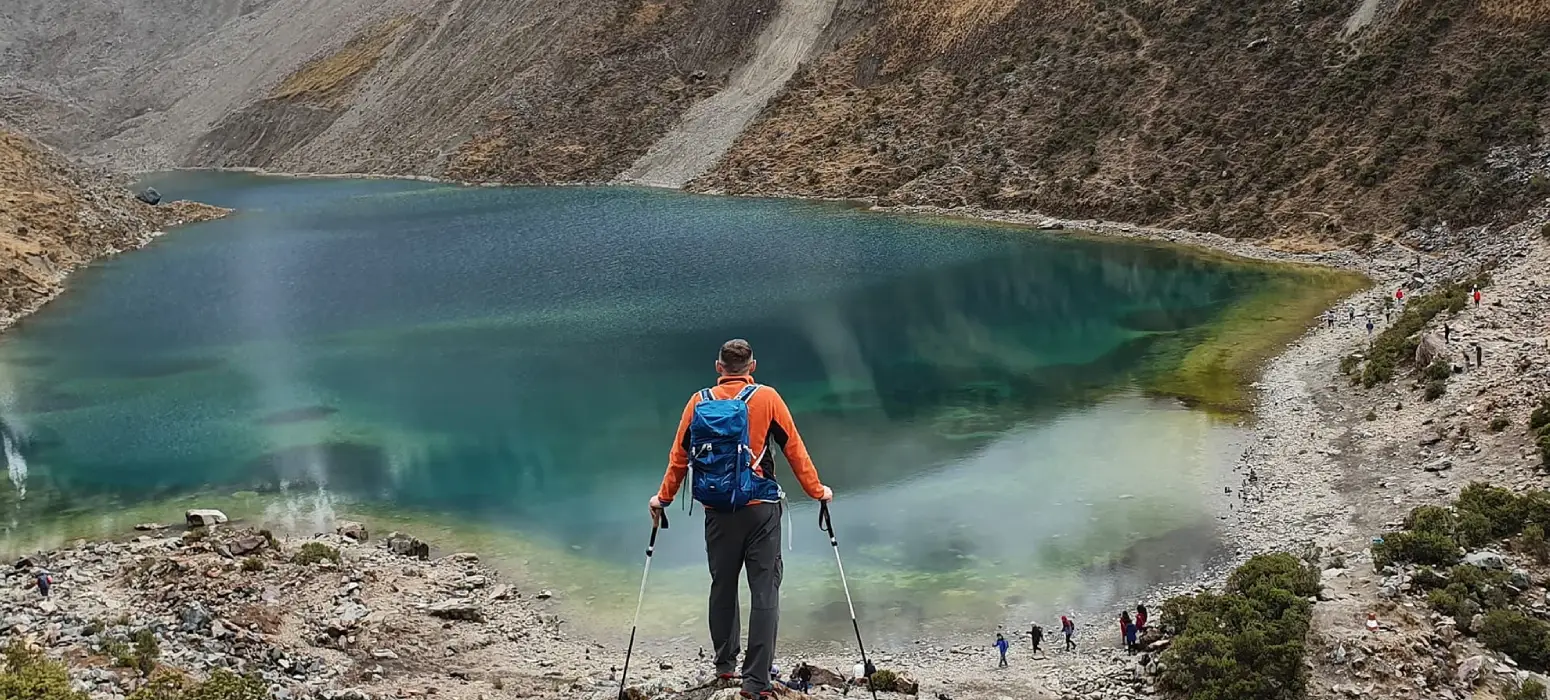
Machu Picchu Challenge 8D/7N
Cusco, Sacred Valley Humantay Lagoon, Rainbow Mountain & Machu Picchu.
View Tour
Colonial Lima and Sacred land of the Incas 7D/6N
Lima, Cusco, Sacred Valley & Machu Picchu.
View Tour