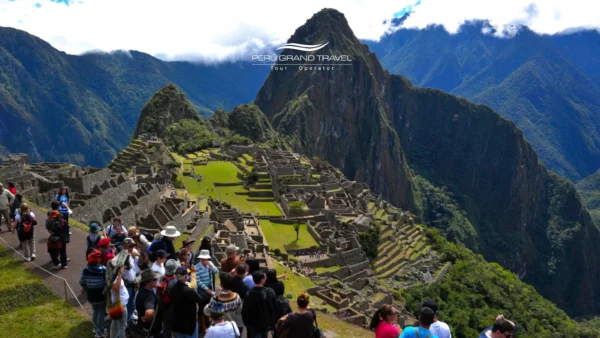
Have you ever smelled the scent of eucalyptus mixed with damp earth as the sun rises behind a sacred mountain? Rural tourism in Peru is not just a travel style; it is the privilege of slowing down and being welcomed like an old friend into communities that guard millenary secrets. Walking through the villages of the Sacred Valley, I felt the warmth of ancestral stones beneath my hands and saw how life flows at a rhythm that big cities long ago forgot.
Table of Contents
In this guide, I will take you through a sensory and cultural immersion, revealing how vibrant traditions and warm hospitality transform every day into an indelible memory. Get ready to discover that true luxury is not found only in five-star hotels, but in the exclusivity of sharing a table with those who cultivate the land with love. If you want to know the basics of the destination, start by understanding the general overview of tourism in Peru.
Open your mind and your heart. The Andes are waiting for you.
DID YOU KNOW?
According to data from traveler platforms like Reddit, more than 65% of tourists visiting Peru in 2026 seek at least one “home-stay” night to disconnect from the digital world and reconnect with local culture.
What is rural tourism in Peru, and why is it so transformative?
Rural tourism in Peru is a form of cultural immersion where travelers live alongside indigenous and farming communities, actively participating in their daily lives, customs, and local economies.
I felt the wooden floor creaking softly in a family home in Chinchero while watching the agile hands of a master weaver transform alpaca wool into living art. The luxury here is authenticity. It is understanding the concept of Ayni (reciprocity) while you help with the harvest or learn to prepare sacred land. This type of tourism allows you to experience historic and gastronomic Peru in a much more intimate and personal way.
It’s not about observing people through the window of an air-conditioned bus. It’s about stepping down, lightly soiling your boots in fertile earth, and sitting at the table with those who inherited the knowledge of the Incas. Rural tourism in Peru is transformative because it breaks the barrier between the “tourist” and the “attraction,” turning you into an honored guest of a living culture.
When you opt for rural tourism in Peru, you aren’t just buying a vacation package; you are investing directly in the preservation of languages like Quechua and Aymara, and in the maintenance of agricultural techniques that predate the arrival of the Spanish.
DID YOU KNOW?
The Strength of Women: In many rural tourism initiatives in Peru, women are the leaders and primary managers of the projects. Through weaving and cooking, they not only support their families but also empower the entire community, gaining financial independence and an active voice in local decisions.

What are the best regions to experience rural tourism in Peru?
The best regions for rural tourism in Peru include the Sacred Valley in Cusco, the remote islands of Lake Titicaca in Puno, the Colca Canyon in Arequipa, and native communities in the Amazon.
Each of these regions offers a different texture of our culture. Peru’s geography is dramatic, and the people inhabiting these extreme ecosystems have developed fascinating ways of life, art, and survival, which they share today through rural tourism in Peru.
What does the Sacred Valley of the Incas teach about the land?
The Sacred Valley (Cusco) is the epicenter of agrotourism. Here, rural tourism in Peru focuses on the land and art. In communities like Patabamba, Chinchero, or Willoq, you will learn about the Inca agricultural calendar.
The central economic activity you will experience is ancestral agriculture and weaving. The Sacred Valley is the ideal setting to complement your grand Peru tours with an afternoon of calm, learning how the coca leaf is used as an offering to the mountain gods (the Apus).
What is life like on the floating and remote islands of Puno?
Moving south toward Puno means entering the domain of water. Here, rural tourism in Peru shines at Lake Titicaca.
On the islands of Amantaní, Taquile, or the Llachón peninsula, the economy revolves around artisanal fishing and community tourism. When looking for things to do in Lake Titicaca, the best experience is spending the night in a local family’s home (Homestay), helping catch the fish for dinner under a starry sky you will never forget.
What does the Colca Canyon reveal about Andean traditions?
In the Arequipa region, rural tourism in Peru takes place on the edge of abysses. In communities like Sibayo or Coporaque, you wake up early not just to see the flight of the Condor, but to accompany shepherds in their routine with alpaca herds. The simple and rustic Baroque architecture of the small village churches contrasts beautifully with the immensity of the canyon.

What authentic activities can you do in rural tourism in Peru?
Activities in rural tourism in Peru range from participating in the harvest of native potatoes and textile dyeing workshops with natural pigments to fishing in reed boats and herding llamas.
Forget the passive itinerary. The soul of rural tourism in Peru is getting your hands dirty. We design these experiences so you don’t need prior skills—only curiosity and respect.
How agriculture and weaving connect you to the Incas?
Whether you are a seasoned traveler or on your first visit, touching raw alpaca wool is a moment of revelation.
- Weaving Workshops: In communities like Chinchero, matriarchs will show you how they use cochineal (a tiny insect) to obtain vibrant carmine red. You can even try spinning the wool with a rueca (spindle). It is a meditative process.
- The Potato Route: In the Potato Park (Pisaq), you will learn how residents grow over a thousand varieties of potatoes. You will literally help dig up your own lunch—a deeply rewarding experience of rural tourism in Peru.
How do traditional fishing and local crafts work?
If your itinerary takes you to the waters of Puno, the dynamic changes.
- Fishing and Construction: You will learn how to harvest totora (the local reed) not just to make crafts, but to maintain the floating islands themselves. Navigating a small rowboat at dawn with a Uros fisherman is the most beautiful silence you will experience in rural tourism in Peru.
ADVICE GRAND
The Art of Respectful Photography: When immersed in rural tourism in Peru, the beauty of the people and their traditional attire is tempting for cameras. My host’s advice: always ask for permission before photographing someone up close. A smile, a greeting in English or Spanish (or better yet, Quechua), and a genuine interaction are worth a thousand times more than a stolen photo.
What flavors will you discover through rural tourism in Peru?
In rural tourism in Peru, you will discover flavors anchored in the earth, such as the millenary Pachamanca, fresh fish from high-altitude lakes, and stews that warm both body and soul.
The authentic Peruvian food that conquered the world was born here, in rustic wood-fired kitchens, long before it reached the Michelin-starred restaurants of Lima. Gastronomy is, without a doubt, the most flavorful pillar of rural tourism in Peru.
What makes the Pachamanca an unforgettable experience?
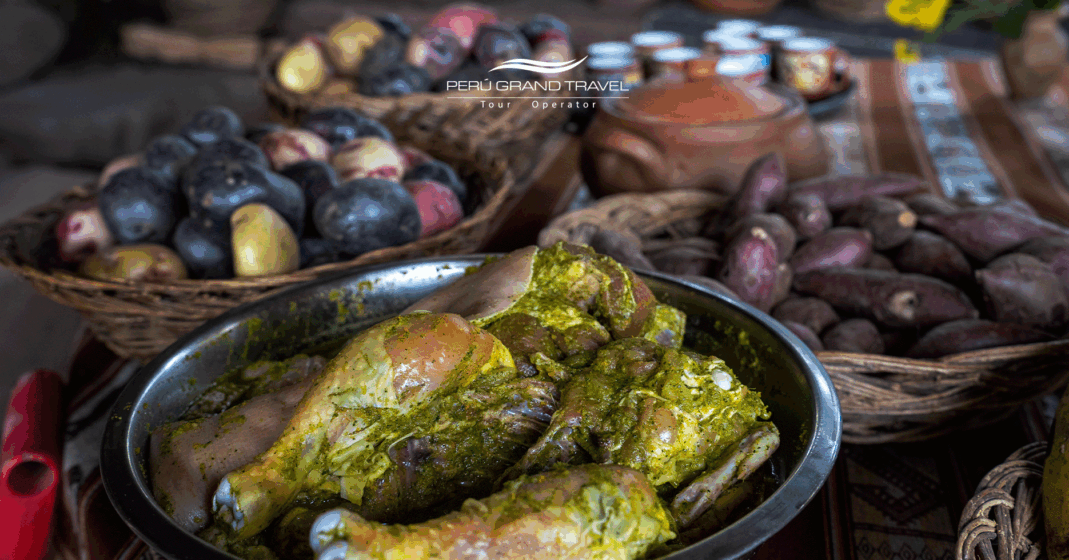
More than just a meal, Pachamanca is a ritual of gratitude. The ground (Pacha) becomes the pot (Manca). Volcanic stones are heated until they turn white, and then meats marinated in Andean herbs like huacatay, along with potatoes, fava beans, and corn, are buried to cook in the earth’s own steam. Participating in this process is the essence of rural tourism in Peru. When the earth is finally opened, the smoky aroma is simply spectacular.
Why is the Guinea Pig – Cuy so important in rural culture?
Yes, my friends, we eat cuy. To fully understand rural tourism in Peru, you need to keep an open palate.
This meat is an Andean delicacy—high in protein and low in fat—consumed since pre-Inca times for festive occasions. When visiting a rural home, you will notice these small animals running freely through the kitchens, keeping warm near the fire. If your curiosity is piqued, I recommend reading our detailed article on why they eat guinea pigs in Peru.
For food lovers seeking a deep immersion that combines the rustic with the sophisticated, we have designed our acclaimed 10-Day Historic and Gastronomic Peru package, where rural tourism in Peru meets haute cuisine.
What adventure and nature activities complement rural tourism in Peru?
Rural tourism in Peru offers the perfect backdrop for outdoor activities ranging from gentle hikes along secondary Inca trails to horseback riding through hidden valleys. The rugged geography of the Andes and the exuberance of the Amazon allow travelers to explore untouched landscapes while learning about local flora and fauna from guides who were born and raised on these lands.
In many of these rural Peru tours, the greatest adventure is the disconnection itself. Sitting at a natural viewpoint to watch the flight of the condor or walking through queñuales forests (native trees) brings a peace that no urban spa can replicate. It is the perfect balance between physical effort and soul-resting.
Don’t forget! The altitude can be a challenge in the rural areas of the Andes. Drink plenty of water, sip coca tea, and respect your body’s acclimatization time.
Which festivities and rituals can you celebrate in rural areas?
Rural tourism in Peru allows you to participate in authentic rituals like the “Pago a la Tierra” (Offering to Mother Earth), traditional Andean weddings, and vibrant local agricultural festivals.
Our festivities are not staged shows for tourists; they are the sincere expression of faith and the Andean worldview. In rural tourism in Peru, you stop being a spectator and become a guest.
What is the “Pago a la Tierra” and why is it so significant?
Before planting, harvesting, or even starting a long journey, rural communities perform a shamanic ceremony led by a Paco (Andean priest). Using coca leaves, wine, sweets, and flowers, they thank the mountain gods (Apus) and the Pachamama. Participating in this ritual during your rural tourism in Peru experience is a moment of introspection and profound mental peace.
Is it possible to experience an Andean Wedding?
For couples traveling with us looking to celebrate love uniquely, rural tourism in Peru offers a mystical opportunity. Far from the ostentatious and artificial luxury of the cities, an Andean wedding is a spiritual renewal of vows, performed in nature with traditional music and local attire. It is a ceremony of breathtaking and simple beauty.
If your trip coincides with the winter months, you might also find yourself in the middle of incredible cultural explosions, which we detail in our guide on the great Festivals in Peru 2026.
ADVICE GRAND
When participating in a ritual, always maintain respect and ask for permission before taking photographs. These ceremonies are sacred moments for the community.
What is the best time to plan your rural tourism trip to Peru?
The best time for rural tourism in Peru is during the dry season in the Andes, which runs from May to October, ensuring sunny days perfect for agricultural activities and outdoor hiking.
Rural tourism in Peru is an outdoor activity. You will be in crop fields, dirt courtyards, and lagoons. Therefore, the weather is the conductor of your experience. If you decide to come during the rainy season (November to March), the landscapes will be a wonderful emerald green, but activities in the communities may be limited or muddy.
For a detailed, month-by-month study of how the weather affects your trip, don’t hesitate to consult our master guide: When to travel to Peru.
Altitude, Climate, and Clothing Recommendations
Most rich rural tourism in Peru experiences happen at high altitudes (between 9,200 and 13,000 feet). Nighttime cold is a certainty. We know packing can be a challenge, but elegance and comfort can go hand in hand.
See our essential preparation table for rural tourism in Peru, and if you want style details, check out What to wear in Peru.
| Rural Region | Average Altitude | Typical Weather (May–Oct) | What to Wear (Grand Recommendation) |
| Sacred Valley (Cusco) | 9,200ft – 10,500ft | Warm days (72°F), cold nights (41°F) | Layers! Cotton T-shirts, quality fleece, and a windbreaker. Comfortable hiking boots. |
| Lake Titicaca (Puno) | 12,500ft – 13,100ft | Strong sun by day (61°F), freezing nights (32°F) | Down jacket, wool hat (buy local alpaca!), sunglasses with strong UV protection, and lip balm. |
| Colca Canyon (Arequipa) | 11,500ft – 12,500ft | Similar to Puno, with strong winds | Comfortable trekking clothes, gloves, and a scarf for the icy mornings. |
CURIOUS FACT
The Onion Theory: The secret to staying comfortable during rural tourism in Peru is dressing in layers, like an onion. The sun burns quickly at noon (due to the altitude), requiring short sleeves, but as soon as a cloud covers the sun, the Andean chill strikes instantly.
How does Peru Grand Travel transform rural tourism in Peru into a sustainable luxury experience?
At Peru Grand Travel, we elevate rural tourism in Peru by combining authentic cultural immersion with impeccable logistics, private luxury transport, and the guarantee that local communities benefit fairly.
You might think that “rural tourism” implies discomfort. Far from it. As your “Cosmopolitan Host,” our promise is that while you may experience the earth and clay by day, you will return to Egyptian cotton sheets and haute cuisine by night. Authentic rural tourism in Peru under our seal means we take care of you while you take care of the destination.
- Direct Impact: When you purchase our Peru Travel Packages, we ensure that host families and artisans receive fair compensation. This is a partnership, not exploitation.
- Seamless Comfort: You will visit potato farms in modern, air-conditioned vehicles equipped with oxygen supplies. You will have private guides who don’t just translate the language but interpret the soul of the culture for you, creating an invisible and efficient “white glove” luxury environment.
We aren’t just selling packages; we are cultivating ambassadors for Peruvian culture. Rural tourism in Peru, when done correctly, is the highest form of sustainable travel.
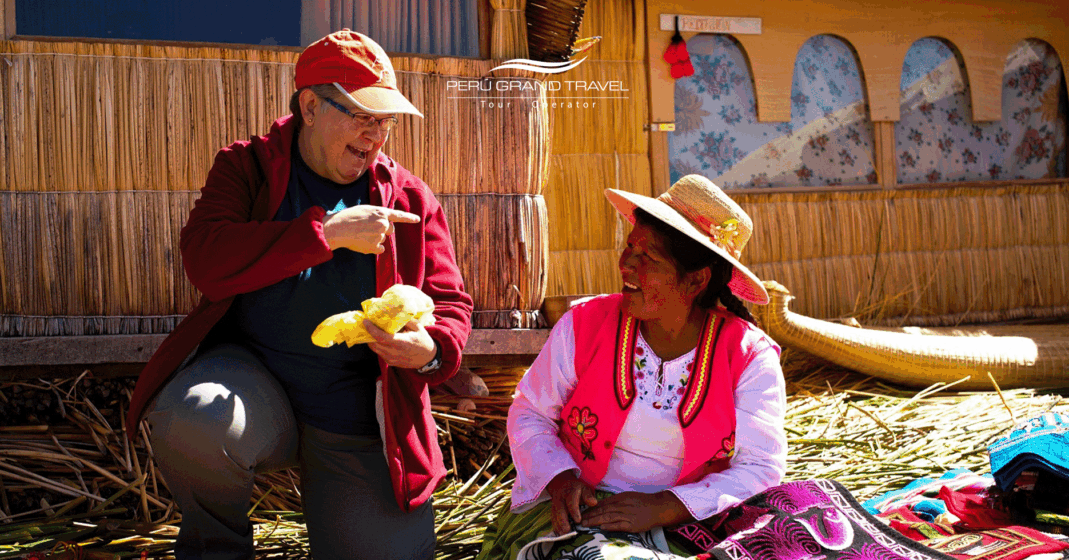
If you are still deciding how to structure your days, let me put things into perspective. Rural tourism in Peru does not replace the classic wonders; it complements them.
| Feature | Conventional Tourism (Machu Picchu, Museums, Trains) | Rural Tourism in Peru |
| Experience | Offers the visual and historical “Wow.” | Offers the “Ahhh” of true understanding. |
| Focus | Monumental, rigorous planning, iconic crowds. | Intimate, flexible, and human-centered. |
| Perspective | A look into a grand past. | A look at a continuous present. |
The perfect trip to the Andes should contain both. Spending three days exploring ruins in Cusco and then dedicating a full day to rural tourism in Peru in a village like Patabamba balances your journey, bringing that coveted peace of mind and a sense of profound fulfillment.
Frequently Asked Questions | FAQ
As a host to hundreds of experienced travelers, I’ve gathered the most common questions about this unique way of traveling.
1. Is rural tourism in Peru suitable for seniors?
Absolutely! Our rural tourism in Peru activities are fully adaptable. If a walk through the fields is too strenuous, we can focus on pottery, weaving, or cooking workshops (like the Pachamanca), ensuring comfort and safety at all times.
2. How many days should I dedicate to community or rural tourism?
For most luxury itineraries, we recommend 1 to 2 full days dedicated exclusively to rural tourism in Peru, usually integrated during your acclimatization days in the Sacred Valley or Lake Titicaca.
3. Is it safe to visit these rural communities?
Yes, it is extremely safe, especially in communities that partner with established agencies. The Andean people are known for their warm, genuine hospitality and protect their visitors like family.
4. Do I need to speak Spanish or Quechua to enjoy the experience?
It is not necessary. Your specialized Peru Grand Travel guide will act as your cultural and linguistic translator at all times, ensuring the nuances of every story reach you perfectly.
5. Do houses in rural communities have modern bathrooms?
Many communities involved in serious rural tourism in Peru initiatives have upgraded their facilities for international visitors, providing clean, Western-style bathrooms. For our premium “Homestay” luxury experiences, we select only homes with the highest standards of hygiene and comfort.
6. Can I buy crafts directly from the communities?
Yes, and it is highly encouraged! Buying textiles or ceramics directly from the artisan ensures the money goes 100% to the creator, and you take home a piece with a real face and story.
7. Is the food served in rural communities safe for a foreigner’s stomach?
Yes. In the rural tourism in Peru programs supervised by our agency, communities are trained in safe food handling and the use of purified/boiled water, ensuring you enjoy authentic local meals without health concerns.
8. What should I bring as a gift for rural families?
While not mandatory, it is a beautiful gesture. Useful gifts like school supplies (notebooks, colored pencils), fresh fruits that don’t grow in the region, or basic pantry staples are much more appreciated than candy or cash given informally.
9. What is the accommodation like in rural communities?
Accommodations range from simple but impeccably clean family homes to luxury rural lodges that maintain traditional architecture with modern comforts like hot water and thermal beds.
10. What should I pack for a rural experience?
Layers (the “onion” style), sunscreen, insect repellent, comfortable hiking shoes, and a flashlight. Don’t forget a power bank, as electricity can be limited in some remote areas.
11. Can children participate in rural tourism in Peru?
Definitely! It is an incredible educational experience for children, who can learn where food comes from, how clothes are made, and play safely outdoors.
12. How is the internet and cell signal in rural areas?
Signals are often limited or non-existent in remote areas. Consider this a privilege—a chance for a “digital detox” to connect with what truly matters.
13. Is it necessary to hire an agency for rural tourism?
While you can go on your own in some places, a specialized agency ensures logistics, safety, and, most importantly, that your financial impact reaches the community ethically.
The Beginning of an Indelible Memory
My friend, rural tourism in Peru is where the magic of travel brochures becomes real and tangible. It is where Peru stops being just “a destination” and becomes a privilege you’ve had the honor of experiencing up close.
While most are content to see the landscapes through a window, you have chosen to feel the earth beneath your feet and hear the heart of the Andes through the smiles of its people. And we are here to ensure that every minute of this immersion is designed with the precision, subtle luxury, and care you deserve.
Are you ready to meet the true Peru, with the guarantee of excellence that only we offer?
Contact Perú Grand Travel today and let us transform your curiosity into the trip of a lifetime.

Experiences

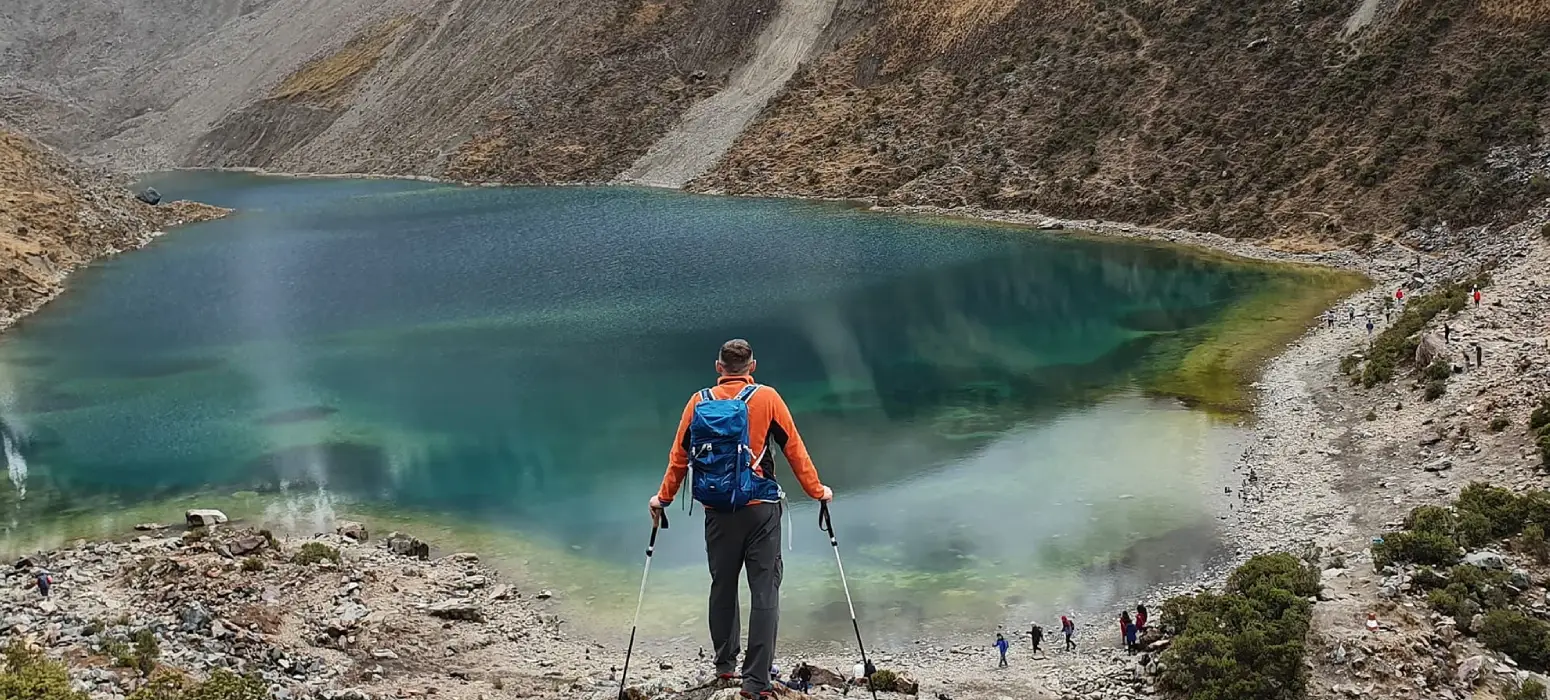
Machu Picchu Challenge 8D/7N
Cusco, Sacred Valley Humantay Lagoon, Rainbow Mountain & Machu Picchu.
View Tour
Colonial Lima and Sacred land of the Incas 7D/6N
Lima, Cusco, Sacred Valley & Machu Picchu.
View Tour