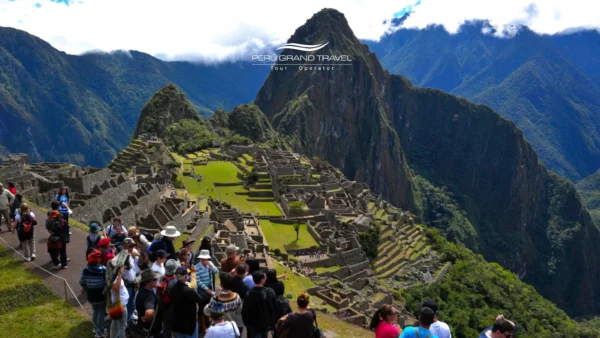
November marks the awakening of the rainy season in Peru, when the first drops of rain begin to appear in the Andes. The sky starts to fill with clouds, the fields regain their lush green, and the rivers flow with greater force. Traveling during these months means experiencing Peru from a different perspective.
Table of Contents
The best advice for traveling in the rainy season is to bring the right clothing. A waterproof jacket, sturdy footwear, and lightweight quick-dry garments are the key to enjoying your trip without worries. This guide is designed so that your adventure in Peru won’t be stopped by the weather but instead enriched by it.
When is the Rainy Season in Peru?
The rainy season in Peru begins in mid-November and reaches its peak in January and February. During this time, destinations such as Cusco, the Sacred Valley, Machu Picchu, and Lake Titicaca experience heavier rainfall. However, along the coast — in places like Lima, Paracas, or Ica — rain is almost nonexistent, and the weather remains mostly dry.
In the Amazon rainforest, rains are also frequent during these months, but they are a natural part of its tropical climate. Although they can be intense, they usually come as short showers followed by moments of sunshine, allowing activities and excursions to continue.
Traveling during this season has its advantages. The Andean landscapes look greener, there are fewer tourists at the main attractions, Machu Picchu has cooler weather, and towns preserve a calm and peaceful atmosphere. It is a great time to enjoy Peru at a slower pace.


Rainy Season Month by Month
The rainy season in Peru varies in intensity from month to month, transforming the landscapes and the way travelers experience each destination. Discover, month by month, how the weather changes and which are the best places to enjoy your trip without worries.
November – The Beginning of the Season
With the arrival of November, the sky becomes partly cloudy and the first light rains begin. The landscapes are refreshed with radiant green tones, and the air feels cleaner, creating a special atmosphere to explore Cusco and the Sacred Valley.
December – Nature in Full Bloom
In December, rains become more frequent and the days turn more humid. However, it is precisely during this month that Machu Picchu and the Andes reveal a mystical beauty: mist covers the mountains and the vegetation grows more flourishing.
January – Heavier Rains
January marks the true heart of the rainy season. Showers intensify, especially in the middle of the month, and the skies often remain overcast. It is the perfect time for those who enjoy tranquility and want to experience a more authentic Peru, with fewer crowds of tourists.
February – The Rainiest Month
February is the month of the heaviest rains. Showers can occur daily and are sometimes accompanied by hail. Even so, the reward is unique: fertile valleys, waterfalls at their fullest, and landscapes covered in radiant green.
March – The Return of Clear Skies
March signals the end of the rainy season. As the days pass, showers become less frequent, fading into light drizzles. Little by little, the sun grows stronger, opening the way for the dry season.
| Month | Rainfall Intensity | Weather Characteristics | Recommended Destinations |
|---|---|---|---|
| November | Light | Partly cloudy skies, landscapes start turning green | Cusco, Sacred Valley, Arequipa |
| December | Moderate | More frequent rains, mystical fog over the mountains | Machu Picchu, Sacred Valley, Puno |
| January | Heavy | Cloudy skies, constant rains, fewer tourists | Historic Cusco, museums, cultural experiences |
| February | Very heavy (peak) | Daily rains, possible hail, landscapes full of life | Puno (Candelaria Festival), Sacred Valley, lower jungle |
| March | Decreasing | Sporadic rains, transition to clearer skies | Machu Picchu, Cusco, Lake Titicaca |
| April (extension) | Scattered | Occasional light drizzles, more stable weather | All of the Southern Andes, start of dry season |
What to Pack for the Rainy Season in Peru
Traveling during the rainy season means being well prepared. To enjoy the journey with comfort and safety, this time of year requires planning every detail in advance — from choosing the right clothing to wearing proper footwear.
Clothing and Footwear for the Rainy Season
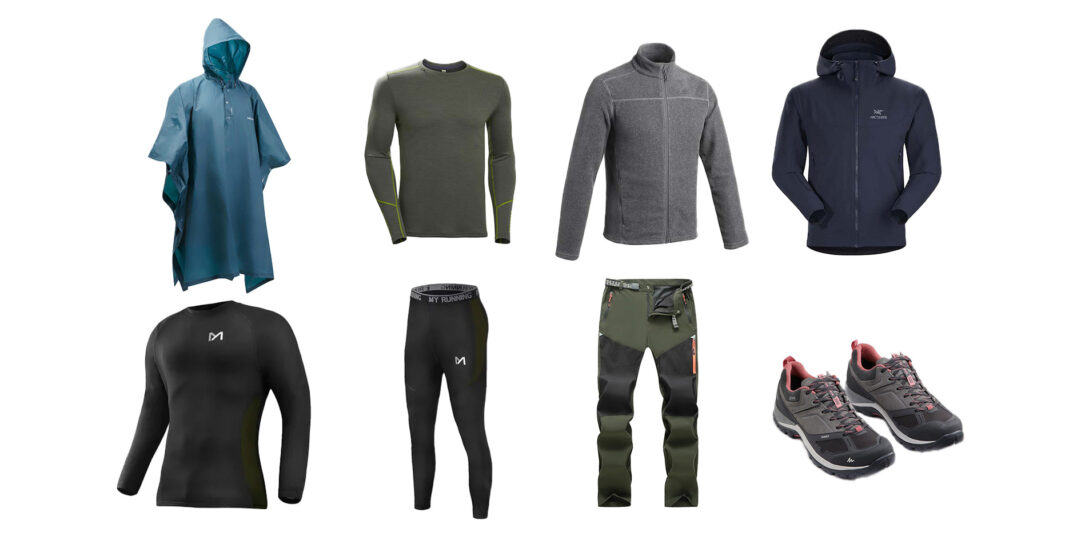
- Jacket and windbreaker: lightweight, waterproof, breathable, and easy to pack in your backpack.
- Rain poncho: practical for the rain and comfortable to wear.
- Lightweight pants: preferably quick-drying.
- Clothing layers: breathable t-shirts, a fleece or light sweater, and a waterproof outer layer.
- Thermal clothing: nights in Cusco, the Sacred Valley, and Puno are often cold, even during the rainy season.
- Trekking shoes: with good waterproof, non-slip soles for walking on wet or slippery paths.
- Comfortable sandals or light shoes: ideal for resting at the hotel or for days without demanding hikes.
Must-Have Accessories
- Small backpack with rain cover: ideal for day trips, keeps your belongings protected from the rain.
- Compact umbrella: lightweight and easy to store, useful for city walks or short visits.
- Waterproof hat or cap: protects from both sun and rain.
- Water-resistant sunscreen: important to apply, especially in the Andes where radiation is high even on cloudy days.
- Insect repellent: mosquito activity increases during the rainy season due to humidity.
- Wall chargers: preferably ones that can charge multiple devices at the same time and work with 220V outlets.
- Portable battery (power bank): humidity can drain devices faster, so it’s best to be prepared.
- Basic first-aid kit: include personal medication, band-aids, and altitude sickness pills if traveling to Cusco or Puno.

Other Useful Items
- Camera with a good protective case: to capture landscapes, even in the rain.
- Quick-dry towel: lightweight, compact, and very practical for excursions.
- Thermos or reusable bottle: staying hydrated is key, even on rainy days.
- Light waterproof gloves: useful for high-altitude hikes where rain combines with cold.
- Documents in plastic covers: keep your passport, tickets, and passes safe from moisture.
Experiences Worth Having During the Rainy Season
Traveling to Peru during the rainy season means discovering the country from a different perspective: greener, more authentic, and with fewer crowds at many destinations. These are some of the experiences that shine during this time.
The Sacred Valley, and especially Machu Picchu, dress in vivid green while rivers flow more strongly, revealing landscapes full of life before the traveler’s eyes. At the same time, local communities proudly preserve their Andean essence, offering an authentic experience closely tied to their traditions.
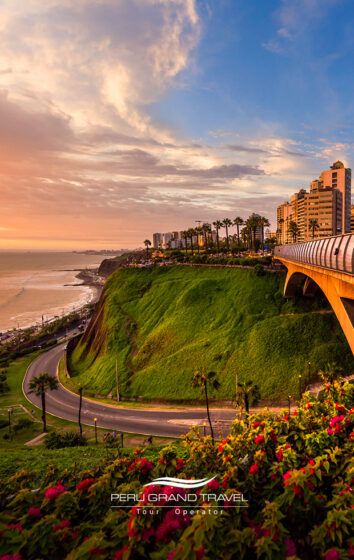
Lima, on the other hand, offers an unexpected contrast: while the Andes are covered in rain, the capital remains dry, with its characteristic gray sky and a climate that allows visitors to explore its colonial history and gastronomy without worrying about rainfall.

Weather in Peru: Differences Between the Dry and Rainy Seasons
Choosing between the dry season and the rainy season in Peru depends on the type of trip you want to take. Understanding the difference between these two periods is essential for better planning your itinerary, organizing your luggage, and making the most of each destination.
| Aspect | Dry Season (May – September) | Rainy Season (November – March) |
|---|---|---|
| Weather | Sunny days, clear skies, cold nights in the Andes. | Frequent rains, especially in the afternoons; green landscapes and swollen rivers. |
| Tourist Flow | High: many visitors in Cusco, Machu Picchu, and the Sacred Valley. | Low: fewer tourists at the main destinations. |
| Advantages | Stable weather, ideal for treks such as the Inca Trail or Rainbow Mountain. | Greener nature, Machu Picchu with mystical mist, lower prices. |
| Disadvantages | Higher prices, crowded attractions. | Possible delays in flights/trains, some treks closed. |
Both seasons offer different experiences. The dry season usually attracts more visitors and is ideal for those seeking a wider range of outdoor activities. In contrast, the rainy season appeals to travelers who value tranquility, more affordable prices, and the chance to experience a Peru with fewer tourists and a more authentic atmosphere.
H2: Frequently Asked Questions About the Rainy Season in Peru
- When is the rainy season in Peru?
The rainy season in the Andean region runs from November to March, with the heaviest rainfall in January and February. - Is it safe to travel to Peru during the rainy season?
Yes, it is safe as long as you take precautions. Some routes, such as the Inca Trail in February, may close temporarily for safety reasons, but main destinations like Cusco, Machu Picchu, and the Sacred Valley remain accessible. - Can you visit Machu Picchu during the rainy season?
Yes, Machu Picchu is open year-round. During the rainy season, you may find mist and showers, which give the site a fresh and special atmosphere. Just remember to bring waterproof clothing and footwear. - What clothes should I bring during the rainy season?
It’s best to pack lightweight quick-dry clothing, a waterproof jacket, a rain poncho, and sturdy waterproof shoes. Dressing in layers is the smartest option. - Does it rain all day?
No. Mornings are usually clearer, and rain tends to fall in the afternoons or evenings. This allows you to enjoy most of the day for excursions. - Which destinations are recommended during the rainy season?
In addition to Cusco and Machu Picchu, you can enjoy the Sacred Valley with its lush landscapes, the Amazon rainforest, and cultural festivities such as the Virgen de la Candelaria in Puno. - Does the rainy season affect Peru’s coast?
Not significantly. Cities like Lima, Paracas, or Ica remain mostly dry even during these months.
Traveling is about discovering, learning, and creating unforgettable memories, and Peru is the perfect destination for all of that. Its landscapes, history, and culture make every experience unique, filled with moments that will change your life.
We invite you to explore our Peru packages. Your experience in Peru is just one step away.Contact usnow and start living the unique adventure you’ve always dreamed of.
More information:
- Visit our English website: Peru Grand Travel
- Visit our Spanish website: Viajes Machu Picchu Tours
- Visit our Portuguese website: Machu Picchu Pacotes

Experiences

Machu Picchu Challenge 8D/7N
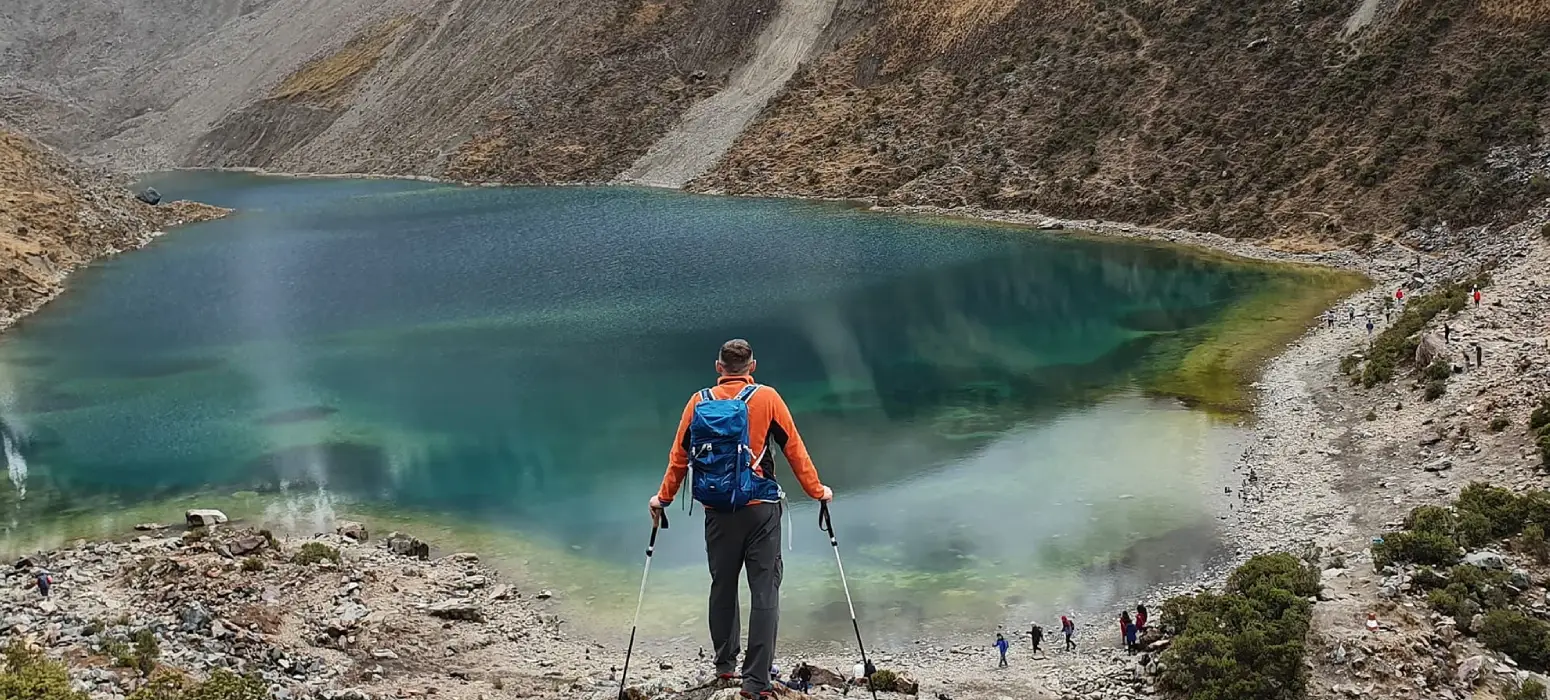
Cusco, Sacred Valley Humantay Lagoon, Rainbow Mountain & Machu Picchu.
View Tour
Colonial Lima and Sacred land of the Incas 7D/6N
Lima, Cusco, Sacred Valley & Machu Picchu.
View Tour