Located on Peru’s northern coast, Trujillo is one of the country’s most culturally rich and historically important destinations. Known as the birthplace of the Marinera, Peru’s national dance, the city was also a major center for powerful pre-Columbian civilizations long before Spanish arrival.
Table of Contents
What makes Trujillo stand out is how seamlessly it blends different layers of history. Ancient adobe cities and ceremonial temples sit alongside elegant colonial homes, vibrant plazas, and easy access to the Pacific coast. This mix of archaeology, colonial heritage, and coastal culture makes Trujillo a must-visit for travelers looking to experience Peru beyond the Andes.
In this guide, you’ll explore the five must-see attractions in Trujillo, Peru, from iconic archaeological sites to traditional fishing villages and historic city streets—each offering a deeper look into the region’s past and its living traditions today.
1. Chan Chan – The Largest Adobe City in the World
Chan Chan is Trujillo’s most famous attraction and one of the most impressive archaeological sites in South America. Built by the Chimú civilization between the 9th and 15th centuries, this vast adobe city was once the largest urban center in the pre-Columbian Americas and the capital of the Chimú Empire.
What makes Chan Chan especially fascinating is its scale and design. The city is made up of large palace complexes, ceremonial plazas, and long adobe walls decorated with intricate reliefs of fish, birds, waves, and geometric patterns—symbols closely tied to the Chimú relationship with the sea and water. These carvings also reflect advanced knowledge of urban planning, irrigation, and water management in a challenging desert environment.
As a UNESCO World Heritage Site, Chan Chan offers travelers a rare opportunity to walk through an ancient city and imagine daily life in one of South America’s most powerful coastal civilizations.
Visiting tips: Plan your visit for early morning to avoid heat and crowds. A guided tour is highly recommended to understand the symbolism behind the reliefs and the city’s layout. Most visits last 1:30 to 2 hours, making it an easy half-day experience from Trujillo.

2. Huaca del Sol and Huaca de la Luna
Located just outside the city of Trujillo, Huaca del Sol and Huaca de la Luna are two monumental temples built by the Moche civilization more than 1,500 years ago. The Moche were one of the most influential cultures on Peru’s northern coast, known for their advanced engineering, art, and complex religious practices.
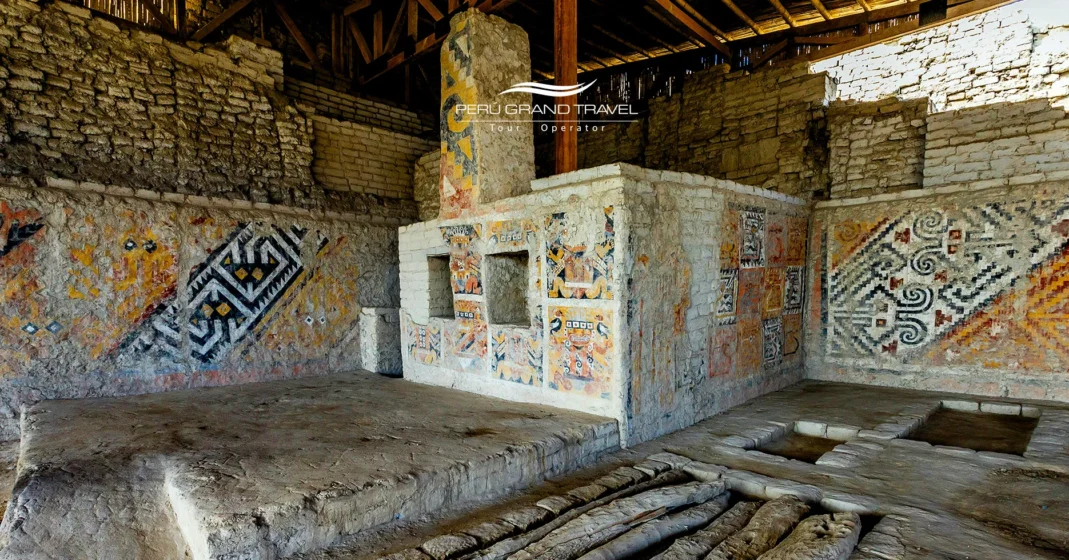
While the two temples are part of the same ceremonial center, they served very different purposes. Huaca de la Luna is especially striking for its well-preserved polychrome murals, which depict gods, warriors, and ritual ceremonies, including scenes linked to Moche religious beliefs. Huaca del Sol, on the other hand, was once one of the largest adobe pyramids in the Americas and likely functioned as an administrative and political center.
Together, these temples offer valuable insight into Moche religion, social structure, and daily life. The experience is enhanced by a modern on-site museum, where artifacts, ceramics, and detailed explanations help visitors understand recent archaeological discoveries. A guided walk through the site brings the ancient world of the Moche vividly to life.
3. Historic Center of Trujillo
Located just outside the city of Trujillo, Huaca del Sol and Huaca de la Luna are two monumental temples built by the Moche civilization more than 1,500 years ago. The Moche were one of the most influential cultures on Peru’s northern coast, known for their advanced engineering, art, and complex religious practices.
While the two temples are part of the same ceremonial center, they served very different purposes. Huaca de la Luna is especially striking for its well-preserved polychrome murals, which depict gods, warriors, and ritual ceremonies, including scenes linked to Moche religious beliefs. Huaca del Sol, on the other hand, was once one of the largest adobe pyramids in the Americas and likely functioned as an administrative and political center.
Together, these temples offer valuable insight into Moche religion, social structure, and daily life. The experience is enhanced by a modern on-site museum, where artifacts, ceramics, and detailed explanations help visitors understand recent archaeological discoveries. A guided walk through the site brings the ancient world of the Moche vividly to life.
4. Huanchaco Beach and Caballitos de Totora
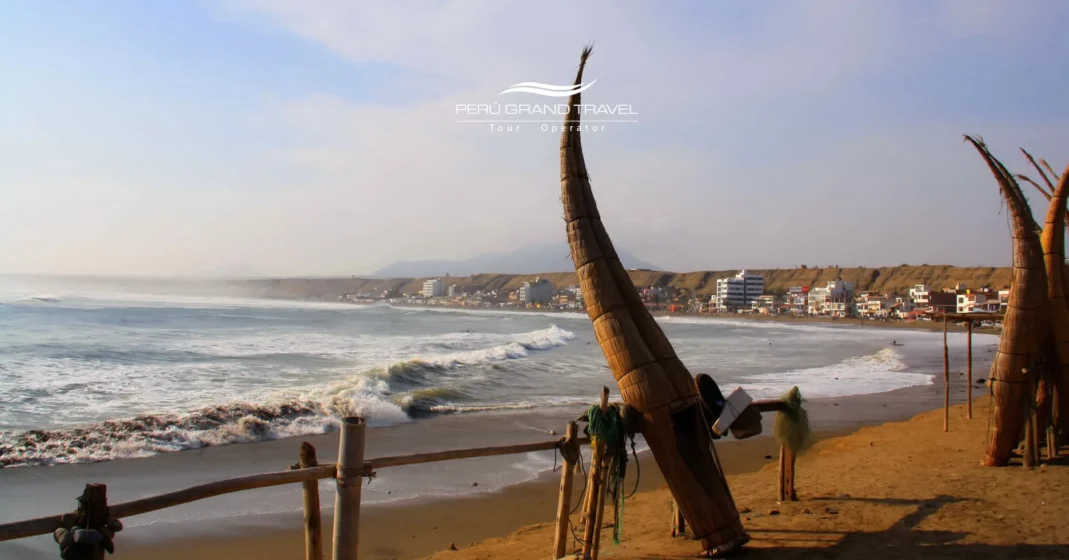
Just 20 minutes from Trujillo, Huanchaco offers a refreshing change of pace and a strong connection to Peru’s living coastal traditions. This historic fishing village has been inhabited for thousands of years and is best known for its caballitos de totora—traditional reed boats still used daily by local fishermen, just as they were in pre-Columbian times.
Walking along the shore, you’ll often see fishermen paddling these iconic boats through the waves, a powerful reminder of the region’s ancestral maritime culture. Huanchaco is also a popular spot for surfing, thanks to its consistent waves, and a favorite place to enjoy fresh seafood, especially ceviche and other coastal dishes.
With its relaxed atmosphere, ocean views, and unforgettable Pacific sunsets, Huanchaco is the perfect place to slow down after exploring Trujillo’s archaeological sites. It combines cultural heritage, coastal scenery, and everyday local life in one easy half-day visit.
5. El Brujo Archaeological Complex – Lady of Cao
Located north of Trujillo, the El Brujo Archaeological Complex is one of the most significant Moche sites in Peru and a powerful complement to Huaca del Sol and Huaca de la Luna. This ceremonial complex sits near the coast and offers a deeper understanding of Moche society, religion, and political power.
El Brujo gained international recognition after the discovery of the Lady of Cao, a high-ranking female ruler whose remarkably preserved mummy and intricate tattoos challenged long-held assumptions about gender roles in ancient Peru. Her burial revealed that women could hold positions of great authority within Moche civilization, reshaping how historians interpret power and leadership in pre-Columbian cultures.
The on-site museum is modern, well-curated, and focused on conservation and education. It displays the Lady of Cao’s remains and artifacts with great care, alongside detailed explanations of the site’s archaeological research and ongoing preservation efforts.
Because of its historical importance and emotional impact, El Brujo is considered a must-visit day trip from Trujillo, especially for travelers interested in archaeology, ancient cultures, and groundbreaking discoveries.
Practical Tips for Visiting Trujillo
Trujillo is an easy destination to explore, especially for travelers interested in culture and history. The city enjoys mild coastal weather year-round, making it suitable to visit at any time, though mornings are often the most comfortable for outdoor sites.
A stay of 2 to 3 days is ideal to see Trujillo’s main attractions without rushing, including archaeological sites, the historic center, and the nearby coast. Getting around is simple—taxis and guided tours are widely available and make reaching sites like Chan Chan, Huaca de la Luna, and Huanchaco quick and convenient.
When packing, bring light, breathable clothing, sun protection such as a hat and sunscreen, and comfortable walking shoes, especially if you plan to explore archaeological complexes or take walking tours around the city.
How to Include Trujillo in a Peru Itinerary
Trujillo fits easily into several travel routes and is an excellent base for exploring northern Peru’s cultural and archaeological highlights. Thanks to its location, flight connections, and variety of nearby sites, it can be combined with other destinations without complicated logistics.
One popular option is the Trujillo + Chiclayo cultural route, ideal for travelers interested in pre-Columbian civilizations. Together, these cities offer access to some of the most important Moche and Chimú sites in the country, creating a rich archaeological journey through Peru’s northern coast.
Another easy combination is Trujillo + Lima, perfect for travelers focused on culture, history, and gastronomy. Lima provides colonial landmarks, museums, and world-class food, while Trujillo adds deep archaeological heritage and coastal traditions—making this pairing well balanced and time-efficient.
Finally, Trujillo works beautifully as part of a Northern Peru cultural itinerary, connecting multiple coastal cities, archaeological complexes, and traditional towns. This route is ideal for travelers who want to explore a less-visited region of Peru while gaining a deeper understanding of its ancient civilizations and living culture.
Faqs Tourist Attractions in Trujillo
What can you do in Trujillo, Peru?
In Trujillo, you can explore world-class archaeological sites like Chan Chan, Huaca del Sol, and Huaca de la Luna, walk through the historic center, visit nearby coastal towns such as Huanchaco, enjoy local cuisine, and learn about ancient civilizations that shaped northern Peru.
Is Trujillo, Peru worth visiting?
Yes. Trujillo is absolutely worth visiting, especially for travelers interested in history, archaeology, and culture. It offers some of the most important pre-Columbian sites in South America, combined with colonial architecture and easy access to the coast.
What is Trujillo Peru known for?
Trujillo is known for Chan Chan, the largest adobe city in the world, its strong Moche and Chimú heritage, colonial mansions, and as the birthplace of the Marinera, Peru’s national dance.
How many days to spend in Trujillo, Peru?
Most travelers spend 2 to 3 days in Trujillo. This allows enough time to visit the main archaeological sites, explore the historic center, and take a short trip to the coast without rushing.
Is Trujillo safe for tourists?
Trujillo is generally safe for tourists, especially when staying in central areas, using taxis or guided tours, and following standard travel precautions. As in any city, it’s best to stay aware of your surroundings and avoid poorly lit areas at night.
Where to avoid in Peru?
In Peru, travelers should avoid isolated or unfamiliar neighborhoods, especially late at night, and be cautious in crowded areas where petty theft can occur. Sticking to well-known tourist areas and traveling with reputable operators is always recommended.
Why is Trujillo, Peru important?
Trujillo is important because it was a major center of pre-Columbian civilizations, including the Moche and Chimú. Its archaeological sites provide key insights into ancient urban planning, religion, art, and political power on Peru’s northern coast.
What to wear in Trujillo, Peru?
Wear light, breathable clothing, comfortable walking shoes, and bring sun protection such as a hat and sunscreen. Mornings and evenings can be cooler, so a light jacket is useful.
How long to spend in Trujillo?
A stay of 2–3 days is ideal for most travelers. Those with a strong interest in archaeology may choose to stay longer or combine Trujillo with nearby destinations like Chiclayo.
Where to stay in Trujillo, Peru?
The best areas to stay are near the Historic Center for easy access to attractions, or in Huanchaco if you prefer a relaxed coastal atmosphere. Both areas offer a range of hotels for different budgets.
What is Trujillo, Peru famous for?
Trujillo is famous for Chan Chan, Moche temples, colonial architecture, the Marinera dance, and its role as one of the most important cultural centers in northern Peru.
Is it safe for Americans to go to Peru right now?
In general, yes. Peru continues to welcome American travelers, and most visits are safe when travelers stay informed, follow local guidance, and use trusted tour operators. As with any international trip, it’s wise to check official travel advisories before departure.
Conclusion 5 Attractions in Trujillo, Peru
Trujillo is more than just a stop on the map—it’s a journey through Peru’s ancient civilizations, elegant colonial heritage, and living coastal traditions. From the vast adobe city of Chan Chan to traditional fishing villages like Huanchaco, these five attractions in Trujillo, Peru show why the city is one of the most rewarding cultural destinations in northern Peru.
For travelers who want to go beyond the highlights and truly understand the stories behind each site, Trujillo offers a rich and immersive experience that pairs perfectly with other northern destinations. It’s an ideal choice for those looking to explore a less-traveled side of Peru while still enjoying world-class archaeology, history, and culture.
If you want to experience Trujillo with expert guides, smooth logistics, and a well-planned itinerary, plan your journey with a trusted local operator like Peru Grand Travel. Traveling with local specialists ensures a deeper, more meaningful experience—so you don’t just visit Trujillo, you truly discover it.
More information:
- Visit our English website: Peru Grand Travel
- Visit our Spanish website: Viajes Machu Picchu Tours
- Visit our Portuguese website: Machu Picchu Pacotes

Experiences

Machu Picchu Challenge 8D/7N
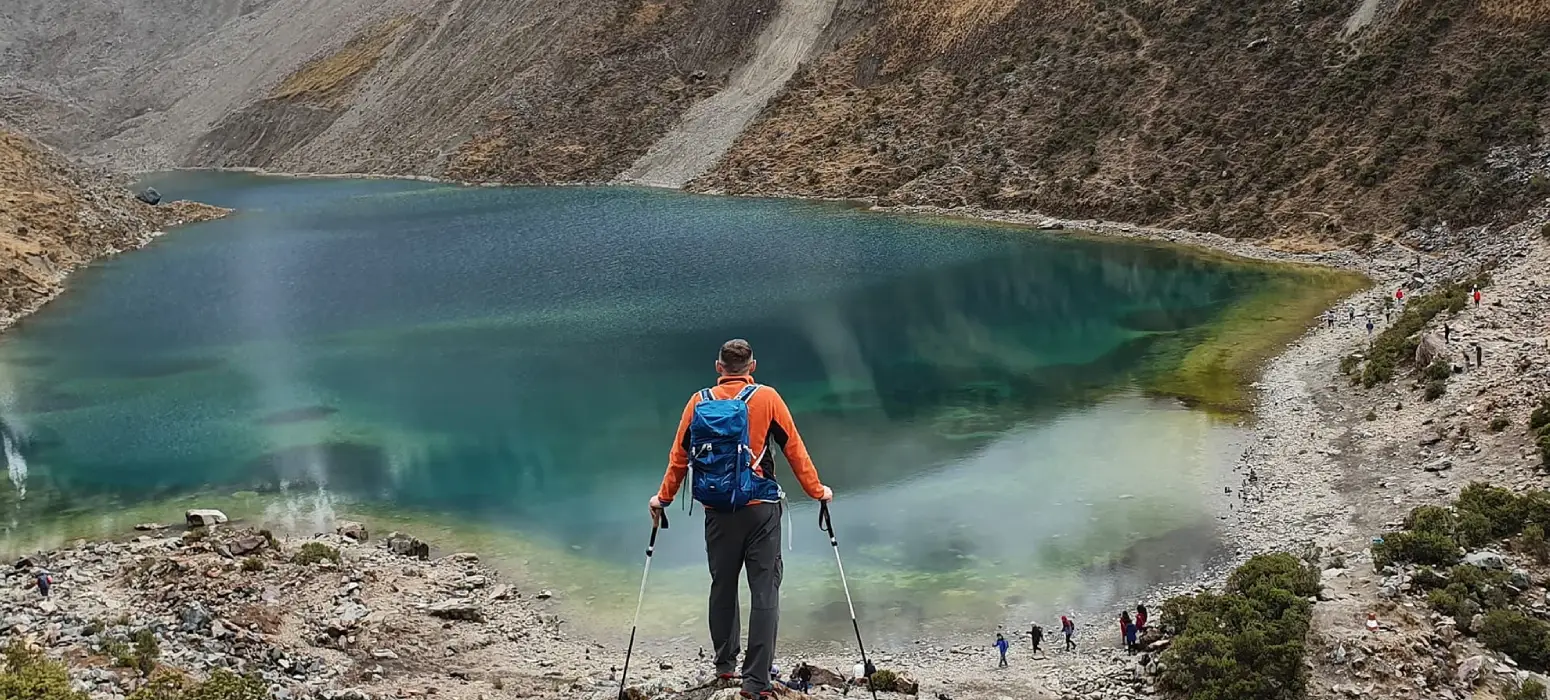
Cusco, Sacred Valley Humantay Lagoon, Rainbow Mountain & Machu Picchu.
View Tour
Colonial Lima and Sacred land of the Incas 7D/6N
Lima, Cusco, Sacred Valley & Machu Picchu.
View Tour