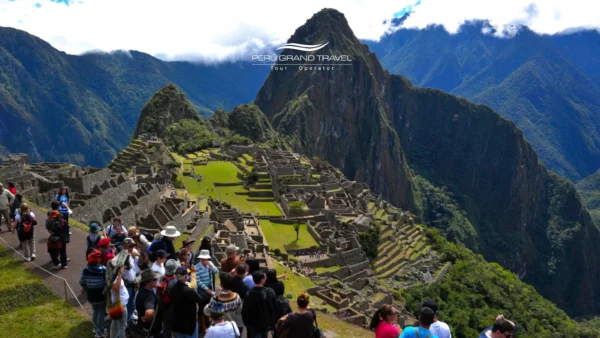
Planning a journey through the treks in Peru is much more than choosing a path on a map; it is selecting the frame for one of the most profound memories of your life. Imagine yourself walking along ancestral trails where the silence of the mountains is only interrupted by the sound of the wind and the beat of your own heart, all with the security of someone who knows every curve of the way.
Table of Contents
As someone who divides their time between the vibrant energy of São Paulo and the mystical serenity of Cusco, I can guarantee: Peru is not just a destination, it is a privilege. Whether you are looking for the best treks in Peru or prefer the exclusivity of guided treks in Peru, this guide was designed for you—the traveler who does not compromise on comfort but has a thirst for discovery.
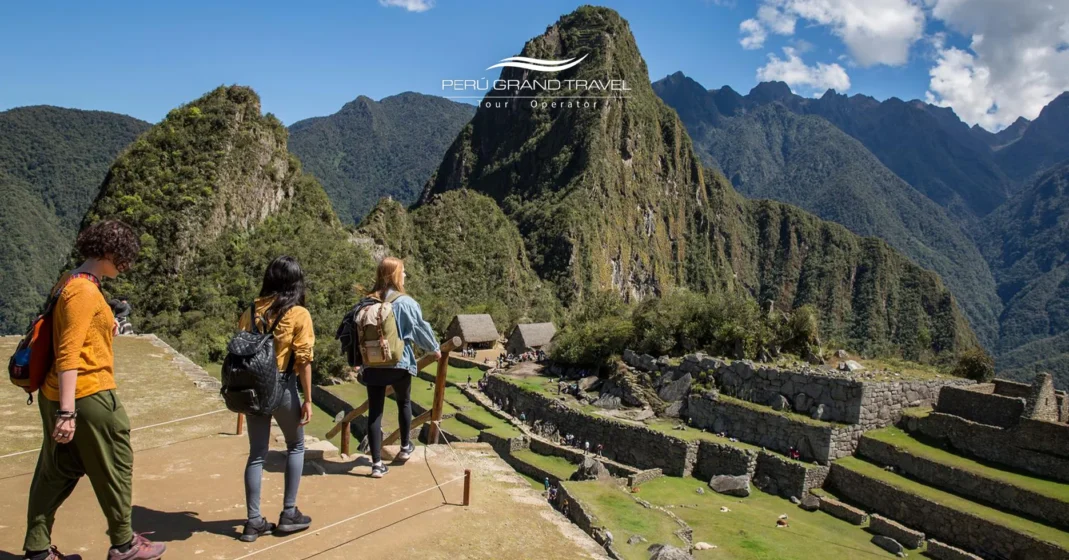
Where to find the best treks in Peru? | Base Cities
When we talk about treks in Peru, it is essential to understand the geography. The country is vast, and each region offers a different “flavor” of adventure. It’s not just about Cusco; it’s about choosing the setting for your story.
Cusco: The Heart of the Empire
Most treks in Peru begin here. It is the epicenter.
- The Classic: The Inca Trail and its variations.
- The Alternative: Routes like Salkantay or Lares, which combine culture and landscape.
- The Visual: Snow-capped mountains, cloud forests, and hidden ruins.
Huaraz: The Peruvian Switzerland
For the serious mountaineer. Located in the Cordillera Blanca.
- The Challenge: This is where the highest and most technical peaks are found.
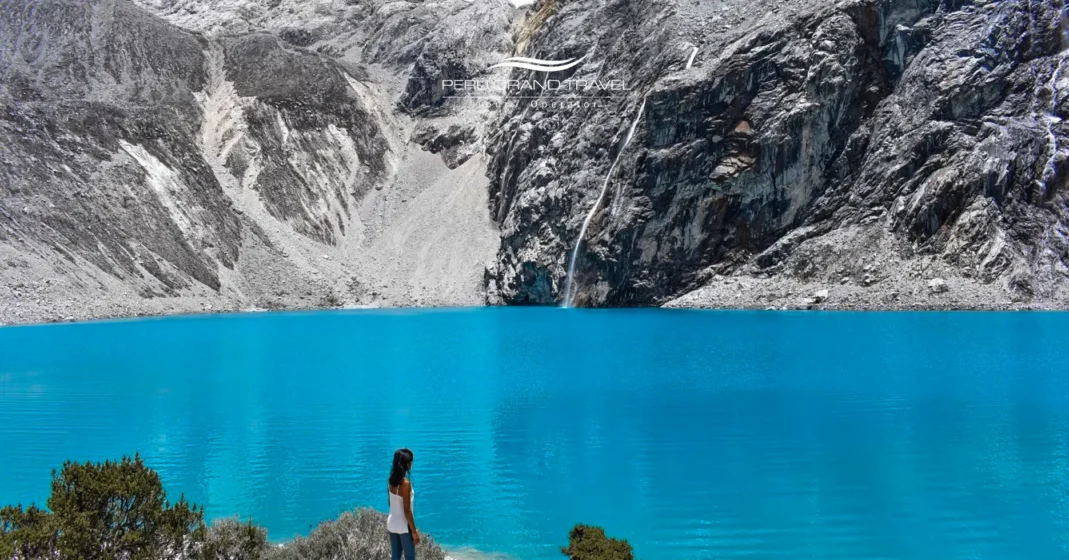
- The Reward: Lagoons of an impossible blue, such as Laguna 69, and glaciers that touch the sky.
Arequipa: The Deep South
Land of volcanoes and canyons.
- The Experience: Descending to the bottom of the Colca Canyon is a journey to the center of the earth, watched over by condors.
To understand what else these cities offer beyond hiking, I invite you to read our pillar guide on What to do in Peru 2026.
DID YOU KNOW?
Qhapaq Ñan: Many of the treks in Peru that we walk today are, in fact, fragments of the Qhapaq Ñan, the Great Inca Road. This 30,000 km network connected the entire empire, from Colombia to Chile. You are walking on history.
When is the best time to trek in Peru?
This is the golden question. The success of your treks in Peru depends entirely on the calendar. In the Andes, we have only two seasons: the dry and the wet.
The Dry Season | May to October
- The Verdict: It is the best time. The sky is deep blue, the views are crystal clear, and the ground is firm.
- The Price: The nights are freezing (below zero). Bring a good sleeping bag!
The Rainy Season | November to March
- The Setting: Everything is green and vibrant. Orchids bloom.
- The Risk: Trails can become muddy and slippery. February is the wettest month (and the Inca Trail closes for maintenance).
Best time to trek in Peru | Summary
For the perfect balance between weather and crowds, aim for the months of late April, May, September, or October.
GRAND TIP
The Secret of April: Right after the rains, in April, the mountains are still incredibly green, but the rain has stopped. It is the most photogenic moment for your treks in Peru.
Which are the best cities for trekking in Peru?
Cusco, Huaraz, and Arequipa are the three main cities where you can base your trekking experience in Peru. Each offers a different ecosystem, from sacred valleys and Inca ruins to snow-capped peaks reminiscent of the Swiss Alps and deep canyons inhabited by condors.
- Cusco: The gateway to the Sacred Valley and the famous routes to Machu Picchu. It is the perfect place for a guided trek in Peru.
- Huaraz: Known as the mountaineering capital, this is where adventurers find the best treks to do in Peru for high altitude, such as the Cordillera Blanca.
- Arequipa: Offers the challenge of the Colca Canyon, one of the deepest in the world, surrounded by imposing volcanoes.
CURIOUS FACT
Did you know that Peru has the largest concentration of tropical glaciers in the world? More than 70% of them are located here, making our trails visually unique compared to anywhere else in Latin America.
Day Hikes: Quick Adventures | Easy treks in Peru
Not every adventure requires a tent. For those seeking visual impact without the commitment of days of camping, Peru offers spectacular “Day Hike” options.
Humantay Lake | Cusco
- The Route: A steep climb of 1.5 to 2 hours.
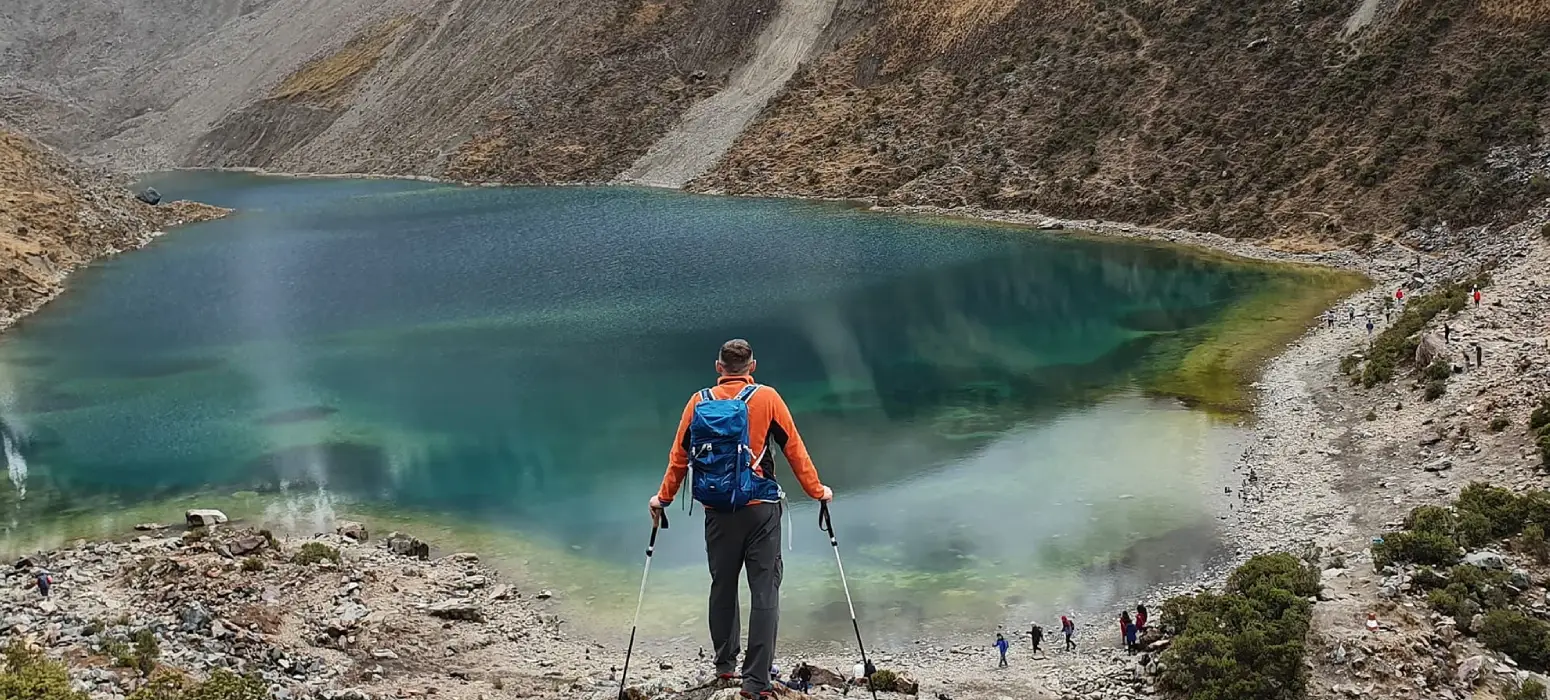
- The View: A glacial lagoon at the foot of the Humantay snow-capped mountain. The color of the water is mesmerizing. It is one of the most popular treks in Peru for Instagram.
Rainbow Mountain / Vinicunca | Cusco
- The Challenge: The altitude (5,200m) is the true obstacle. The hike is moderate, but the air is thin.
- The Alternative: If you want something more exclusive and less crowded, choose the Palccoyo route. It is flatter and visually equal (or superior).
Laguna 69 | Huaraz
- The Jewel: Probably the most beautiful lagoon in the country. The hike is demanding, but the visual reward is incomparable.
These options are perfect for being integrated into broader cultural itineraries.
Multi-Day Treks: Total Immersion | Famous treks in Peru
For the traveler who wishes to disconnect from the modern world and reconnect with themselves, these are the great crossings.
How much does it cost to do the Inca Trail? | The Classic
The Inca Trail is the gold standard. It is the only one that ends directly at the Sun Gate (Inti Punku) in Machu Picchu.
- Exclusivity: Requires booking 5-6 months in advance.
- Cost: Expect to invest between $700 and $1,500 USD depending on the level of luxury (private porters, massages, gourmet meals).
- Is it worth it? Absolutely. Reaching Machu Picchu on foot is an emotion that no train can replicate.
For specific details on this legendary route, read our dedicated guide: Inca Trail Guide to Machu Picchu 2026.
What is the most difficult trek in Peru? | For the Brave
If you seek to push your limits, Peru has vertical answers.
Huayhuash Trek | Huaraz
It is frequently cited as one of the most beautiful and difficult treks in the world.
- Duration: 8 to 12 days.
- Altitude: Remains above 4,000m almost the entire time.
- The Reward: Continuous views of snow-capped peaks that resemble the Himalayas. It is one of the treks in Peru reserved for the trekking elite.
Santa Cruz Trek: The Postcard of Huaraz
While not the hardest, it is the most famous in the Cordillera Blanca.
- The Visual: Four days walking among 6,000-meter peaks, including the famous Artesonraju (the mountain from the Paramount Pictures logo).
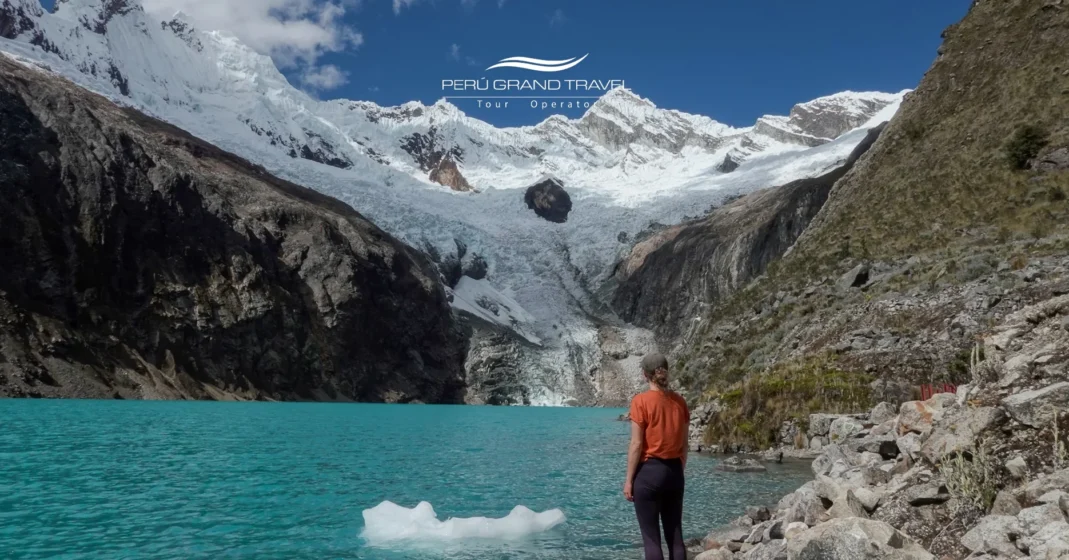
Alpamayo: The Most Beautiful Mountain in the World
For experienced mountaineers.
- The Title: Voted the most beautiful mountain in the world due to its perfect ice pyramid shape. The hike to the base camp is accessible, but the summit is a serious technical challenge.
CURIOUS FACT
What is the deadliest mountain in the world? Although it is not a common tourist trail, Siula Grande (in the Huayhuash range) became famous through the book/film “Touching the Void.” It is a reminder of the respect we must have for the Andes.
What are the best treks to Machu Picchu besides the Inca Trail?
The Inca Trail is legendary, but it is not the only path to glory. For the traveler seeking something different—whether more nature, more culture, or more adrenaline—there are spectacular alternative routes.
The Salkantay Trek and the Lares Trek lead this list, offering experiences that the classic Inca Trail cannot provide: solitude and deep immersion.
Salkantay Trek: The Wild Path
Frequently voted among the best treks in Peru by National Geographic, this is the route for those who love raw nature.
- The Contrast: You begin at the foot of a sacred glacier (Salkantay) and end walking through coffee plantations in the high jungle. It is a journey through all the Andean ecosystems in 5 days.
Lares Trek: The Soul of the Andes
This is the sophisticated choice for the cultural traveler. Known as the “Weaver’s Trail,” the focus here is not ruins, but people.
- The Experience: You will visit local markets and remote villages where time seems to have stood still. Seeing women weaving with ancient techniques and sharing a moment with them is to understand the true soul of Peru.
Choquequirao: The Other Machu Picchu
Many say Choquequirao is like Machu Picchu was 40 years ago: empty, mysterious, and wild.
- The Route: An epic 4 or 5-day journey that requires descending and ascending the deep Apurímac Canyon.
- The Prize: Massive ruins where you might be the only person exploring. It is one of the most rewarding treks in Peru for those seeking solitude.
Ausangate Trek: Walking Among Glaciers
This route circles the highest sacred mountain (Apu) in Cusco.
- The Setting: You will pass by lagoons of surreal colors (red, turquoise) and see wild vicuñas. It is pure nature, no ruins, just the majesty of the Andes.
- Rainbow Mountain: Many versions of this trek include an exclusive visit to the Painted Mountain.
Inca Jungle Trek: Adrenaline and History
For those who find walking all the time monotonous.
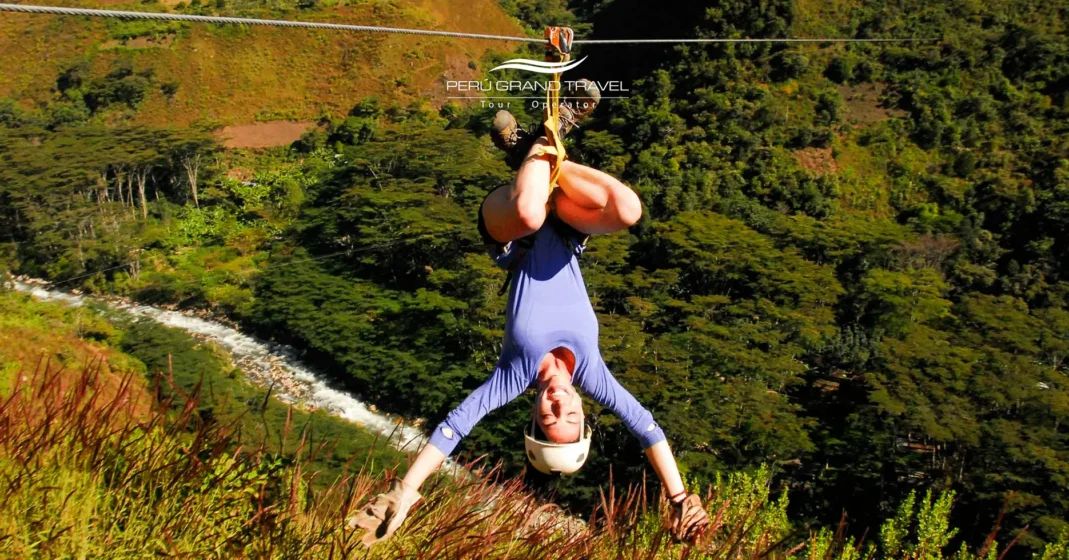
- The Mix: Combines trekking with mountain biking, rafting, and ziplining.
- The Path: Follows through part of the high jungle, offering a warmer climate and the chance to taste local coffee and fruits before reaching Machu Picchu.
Ancascocha Trek: The Best Kept Secret
Less known, but spectacular. National Geographic named it one of the best treks in the world.
- The Route: Connects the Limatambo valley with the Sacred Valley, passing by crystalline lagoons and rarely visited Inca ruins. It is the definition of “off the beaten path.”
Huchuy Qosqo: The Balcony of the Sacred Valley
Perfect for those with little time (1 or 2 days).
- The Jewel: You walk along an ancient Inca road until reaching Huchuy Qosqo (“Little Cusco”), perched on a cliff with the best panoramic view of the Sacred Valley.
Both end at Machu Picchu, but the path traveled offers a different narrative from the classic trail, allowing you to escape the more crowded routes.
Unique Treks Around Peru | Beyond Cusco and Huaraz
Peru is not just snow-capped mountains; we have deep canyons and cloud forests.
Colca Canyon | Arequipa
Descending (and then ascending!) one of the deepest canyons in the world is a test for the legs.
- The Oasis: At the bottom, in Sangalle, natural pools await you. The arid landscape and the condors flying above create a unique atmosphere.
Gocta Waterfall | Amazonas
In northern Peru, the jungle hides one of the tallest waterfalls in the world.
- The Hike: A humid and vibrant trail through the cloud forest, where you can spot the Andean cock-of-the-rock (the national bird) before coming face to face with the 771-meter drop.
Waqrapukara: The Horn-Shaped Fortress
South of Cusco, this is the new star of treks in Peru.
- The Site: A pre-Inca fortress built dramatically on top of a cliff overlooking the Apurímac River. The one-day hike is intense, but the site is mystical and photogenic.
Marcahuasi: The Stone Forest | Lima
Near the capital, at 4,000 meters.
- The Mystery: A volcanic plateau full of rock formations that resemble human and animal faces. It is a place famous for its magnetic energy and UFO sightings. Ideal for an overnight camp under the stars.
How to prepare and where to buy trekking clothes in Peru?
To prepare properly, you must focus on the layering system and know that Cusco offers excellent options for last-minute gear. Being well-equipped is the difference between a memorable experience and unnecessary discomfort in the mountains.
If you forgot something or want to renew your adventure wardrobe, knowing where to buy trekking clothes in Peru is essential. In Cusco, the area around the Plaza de Armas has shops from renowned international brands. However, for a more authentic and high-quality experience, look for specialized stores that use alpaca fiber, which is thermal, lightweight, and ideal for the Andean climate.
GRAND TIP
Never wear brand-new boots for the first time on a long trek. Wear them at home or on short hikes before your trip to ensure they are molded to your feet.
How much does it cost to do the main treks in Peru in 2026?
The costs of treks in Peru range from $600 to $2,500 USD per person, depending on the level of exclusivity, duration, and services included. A standard group trek will have a more accessible price, while a private service with luxury tents, massages at the campsite, and signature gastronomy will require a higher investment.
Investing in a high-quality guided trek is not just about comfort; it is about safety and social impact. By choosing responsible operators, you ensure that porters and guides receive fair wages and that the environmental impact is minimized. In the context of 2026, prices reflect the modernization of routes and the pursuit of increasingly personalized and sustainable experiences.
Guided treks in Peru: Why hire an agency?
You might ask yourself: “Can I do this alone?” On some routes (like the Inca Trail), it is prohibited to go without a guide. On others, it is possible but not recommended for those seeking a premium experience.
- Logistics: We take care of the tents, the food (chefs who cook wonders on a mountain!), and safety.
- Knowledge: A guide doesn’t just show the way; they explain the botany, Inca history, and the Andean worldview.
- Safety: In case of altitude sickness, having oxygen and emergency horses is vital.
At Peru Grand Travel, we transform camping into glamping. Hot showers, comfortable pillows, and wine at dinner—this is doing treks in Peru with style.
How to deal with altitude and “soroche” on treks in Peru?
The key to overcoming altitude sickness, or soroche, is gradual acclimatization, staying hydrated, and avoiding intense physical effort during your first 48 hours in Cusco. Altitude is democratic: it doesn’t care about your age or fitness level, but it respects those who follow the rules of the mountain.
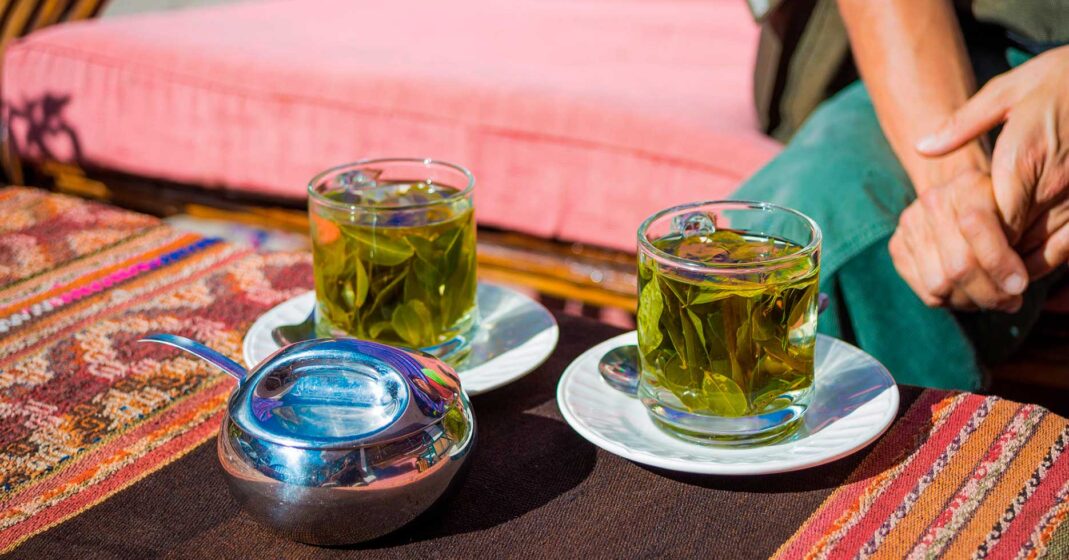
Begin your journey with light meals and plenty of coca tea, an ancestral remedy that truly works. Another smart strategy is to head down to the Sacred Valley immediately after arriving in Cusco, as the valley sits at a lower altitude, making it easier for the body to adapt. As your Cosmopolitan Host, I always recommend that you do not rush your trip. The luxury of having time to adapt is what will guarantee that you enjoy every kilometer of the treks in Peru.
Why choose private guided treks instead of large groups?
Choosing private guided treks offers the freedom to walk at your own pace, have the full attention of an expert guide, and enjoy quieter, more exclusive campsites. In a large group, you are subject to the majority’s schedule; in a private tour, the schedule is your wish.
If you want to know how to join a group trek in Peru, there are many options, but for the traveler seeking excellence, private service is the gold standard. Imagine arriving at your campsite and finding everything ready, with a warm towel waiting for you and a dinner that rivals the best restaurants in Lima. This is the essence of traveling with Peru Grand Travel.
Destination Data: Planning your Adventure
To enjoy the treks in Peru, preparation is the key to success.
Altitude and Acclimatization
Most treks exceed 4,000 meters.
- The Gold Rule: Spend at least 2 to 3 days in the city (Cusco or Huaraz) before you start hiking. Your body needs to produce more red blood cells.
Climate and Clothing | The Layering System
The weather changes in minutes. Scorching sun, freezing wind, rain.
| Item | Function | Tip |
| Trekking Boots | Support and grip | Must be broken in (not new!) |
| Base Layer | Sweat management | Merino wool is the best |
| Waterproof Jacket | Protection from rain/wind | Essential in the Andes |
| Walking Poles | Knee support | Rent them if you don’t want to bring your own |
| Sunscreen | UV Protection | High-altitude sun burns fast |
Frequently Asked Questions | FAQ
What is the best trek to Machu Picchu?
It depends on your profile. The Inca Trail is for history lovers. Salkantay is for those passionate about epic landscapes. Lares is for those seeking cultural immersion.
Which of the 7 Wonders of the World is in Peru?
Machu Picchu is the wonder that crowns most treks in the country, being a UNESCO World Heritage Site since 1983.
What is the best route for Machu Picchu, 2a or 2b?
Currently, the circuits in Machu Picchu have been updated. Circuit 2 (formerly 2a/2b) remains the most complete for classic photos and exploring the urban and agricultural areas.
Which trail leads to Machu Picchu?
There are several, but the main ones are the Inca Trail (Classic and Short), Salkantay, Lares, Inca Jungle, and the trek starting from Hidroelectrica.
What is the deadliest mountain in the world?
While Annapurna leads globally, in Peru, Yerupajá and Huascarán are the most challenging and require advanced mountaineering techniques.
Is it hard to breathe in Peru?
In high-altitude cities like Cusco, oxygen pressure is lower. You will feel fatigued more quickly, which is why acclimatization is fundamental.
Is the Inca Trail worth it?
Absolutely. It is a transformative experience that combines physical effort, spirituality, and a unique connection with the Inca civilization.
How many days are ideal to stay in Peru?
To enjoy the treks and the culture, we recommend between 10 to 14 days. This allows for acclimatization, your chosen trek, and a few rest days in luxury hotels.
Your Next Adventure Starts Here
The treks in Peru are invitations to rediscover what it means to be alive. Whether crossing snowy passes or toasting with a Pisco Sour under the starry Andean sky, every step is a story you will tell for decades.
At Peru Grand Travel, we don’t just organize treks; we design experiences that elevate the standard of tourism in my country. We are the hosts who ensure that your privilege of visiting Peru is experienced with the utmost warmth, safety, and sophistication.
Are you ready to walk among the clouds? For more inspiration, continue exploring our main guide on What to do in Peru 2026.
We invite you to explore our Peru packages. Your experience in Peru is just one step away. Contact us now and start living the unique adventure you’ve always dreamed of.
More information:
- Visit our English website: Peru Grand Travel
- Visit our Spanish website: Viajes Machu Picchu Tours
- Visit our Portuguese website: Machu Picchu Pacotes

Experiences

Machu Picchu Challenge 8D/7N
Cusco, Sacred Valley Humantay Lagoon, Rainbow Mountain & Machu Picchu.
View Tour
Colonial Lima and Sacred land of the Incas 7D/6N
Lima, Cusco, Sacred Valley & Machu Picchu.
View Tour