

Hello, my dear traveler. Imagine yourself walking along a pavement of stones polished by time, where the sound of your footsteps echoes against walls that guard the secrets of empires and colonies. The air is crisp, the sky a deep blue that only the Andes can provide, and every corner seems to whisper a legend. You are not just in a city; you are at the navel of the world. If you are planning what to do in Cusco, allow me to introduce one of the most charming and symbolic itineraries in the city: the legendary Seven Streets of Cusco.
Table of Contents
Here at Perú Grand Travel, we believe that traveling is a privilege that should be savored slowly. For this reason, forget the rush. Let us walk together through these alleys where Baroque meets Inca stonework, and where history manifests in every detail of the Seven Streets of Cusco.
What makes the Seven Streets of Cusco so special for your itinerary?
Many visitors pass through Cusco focused solely on the train to Machu Picchu, but the true connoisseur knows that the Peruvian essence lies in the urban details. The Seven Streets of Cusco form a collection of pathways whose names begin with the number seven—a cabalistic and sacred numeral for both Western and Andean cultures.

As you explore the Seven Streets of Cusco, you will feel the texture of the perfectly fitted stone walls, see carved wooden balconies that seem to float over the narrow streets, and find small cafés exuding the aroma of the finest Peruvian beans. It is a complete sensory experience. Including the Seven Streets of Cusco in your planning of what to do in Cusco ensures magazine-worthy photos and memories that warm the soul.
IMPORTANT FACT
The number seven was not chosen by chance during the Republican and Colonial eras. For the Incas, the rainbow (K’uychi) holds vital importance, and although they counted colors differently, the mystical influence of this number shaped the organization of several historical neighborhoods.
Why do the Seven Streets of Cusco fascinate global travelers?
We know that travelers from the UK, US, and Australia possess a natural appreciation for historical charm, artisan craftsmanship, and local lore. For our guests, the Seven Streets of Cusco represent the “Instagrammable” and charming heart of the city.
Unlike modern vertical metropolises, the architecture surrounding the Seven Streets of Cusco (especially near the San Blas neighborhood) is romantic and welcoming. We know that climbing slopes at an altitude of 3,400 meters (11,155 ft) is a far cry from a stroll along a flat coastal promenade, but the reward is both aesthetic and sensory. Every corner reveals small art galleries, artisans weaving alpaca blankets, and that unmistakable aroma of purple corn being boiled with spices for Chicha Morada.
It is the ideal place to don your best winter coat, pose beside millennial stones, and experience a luxury that money cannot buy: authenticity.
Where are the Seven Streets of Cusco located, and what are their legends?
The historic center houses this curious set of alleys that share the cabalistic number. If you stay in one of the magnificent luxury hotels in Cusco that we carefully select for our guests, you will be just a few minutes’ walk from these wonders.

Here is the itinerary of the Seven Streets of Cusco that you cannot miss:
- Calle Siete Culebras | Seven Snakes: One of the most beautiful and enigmatic. As you pass through it, stop and touch the stones. You will notice snakes carved in high relief into the Inca rock. The serpent (Amaru) was a sacred animal for the Incas, representing the underworld (Uku Pacha) and wisdom.
- Calle Siete Ventanas | Seven Windows: Located behind the Convent of San Agustín, this street used to feature exactly seven windows belonging to an old monastery before the city’s remodeling. Today, it is a perfect photographic corridor.
- Calle Siete Mascarones | Seven Masks: Its name comes from Don Gómez de Quiroz, a Spanish artisan who molded seven copper masks to decorate the door of his foundry. The street maintains an untouched colonial aura.
- Calle Siete Cuartones | Seven Beams: Named after seven large stone beams aligned over the Saphy River (which today runs channeled beneath the street). An excellent example of colonial engineering superimposed on nature.
- Calle Siete Diablitos | Seven Little Devils: Tucked away from the gaze of the main square, this narrow and winding street was the meeting point for lovers (clandestine or otherwise) in colonial times. It was said that the devil himself tempted them there.
- Calle Siete Angelitos | Seven Little Angels: To counter the reputation of the previous street, Blas de Bobadilla ordered seven angels to be painted on the roof of his house. The contrast between the stories of these two Seven Streets of Cusco is fascinating.
- Calle Siete Borreguitos | Seven Little Lambs: The most picturesque street, used in the past by Andean women coming down from the mountains with their sheep and llamas to wash clothes in the Tulumayo River. Today, it is a steep and beautiful path filled with flowers. If you are looking for that classic photo with a llama and colorful traditional attire, this is your street among the Seven Streets of Cusco. Recently revitalized, it offers an incredible view of the city and is the perfect example of how modernity respects tradition.
CURIOUS FACT!
Did you notice the repetition? For Western and Catholic culture, seven is the number of divine perfection (seven days of creation, seven sacraments). Following the Spanish conquest, the nomenclature of the Seven Streets of Cusco merged European numerology with the sacred geography of the Incas, creating a cultural syncretism unique in the world.
Why is the number 7 the secret behind Cusco’s history?
The history behind the Seven Streets of Cusco is a fascinating interplay between Spanish superstition and Inca cosmology. During the transition from the Empire to the colony, the new inhabitants of Cusco maintained the original street layout but renamed it with titles that evoked protection or specific local characteristics.
For example, in Siete Culebras (Seven Snakes), you can still find fourteen snakes carved into the Inca stones (seven on each side). In Siete Angelitos (Seven Little Angels), the owner of an old house commissioned the painting of seven angels to counter the bad reputation of the neighboring street, Siete Diablitos (Seven Little Devils). This duality between the sacred and the profane is what makes the Seven Streets of Cusco such a captivating destination. Understanding this history is essential for anyone looking for more than just photos on their list of what to do in Cusco.

CURIOUS FACT
In ancient times, Cusco was divided into two parts: Hanan Cusco (Upper) and Hurin Cusco (Lower). Utilizing groups of seven streets helped chroniclers and administrators organize the complex geography of the city, which was originally designed in the shape of a Puma.
How do climate and altitude influence your walk through the Seven Streets of Cusco?
The elegance of a traveler lies in their preparation. Exploring the Seven Streets of Cusco requires respecting the Andean environment. The mountain sun burns quickly, yet as soon as you turn a corner into the shadow of a narrow stone street, the cold wind embraces you immediately.
To understand exactly what to pack, we recommend reading our detailed analysis of the season and climate in Cusco. Below, we have prepared an executive table to guide your walk:
| Aspect of the Tour | Details and Recommendations |
| Average Altitude | 3,400 meters (approx. 11,155 feet) above sea level. |
| Typical Weather | Sunny mornings (18°C / 64°F), afternoons with cold winds (10°C / 50°F), and chilly nights (5°C / 41°F). |
| Ideal Clothing | Layering system: A light shirt, an alpaca wool sweater (which you can buy locally), and an elegant windbreaker jacket. |
| Footwear | Comfortable walking shoes or soft-soled leather boots (avoid high heels due to the uneven cobblestones). |
| Best Time | Between 8:30 AM and 10:30 AM (perfect light and fewer tourists) or at sunset. |
What else to explore after walking the Seven Streets of Cusco?
The Seven Streets of Cusco are the ideal starting point for deep cultural immersion. You can easily combine this walk with a visit to the 5 museums in Cusco located around the historic center. The Museum of Pre-Columbian Art (MAP), for instance, is just a few steps away from Siete Culebras.
If you are traveling on one of our commercial Peru packages, we usually reserve a free afternoon so you can get lost (and find yourself) among the Seven Streets of Cusco. And if night falls while you are exploring, don’t worry: the nightlife in Cusco comes to life in the hidden bars of these very alleys, where the Pisco Sour is served with true mastery.
ADVICE GRAND
Wear shoes with rubber soles and good grip. The stones of the Seven Streets of Cusco can be slippery, especially if a light hailstorm falls—a common occurrence during Andean afternoons. Style is important, but comfort will ensure you enjoy every yard of this history.
Frequently Asked Questions | FAQ
1. Do I need a guide to visit the Seven Streets of Cusco?
You can easily walk through the Seven Streets of Cusco on your own, but having one of our private guides transforms the experience. They will reveal hidden stone serpents and share architectural secrets that conventional guidebooks overlook.
2. Is walking through the Seven Streets of Cusco safe?
Extremely safe. Cusco’s historic center is well-patrolled and welcoming. However, as with any global tourist destination, we suggest keeping your belongings close to your body and avoiding very empty alleys in the late hours of the night.
3. Is it tiring to walk these streets?
Due to the altitude and the incline of some streets (like Siete Borreguitos), it can be physically demanding if you are not yet acclimated. The golden rule is: walk at the pace of the locals—short, steady steps without any rush.
4. How long does it take to see all seven?
A relaxed, contemplative walk with plenty of photo stops through the Seven Streets of Cusco takes between 1.5 to 2 hours. It is the perfect activity to fill your morning before a gourmet lunch.
Let History Guide Your Steps in 2026
My friend, traveling to the Andes is not just about visiting a place; it is about allowing yourself to be transformed by it. Touching the time-worn stones in the Seven Streets of Cusco is connecting with the resilience of an empire that refused to disappear. It is understood that the true luxury of a journey lies in the exclusivity of the memories you take back home.
🚨 ATTENTION: PREPARE FOR THE HIGH SEASON!
The world is rediscovering Peru, and spots for the most exclusive services are disappearing rapidly. If you wish to experience the mystery of Cusco’s alleys, the comfort of panoramic trains, and the splendor of a World Wonder without the anxiety of last-minute logistics, the time to act is now.
Imagine waking up to views of the Andes, walking guided by experts, and ending the day knowing that every detail of your trip was meticulously planned by those who understand excellence.
I invite you to discover our acclaimed Machu Picchu Classic – 5 Days package, where we integrate the vibrant urban culture of Cusco with the sacred grandeur of the Inca citadel, all tailored for your absolute comfort.
Looking to explore broader options? Dive into our complete portfolio of Peru Packages and allow Perú Grand Travel to be the host of the most unforgettable journey of your life. The gates of the Empire are open to you—secure your privilege today!

Experiences

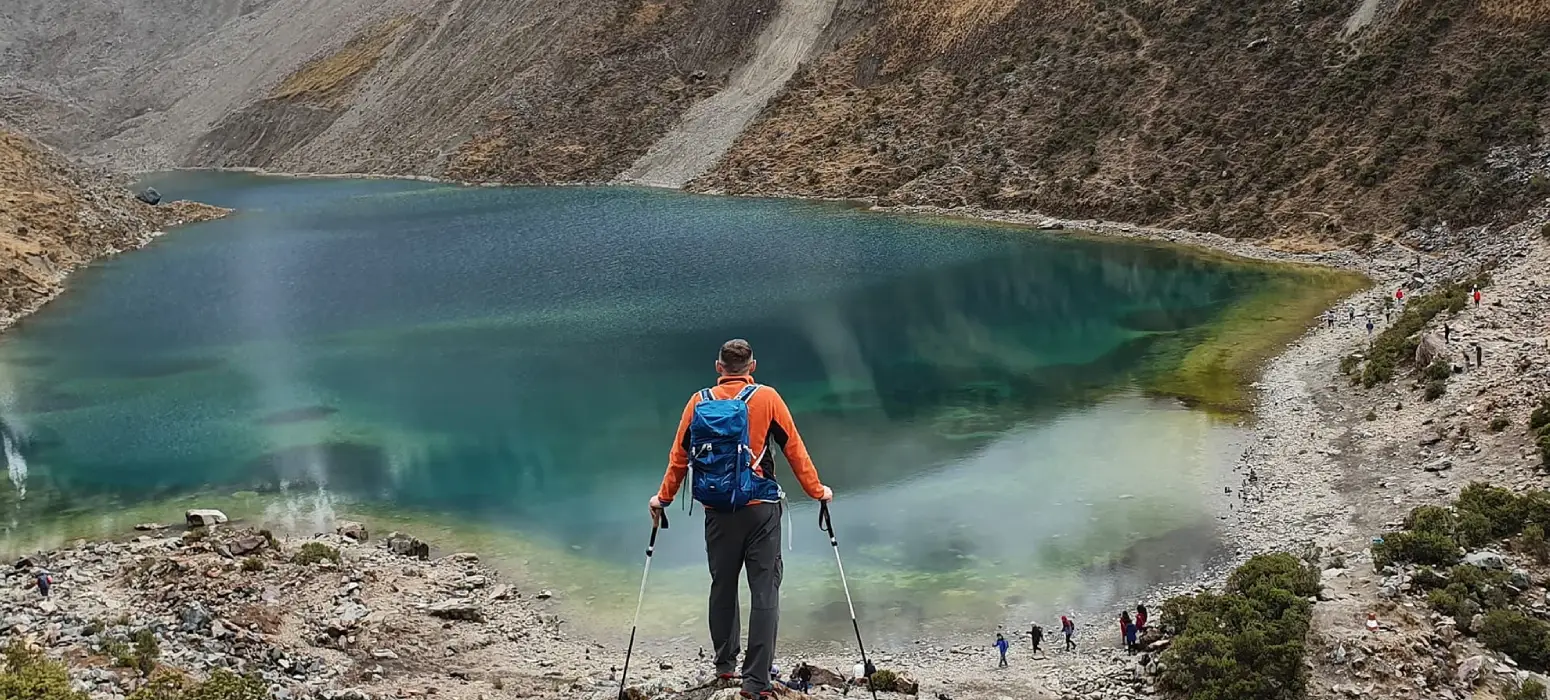
Machu Picchu Challenge 8D/7N
Cusco, Sacred Valley Humantay Lagoon, Rainbow Mountain & Machu Picchu.
View Tour
Colonial Lima and Sacred land of the Incas 7D/6N
Lima, Cusco, Sacred Valley & Machu Picchu.
View Tour



There are 2 comments
This article makes Cusco’s Seven Streets sound truly enchanting. I’m definitely adding it to my travel bucket list!
Cusco definitely has that superpower to make you fall in love with every corner! We are thrilled it’s on your bucket list. Do you have a date in mind for this adventure? Send us a DM and let’s start designing your dream trip! 🏔️✨