I remember the exact moment my boots touched the hand-woven fibers of the Q’eswachaka bridge. Below me, the Apurímac River roared through a jagged limestone canyon, its turquoise waters churning into white foam. As the structure swayed gently in the mountain breeze, I ran my hand along the thick, braided handrails made of local q’oya grass. The texture was rough, completely organic, and surprisingly solid. Standing there, suspended between two cliffs, I didn’t feel the cold distance of a historic monument; I felt the vibrant, breathing pulse of a living culture that has survived unchanged for over five centuries.
Table of Contents
When we design an unforgettable itinerary for you, picking the perfect places to visit in Cusco is essential. While Machu Picchu is the crown jewel, true luxury lies in experiencing the undiscovered. Today, as your Cosmopolitan Host, I invite you to explore the fascinating history, the incredible rebuilding festival, and the logistics of experiencing the Q’eswachaka bridge, famously known as the last Inca bridge.
What is the fascinating history behind the Q’eswachaka Inca bridge?
To truly appreciate the Q’eswachaka Inca bridge, we must understand the geography of the Inca Empire (Tawantinsuyu). The Incas built a massive road network called the Qhapaq Ñan, spanning over 24,000 miles across the Andes.
But how do you build roads in a land of deep canyons and raging rivers? The answer was suspension bridges. The Incas were master weavers. They took q’oya (a tough, local ichu grass), braided it into thick cords, and wove them into massive cables capable of supporting travelers, llamas, and armies.
When the Spanish conquistadors arrived, they were terrified of these swaying structures. Over the centuries, steel and concrete replaced almost all of them. However, hidden away in the Canas province, the Q’eswachaka bridge survived. It is not just a relic; it is a living tradition that connects the modern Andean people directly to their ancestors.
Why did the Incas make suspension bridges out of grass?
Our English-speaking guests often ask, why grass?
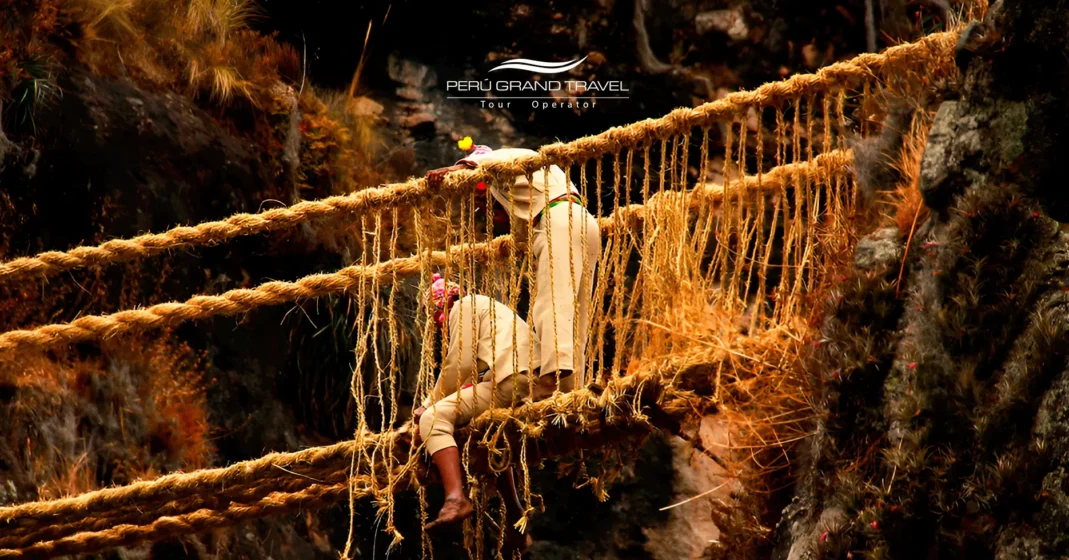
In the rugged Andes, transporting heavy stone or timber across massive canyons was logistically impossible. Grass, however, was abundant and incredibly strong when braided. The Q’eswachaka bridge design was an elegant, sustainable solution to extreme geography. It flexed with the fierce mountain winds and absorbed the shock of earthquakes far better than the rigid European bridges of the era.
FACT CURIOUS:
Did you know that the structural engineering of the Q’eswachaka bridge is so advanced that MIT (Massachusetts Institute of Technology) engineering students actually study its stress distribution? The braided grass cables are stronger, pound for pound, than many modern synthetic materials!
Why is Q’eswachaka the last Inca bridge still standing today?
To step onto the pathways leading to Q’eswachaka is to realize that the Incas did not just build with stone; they mastered the art of organic engineering. The Great Inca Road system, or Qhapaq Ñan, once relied on hundreds of these woven suspension bridges to connect the far corners of the empire. Over the centuries, warfare, neglect, and Spanish colonization destroyed every single one of them—except for the magnificent Q’eswachaka bridge.
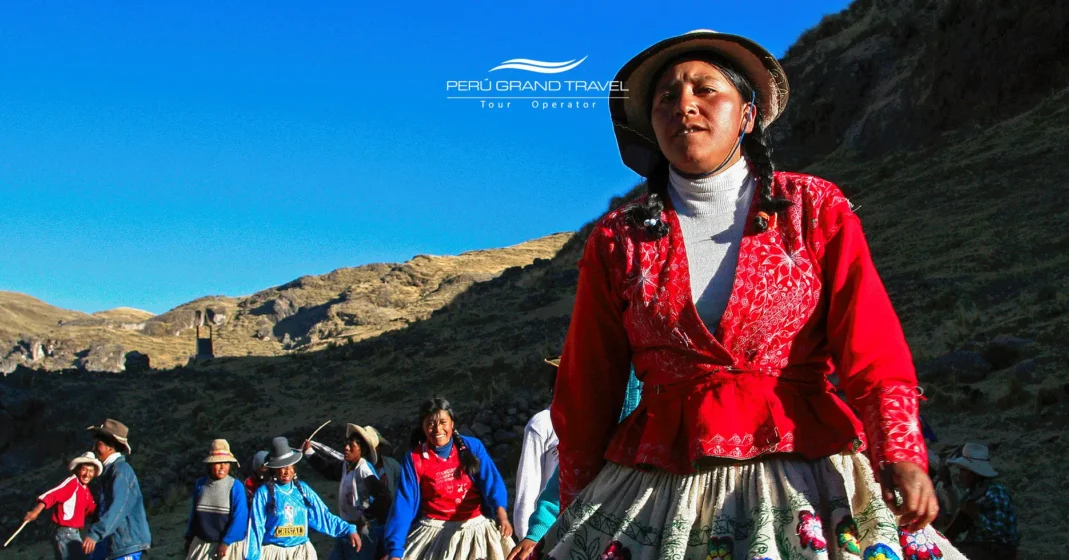
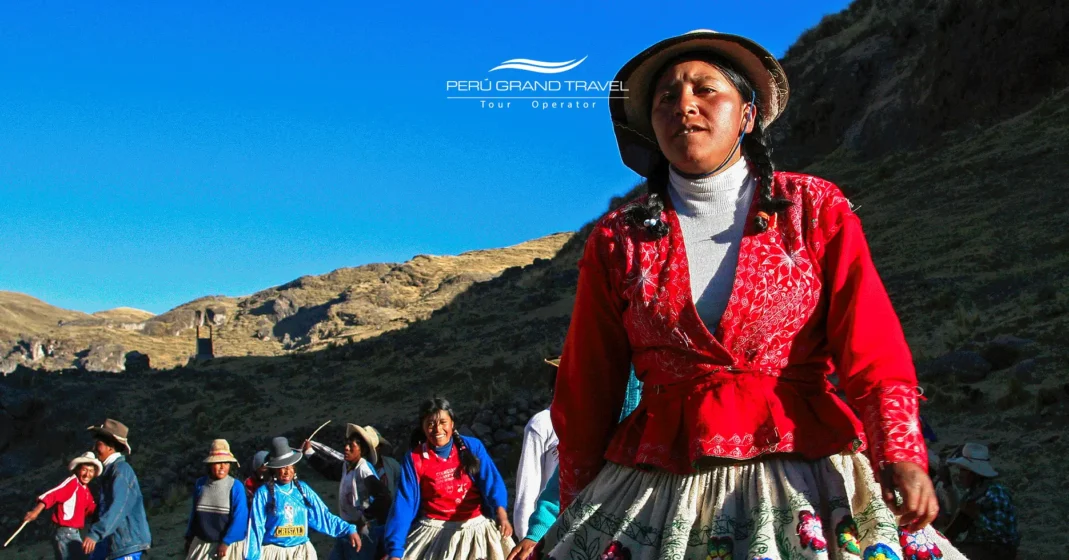
The reason Q’eswachaka survived isn’t due to luck or government intervention. It exists because of an unbreakable pact of ancestral heritage. Four local Quechua-speaking communities—Huinchiri, Chaupibanda, Choccayhua, and Ccollana Quehue—have kept the tradition alive.
Every year, they gather to cut down the old structure and weave an entirely new Q’eswachaka bridge from scratch. It is a stunning display of communal devotion, proving that cultural preservation can be stronger than the most durable granite.
How is the Q’eswachaka Bridge rebuilt during the annual festival?
Grass is strong, but it rots over time. The secret to the survival of the Q’eswachaka bridge is not the material, but the community.
Every year during the second week of June, four local Quechua communities gather for a spectacular four-day festival to rebuild the bridge. If you are planning your trip around our curated list of festivals in Peru 2026, this event is a must-see.
The process follows a beautiful, structured harmony:
- Day One: The communities collect and twist the long blades of q’oya grass into small cords, which are then braided into six massive master ropes that will form the floor and handrails of the new q’eswachaka Inca bridge.
- Day Two: The old bridge is intentionally cut, dropping silently into the rushing river currents below. The new main support ropes are stretched across the canyon and secured to massive, ancestral stone anchors on either cliffside.
- Day Three: Traditional bridge masters, known as Chakacamayoc, work from opposite ends of the gorge, meeting in the middle as they weave the intricate side walls and secure the floorboards made of small branches.
- Day Four: The completion of the Q’eswachaka Inca bridge is celebrated with an explosion of color, music, and traditional dances, thanking the mountain spirits (Apus) for protection.
Witnessing this festival is one of the most profound things to do in Peru. It is the ultimate display of Ayni (Incan reciprocity and community labor).
IMPORTANT FACT
Women are traditionally excluded from the actual weaving of the bridge over the canyon; by ancestral law, they remain on the upper cliffs braiding the smaller cords. The community believes this prevents bad luck or energetic imbalances during the delicate construction phase.
Where is the Q’eswachaka bridge located and how do I get there?
Exclusivity requires traveling off the beaten path. If you are searching for el puente Q’eswachaka ubicación, it is located in the Quehue district, within the Canas province, approximately 3.5 to 4 hours south of Cusco.
Because the roads leading to this remote canyon are winding and unpaved in sections, we strongly advise against driving yourself. When you book a Q’eswachaka bridge tour with Perú Grand Travel, we provide elegant, climate-controlled private SUVs with expert chauffeurs who know the Andean topography intimately. You will enjoy a smooth, scenic ride through high-altitude lagoons and rustic villages before arriving at the canyon.
Practical Guide: Altitude, Weather, and What to Wear
To ensure your experience at the Q’eswachaka bridge in Peru is flawless, you must respect the high-altitude environment. You are venturing high into the Andes, where the sun is intense, and the wind is sharp.
| Visitor Consideration | Q’eswachaka Bridge Details |
|---|---|
| Site Altitude | 12,139 feet (3,700 meters) above sea level. |
| Typical Weather | Sunny but brisk (50°F – 65°F / 10°C – 18°C), strong canyon wind |
| Required Clothing | Layered clothing: Breathable shirt, warm alpaca sweater, and an elegant windbreaker. |
| Footwear | Sturdy, flat walking shoes or hiking boots with excellent grip (essential for crossing the bridge). |
| Physical Effort | Moderate. Descending to the bridge involves steep stone steps. |
Travelers Ask: Is it safe to cross the Q’eswachaka bridge?
For our guests accustomed to steel suspension bridges, stepping onto a woven grass structure can seem daunting. I assure you, crossing the Q’eswachaka bridge is highly safe, provided you follow instructions.
The bridge is designed to hold the weight of dozens of people simultaneously, though out of respect for the structure, only a few tourists cross at a time. The sensation of the bridge gently swaying over the Apurimac River is thrilling. However, if you suffer from severe vertigo, you can absolutely enjoy the magnificent view of the Q’eswachaka, the last Inca bridge, from the solid stone viewing platforms on the canyon edge.
To elevate your experience, we highly recommend the private service. Having a private guide allows you to take your time crossing and capturing stunning photography without the pressure of large, noisy tour groups behind you.
Frequently Asked Questions | FAQ
To perfect your itinerary, here are the direct answers to the most common questions regarding the Q’eswachaka bridge:
1. Do I have to cross the Q’eswachaka bridge?
Not at all. While crossing is an exhilarating experience, simply viewing the bridge from the canyon rim and observing the incredible grass engineering is a deeply rewarding experience.
2. Can I visit the Q’eswachaka bridge year-round?
Yes, but the experience changes. If you visit in early June, you can witness the incredible rebuilding festival. If you visit between July and October, the golden grass of the new bridge contrasts beautifully with the blue sky.
3. What else can I combine with a Q’eswachaka bridge tour?
A private tour to the bridge pairs beautifully with a visit to the Four Lagoons (Pomacanchi, Acopia, Asnaqocha, and Pampamarca). It makes for a stunning, full-day scenic drive through the lesser-known, highly authentic heart of Andean tourism in Peru.
4. Is the site accessible during the rainy season?
Yes, but extra care must be taken. The stone steps leading down to Q’eswachaka, the last Inca bridge, can become slippery when wet. The surrounding landscape turns a vibrant, stunning emerald green during the rainy months.
5. How long does it take to get there from Cusco?
The drive to the Q’eswachaka bridge takes approximately three to three and a half hours each way, winding through magnificent highland scenery that makes the travel time fly by.
ADVICE GRAND
If you have a sensitive stomach or are prone to motion sickness, the winding mountain roads leading down into the Canas canyon can be challenging. I highly recommend taking a light breakfast and bringing natural ginger candies or acupressure bands to ensure your drive is completely smooth and comfortable.
Walk the Path of the Incas Before Time Runs Out
My friend, to cross the Q’eswachaka bridge is to step out of the modern world and directly into the living history of the Andes. It is a tactile, thrilling experience that connects you to the profound resilience of the Quechua people.
🚨URGENT NOTICE FOR 2026 TRAVELERS:
As travelers globally seek more authentic, off-the-beaten-path experiences, demand for private excursions to the Q’eswachaka bridge is rising rapidly. The window for the spectacular June rebuilding festival books out almost a year in advance.
Do not leave your cultural exploration to the masses. You deserve the exclusivity of a private SUV, the knowledge of an elite guide, and a journey completely free from logistical friction.
Explore our exclusive commercial travel packages today. Let the Cosmopolitan Host curate a flawless itinerary for you, seamlessly blending a private crossing of the last Inca bridge with luxury accommodations in Cusco. The ancient grass cables are waiting to hold your weight—reserve your privileged journey before our 2026 calendar closes!

Experiences

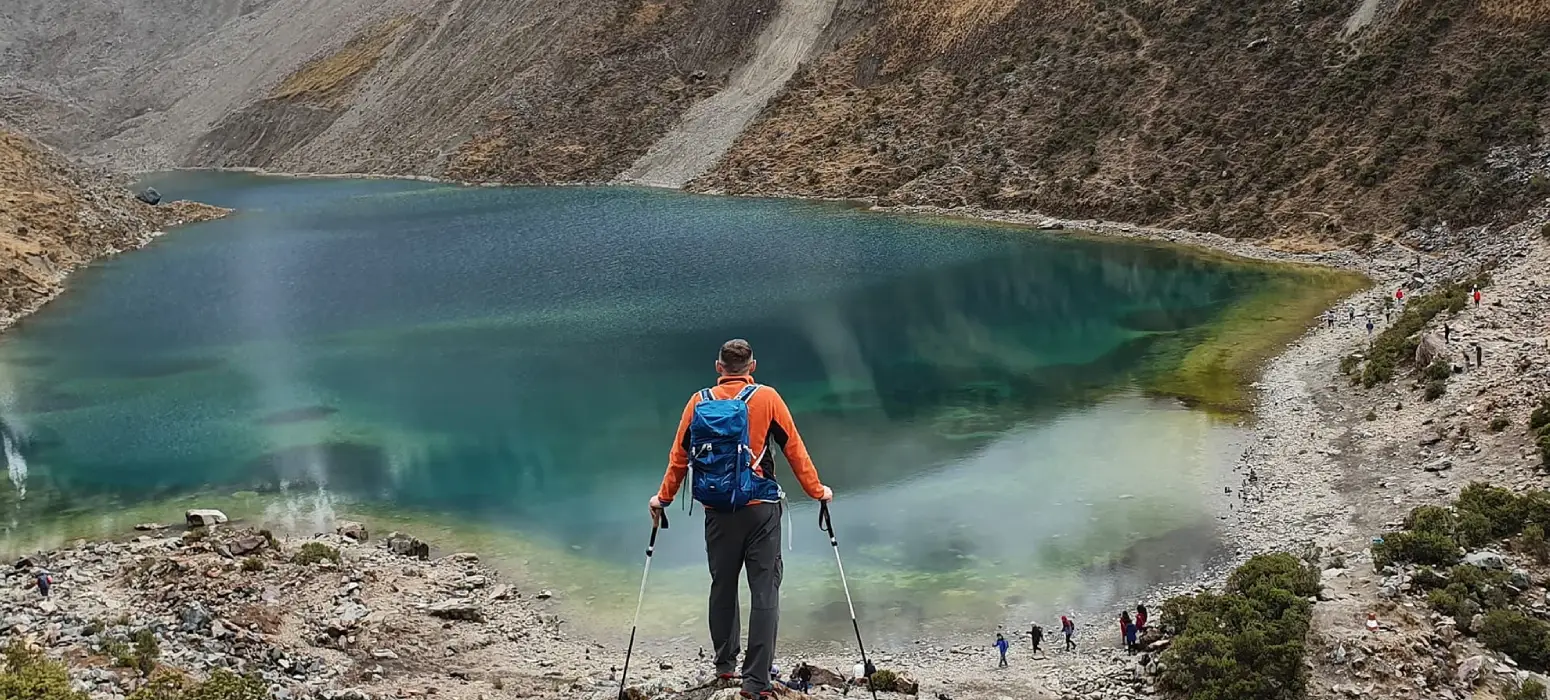
Machu Picchu Challenge 8D/7N
Cusco, Sacred Valley Humantay Lagoon, Rainbow Mountain & Machu Picchu.
View Tour
Colonial Lima and Sacred land of the Incas 7D/6N
Lima, Cusco, Sacred Valley & Machu Picchu.
View Tour