

Peru’s Amazon is one of the best regions of the Amazon Rainforest to visit. With the second highest number of square Kilometres of rainforest after Brazil, the Peruvian Amazon boasts many unique features. It is home to the most clay licks in South America, offering excellent opportunities to spot an incredible variety of bird species. Along with Ecuador, Peru’s rainforest is located in western Amazonia, which is abundant with the most wildlife species. This is due to the nearby Andean Mountains. Bearing all these things in mind, the Peruvian rainforest is a fascinating and incredible place to visit. These ancient forests are home to several Indigenous communities, who rely completely on this land to survive. The local benefits are obvious, but the Peruvian Amazon is also integral to the global fight against climate change as one of our planet’s most important carbon sources, giving us oxygen to breathe. You can enjoy spectacular scenery, luxurious eco-lodges, and diverse wildlife.
Table of Contents
Alternatively, you can cruise remote Amazonian rivers, make friends with local communities, swim with pink river dolphins, and walk underneath the tree canopy to spot unique bird species, tropical rainforest insects, sleepy sloths, and monkeys as far as the eye can see. So, if nature is your thing, the Peruvian Amazon simply has to be on your bucket list!
Let’s explore the two main Amazon regions of Peru!
First of all, one of the most important things is how to get to the Amazon Rainforest Peru.
There are two main entrance points for your entrance into the depths of the Peruvian Amazon. First, there is Iquitos in the north of Peru, and then second, there is Puerto Maldonado in the south of the country. Iquitos is closest to the magnificent Amazon River and the border with Brazil. Iquitos is the best option if you are looking to do an Amazon River cruise. Puerto Maldonado provides access to the incredible Tambopata National Reserve and Manu National Park. This is a tributary of the Amazon River and heads toward the Bolivian Amazon.
The Tambopata National Reserve Peru
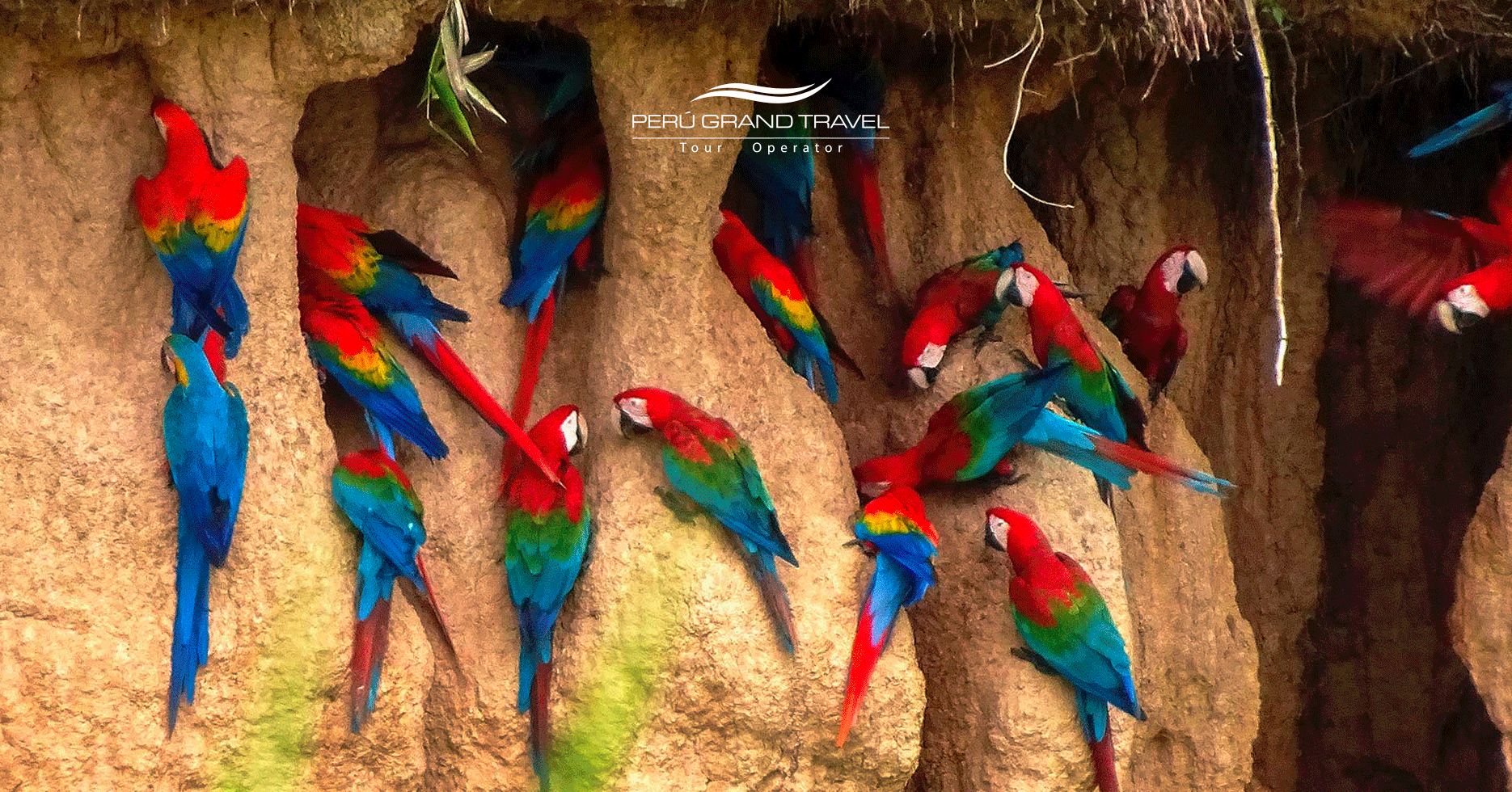
The southern Peruvian Amazon offers the most clay licks anywhere in South America. On your tour through southern Peru, the Amazon rainforest can be entered from Peru’s gateway town of Puerto Maldonado in Madre de Dios. From here, you can enjoy visiting the clay licks to see hundreds of brightly-coloured endemic birds. The parrots and macaws visit these areas to eat clay.
This is thought to provide necessary mineral salts that help neutralize toxins found in the birds’ diet of unripe fruits and seeds. You can visit these clay licks from one of the many Madre de Dios Lodges in the Tambopata, Peru, region, which offer guided tours to Tambopata’s best clay licks. We recommend The Tambopata Research Centre and Refugio Amazonas Lodge amongst other more luxurious Amazon jungle lodges in Peru. Ask us here for more information about the different lodges available. In addition to the clay licks found in the Peruvian Amazon, you can also find spectacular oxbow lakes offering refuge to lake-living wildlife. Some of these are even home to the magnificent endangered giant river otter.
We recommend Puerto Maldonado if you are looking for a lodge -based experience in the jungle. The eco-lodges of the Madre de Dios region are located right inside the rainforest, allowing for spectacular opportunities for wildlife viewing.
Iquitos
In the north of Peru, you will find Iquitos. This is where you can enjoy impressive luxury river cruises to enjoy the Amazon aboard a cruise ship. There are also jungle lodges for guided expeditions of the Iquitos rainforest. If you’re interested in a Luxury Amazon River cruise, then Iquitos will be your best option, as there are different luxury cruises that depart from the Iquitos port. As the largest destination in the Amazon, the city offers a unique look at “city life” amidst the rainforest. Wander through wild markets selling exotic fruits and herbal drinks claimed to deliver all sorts of effects. Dine at innovative restaurants in old colonial buildings that sit on the water’s edge, where the man-made jungle meets the untameable natural one.
We recommend Iquitos if you want to explore the Amazon by boat. It is also the section of the Amazon to visit, if you want to see the pink dolphins that live in this region of the Amazon or appreciate the Amazon River’s width. Plus, if you are interested in a natural phenomenon of genuinely unique proportions, you can witness the parting of the rivers in Pacaya Samiria, a sight to behold!
An In-Depth Look at Tambopata Peru
The Peruvian Amazon Experience in Puerto Maldonado
Puerto Maldonado is not about luxury as we know it. The true luxury here is waking up surrounded by untouched nature and wildlife. It is the silence of the jungle at dawn before the forest erupts with life. It is watching giant river otters glide through an oxbow lake or standing quietly as colorful parrots gather at clay licks along the riverbanks.
Most travelers spend between two and four nights at an Amazon jungle lodge Peru exploring the jungle with local guides who know every sound, trail, and hidden corner of the forest. Days are generally packed with boat rides, canopy walks, visits to claylicks, jungle hikes, wildlife spotting, and nighttime excursions when the rainforest changes into an after-dark world. The jungle feels mysterious and alive in a completely different way.
One of the most rewarding aspects of visiting Puerto Maldonado is how immersive the experience feels. You are not simply observing nature from a distance — you become part of it. You cross rivers in narrow boats, walk muddy jungle trails beneath enormous ceiba trees, and listen to the forest breathe around you.
Wildlife Opportunities in Tambopata
The Tambopata region is considered one of the most biodiverse places on the planet. The sheer variety of life here is astonishing. When you are hiking in the Amazon rainforest, you can witness bright blue-and-yellow macaws fly across the sky, squirrel monkeys leap through the canopy, and capybaras lounge along the riverbanks like oversized jungle guinea pigs.
For bird lovers especially, Tambopata is a twitcher’s paradise. The famous clay licks attract huge numbers of parrots and macaws, creating one of the Amazon’s most spectacular natural displays. Watching hundreds of brilliantly colored birds gather at sunrise is an experience few travelers ever forget.
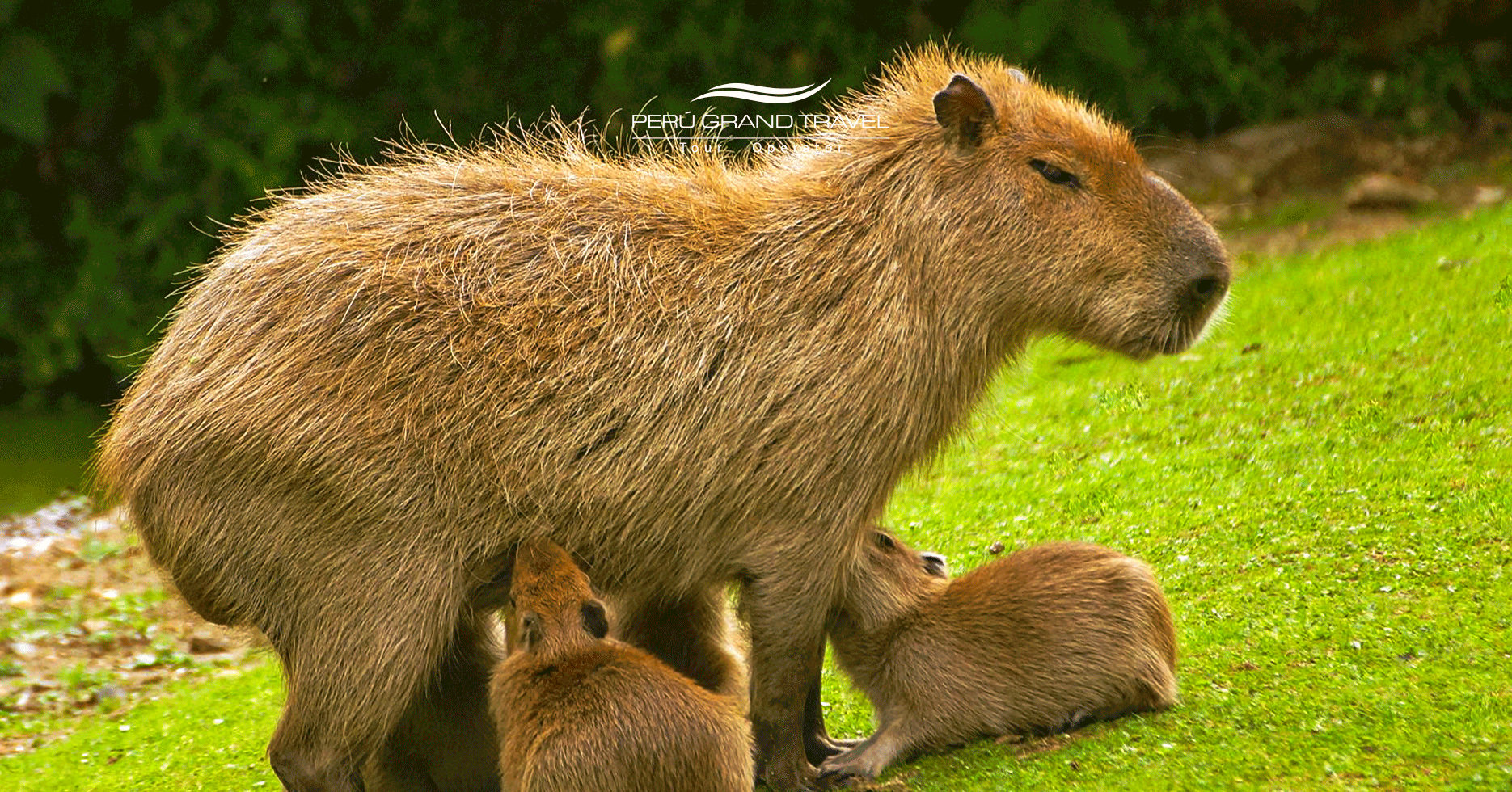
If you are lucky enough, you may just spot giant otters swimming through oxbow lakes or caimans basking near the water’s edge. Sloths cling motionless to tree branches while toucans and parrots provide flashes of colour against the deep green rainforest. Then, don’t be scared when a giant capybara comes up close and personal!
Tambopata National Reserve Peru
The crown jewel of the region and why many travellers visit the southern Amazon is the Tambopata National Reserve. This is a vast protected section of the Peruvian rainforest covering more than 275,000 hectares of jungle. This reserve protects an incredible range of ecosystems, from dense primary forest to oxbow lakes and wetlands brimming with wildlife.
The reserve is, of course, important for conservation; however, it also plays a vital role in supporting sustainable tourism and local communities. Many lodges in the region operate with strong ecological philosophies, helping to reduce the environmental impact while creating jobs and protecting the rainforest for the future. Traveling responsibly in the Amazon is really important. The rainforest is fragile, and conservation efforts are increasingly important as deforestation and mining continue to threaten these regions. Choosing ethical lodges and responsible operators like Peru Grand Travel helps support long-term protection of this extraordinary environment.
An In-Depth Look at Iquitos and the Northern Amazon
There is so much to see and do in the jungle city of Iquitos! Including the local floating market at Belén.
You can sail to Isla de los Monos for fun with its host of monkeys. Swim with Pink dolphins. Wander the city to see the architectural legacy of the early 20th-century rubber boom. Visit museums or book a tour to learn more about indigenous Amazonian cultures.
The Amazon here has a warm, tropical climate with high humidity. Rainfall occurs throughout the year. Seasons in northern Peru’s Amazon Basin are divided between months with high water and low water. The water level of the rivers fluctuates as much as 12 meters (40 feet), resulting from the rain and snowmelt that flows down from the eastern slopes of the Andes Mountains, which form the backbone of the country.
High Water Season
This runs from December to May, and the daily temperatures average around 30°C (86°F)
Low Water Season
This is from June to November. The daily temperatures average around 37°C (98°F). This is slightly warmer than the high-water months.
Why You Should Visit The Amazon River
The Amazon River, or Rio Amazonas, is the second longest river in the world. The river and its tributaries wind through dense tropical jungle in Peru, Brazil, Bolivia, Ecuador, and Colombia. From the city of Iquitos, travelers can take a luxurious cruise on the mighty Amazon River, which flows across northern Peru, or stay at a jungle lodge along its banks. Water activities include wildlife spotting from a canoe, swimming with pink river dolphins, paddle boarding, and even piranha fishing. Then there are natural wonders such as the parting of the waters at Pacaya Samiria, Peru. The “Parting of the Waters” refers to the iconic confluence where the Ucayali and Marañón rivers meet to form the majestic Amazon River.
Enjoy An Amazon Cruise
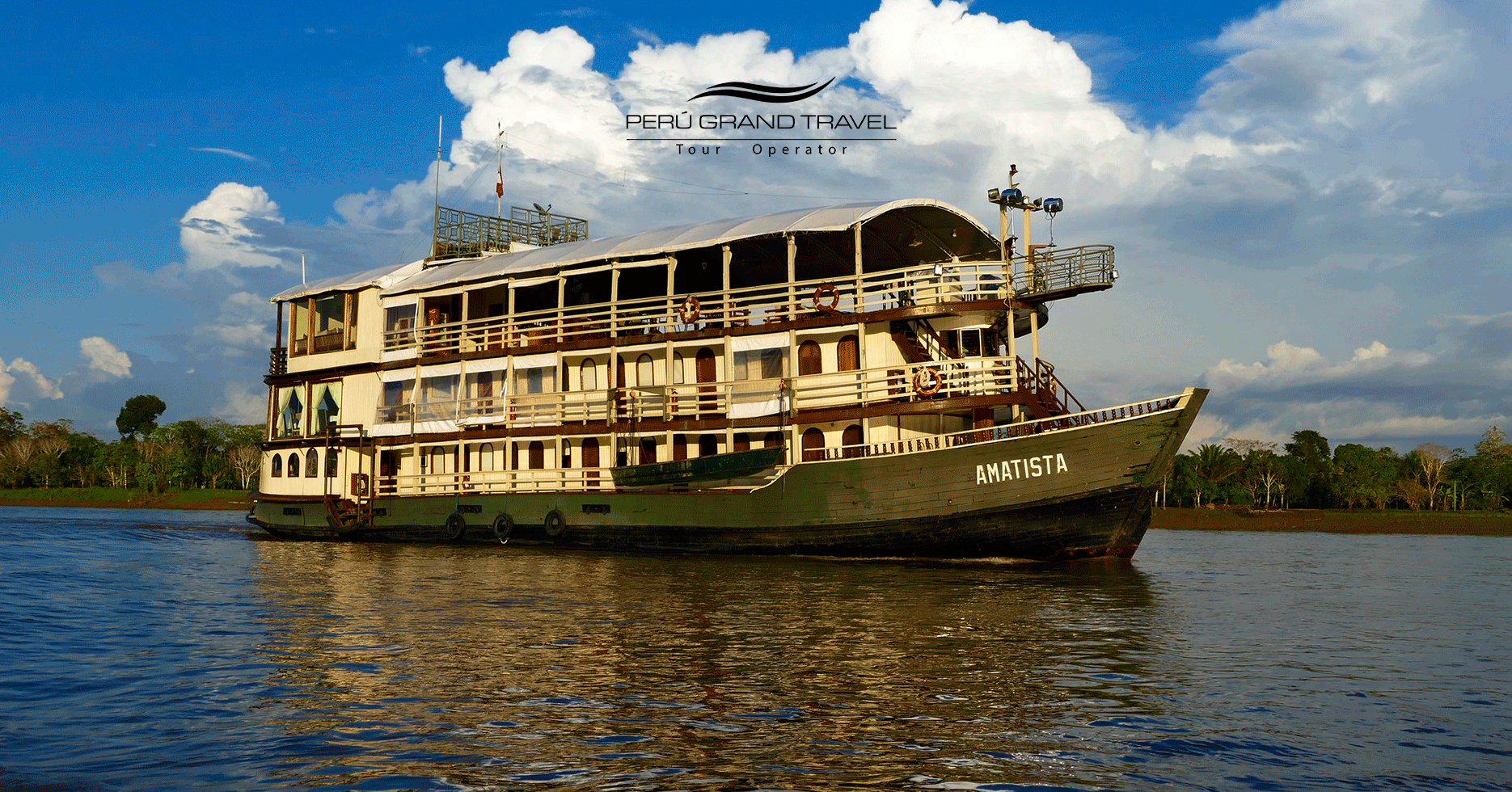
Amazon cruises, unfortunately, are more expensive than a jungle lodge stay, but the additional cost comes with some incredible perks, such as luxury facilities and endless rainforest and river vistas from your private cabin. If a luxurious Amazon River cruise sounds like your cup of tea, contact us here!
The Best Time to Visit the Peruvian Rainforest
There is never really a bad time to visit the Peruvian rainforest, as the Amazon is alive all year round.
However, the experience changes dramatically depending on the season. The best time to go depends on what kind of adventure you are looking for.
The Peruvian Amazon has two main seasons: The dry season and the wet season. Both offer incredible wildlife, lush scenery, and unforgettable jungle experiences, but each comes with its own advantages.
Dry Season (May to October)
For many travelers, this is considered the best time to visit the Peruvian rainforest. The days are generally sunny, jungle trails are easier to hike, and riverbanks become more accessible for wildlife viewing.
This is also one of the best times of the year for visiting clay licks in regions like Tambopata, where macaws and parrots gather in huge numbers along exposed riverbanks. Jungle walks also tend to be less muddy, making trekking and tree canopy excursions easier to hike.
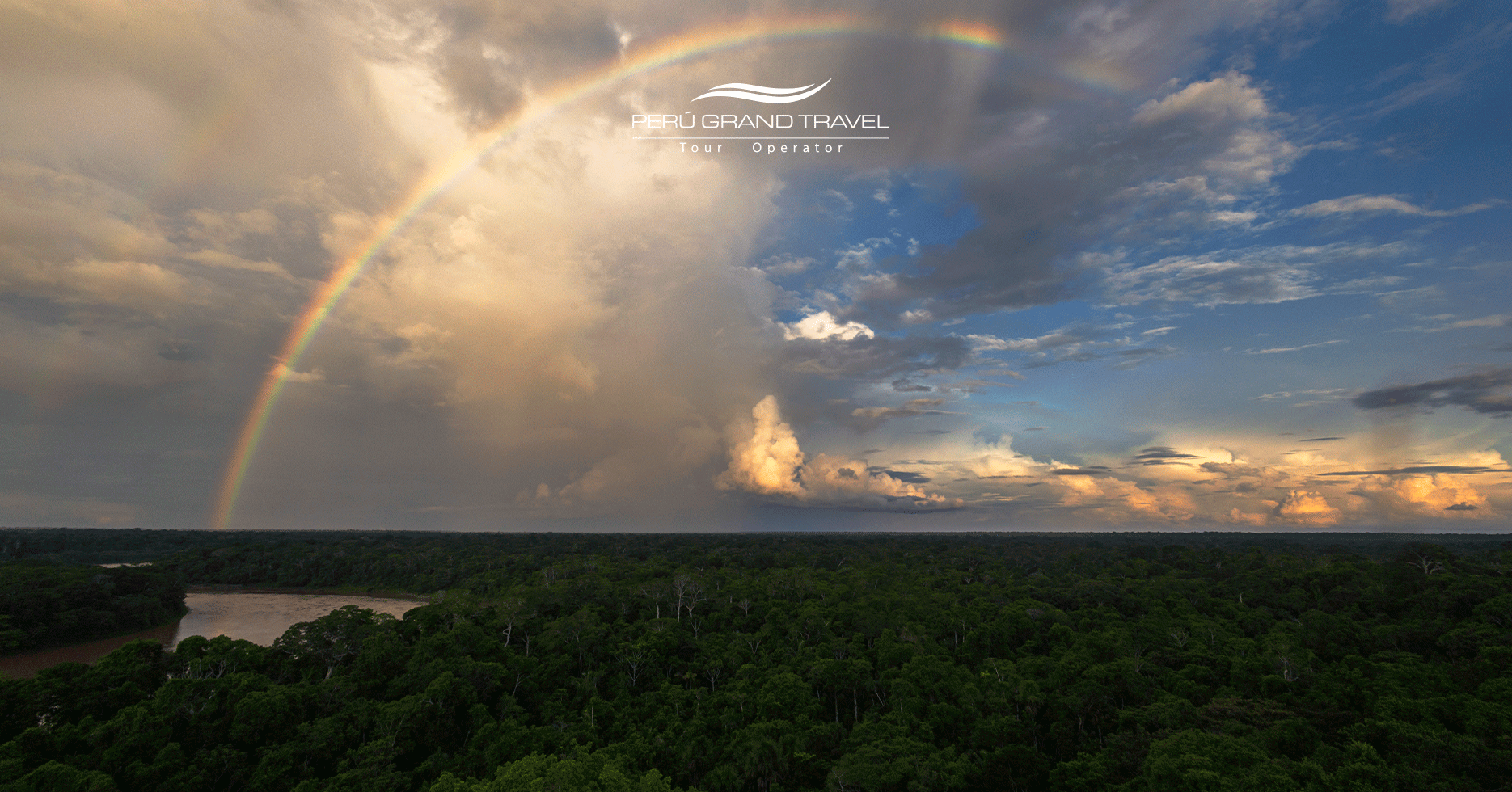
However, “dry” in the Amazon doesn’t actually mean completely rain-free. Short tropical showers can still happen at any given time…. So expect the unexpected!
One unique feature, especially in the southern Peruvian Amazon during this season, is the arrival of friajes. These are cold fronts that sweep up from Patagonia between June and September. Temperatures
can suddenly drop to around 10°C (50°F) for a couple of days, which feels surprisingly cold in the jungle due to the humidity.
The Ultimate Guide to Peruvian Amazon Travel
Packing List
For a jungle tour, it is important to pack light and bring only the necessary equipment and clothing. Space on the riverboat to your lodge is limited.
Clothing
- Shirts and pants made of light, breathable material
- Long trousers and loose shirts to keep insects off (made of light, quick-dry material)
- Swimsuit
- comfortable loose clothing for the lodge
Footwear
Comfortable, closed walking shoes. Muddy rainforest trails make sandals impractical. Plus leave those heels at home, ladies!
Raingear
Water-resistant shoes (especially during the wet season)
Rain Poncho
Important items.
- Insect repellant
- Sun protection (hat, sunblock, sunglasses)
- Reusable water bottle
- Chargers and battery packs (electricity can be sporadic)
- Camera
- Cellphone. You won’t have service at your lodge, but good to have at the airport and for photos if you don’t have a camera.
Documents and Other Important Items
- Passport
- Local currency for small purchases and tips
- Your itinerary
- Head lamp (and extra batteries, just in case).
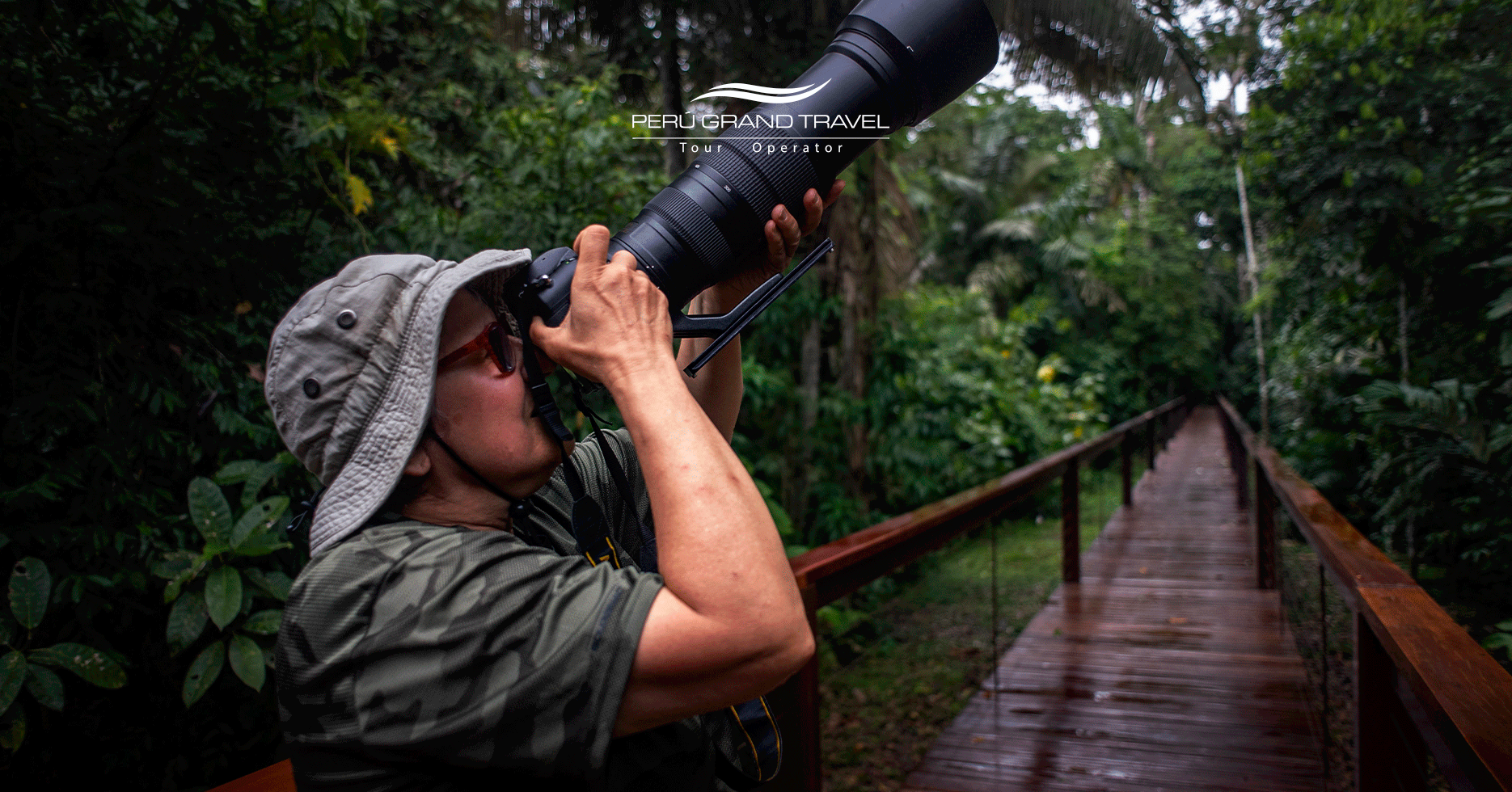
- Water-resistant binoculars are an added plus.
Wifi Access
Not all jungle lodges have WiFi, so if this is a necessity for you, you may want to check with your travel advisor or directly with the lodge before traveling. However, even if WiFi is available, it is usually sporadic and slow. A visit to the Amazon is more of an “off-the-grid” kind of experience. So keep your loved ones in the know; simply inform them of which days you’ll be in the jungle and alert them to the possibility that you will have little to no service.
Safety Tips
Most of your free time will be in the comfort of the grounds of your lodge. If out on an excursion, be sure not to wander off but rather to stay with the group. It is best not to venture off into the rainforest
alone at night, as it is a jungle with the potential of confronting many different wild animals and even tropical rainforest insects. Make sure you have a reusable water bottle with you for day excursions and hikes.
Vaccines
For travel to tropical forest regions, the US Travel Advisory recommends malaria medication and the yellow fever vaccine. Talk with your doctor before a trip to the Amazon in Peru to discuss the best option for you.
Mosquitos
Protect yourself from insect bites by wearing loose-fitting long shirts and pants. Apply copious insect
repellant. At night, use the mosquito nets.
Getting to your lodge
Most jungle lodges are only accessible by river transport. In Iquitos and Puerto Maldonado, lodge staff
will greet you at the airport and then accompany you all the way to the lodge. River boats are open-air with a covering, in the case of rain.
FAQs
1. Why visit the Peruvian Amazon?
The Peruvian Amazon offers incredible biodiversity, wildlife encounters, Indigenous cultures, jungle lodges, river expeditions, and opportunities to explore one of the most important ecosystems on Earth.
2. What is the best part of the Peruvian Amazon to visit?
This depends on your interests. Puerto Maldonado is known for wildlife and accessibility, while Iquitos offers deeper rainforest experiences and Amazon River cruises.
3. Is the Peruvian Amazon worth visiting?
Yes. The Peruvian Amazon is one of the most biodiverse places in the world and provides a completely different experience from the Andes, Machu Picchu, or Peru’s coastline.
4. What animals can I see in the Peruvian Amazon?
Visitors may see monkeys, macaws, parrots, caimans, giant river otters, capybaras, sloths, pink river dolphins, and hundreds of bird species.
5. Can I see jaguars in the Peruvian Amazon?
Jaguar sightings are rare but possible, particularly in remote protected areas such as Manu National Park.
6. Are there snakes in the Amazon rainforest?
Yes. Several snake species live in the Amazon, though encounters are uncommon and guides are trained to ensure visitor safety.
7. What is a clay lick?
A clay lick is a natural riverbank where parrots, macaws, and other wildlife gather to consume mineral-rich clay.
8. What makes the Peruvian Amazon so biodiverse?
Its varied habitats, warm climate, abundant rainfall, and extensive river systems support thousands of plant and animal species.
9. When is the best time to visit the Peruvian Amazon?
The Amazon can be visited year-round. The dry season (May to October) generally offers easier hiking, while the wet season (November to April) allows greater access by boat to flooded forests.
10. How many days should I spend in the Peruvian Amazon?
Most visitors spend 3 to 5 days in a jungle lodge, although longer stays provide more opportunities for wildlife viewing.
11. How do I get to the Peruvian Amazon?
The main gateways are Puerto Maldonado and Iquitos, both accessible by domestic flights from Lima and other major Peruvian cities.
12. Can I visit the Amazon as part of a Peru itinerary?
Yes. Many travelers combine the Amazon with Cusco, Machu Picchu, the Sacred Valley, Lake Titicaca, or Arequipa.
13. What types of accommodation are available in the Peruvian Amazon?
Options range from basic eco-lodges to luxury rainforest lodges and multi-day Amazon River cruises.
14. Are Amazon lodges comfortable?
Most lodges offer private rooms, mosquito protection, dining facilities, and guided excursions. Comfort levels vary depending on the lodge category.
15. Is electricity available in Amazon lodges?
Many lodges have electricity during specific hours, often generated by solar power or generators.
16. Is the Peruvian Amazon safe for tourists?
Yes. Traveling with reputable guides and lodges is generally safe, and organized tours follow established safety procedures.
17. Do I need vaccinations before visiting the Amazon?
Travelers should consult their healthcare provider before travel. Recommendations may include routine vaccinations and, in some cases, yellow fever vaccination.
18. Is malaria a concern in the Peruvian Amazon?
Risk levels vary by region. Consult a travel health professional for the latest advice before your trip.
19. Are mosquitoes a problem?
Mosquitoes are present throughout the rainforest. Long sleeves, long trousers, and insect repellent are recommended.
20. What activities can I do in the Peruvian Amazon?
Popular activities include wildlife watching, canoe excursions, jungle hikes, birdwatching, night walks, fishing, and visits to Indigenous communities.
Happy Jungling!

Experiences

Machu Picchu Challenge 8D/7N
Cusco, Sacred Valley Humantay Lagoon, Rainbow Mountain & Machu Picchu.
View Tour
Colonial Lima and Sacred land of the Incas 7D/6N
Lima, Cusco, Sacred Valley & Machu Picchu.
View Tour


