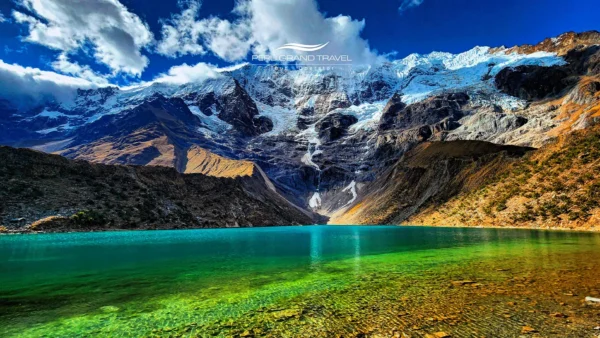
I remember perfectly the first night I walked the cobblestone streets of Cusco, under a moonlight that illuminated the perfectly fitted Inca walls. The cold mountain air, at around 11,150 feet, carried an intoxicating aroma of burning wood and spices I couldn’t yet identify. Sitting in a restaurant with high ceilings and polished wooden beams, I felt the warmth of a freshly prepared Lomo Saltado. It was then that I understood: food in Cusco is not just nutrition; it is a ritual of history and sophistication.
Table of Contents
As your host, I have traversed the alleys of San Blas and the city’s luxurious plazas hundreds of times. I know where the service is impeccable and where the flavor spans generations. Andean gastronomy is a privilege that few fully comprehend. If you seek the true essence of Peruvian food, Cusco is your ultimate sensory laboratory.
In this guide, I will take you on a journey that goes beyond the obvious. We will discover why Cusco’s palate is so unique and how you can organize your trip so that every meal becomes an indelible memory. Take a seat at the table. The Andean banquet is about to begin.
Why should you try the food in Cusco? | The Alchemy of Altitude
Food in Cusco is unlike anything you will experience in Lima or on the coast. Here, at 3,400 meters above sea level, the climate and the land dictate the rules. The short answer to “why try it?” is simple: because this is where native ingredients are grown to perfection.
- The Land of a Thousand Flavors: We are in the cradle of native potatoes (we have thousands of varieties!), the giant corn of the Sacred Valley, and potent aromatic herbs like huacatay and muña.
- Andean Comfort: The altitude demands dishes that warm both body and soul. Food in Cusco is often roasted, slow-cooked in clay pots, or prepared directly in the earth (like the famous Pachamanca).
- The Fusion: Cusco is cosmopolitan. Chefs from all over the world come here to combine French or Italian techniques with raw Inca ingredients. The result is the best food in Cusco.
To understand how these dishes fit into the country’s grand culinary mosaic, be sure to read our article on authentic, typical dishes of Peru.
DID YOU KNOW?
Water boils at a lower temperature (about 89°C / 192°F) due to Cusco’s atmospheric pressure. This means local chefs had to adapt all cooking techniques, especially for pasta and bread, making Andean baking an exact science!
Where to Eat in Cusco: The Host’s Curation
The question “where to eat in Cusco?” has infinite answers, but the discerning traveler needs filters. From luxury dining to bohemian corners, I have selected the best.
The Top 15 for an Unforgettable Night | Best Restaurants in Cusco: Food and Wine
For those seeking the perfect fusion of ambiance, wine cellar, and the best food in Cusco:
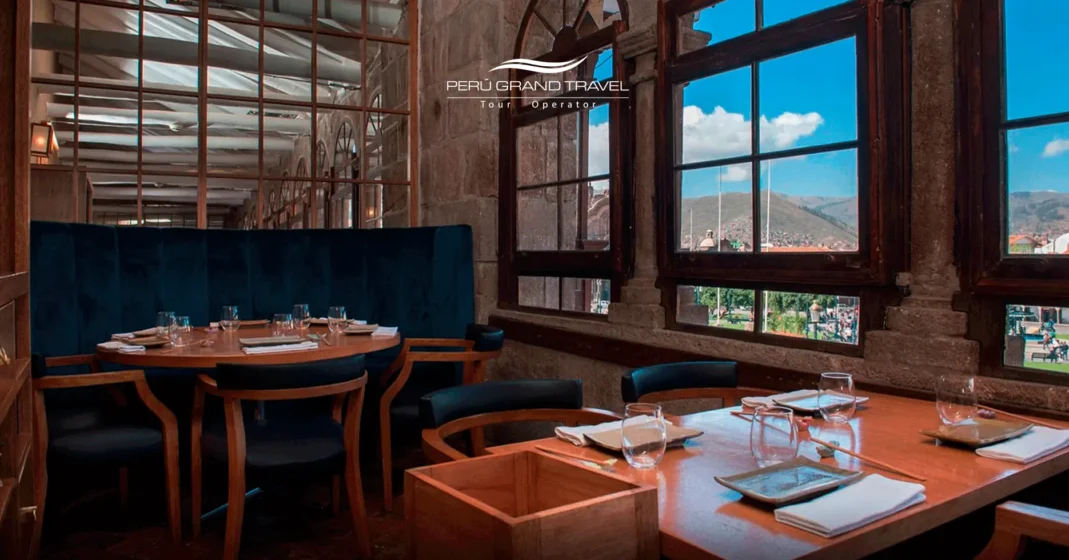
- Cicciolina: Located on the second floor of an old mansion. Creaky wooden floors, garlic hanging from the ceiling, and an incredibly warm atmosphere. The alpaca ossobuco is sublime. It’s ideal for tapas and a glass of wine after a day exploring the Sacred Valley.
- MAP Café: Located in the courtyard of the Pre-Columbian Art Museum, it offers a modern glass setting surrounded by Baroque history. It is pure sophistication under the stars. Dining in a glass cube surrounded by history is the definition of chic.
- Chicha by Gastón Acurio: The love letter from Peru’s most famous chef to the city of Cusco. Try the “Causa Cusqueña.” Located on a second floor overlooking Plaza Regocijo, Chicha is a tribute to regional culture. It’s the perfect place to understand authentic Peruvian food in Cusco. The Adobo Cusqueño here is elevated to an art form.
- Morena Peruvian Kitchen: Vibrant, modern, and excellent for photography. Their reinterpretations of traditional food in Cusco, Peru are brilliant.
- Pachapapa: In the heart of the San Blas neighborhood. Ask to sit in the courtyard near the heaters and try the wood-fired roasts. The inner patio with a central fireplace is the setting of dreams. Try the Cuy (guinea pig) roasted in the clay oven, a delicacy that demands both respect and curiosity.
- Limo: Excellent focus on Nikkei cuisine (Peruvian-Japanese fusion) with Andean ingredients.
- Uchu Peruvian Steakhouse: For meat lovers. They serve alpaca cuts and beef on hot volcanic stones directly at your table.
- Organika: Perfect for those seeking lighter options with ingredients coming directly from the Sacred Valley. Here, the philosophy is “farm to table.” Edible flowers and organic vegetables make food in Cusco a light and healthy experience.
- Kion: Chifa (Peruvian-Chinese) cuisine taken to another level. The Arroz Chaufa here is unforgettable.
- Limbus Resto Bar: Known for the best view of Cusco, ideal for cocktails and appetizers as the city lights up.
- Calle del Medio: Elegant, cosmopolitan, and featuring one of the city’s best Pisco bars. The view of the Plaza de Armas is the perfect accompaniment.
- Greens Organic: Located just steps from the main square, it’s the perfect refuge for a revitalizing lunch with local ingredients.
- Inka Grill: A pioneer in the square, maintaining the consistency and quality that made it a landmark for travelers.
- Cusqueñísima: Chef Marina Castelo offers a modern take on her grandmother’s recipes. It is traditional food in Cusco, Peru with a master’s touch.
- República del Pisco: Besides excellent dishes, it’s the place to learn about the national drink. Be sure to check out their blog about Pisco Sour to arrive as an expert.
Many of these restaurants are just a short walk away if you choose your accommodation wisely. See our selection of hotels in the center of Cusco.
Where to eat the best typical dish of Cusco | The Cuy
Do you want to dive headfirst into authenticity? Many travelers ask where to eat cuy in Cusco.
The guinea pig is a ceremonial delicacy (yes, it is served whole). The indisputable place for locals to eat the best Cuy al Horno (roasted in a wood-fired oven) is not a fancy restaurant, but the traditional picanterías in the Tipón region (45 minutes from the city). If you prefer to stay in the historic center, Pachapapa in the San Blas neighborhood does an exceptional job, but requires a reservation 24 hours in advance to prepare it perfectly.
Where to eat ceviche in Cusco | even in the mountains?
Many travelers ask me if it is safe or common to eat raw fish in the Andes. The answer is: absolutely yes. The secret of food in Cusco when it comes to seafood is impeccable logistics and creativity.
In Cusco, we have “Ceviche de Trucha” (Trout), a freshwater fish from Andean rivers that has a firm texture and delicate flavor. Restaurants like Barrio or Chicha serve versions of ceviche that rival those in Lima. The acidity of Peruvian lime and the freshness of the limo pepper create an explosion of freshness that contrasts perfectly with the altitude.
ADVICE GRAND
Try to eat ceviche or fish dishes during lunch. It is a tradition in Peruvian cuisine to prioritize maximum freshness during the day.
Craving International Flavors or Comfort Food?
For our international travelers, we understand perfectly. Sometimes, after days of adventure, all you want is a familiar flavor or a “taste of home.” When looking for specific international options or food in Cusco that feels familiar:
- The Comfort Bridge: Interestingly, many Peruvian restaurants serve dishes that international palates love immediately, such as Lomo Saltado—our upgraded version of “steak, fries, and rice.” It’s the perfect bridge to make you feel at home.
- Parrilla and Steaks: If you miss a high-quality steakhouse experience, look for restaurants serving grilled meats on a parrilla, like Uchu Steakhouse, where the quality of the cut rivals the best steakhouses in the world.
Cusco is a cosmopolitan city, and many local chefs have incorporated global tastes into their menus. But remember: you are in one of the best gastronomic destinations in the world; allow the food in Cusco to surprise you first!
Street Food in Cusco: The Flavor of the Sidewalks
The food in Cusco shines in star-rated restaurants, but its heart is rooted in the stone-paved sidewalks.
What to Eat on the Street | Budget-Friendly and Safe Options
Strolling at night and smelling the street food is intoxicating. However, as I always tell my guests: choose wisely.
- Anticuchos: Grilled beef heart skewers seasoned with ají panca. The ladies (called “caseras“) sell them near San Francisco Plaza at dusk. They are delicious, juicy, and safe if grilled fresh to order.
- Picarones: Our version of donuts. A dough made of squash and sweet potato, fried until golden and bathed in warm cane sugar syrup (chancaca).
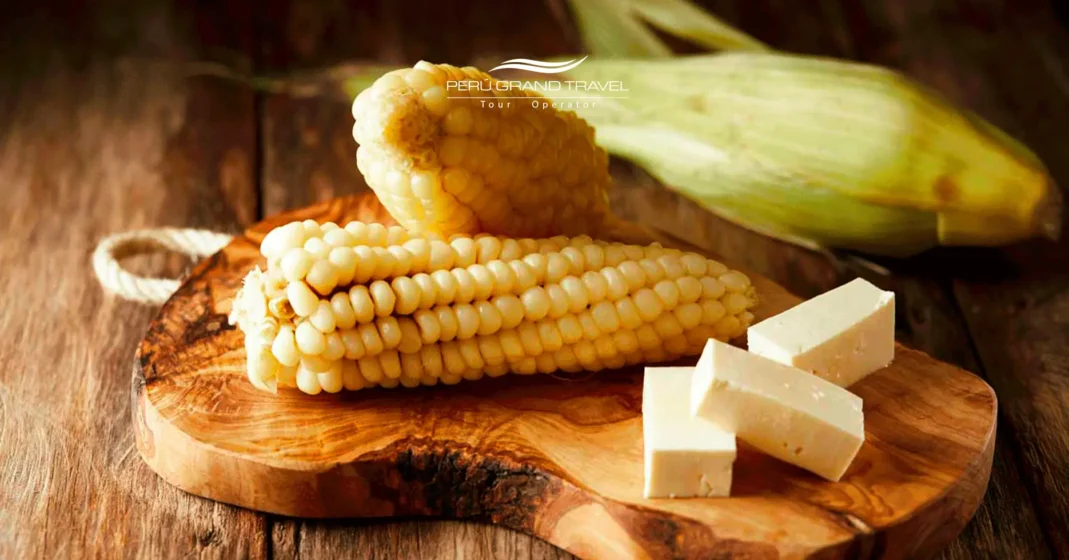
- Choclo con Queso: Simply a giant boiled corn cob served with a generous slice of salty Andean cheese.
- Tamales: Sweet or savory, they are the perfect breakfast for those heading out for a walk around the city.
To dive deeper into what is safe and delicious on the sidewalks, don’t miss our guide to Peruvian street food.
ADVICE GRAND
One simple rule: If it’s bubbling hot right in front of you, it’s generally safe. Avoid raw salads on the street. Your digestion needs time to adapt to the altitude!
How expensive is food in Cusco? | The Traveler’s Budget
Planning your trip means forecasting the cost of your desires. The great thing about food in Cusco is its elasticity: it adjusts to any budget.
| Type of Experience | Example Location | Average Price (per person) |
| Street Food / Market | San Pedro Market | $3 – $6 USD (10-25 Soles) |
| Local Restaurant (Menu) | Local Picanterías | $6 – $12 USD (20-45 Soles) |
| Casual / Bistro | Jack’s Cafe, Organika | $15 – $25 USD (55-95 Soles) |
| Fine Dining (Luxury) | MAP Café, Cicciolina | $40 – $80+ USD (150-300+ Soles) |
A note on handling money in Cusco:
For small expenses at markets or buying that Anticucho on the street, you will need Soles in cash. ATMs are scattered throughout the Plaza de Armas and surrounding areas (GlobalNet, BCP). Withdraw Soles directly to avoid double exchange rates at shops.
And, of course, no luxury meal is complete without a toast. Discover the secrets of local mixology in our tribute to Pisco Sour Day 2026.
Gastronomic Tours in Cusco: From the Market to the Kitchen
If you want food in Cusco to be the main attraction of your trip, you shouldn’t just sit and eat; you should learn. The Peruvian food tours designed by Peru Grand Travel are not mere walks.
- The Market Route: We accompany you to the San Pedro Market. There, a local chef will teach you how to choose purple corn for Chicha Morada and how to differentiate between types of ají.
- The Practical Class: Afterward, we head to an equipped colonial kitchen. You’ll put on an apron and learn to prepare Andean ceviche and master the Pisco Sour. The reward is eating your own work of art for lunch.
- Chocolate and Coffee Tasting: Peru is one of the world’s largest producers of fine cacao.
To integrate this experience without missing the archaeological classics, we recommend our balanced package: Machu Picchu Classic 5 Days, which leaves room for nights of culinary discovery.
Modern Convenience: Food Delivery in Cusco
After a long day walking through Sacsayhuamán or returning tired from the Sacred Valley, you might not want to put your shoes back on to face the night chill. The good news? Food delivery in Cusco works excellently in the central area.
- The Apps: Use PedidosYa or Rappi. Both operate perfectly in the city, and most of the good restaurants in the historic center, pizzerias in San Blas, and even traditional cevicherias are listed.
- The Comfort: Have it delivered to your hotel, put on that alpaca wool sweater, and enjoy a five-star dinner in your bed.
This is particularly useful for those who want to rest before diving into the effervescent Cusco nightlife the following day.
Nightlife and Peruvian Drinks: Don’t Miss Out
Food in Cusco goes hand in hand with its vibrant nightlife. Before or after dinner, you must explore Peruvian drinks. Besides the Pisco Sour, try the Chilcano (Pisco, Ginger Ale, and lime)—it’s more refreshing and ideal for long conversations. If you want something non-alcoholic, Chicha Morada (made from purple corn) is rich in antioxidants and incredibly refreshing. For cold nights, Coca Tea or a warm Pisco Punch are your best allies.
How to organize a travel package with a gastronomic experience?
The modern traveler knows that the best trip is one where you don’t think about logistics, but rather about living the moment. At Peru Grand Travel, if your primary focus is food in Cusco, we recommend our premium Peru Packages.
- Impossible Reservations: We secure tables at the most sought-after restaurants in Cusco, ensuring you dine at peak times with a view of the plaza.
- The Pace: We schedule archaeological tours (like the visits described in our guide on what to do in Cusco, Peru) to end near secret, high-quality Huariques, ensuring you never fall into a “tourist trap.”
Before embarking on this journey of flavors, remember to check our Cusco packing list to ensure you bring the right (and comfortable!) clothes for those elegant dinners on cold nights.
Frequently Asked Questions | FAQ
1. Is the food in Cusco very spicy?
Peruvians love chili (ají), but they use it more for aroma and color than just heat. However, “Rocoto” (frequently used in the highlands) is quite hot. In good restaurants, you can always ask for your dish “sin picante” (not spicy).
2. How can I avoid food poisoning in Cusco?
To stay healthy, prioritize restaurants with good reviews and always drink bottled or purified water. Avoid raw salads or unpeeled fruits at street stalls. If you eat street food, ensure it is freshly cooked and served steaming hot.
3. What is the most common food eaten in Peru?
While diverse, the most common “staple” dish you’ll find everywhere is Lomo Saltado or Aji de Gallina. For breakfast, many locals enjoy a hearty Caldo de Gallina (chicken soup) or fresh bread with Andean cheese.
4. How much does a meal cost in Cusco?
As shown in our table, you can spend as little as $5 USD at a local market or over $80 USD for a world-class fine dining experience. On average, a nice casual dinner costs around $20 – $30 USD.
5. How does the altitude affect food digestion?
At 11,150 feet, digestion is slower. The golden rule is: eat your largest meal at lunch. At night, opt for light soups (like quinoa soup) or smaller portions to ensure a good night’s sleep. Always pair it with a revitalizing hot Peruvian drink.
6. Is it rude not to finish food in Peru?
Not at all. Portions in Cusco are notoriously generous. While locals appreciate it if you enjoy the food, leaving a bit on the plate is perfectly acceptable and quite common for travelers adapting to the altitude.
The Banquet of the Andean Gods
My fellow traveler, Inca ruins show how they built, but food in Cusco shows how they—and we Peruvians today—live. Savoring the soft giant corn of the Sacred Valley, feeling the smoky heat of a Lomo Saltado after a day in the mountains, or sharing a Cusqueña beer on a colonial balcony… this is capturing the essence of travel. Food is the quickest bridge to the soul of a culture.
At Peru Grand Travel, we know your trip is an investment in happiness. We orchestrate every detail so your only concern is deciding which dish to try next.
Are you ready for the Andes to conquer your palate? Contact us today, and let’s design an itinerary that feeds not only your eyes but all your senses.

Experiences

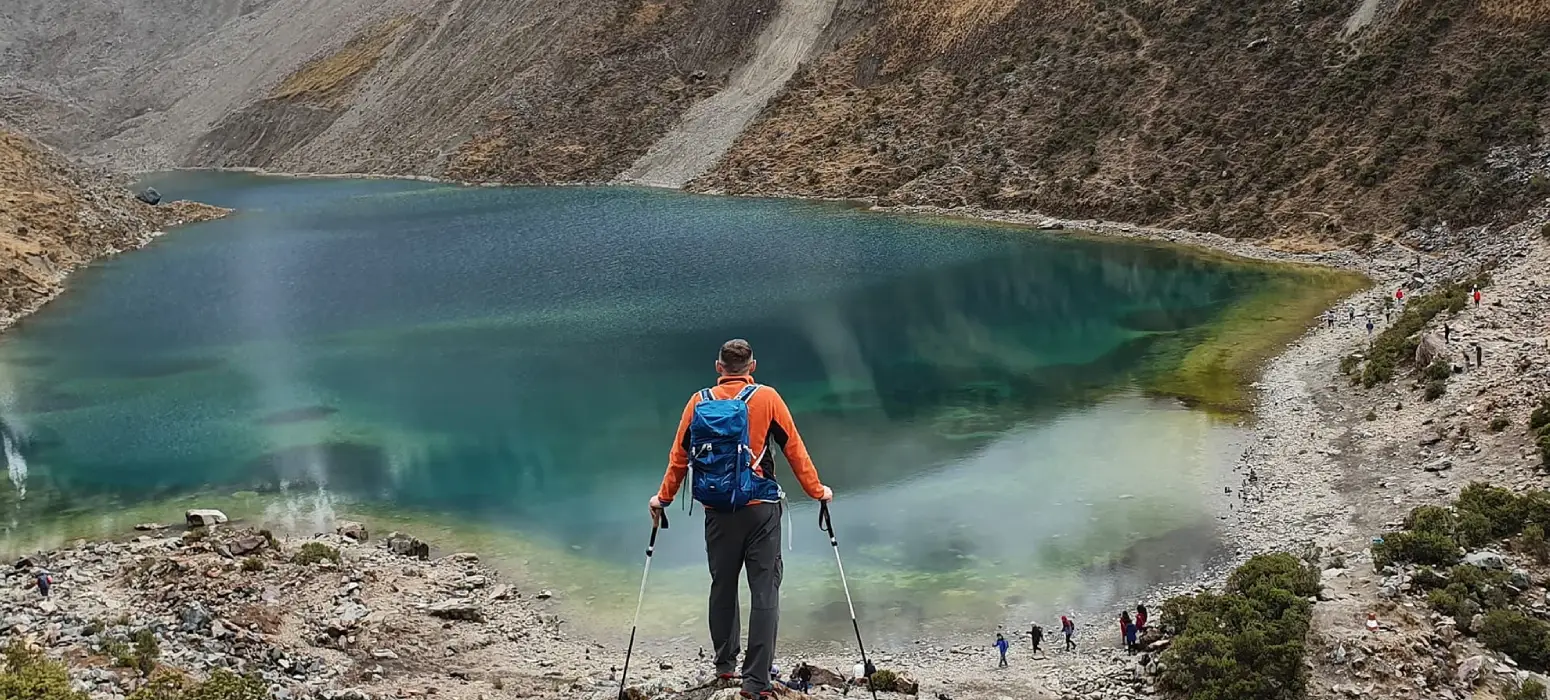
Machu Picchu Challenge 8D/7N
Cusco, Sacred Valley Humantay Lagoon, Rainbow Mountain & Machu Picchu.
View Tour
Colonial Lima and Sacred land of the Incas 7D/6N
Lima, Cusco, Sacred Valley & Machu Picchu.
View Tour