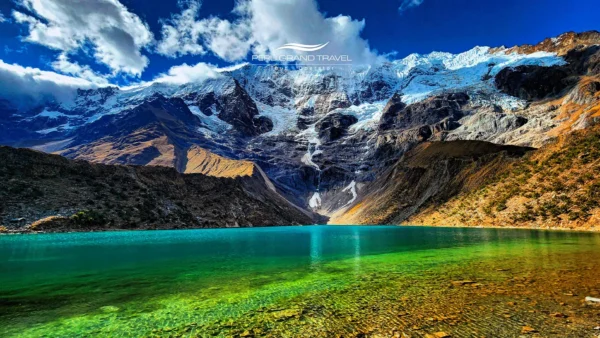
Welcome, dear traveler. If we were sitting right now in a charming café in Cusco’s San Blas neighborhood, watching the snow-capped peaks in the distance while sipping on coca tea, I would ask you one crucial question: What does your soul seek in the mountains?
Table of Contents
Do you seek human connection, the smile of a weaver, and the warmth of a living community? Or do you seek majestic solitude, the silence of a glacier, and the vastness of lagoons reflecting the sky?
This is the essence of the choice between the Lares Trek vs Ausangate Trek.
While the famous Inca Trail to Machu Picchu grabs the spotlight, these two alternative routes offer something that modern luxury can rarely buy: authenticity. Both are spectacular, but they tell very different stories about the Andes.
As your host at Peru Grand Travel, allow me to guide you through this delightful dilemma. We will compare the vibrant culture of Lares with the wild nature of Ausangate, so you can choose the Trek in Peru that will make your heart beat faster. Let’s discover your path.
Why travel to Peru for trekking? | The Connection with the Earth
Peru is not just a destination to be seen; it is a destination to be experienced on foot. Trekking here is participating in a millenary tradition.
- The Setting: You aren’t just hiking; you are traversing history. Every step on the treks in Peru is a step upon the Qhapaq Ñan, the network of roads that once united an empire.
- The Energy: The Andes are dotted with Apus (mountain spirits). Walking at their feet is a form of respect and spiritual connection that transforms a simple trip into a personal pilgrimage.
For a complete overview of hiking options in the country, I invite you to read our pillar guide on Treks in Peru.
DID YOU KNOW?
The term “trekking” in the Andes is often associated with pilgrimage. For the Incas, walking through the mountains was a form of moving prayer. By embarking on the Lares Trek vs. Ausangate Trek, you are, technically, following sacred footsteps.
Photos you will take: Culture vs. Wild Landscape
We live in a visual world, and each trail offers a distinct color palette for your memories (and your Instagram).
Lares Trek: The Human Portrait
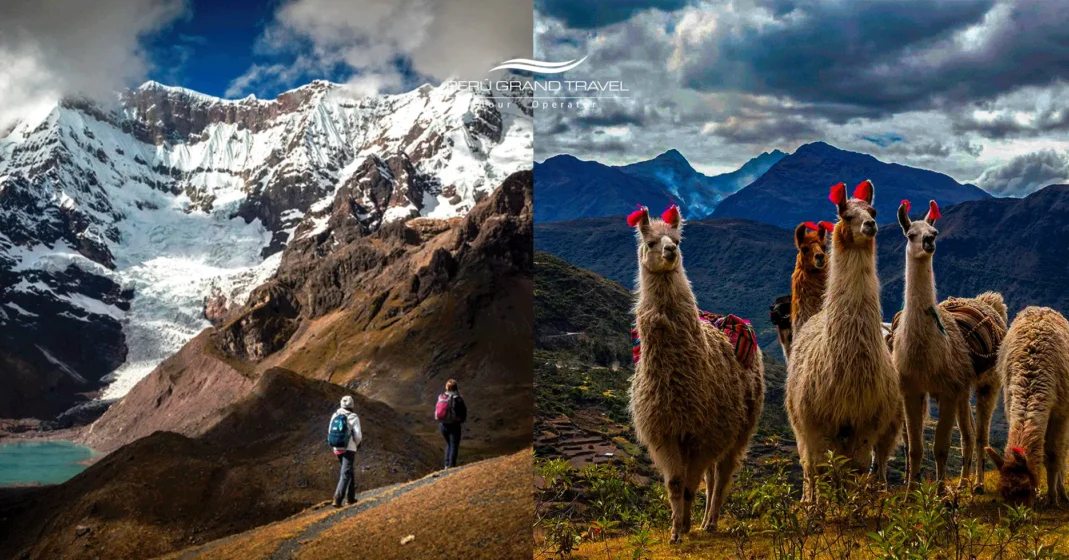
- The Shot: Imagine smiling children dressed in vibrant red ponchos running alongside llamas, with rustic stone houses and green mountains in the background.
- The Palette: Intense red textiles, valley greens, and the soft blue of smaller lagoons.
Ausangate Trek: The Grandeur of Nature
- The Shot: Imagine yourself looking tiny before a colossal glacier, or the perfect reflection of Mount Ausangate in an emerald or turquoise lagoon.
- The Palette: Pure snow white, turquoise waters, and the rainbow hues of mineral mountains (if you include Vinicunca).
DID YOU KNOW?
Rainbow Mountain: Many Ausangate routes include a visit to the famous Vinicunca (7-Colored Mountain). This is your chance to see this icon without the crowds that arrive by bus.
Where is it, and how do you get to each trail?
The logistics are part of the adventure. Both trails start in the Cusco region but head in opposite directions.
Lares Trek | The North Sacred Valley
- Location: North of the Sacred Valley, in the Urubamba mountain range.
- How to get there: The adventure usually begins with a transfer from Cusco to the town of Lares or Calca (about a 3–4 hour drive).
- The Finale: The great advantage of Lares is that it ends in Ollantaytambo, where you take the train to Aguas Calientes. In other words, you visit Machu Picchu at the end.
To find out what to do at the citadel, read our guide on Things to do in Machu Picchu.
Ausangate Trek | The Wild South
- Location: South of Cusco, in the Vilcanota mountain range.
- How to get there: The start is usually in the village of Tinqui or Upis (about a 3-hour drive from Cusco).
- The Finale: It is a circuit. You end where you started or nearby. It does not connect directly to Machu Picchu (though it can be added as an extension).
GRAND ADVICE
Logistics: If Machu Picchu is a “must” for your trekking trip, Lares makes the logistics seamless. If Ausangate is your choice, be sure to reserve an extra day after the trek to take the train to the citadel.
What is each of these alternatives known for?
Lares: The “Weaver’s Trek”
Lares is famous for being a cultural route. You don’t just walk through nature; you walk through living villages.
- The Interaction: You will see llama herders, potato farmers, and, most notably, the famous Andean weavers. It is the best Trek in Peru for those who want to understand the contemporary Quechua lifestyle.
Ausangate: The Trek of the “Apus”
Ausangate is the highest mountain in the Cusco region (20,945 ft / 6,384m). It is considered a guardian deity.
- The Mystique: The trail is known for its spiritual energy and dramatic high-mountain landscapes. It is isolated, cold, and absolutely breathtaking. It is for those seeking nature in its purest form.
If you are interested in other scenic treks, check out our guide on What to do in Peru.
GRAND ADVICE
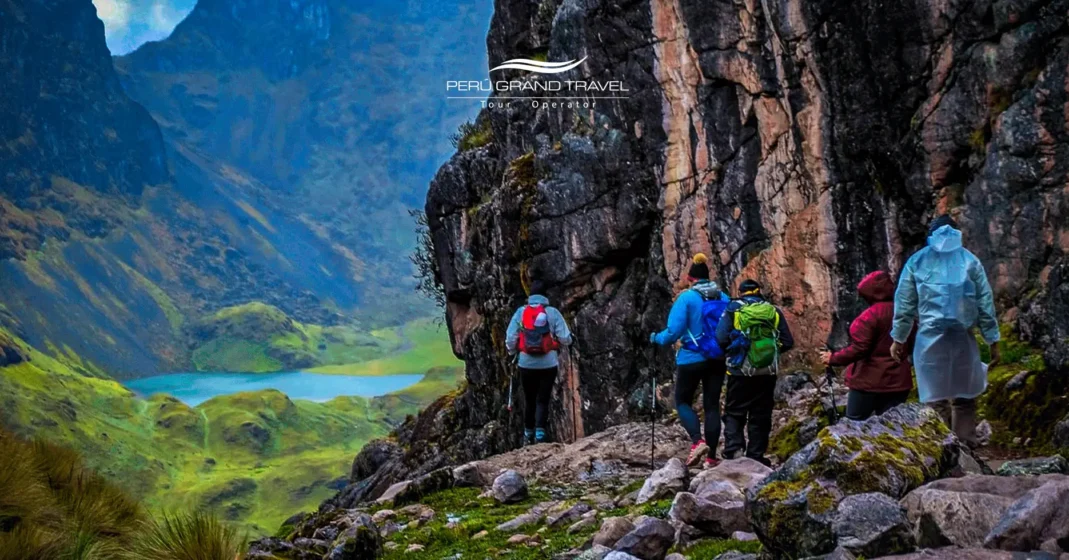
Regardless of your choice between the Lares Trek vs. Ausangate Trek, remember that travel documentation for Peru is the first step toward a stress-free journey. Most Western travelers (US, UK, Canada, EU) do not require a visa for tourism, but ensure your passport is valid for at least six months beyond your arrival date!
What is the travel experience like: Lares vs. Ausangate?
This is where we define the “traveler profile.”
Lares Trek: Culture and Moderate Comfort
If you seek to understand the soul of Peru, the scales of the Lares Trek vs. Ausangate Trek dilemma tip toward Lares. This route is a deep immersion into Quechua culture. Here, communities maintain traditions that haven’t changed since the days of the empire.
Walking through Lares is like visiting a living museum. You will see women weaving the finest textiles using ancient techniques, with natural dyes extracted from plants and insects. The interaction is direct, respectful, and heartwarming. It is one of the top things to do in Machu Picchu and its surroundings that truly touches the heart, as the trail typically culminates with a visit to the sacred citadel via Ollantaytambo.
- Level: Moderate.
- The Experience: It is less technical. You will have the opportunity to visit the Lares Hot Springs before or after the hike—a relaxing luxury. It is ideal for families with teenagers or anyone who enjoys blending history with hiking.
- Package: View our Lares Trek 4-Day option.
Ausangate Trek: Adventure and Isolation
For lovers of wild nature, the Ausangate is the undisputed champion of adrenaline. This is not just a hike; it is a circumnavigation of an Andean deity. In Ausangate, you won’t find villages every mile, but rather the majestic solitude of high mountains.
The highlight here is the 7 Lagoons of Ausangate, each with a shade of blue or turquoise that defies reality. The energy of the place is palpable. It is a high-altitude environment where respect for the mountain is taught by the wind itself. If your goal is to test your physical limits while marveling at glaciers, this is your route among the treks in Peru.
- Level: Challenging to Difficult.
- The Experience: You will be at very high altitudes (passes above 16,400 ft / 5,000m) for several days. It is cold and remote. There are no villages to buy supplies. It is a true expedition.
- Package: Explore our 7 Lagoons Ausangate option.
INTERESTING FACT
On the Ausangate Trek, it is common to see wild vicuñas. Unlike llamas and alpacas, vicuñas have never been domesticated, and their wool is the most expensive and finest in the world—once reserved exclusively for Inca royalty.
What to eat and where to stay? Accommodation and Nutrition
In the mountains, comfort is relative, but at Peru Grand Travel, we raise the standard.
Accommodation
- Lares: Campsites in scenic locations, often near local communities. “Glamping” options or homestays are available in some versions.
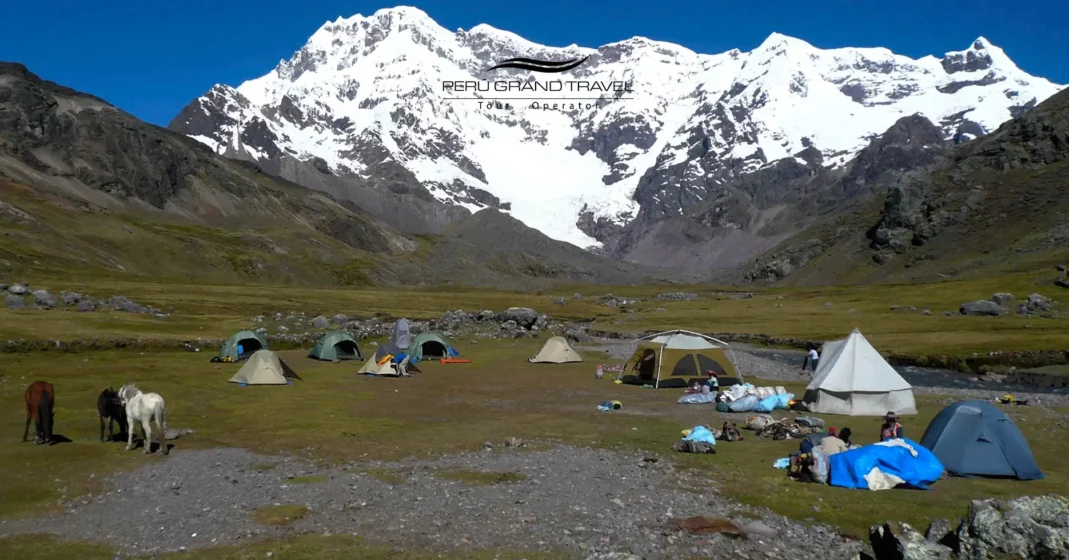
- Ausangate: Wilderness camping. You sleep at the foot of glaciers. It is rugged, but waking up to that view is a luxury that no 5-star hotel can replicate.
Mountain Gastronomy
Our chefs are magicians.
- The Menu: Expect fresh trout, hot quinoa soups to ward off the cold, and high-energy dishes like lomo saltado.
- Tip: In Lares, you might have the chance to taste Pachamanca (an underground stone oven feast) prepared by the locals.
Physical Preparation and Altitude
Do not underestimate the Andes. Both trails demand respect.
- Lares: The highest point is around 14,600 ft (4,450m). It is high, but you descend to lower altitudes to sleep.
- Ausangate: The highest point reaches 17,060 ft (5,200m), and you consistently sleep above 13,100 ft (4,000m). Acclimatization is critical.
RECOMMENDATION
Spend at least 3 days in Cusco before attempting Ausangate. For Lares, 2 days may be sufficient.
Destination Data: Planning Your Trek
To enjoy the best treks in Peru, preparation is key.
Climate and Best Time to Visit
Both follow the Andean seasonal pattern.
- Dry Season | May–October: The best time. Sunny days, very cold nights.
- Rainy Season | November–April: Lares is still viable (and very green), but Ausangate can be dangerous due to snow on the high passes.
| Feature | Lares Trek | Ausangate Trek |
| Primary Focus | Living Culture & People | Landscapes & High Mountains |
| Difficulty | Moderate | Difficult / Challenging |
| Max Altitude | 14,927 ft (4,550m) | 17,060 ft (5,200m) |
| Crowds | Low | Very Low |
| Machu Picchu? | Yes (Connects via train) | No (Requires extension) |
| Best For | Culture, History, Families | Photographers, Mountaineers |
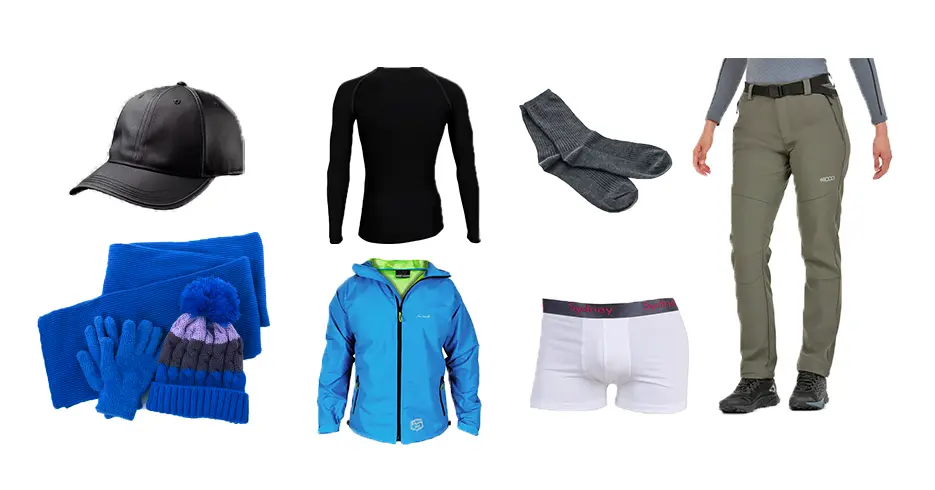
Clothing Recommendations
The layering system is vital.
- Base: Thermal (Merino wool is ideal).
- Middle: Fleece or an alpaca sweater.
- Outer: Waterproof windbreaker and a down jacket for the evenings.
Don’t forget your documents! Check our guide on Travel Documentation for Peru.
What to pack: Crucial differences in your luggage
- For Ausangate: Add waterproof thermal gloves, a thick wool hat, and if possible, snow gaiters. The temperature drops drastically.
- For Lares: Bring swimwear! The hot springs are a highlight, and many forget to pack their swimsuit in their daypack.
- Hiking Poles: Essential for both to protect your knees on steep descents.
Any special festivities along the way?
If you are lucky (or plan well), your trek might coincide with something magical.
- Qoyllur Rit’i | May/June: This massive pilgrimage takes place in the Sinakara valley, near the Ausangate route. Thousands of dancers and pilgrims climb to the glacier. It is one of the most intense religious experiences in the world.
- Carnival in Lares | February/March: Communities celebrate with music, dance, and colorful attire.
Learn more about these celebrations in our guide to Festivals in Peru 2026.
How to choose the right trek for your profile?
Still torn between the Lares Trek vs. Ausangate Trek? Let me help you with the insight of someone who organizes these dreams daily.
Choose the Lares Trek if you value comfort, want to interact with Andean children, learn about ancient weaving, and desire a seamless transition to Machu Picchu. It is a “welcoming” trail, perfect for those seeking adventure without extreme physical suffering.
Choose the Ausangate Trek if you want to feel like you are on top of the world, far from everything. Choose it if you don’t mind the cold in exchange for seeing the Milky Way like never before and want to visit the famous Rainbow Mountain in a less touristy way. It is a trek for “explorers” at heart.
The Luxury of Private Expeditions in the Andes
Traveling to Peru from the US, UK, or Europe in 2026 is to enjoy a level of logistical luxury that few international destinations can match. With increased direct flight connectivity to Lima and quick connections to Cusco, you can be in the heart of the Inca Empire in a matter of hours.
For the traveler seeking exclusivity, the real benefit lies in the ability to upgrade your journey. While group treks are common, the “Cosmopolitan Host” experience focuses on private guided tours and luxury glamping. This elevates a simple hike into a soul-stirring journey. From high-quality heated tents to private chefs who understand international palates, we ensure that your Andean expedition feels like a world-class retreat rather than a rugged survival test.
Frequently Asked Questions | FAQ
Which trek is more beautiful, Lares or Ausangate?
It’s subjective. If beauty to you means human faces, colorful textiles, and green valleys, choose Lares. If beauty means dramatic ice, jagged rock, and surreal-colored lagoons, choose Ausangate.
Do I need a guide?
Yes. While not strictly required by law like on the Inca Trail, it is highly recommended for safety (altitude, weather, unmarked routes) and logistics (equipment transport).
Can I do Ausangate without camping?
There are a few luxury lodges on the Ausangate route that allow for a “Lodge-to-Lodge” experience, providing hotel-level comfort, but this is a premium experience with a significantly higher cost.
Is the Lares Trek very difficult?
It is challenging due to the altitude, but the terrain is generally gentler than the Inca Trail or Ausangate. It is accessible to people with average physical conditioning.
How long do the treks last?
– Lares: Generally 4 days (3 days of hiking + 1 day at Machu Picchu).
– Ausangate: From 4 to 7 days, depending on whether you include Rainbow Mountain or do the full circuit.
Is there cell phone service?
In Lares, you will have intermittent signal near the villages. In Ausangate, prepare for a complete digital detox; the signal is almost non-existent.
Do mules carry my equipment?
Yes! On both the Lares 4-day Trek and the Ausangate Trek, we use horses and mules to carry all camping equipment and your personal duffel bags, allowing you to hike with only your daypack.
Do I need to bring my own sleeping bag?
We provide high-quality, sanitized sleeping bags suitable for sub-zero Andean temperatures. You only need to bring your sense of adventure.
Which trek is better for avoiding altitude sickness?
Lares is slightly better as it stays at lower altitudes. However, for any trek in Peru, a 2-to-3-day acclimatization period in Cusco is non-negotiable.
Can I climb Huayna Picchu after the Lares Trek?
Yes! But it requires planning. You will need a specific additional permit for Huayna Picchu. The view from the top is incredible, but remember: your legs will already be tired from 3 days of hiking!
Choose Your Own Adventure
My friend, there is no wrong choice between the Lares Trek and the Ausangate Trek. Both are windows into the soul of the Andes, far from the tour buses and the queues.
If you want to shake hands with living history, go to Lares. If you want to bow before the majesty of the mountain, go to Ausangate.
At Peru Grand Travel, we are experts in both. We take care of the mules, the tents, and the hot tea so you can focus solely on putting one foot in front of the other.
Are you ready to leave your footprints in the Andes?
Contact us today and let’s plan your perfect expedition. For more inspiration, continue exploring our main guide: What to do in Peru 2026.
We invite you to explore our Peru packages. Your experience in Peru is just one step away. Contact us now and start living the unique adventure you’ve always dreamed of.
More information:
- Visit our English website: Peru Grand Travel
- Visit our Spanish website: Viajes Machu Picchu Tours
- Visit our Portuguese website: Machu Picchu Pacotes

Experiences

Machu Picchu Challenge 8D/7N
Cusco, Sacred Valley Humantay Lagoon, Rainbow Mountain & Machu Picchu.
View Tour
Colonial Lima and Sacred land of the Incas 7D/6N
Lima, Cusco, Sacred Valley & Machu Picchu.
View Tour