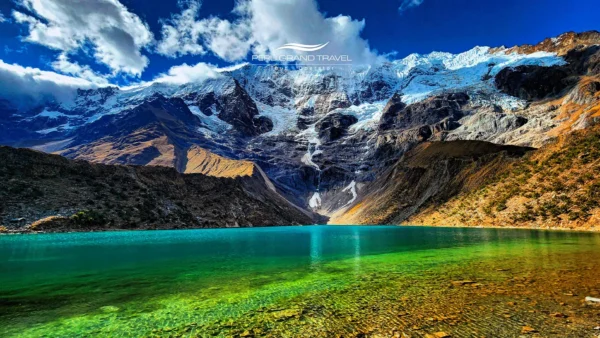
Welcome to Cusco, the “Navel of the World.” As your Anfitrión Cosmopolita, it is my absolute pleasure to guide you through the majestic stone sentinels that guard our imperial city. If you are looking for the most profound things to do in Peru, you simply cannot miss the colossal wonder that is Sacsayhuaman.
Table of Contents
Many travelers rush through their itineraries, but I invite you to pause. Imagine standing before stones that weigh as much as a fleet of modern jets, fitted together so perfectly that not even a whisper of wind can pass between them. Sacsayhuaman is not just a collection of ruins; it is a testament to an empire that mastered gravity and geometry.
Whether you are here for a romantic getaway (it is one of the most breathtaking places to travel for Valentine’s Day) or a deep historical immersion, this guide will reveal the secrets of the stones.
Why visit Sacsayhuaman, Peru? | The Magnitude
You might ask, “Why visit Sacsayhuaman if I’m already seeing Machu Picchu?”
Because Sacsayhuaman offers something Machu Picchu does not: Scale.
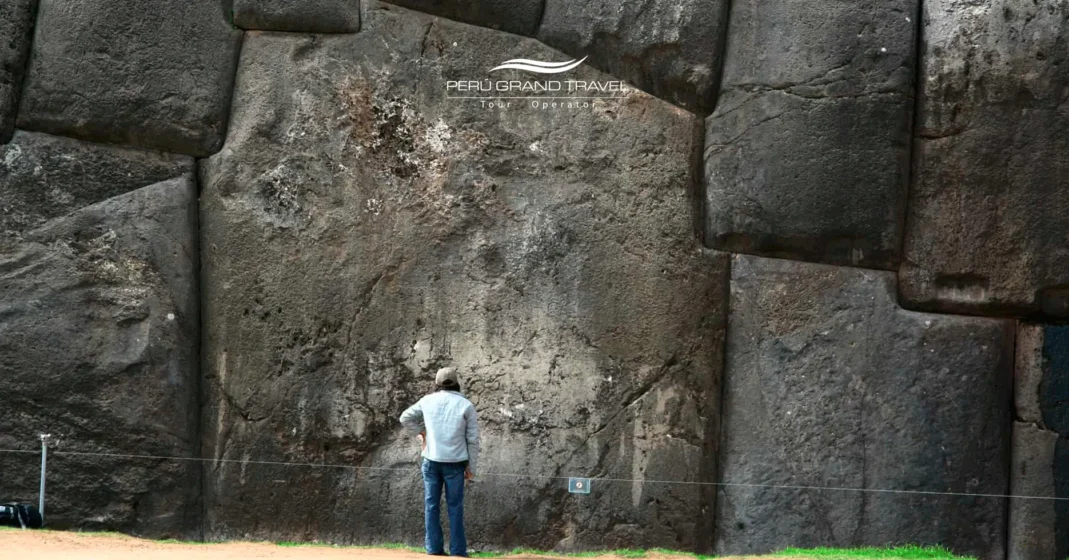
The stones here are the largest used in any structure in pre-Hispanic America. Some weigh as much as 128 tons. Standing next to them, you feel small, humbled by the ambition of the Inca builders.
- The View: It offers the best panoramic view of Cusco city.
Visiting Sacsayhuaman is the perfect introduction to the Inca world. It sets the stage for everything else you will see in the Sacred Valley.
- Why? The scale of the stones at Sacsayhuaman surpasses even Machu Picchu. Seeing a single 120-ton stone shaped like a puzzle piece changes your perspective on human capability.
- Compared to other sites: Unlike the Sacred Valley ruins, which require a full day, Sacsayhuaman gives you a massive “wow factor” in just 2 hours, right next to the city.
- Bonus: The panoramic views of Cusco alone justify the ticket price.
To see how this fits into a perfect itinerary, check our pillar guide on Day Tours in Cusco.
DID YOU KNOW?
The Head of the Puma: Cusco was designed in the shape of a Puma. The Plaza de Armas was the belly, and Sacsayhuaman was the head. The zig-zag walls represent the puma’s teeth.
What is the meaning of the name Sacsayhuaman?
The name Sacsayhuaman (often pronounced “Sexy Woman” by tourists as a mnemonic, though we prefer the Quechua pronunciation!) has a deep meaning.
- Etymology: It comes from the Quechua words Saqsay (satisfy) and Waman (falcon). Thus, “Royal Falcon” or “Satisfied Falcon.”
- Symbolism: The falcon was a totem of the Hanaq Pacha (the world above), representing vision and freedom.
Understanding the name adds a layer of spiritual significance to the military might of the Sacsayhuaman fortress.
How do you pronounce Sacsayhuaman? | The Local Guide
This is the question that makes every tourist giggle, but understanding the pronunciation connects you to the Quechua language.
- The Joke: Many guides will tell you it sounds like “Sexy Woman.” It’s an easy mnemonic device, but it’s not accurate.
- The Real Pronunciation: It is pronounced “Sack-sigh-wah-man”.
- Saqsay: To satisfy / be full.
- Waman: Falcon.
- The Meaning: “Satisfied Falcon” or “Royal Falcon.” The falcon was a guardian of the Inca skies, representing vision and strength.
Where is Sacsayhuaman located, and how to get there?
Sacsayhuaman sits on a steep hill overlooking the northern side of Cusco.
- Altitude: 3,700 meters (12,139 ft). It is higher than the city center (3,400m).
- Distance: Only about 2 kilometers from the main square.
- Tip: If you are not acclimatized, take a taxi up ($5 USD) and walk down. It’s easier on the lungs.
How to get there?
- Walking: You can hike up from the San Blas neighborhood or Plaza de Armas (about 30-45 minutes). It is steep but scenic.
- Taxi: A quick 10-minute ride from the center.
- Private Tour: The best way. A private car takes you to the top, and you can walk down or continue to Qenqo. This saves your energy for exploring the site itself.
ADVICE GRAND
Take it Easy: Even though it is close, the altitude jump is real. Walk slowly. If you choose to hike up, bring water and stop frequently to admire the view (and catch your breath!).

Why is Sacsayhuaman famous? | History & Mystery
Is famous for two things: its walls and the mystery of its construction.
The Walls of Sacsayhuaman
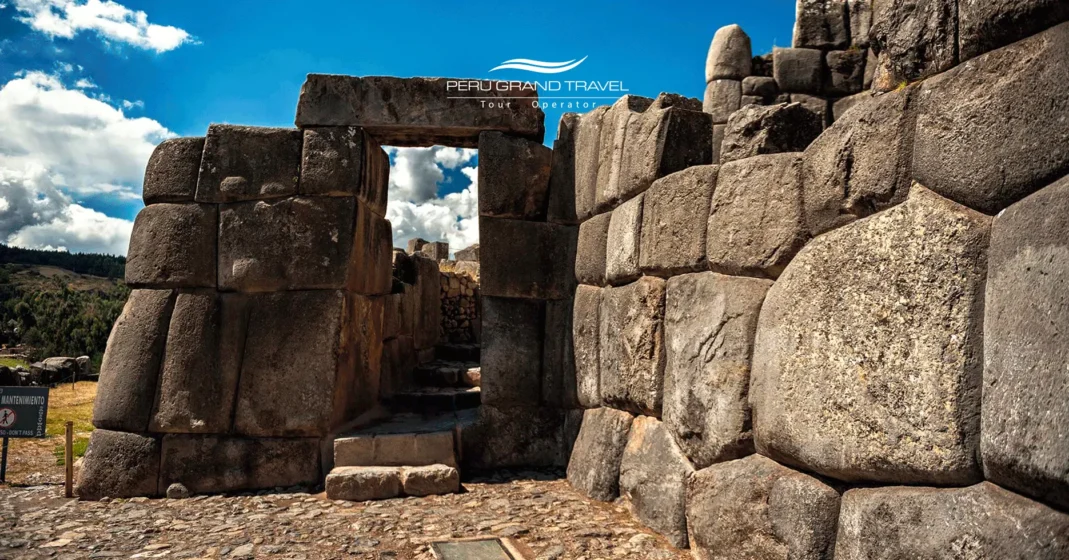
The site consists of three terraced walls built in a zig-zag pattern. The stones are polygonal (many-sided) and fit together like a 3D puzzle.
- The Mystery: How were 100-ton stones moved from quarries miles away? How were they shaped with such precision using only stone hammers?
- Theories: Some say alien technology (fun, but unlikely). The reality is likely thousands of laborers using ropes, ramps, and incredible friction techniques.
What did Sacsayhuaman look like?
Originally, it was much larger. It had three massive towers at the top—Muyoq Marka (round), Sallac Marka, and Paucar Marka.
- The Destruction: Sadly, the Spanish used Sacsayhuaman as a quarry to build colonial Cusco. The cathedral in the plaza is built with stones taken from this very site.
Today, we see only about 20% of the original structure, yet that 20% is enough to leave us speechless.
If you are interested in seeing where the stones ended up, read our guide on Churches in Peru to explore the colonial buildings.
Gastronomy near the Ruins
While there are no restaurants inside the park, the surrounding areas offer hidden gems where you can try traditional “Chiriuchu” (Cusco’s festive dish) or a refined trout ceviche.
DID YOU KNOW?
The largest stone in the Sacsayhuaman, fortress stands over 8 meters high and weighs an estimated 128 tons. How the Incas moved these from quarries miles away without the wheel remains one of history’s greatest enigmas.
What did Sacsayhuaman look like in its prime?
If you could travel back to the 15th century, the what did sacsayhuaman look like question would yield a stunning answer. It wasn’t just walls.
- Three Great Towers: The site was topped by three massive towers: Muyucmarca (cylindrical), Sallacmarca, and Paucarmanrca. They served as armories and residences for the Inca elite.
- The Golden Enclosures: Chroniclers say parts of the citadel of Sacsayhuaman were once covered in gold plates, reflecting the sun’s rays across the valley.
- The Labyrinth: Behind the walls lay a complex of warehouses, temples, and residential quarters for thousands of soldiers and priests.
Is Sacsayhuaman a fortress or a temple?
Archaeologists debate this.
- Fortress: It was the site of a major battle in 1536 where Manco Inca tried to retake Cusco from the Spanish. Its walls define it as a defensive structure.
- Temple: However, the layout and the Solar alignment suggest it was a ceremonial center dedicated to the Sun (Inti) and Lightning (Illapa).
It was likely both: a Citadel of Sacsayhuaman designed to protect the holy city and honor the gods.
Festivals: The Inti Raymi Stage
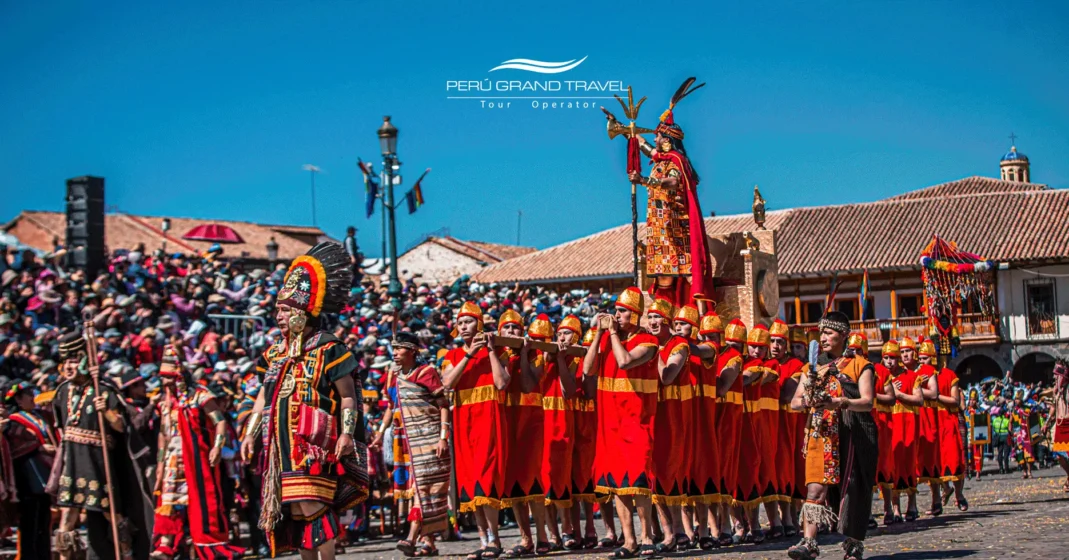
Every year on June 24th, Sacsayhuaman comes alive. It is the main stage for Inti Raymi (Festival of the Sun), the most important festival in the Inca calendar.
- The Scene: The Inca Emperor addresses the Sun God from the main platform. Thousands of actors and spectators fill the esplanade. The ancient walls provide the perfect acoustic and visual backdrop.
If you plan to visit in June, this is a bucket-list event. Learn more in our guide on Festivals in Peru 2026.
What experience does visiting Sacsayhuaman offer?
Visiting Sacsayhuaman is a Cultural and Active Experience. It is not a passive museum visit; it is an exploration.
The Rodadero | Natural Slides
On the opposite side of the plaza, there is a natural rock formation made of diorite. The rock has been polished smooth by glacial activity (and thousands of Inca bottoms!).
- The Fun: You can slide down these natural rock slides. It is fun for kids and adults alike. It brings a playful element to the serious history.
Chincanas | Tunnels
There are tunnels carved into the rock. Some are short and fun to walk through; others are legendary (and closed) for supposedly leading all the way to the Qorikancha.
For those looking for a romantic sunset spot after the tour, the view from here rivals the best Places to Travel for Valentine’s Day.
What is the travel experience of visiting the Sacsayhuaman ruins?
Depending on your travel style, Sacsayhuaman offers different “vibes”:
- The Luxury Experience: Arriving in a private SUV with a specialized historian who can explain the astronomical alignments of the stones.
- The Adventure/Trekking Experience: Including Sacsayhuaman as the final stop on a trek from the nearby Temple of the Moon (Amaru Machay).
- The Family Experience: Children love the “Suchuna” or the natural rock slides—smooth stone grooves formed by volcanic activity that act as ancient playgrounds.
IMPORTANT FACT
Most day tours in Cusco also include nearby sites like Q’enqo, Puca Pucara, and Tambomachay. I always recommend visiting them in this order to build up the “wow” factor before reaching the grand finale at Sacsayhuaman.
In which tours is Sacsayhuaman included?
Sacsayhuaman is the star of the Cusco City Tour.
- The Classic Half-Day: This tour usually starts at 1:30 PM and visits the Cathedral, Qorikancha, Sacsayhuaman, Qenqo, Puca Pucara, and Tambomachay.
- Private Morning Tour: As your host, I recommend doing this tour in the morning (starting at 8:30 AM) to avoid the afternoon crowds and have better light for photography.
- The “Inca Secrets” Hike: A full-day excursion starting at the Christo Blanco statue and descending through the ruins and into the artisan quarter of San Blas.
You can read more about these options in our guide on Half-Day Tours in Peru.
Additional Activities: Horseback Riding
Just behind Sacsayhuaman, the landscape opens up into rolling hills and eucalyptus forests.
- The Ride: You can book a horseback riding tour that takes you from Sacsayhuaman to the Temple of the Moon and the X-Zone (Lanlakwr).
- The Vibe: It is peaceful, scenic, and a great way to see the archaeological park without walking too much.

Data about the destination: Planning your visit
To enjoy the Sacsayhuaman archaeological park, you need to be prepared.
Altitude and Climate
- Altitude: 3,700 m (12,100 ft). You will feel the thin air.
- Climate:
- Dry Season (May-Oct): Sunny, blue skies, cold wind.
- Rainy Season (Nov-Apr): Green grass, dramatic clouds, potential showers.
Clothing Recommendations
- Shoes: Comfortable sneakers or hiking boots. The ground is uneven.
- Protection: Hat and sunscreen are mandatory. The sun burns quickly at this altitude.
- Layers: A windbreaker is essential. It gets windy on the open esplanade.
How long should you stay?
A typical visit lasts 45 minutes to 1 hour. If you explore the tunnels and slides, allow for 1.5 hours.
| Feature | Detail |
|---|---|
| Ticket | Requires Boleto Turístico (BTC) |
| Best Time | 8:00 AM – 10:00 AM |
| Difficulty | Low/Moderate (walking on grass/stone) |
| Facilities | Bathrooms available (bring coins) |
Comparison: Sacsayhuaman vs. Machu Picchu
| Feature | Sacsayhuaman | Machu Picchu |
|---|---|---|
| Scale of Stones | Massive (100+ tons) | Smaller, refined |
| Location | Next to Cusco | Cloud Forest (4 hours away) |
| Access | Easy (Car/Walk) | Train + Bus |
| Altitude | Higher (3,700m) | Lower (2,400m) |
| Main Vibe | Military/Power | Mystical/Religious |
Verdict: You must see both. Sacsayhuaman shows you the power of the Incas; Machu Picchu shows you their beauty.
For a complete list of must-sees, check our guide on Things to Do in Peru 2026.
Hierarchy 4: National Cultural Heritage of Peru
Sacsayhuaman holds the highest “Denominación” or hierarchy in Peruvian tourism. It is protected as a National Cultural Heritage site. This means that every stone is accounted for, and your visit supports the ongoing sacsayhuaman reconstruction and preservation efforts led by the Ministry of Culture. When you visit with an authorized tour operator like Perú Grand Travel, you are contributing to the sustainable protection of this world wonder.
Frequently Asked Questions | FAQ
Do I need a ticket for Sacsayhuaman?
Yes. You need the Cusco Tourist Ticket (Boleto Turístico del Cusco – BTC). You cannot buy a single entry ticket just for Sacsayhuaman; you must buy the partial (Circuit 1) or full BTC.
Can you walk to Sacsayhuaman from Cusco?
Yes. It takes about 30-45 minutes uphill. It is a steep but rewarding walk through the old artisan quarter of San Cristobal.
Is Sacsayhuaman older than Machu Picchu?
Construction of Sacsayhuaman likely began in the reign of Pachacutec (1438-1471), similar to Machu Picchu, but it took decades to finish, continuing under later emperors.
How much does the entrance cost?
The Partial BTC (which includes Sacsayhuaman, Qenqo, Puca Pucara, Tambomachay) costs 70 Soles (approx. $19 USD) for foreigners.
What is the mystery of Sacsayhuaman?
The main mystery is the transportation and fitting of the stones. Without iron tools, mortar, or the wheel, the precision achieved is an engineering marvel that still baffles experts.
Are there tunnels in Sacsayhuaman?
Yes, the Chincanas. The smaller ones are open to the public. The large one connecting to Qorikancha is sealed off for safety.
What is special about the 12-angled stone?
Wait! The famous 12-angled stone is actually located in the city center (Hatun Rumiyoc street), not at Sacsayhuaman. However, Sacsayhuaman features stones with even more angles and far greater size, forming the zig-zag walls of the fortress.
Why are there no roofs at Machu Picchu?
The Incas used ichu grass (straw) for roofs, supported by wooden beams. Over centuries, the organic material disintegrated, leaving only the stone walls we see today.
The Giant on the Hill
My friend, Sacsayhuaman, is a reminder that the Incas were not just builders; they were giants of ambition. Standing in the shadow of these walls puts our modern world into perspective. It is a place of power, history, and incredible views.
At Peru Grand Travel, we don’t just drive you there; we tell you the stories that make the stones speak. We ensure you have the right ticket, the right timing, and the right guide.
Are you ready to meet the giants of the Andes?
Contact us today, and let’s add this marvel to your Cusco itinerary.
We invite you to explore our Peru packages. Your experience in Peru is just one step away. Contact us now and start living the unique adventure you’ve always dreamed of.
More information:
- Visit our English website: Peru Grand Travel
- Visit our Spanish website: Viajes Machu Picchu Tours
- Visit our Portuguese website: Machu Picchu Pacotes

Experiences

Machu Picchu Challenge 8D/7N
Cusco, Sacred Valley Humantay Lagoon, Rainbow Mountain & Machu Picchu.
View Tour
Colonial Lima and Sacred land of the Incas 7D/6N
Lima, Cusco, Sacred Valley & Machu Picchu.
View Tour