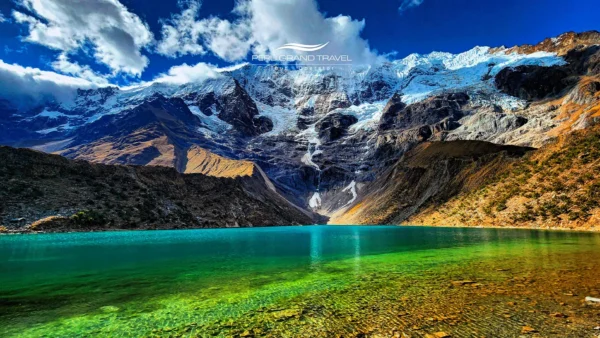
The Temple of the Sun in Peru is one of the most important sacred sites of the Inca civilization. Known today as Coricancha, this temple was the spiritual heart of the Inca Empire and a powerful symbol of solar worship, astronomy, and imperial authority. Located in the historic center of Cusco, the site offers visitors a unique opportunity to explore Inca history, understand its deep religious meaning, and learn how to visit this iconic landmark today.
Table of Contents
What Is the Temple of the Sun in Peru?
The Temple of the Sun in Peru was the most important religious sanctuary of the Inca civilization and the spiritual heart of their empire. Dedicated to the Sun God Inti, this sacred site symbolized life, power, and cosmic order, playing a central role in Inca religion, astronomy, and state authority. For the Incas, the sun was not only a deity but also the ancestor of their rulers, making this temple both a religious and political center.
The Temple of the Sun is known today as Coricancha, which means “Golden Enclosure” in Quechua. According to historical accounts, its walls were once covered with sheets of gold that reflected sunlight, reinforcing its symbolic connection to Inti and demonstrating the wealth and sophistication of the Inca Empire.
Located in the ancient capital of Cusco, Coricancha was the most sacred place in the empire. From here, the Incas organized religious ceremonies, astronomical observations, and rituals that marked solstices, agricultural cycles, and imperial events. Its precise stonework and alignment with the sun reveal the Incas’ advanced understanding of engineering and astronomy, making the Temple of the Sun one of the most significant sacred sites in all of Peru.
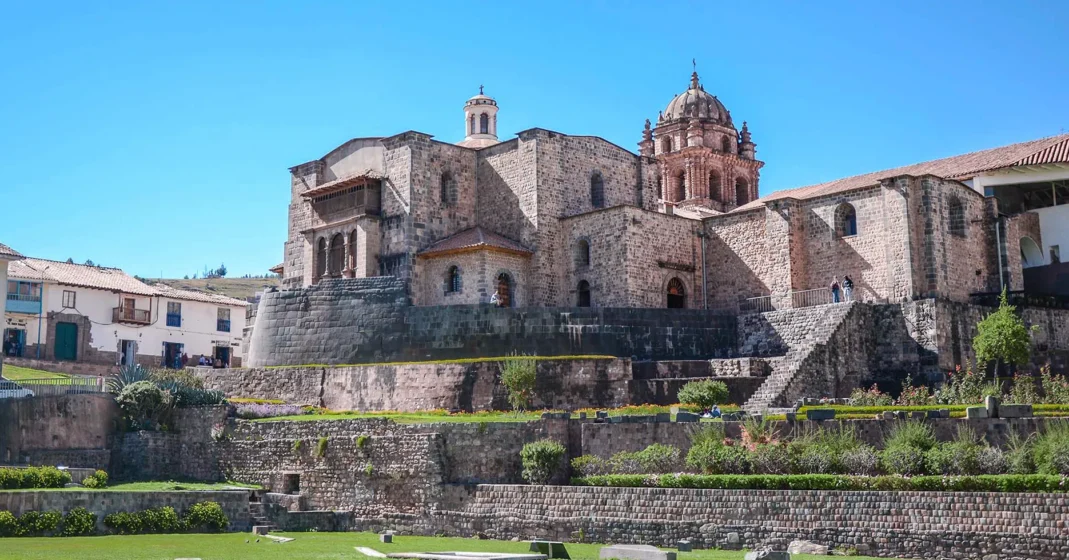
Today, visitors can still see original Inca walls inside the complex, standing in striking contrast with the colonial structures built later on top of them. This coexistence of Inca and Spanish architecture makes the Temple of the Sun not only a symbol of ancient Andean spirituality, but also a powerful reminder of Peru’s layered history.
Where Is the Temple of the Sun Located?
The Temple of the Sun in Peru is located in the heart of the historic city of Cusco, in southeastern Peru. The temple sits within the city’s UNESCO-listed Historic Center, making it one of the most accessible and significant archaeological sites in Cusco. Today, it forms part of the Coricancha complex, where Inca stonework and colonial architecture coexist in the same space.
Cusco’s importance goes far beyond its modern appearance. As the former capital of the Inca Empire, the city was considered the center of the world, or “navel of the earth,” in Inca cosmology. The Temple of the Sun occupied a privileged position within this sacred urban layout, reinforcing its role as the empire’s main religious sanctuary and a focal point of political and spiritual life.
Access to the Temple of the Sun is easy from Cusco’s historic center. It is located just a short walk from the Plaza de Armas of Cusco, allowing visitors to reach it on foot while exploring nearby streets, museums, and colonial landmarks. This central location makes the Temple of the Sun a natural stop on any city tour and an essential visit for travelers interested in understanding the foundations of Inca civilization.
Why Was the Temple of the Sun So Important?
The Temple of the Sun was the most sacred sanctuary of the Inca Empire. Dedicated to Inti, it symbolized life, order, and the divine power that sustained the Inca state. From this site, religious ceremonies and solar observations were carried out to mark agricultural cycles and guide major imperial decisions, making it the true spiritual and political heart of the empire.
The Sun God Inti in Inca Belief
In Inca belief, Inti, the Sun God, was the supreme deity and the source of life, warmth, and order in the universe. The Incas believed that their rulers were direct descendants of Inti, which gave the emperor divine authority and reinforced the close connection between religion and power. Because of this belief, worship of the sun was not only spiritual but also deeply political.
The sun was essential to agriculture, which was the foundation of the Inca economy. Seasonal cycles, planting times, and harvests depended on the sun’s movement across the sky. The Temple of the Sun served as a sacred place where priests observed solar events such as solstices and equinoxes, ensuring harmony between the natural world, agricultural production, and the well-being of the empire.
Religious and Political Role
The Temple of the Sun functioned as the spiritual center of the Inca Empire. It was the most sacred space where important religious ceremonies, offerings, and rituals were performed in honor of Inti. These ceremonies were closely tied to the agricultural calendar and major state events, reinforcing the idea that divine forces guided the empire’s prosperity.
Beyond its religious role, the temple also held strong political significance. As a place where religion, astronomy, and imperial authority converged, it symbolized the power and unity of the empire. Decisions related to governance, ritual calendars, and state celebrations were influenced by ceremonies held at the Temple of the Sun, making it one of the most influential and respected sites in Inca society.
Architecture of the Temple of the Sun
The architecture of the Temple of the Sun in Peru, known as Coricancha, represents the highest level of Inca engineering. Its curved walls and perfectly fitted stonework, built without mortar, provided exceptional resistance to earthquakes. Once covered in gold and aligned with solar events, the temple united architecture, astronomy, and spirituality at the heart of the Inca Empire.
Inca Stonework and Sacred Design
The architecture of the Temple of the Sun reflects the highest level of Inca engineering and sacred design. One of its most distinctive features is the use of curved walls, a form reserved for temples and buildings of great religious importance. These curved structures were not only symbolic but also helped distribute weight evenly, increasing stability—an essential feature in a seismic region like Cusco.
The temple showcases the extraordinary precision of Inca stone masonry. Large stone blocks were cut and shaped to fit together perfectly, without the use of mortar. Each stone was carefully carved so that it interlocked with the others, creating smooth, seamless walls that have endured centuries of earthquakes and colonial reconstruction. This technique demonstrates both advanced engineering skills and deep spiritual intention, as harmony and balance were central values in Inca cosmology.
Gold, Astronomy, and Symbolism
Historically, the Temple of the Sun was adorned with gold coverings that lined its walls and sacred spaces. Gold was considered the “sweat of the sun,” making it the most appropriate material to honor Inti. When sunlight struck these golden surfaces, the temple would glow, visually reinforcing the divine presence of the Sun God within the sanctuary.
The design of the temple was also closely linked to astronomy. Its orientation and architectural elements allowed Inca priests to observe solar movements, particularly during solstices and equinoxes, which were key moments in the agricultural and ritual calendar. These observations helped determine planting cycles, ceremonial dates, and state rituals.
Through this combination of stonework, precious materials, and astronomical alignment, the Temple of the Sun functioned not only as a place of worship but also as a scientific and symbolic center, where religion, nature, and imperial order were deeply interconnected.
Temples of the Sun and Spanish Conquest
After the Spanish conquest, many Temples of the Sun were deliberately built over with colonial churches to impose religious and political control. At Coricancha in Cusco, the Santo Domingo Convent was constructed directly on top of the Inca sanctuary, creating a striking cultural and architectural superposition. Today, surviving Inca stone walls beneath colonial structures reveal a powerful story of conquest, resistance, and cultural continuity.
Construction of Santo Domingo Convent
After the Spanish conquest, many of the most sacred Inca sites were repurposed to impose colonial rule and Christian symbolism. One of the clearest examples of this is the construction of the Santo Domingo Convent directly on top of the Temple of the Sun (Coricancha).
This architectural superposition represents a powerful clash of cultures. Spanish builders dismantled parts of the Inca temple and reused its foundations to erect the convent, believing that building Christian structures over sacred indigenous sites would reinforce their dominance. Despite this, the Incas’ exceptional stonework proved more resilient than colonial construction—several earthquakes damaged the convent while the original Inca walls beneath remained largely intact.
As a result, visitors today can clearly see the partial preservation of the Inca temple, with finely fitted stone walls standing in contrast to the colonial architecture above. This coexistence makes the site one of the most striking symbols of Peru’s layered history and cultural resilience.
The Temple of the Sun in Machu Picchu
Beyond Cusco, another remarkable example of solar worship can be found at Temple of the Sun in Machu Picchu. This semicircular structure, built over a natural rock, is believed to have served both ceremonial and astronomical purposes.
Its windows and orientation align with key solar events, especially during the winter solstice, reinforcing the Incas’ deep understanding of astronomy. Unlike Coricancha, this temple remained largely untouched by the Spanish, offering a rare glimpse into Inca religious architecture in its original mountain setting.
Huaca del Sol: The Moche Civilization’s Adobe Masterpiece
The concept of sun worship in Peru predates the Incas. On the northern coast, the Huaca del Sol stands as one of the largest adobe structures ever built in the Americas. Created by the Moche civilization centuries before the Incas, this massive pyramid played a central role in religious, political, and ceremonial life.
Although built with adobe rather than stone, Huaca del Sol demonstrates how solar symbolism and monumental architecture were already deeply rooted in ancient Peruvian cultures long before the rise of the Inca Empire.
The Temple of the Sun at Pachacamac
Another important pre-Inca and Inca ceremonial center is Pachacamac, located near present-day Lima. This vast complex was a major pilgrimage site dedicated to powerful deities, including solar aspects integrated later by the Incas.
The Temple of the Sun at Pachacamac sits on a hill overlooking the Pacific Ocean and reflects the Incas’ strategy of incorporating existing sacred sites into their religious system. Together with Coricancha, Machu Picchu, and Huaca del Sol, Pachacamac highlights how sun worship shaped spiritual life across different regions and civilizations in ancient Peru.

Other Notable Solar Observatories in the Andes
The Temple of the Sun in Cusco was not an isolated monument, but part of a vast Andean tradition of solar observation. Across the Andes, ancient civilizations built temples, ceremonial centers, and ritual stones aligned with the movement of the sun, linking astronomy, agriculture, and spirituality. From monumental Inca sanctuaries to much older observatories, these sites reveal how solar worship shaped timekeeping, religious life, and cosmic order throughout the Andes.
The Unfinished Megaliths: Temple of the Sun in Ollantaytambo.
In the Sacred Valley, the Temple of the Sun in Ollantaytambo stands as one of the most impressive examples of unfinished Inca construction. Built with massive pink granite blocks transported from distant quarries, this structure was intended to be a monumental solar temple aligned with key astronomical events.
The scale of the stones and the precision required to place them reveal the Incas’ advanced engineering skills and their deep interest in solar observation. Although the temple was never completed—likely due to the Spanish invasion—the site still offers valuable insight into how solar worship, architecture, and state power were closely connected in the Andes.

The Intihuatana of Pisac: “The Hitching Post of the Sun.”
High above the Sacred Valley lies the Intihuatana of Pisac, one of the most important astronomical features in the Pisac archaeological complex. Intihuatana means “place where the sun is tied,” reflecting the Inca belief that this carved stone helped symbolically anchor the sun to prevent it from moving too far away.
This ritual stone was used to mark solar movements, especially solstices, and played a ceremonial role in maintaining cosmic balance. Its strategic placement and precise carving demonstrate how the Incas integrated astronomy, spirituality, and landscape into a unified sacred system.
Chankillo: The Oldest Solar Observatory in the Americas.
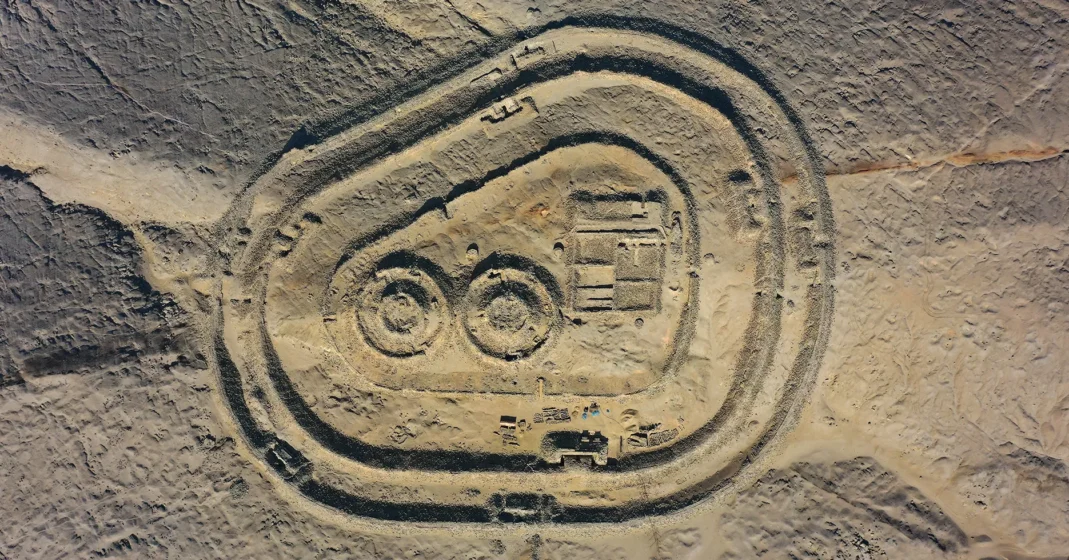
Long before the Incas, ancient cultures in Peru were already tracking the movement of the sun. Chankillo, located on the northern coast, is considered the oldest known solar observatory in the Americas, dating back more than 2,300 years.
Chankillo features a line of thirteen stone towers aligned along a ridge, allowing observers to track the sunrise and sunset throughout the year. This sophisticated system demonstrates an advanced understanding of astronomy long before the rise of the Inca Empire, highlighting that solar observation has been a central element of Andean civilizations for millennia.
What Can You See at the Temple of the Sun Today?
Today, visitors to the Temple of the Sun explore a site where Inca and colonial histories overlap. Perfectly fitted Inca stone walls remain visible beneath the Santo Domingo Convent, creating a striking example of cultural and architectural superposition. This layered space reveals how Andean spirituality and Spanish influence coexist in the heart of Cusco.
Morning vs. Afternoon
The morning is generally the best time to visit. Early hours offer fewer crowds, a quieter atmosphere, and softer natural light that highlights the precision of the Inca stonework. Mornings also tend to feel fresher and more comfortable, especially for travelers adjusting to Cusco’s altitude.
Visiting in the afternoon is still enjoyable, but it can be busier, particularly during peak travel seasons. Light is stronger, which can be ideal for photography, though temperatures may feel slightly warmer.
Dry Season vs. Rainy Season
The dry season (May to September) is considered the best period to visit the Temple of the Sun. During these months, skies are clearer, rainfall is minimal, and walking conditions around the historic center are ideal. This season also offers the most reliable weather for combining the visit with other city attractions.
The rainy season (November to March) brings greener surroundings and fewer tourists, but occasional rain showers—often in the afternoon. Morning visits are recommended during this period to avoid weather interruptions.
Climate in Cusco
Cusco has a high-altitude Andean climate, with mild daytime temperatures and cooler mornings and evenings year-round. Dressing in layers is essential regardless of the season. Even on sunny days, temperatures can drop quickly in shaded areas, making preparation key to a comfortable visit.
Overall, a morning visit during the dry season offers the best balance of weather, light, and atmosphere for exploring the Temple of the Sun.
Temple of the Sun in Peru and the High-Altitude Experience
Visiting the Temple of the Sun in Peru is not only a cultural journey but also a physical experience shaped by altitude. Since the site is located in Cusco, travelers should be aware of how elevation can affect their visit and plan accordingly.
Altitude of Cusco
Cusco sits at approximately 3,400 meters (11,150 feet) above sea level. At this elevation, the air contains less oxygen, which can lead to mild altitude-related symptoms such as shortness of breath, fatigue, or headaches—especially during the first days after arrival. Even though the Temple of the Sun is easy to access, the altitude can still influence how visitors feel while walking and exploring the site.
Acclimatization Recommendations
To enjoy a comfortable visit, it’s best to allow time for acclimatization. Staying well hydrated, eating light meals, and avoiding strenuous activity on your first day in Cusco can help your body adjust. Many travelers choose to visit the Temple of the Sun early in their stay because it involves gentle walking rather than steep climbs, making it a suitable activity while acclimating.
Suggested Visiting Pace
A slow and relaxed pace is ideal when exploring the Temple of the Sun. Take time to pause, observe the stonework, and read the interpretive information without rushing. This approach not only supports physical comfort at high altitude but also allows for a deeper appreciation of the site’s historical and spiritual significance.
By respecting the altitude and adjusting your rhythm, the visit to the Temple of the Sun becomes a more enjoyable and meaningful experience—both culturally and physically.
Travel Tips for Visiting the Temple of the Sun
Visiting the Temple of the Sun in Peru is a rewarding cultural experience, and a bit of preparation will help you enjoy it comfortably and respectfully. Since the site is located in the historic center of Cusco, these practical tips will help you make the most of your visit.
What to Bring
Bring essentials that suit Cusco’s high-altitude climate. A small daypack with water, sunscreen, and a light jacket is recommended. Comfortable walking shoes are important, as you will be moving through stone floors, courtyards, and uneven surfaces within the complex.
Dress Code and Comfort
There is no strict dress code, but respectful attire is advised, especially since parts of the site are connected to the Santo Domingo Convent. Dressing in layers is ideal, as temperatures can change throughout the day. Light, breathable clothing combined with a sweater or jacket ensures comfort during both sunny and cooler moments.
Photography Rules
Photography is generally allowed in many areas of the Temple of the Sun, but restrictions may apply in certain indoor or religious spaces. Flash photography is often prohibited to protect the structures. Always pay attention to posted signs and respect any guidelines provided by staff during your visit.
Guided Tour vs. Self-Guided Visit
A guided tour is highly recommended for visitors interested in history, symbolism, and Inca astronomy. Guides provide valuable context that brings the site to life and explains details that are easy to miss. A self-guided visit, on the other hand, works well for travelers who prefer a slower pace and already have background knowledge. Both options are rewarding, depending on your travel style and level of interest.
With these tips in mind, your visit to the Temple of the Sun will be both informative and comfortable, allowing you to fully appreciate one of Peru’s most important sacred sites.
Is the Temple of the Sun in Peru Worth Visiting?
Yes—the Temple of the Sun in Peru is absolutely worth visiting, especially for travelers interested in history, culture, and the spiritual foundations of the Inca civilization. As the most important religious sanctuary of the Inca Empire, the site offers exceptional historical value, allowing visitors to stand within walls that once defined the political and spiritual heart of ancient Cusco.
Beyond its history, the Temple of the Sun provides a rich cultural experience. The visible contrast between original Inca stonework and the colonial structures built above it tells a powerful story of conquest, resilience, and cultural continuity. This layered setting helps visitors better understand Peru’s complex past and the lasting influence of Andean beliefs.
When compared to other Inca sites such as Machu Picchu, the Temple of the Sun offers a more intimate and urban experience. While Machu Picchu impresses with scale and landscape, the Temple of the Sun stands out for its symbolic importance, architectural precision, and accessibility within Cusco. Together, these sites complement each other, but the Temple of the Sun is unmatched in explaining the spiritual and astronomical core of the Inca world.
For anyone seeking deeper insight into Inca religion, astronomy, and imperial power, a visit to the Temple of the Sun is not just worthwhile—it is essential.
Frequently Asked Questions About the Temple of the Sun in Peru
Is the Temple of the Sun the same as Coricancha?
Yes. The Temple of the Sun is known today as Coricancha, which means “Golden Enclosure” in Quechua. Coricancha was the most sacred temple of the Inca Empire, dedicated to the Sun God Inti. After the Spanish conquest, colonial buildings were constructed on top of the original Inca structure, but the name Coricancha is still used to refer to the site.
How long does the visit take?
Most visitors spend 45 minutes to 1 hour exploring the Temple of the Sun. This allows enough time to see the Inca walls, colonial spaces, courtyards, and exhibitions at a relaxed pace. Travelers with a guided tour may spend slightly longer, depending on the depth of explanations.
Is it included in the Cusco tourist ticket?
No, the Temple of the Sun (Coricancha) is not included in the Cusco Tourist Ticket. Entrance is purchased separately at the site. This is because the complex also functions as a religious and historical monument under the Santo Domingo Convent.
Can you visit it with children?
Yes, the Temple of the Sun is suitable for children. The site involves easy walking, open courtyards, and visually engaging architecture that can spark curiosity about Inca history. Visiting with children works best when keeping a relaxed pace and allowing time for short breaks, especially given the altitude in Cusco.
More information:
- Visit our English website: Peru Grand Travel
- Visit our Spanish website: Viajes Machu Picchu Tours
- Visit our Portuguese website: Machu Picchu Pacotes

Experiences

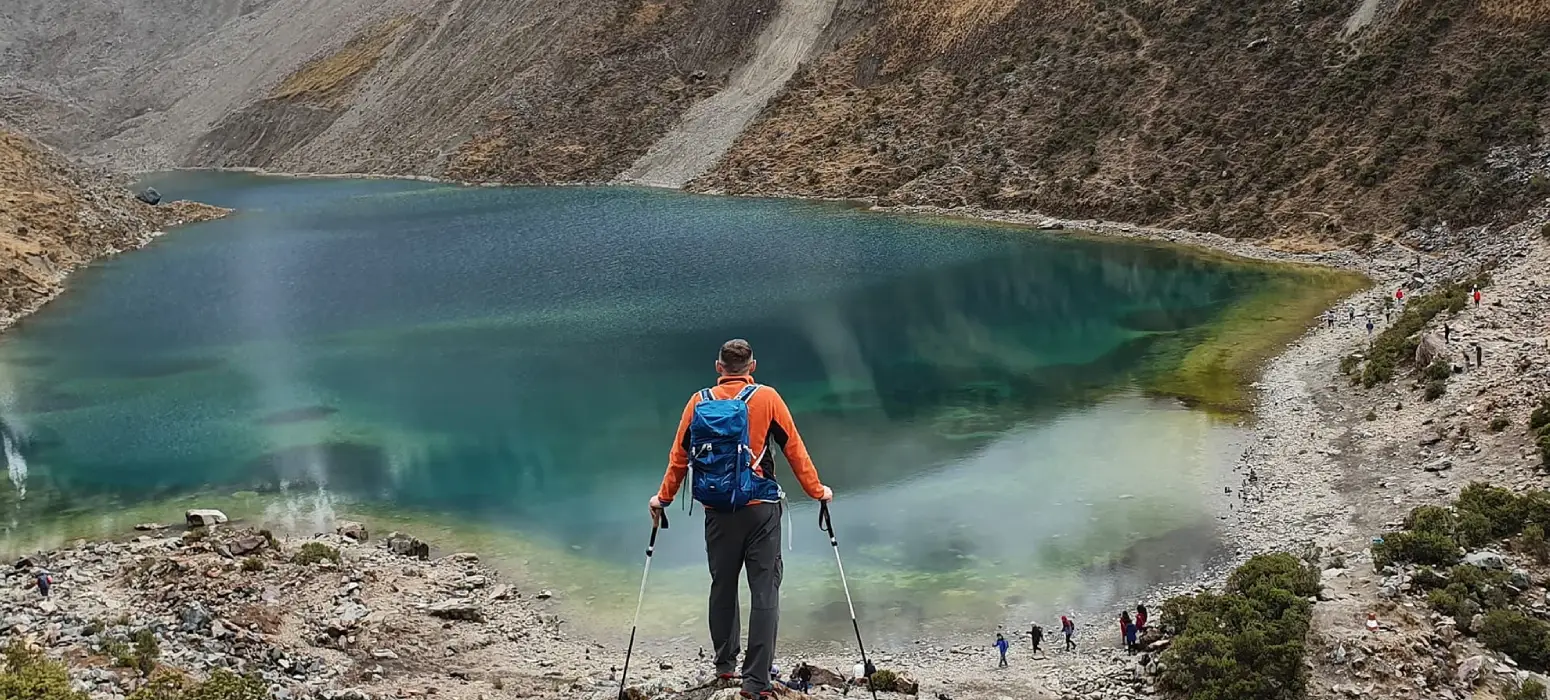
Machu Picchu Challenge 8D/7N
Cusco, Sacred Valley Humantay Lagoon, Rainbow Mountain & Machu Picchu.
View Tour
Colonial Lima and Sacred land of the Incas 7D/6N
Lima, Cusco, Sacred Valley & Machu Picchu.
View Tour