

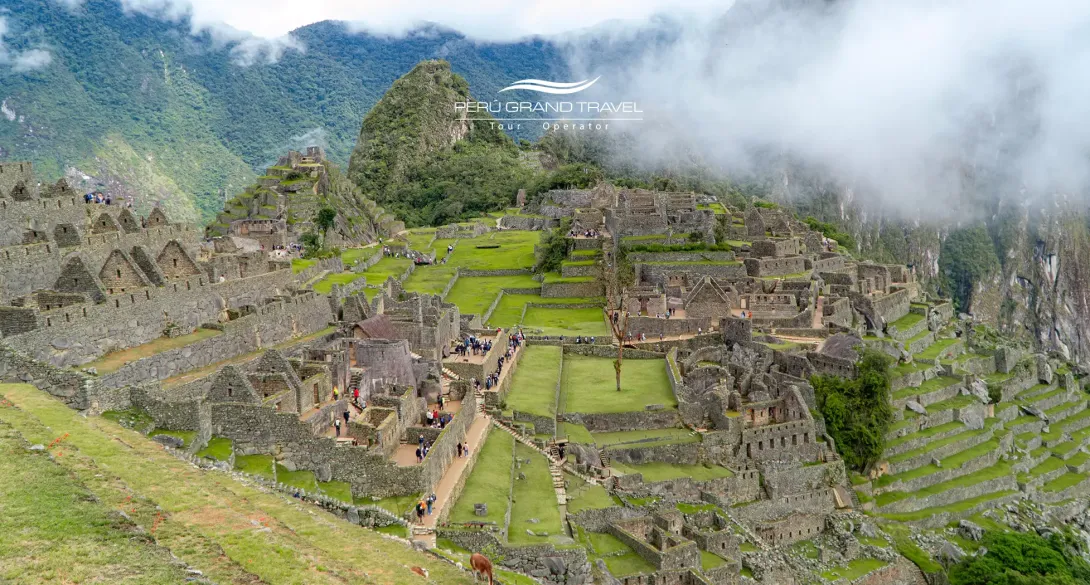
Why Is Machu Picchu Famous? Because it brings together Inca history, mountain geography, and human engineering in one place.
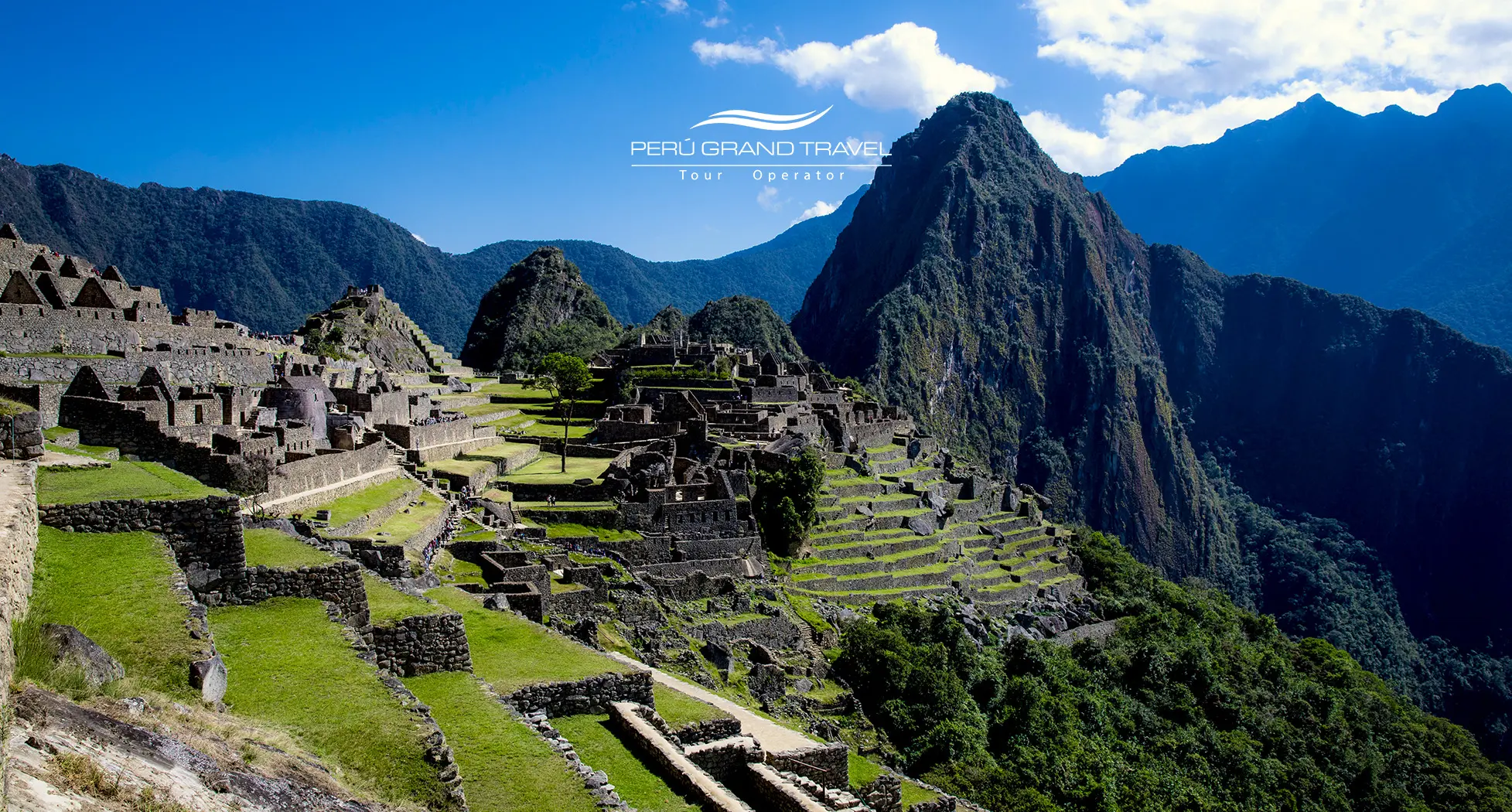
Built in the 15th century, the citadel sits on a ridge above the Urubamba Valley. It features precise stone construction, agricultural terraces, and a drainage system for heavy rain. Its location between the Andes and the cloud forest shaped how the site was planned and used.
After it gained international attention in the early 1900s, Machu Picchu became a key reference for understanding the Inca world and is now recognized globally as a major cultural heritage site. Keep reading to learn what makes Machu Picchu unique and how to experience it the right way.
What Makes Machu Picchu Famous?
Machu Picchu is famous because it is one of the strongest cultural symbols of the Inca world and of Peru today. More than a set of ruins, it shows how the Incas organized life around sacred mountains, seasonal cycles, and a close relationship with nature.
The site has temples, ceremonial spaces, plazas, and terraces. These reflect Andean beliefs and social structure. They show the knowledge the Inca civilization used to build and govern in the highlands.
It also became a global reference point for understanding Inca history after it gained international attention in the early 1900s. Today, Machu Picchu is recognized worldwide as a cultural heritage site that helps preserve and share the legacy of the Andes with new generations.
Ancient Inca Engineerin
Machu Picchu shows how the Incas used engineering to live in a steep mountain environment. The site was built with precisely cut stones fitted together without mortar, creating structures that have endured for centuries.
Its agricultural terraces helped stabilize the slopes and made space for growing crops. A complex drainage and water-channel system managed rainfall and provided fresh water throughout the citadel. These features explain why Machu Picchu is studied as a key example of Inca planning and construction.
Breathtaking Location in the Andes
Machu Picchu is set on a ridge above the Urubamba Valley, between the high Andes and the cloud forest. This location affected how the Incas built the site.
They used the natural shape of the mountains and aligned buildings with the nearby peaks. The landscape also helped keep the citadel protected and isolated, which contributes to the sense of discovery visitors feel today. The combination of mountains, river valley, and changing mist is a major reason Machu Picchu has become one of the most recognized places in Peru.
Cultural and Historical Significance
Machu Picchu is famous because it represents a living link to the Inca world and to Andean culture today. Built in the 15th century, this site shows how the Incas organized their society. They centered their lives around sacred landscapes.
Mountains (apus), water, and nature had both spiritual and political importance. Its temples, plazas, ceremonial areas, and agricultural terraces show how daily life, religion, and governance could function together in one planned space.
It also matters historically because it helps explain the reach and sophistication of the Inca Empire beyond Cusco, offering evidence of Inca architecture, social organization, and worldview. For Peru, Machu Picchu is a symbol of identity and heritage. It is known worldwide and protected as a cultural treasure for future generations.
Why Is Machu Picchu a UNESCO World Heritage Site?
Machu Picchu became a UNESCO World Heritage Site in 1983. It is a great example of Inca civilization. It shows how the Incas lived in harmony with nature.
The site showcases advanced engineering, unique stonework, and a deep connection to the surrounding landscape, making it one of the most important cultural and historical sites in the world. Its location in the Andes is important.
The building is very accurate. It also shows significant cultural values. All these factors help it become a UNESCO World Heritage Site.
Being recognized as a UNESCO site ensures the preservation of Machu Picchu, allowing future generations to appreciate its historical, cultural, and architectural significance. It also serves as a global symbol of the Inca Empire’s achievements and Peru’s rich heritage.
The Role of Machu Picchu in Inca Civilization
Machu Picchu played an important role within the Inca Empire as a planned space that combined ceremony, administration, and daily life in a sacred landscape. Many historians and archaeologists suggest it functioned as a royal estate or elite retreat connected to the Inca ruler, while also serving as a ceremonial center where rituals honored the surrounding mountains and water sources.
Its urban design—separating agricultural terraces from residential and ceremonial areas—reflects Inca social organization and state planning. Temples, plazas, and ritual features show how religion and governance were linked in Inca society. Machu Picchu was a key site that expressed Inca power, beliefs, and connection to the Andes.
Rediscovery by Hiram Bingham
Machu Picchu became widely known to the outside world after American explorer Hiram Bingham brought international attention to the site in 1911. While local people already knew the ruins were there, Bingham’s expedition helped introduce Machu Picchu to global audiences through research, photographs, and publications.
This moment changed Machu Picchu’s place in history. It sparked interest in archaeology and raised awareness of Inca heritage. It also helped with long-term conservation efforts.
Over time, this global visibility helped Machu Picchu become one of the most famous archaeological sites in the world. It is also a key symbol of Peru’s cultural heritage.
Popularity and Global Recognition of Machu Picchu
Machu Picchu became globally recognized as international research, publications, and media helped spread awareness of the site in the 20th century. Over time, it changed from an archaeological find into a global cultural symbol. It is often used to represent the Inca Empire and Peru’s heritage.
Today, Machu Picchu is widely known not only as a major tourist destination, but also as a symbol of Indigenous Andean culture, archaeological study, and cultural preservation.
Machu Picchu’s “Lost City” Myth
Machu Picchu is often described as a “Lost City,” and that idea has strongly shaped its global image. The phrase suggests a hidden place in the Andes that remained unknown for centuries, which adds a sense of discovery to the story.
However, Machu Picchu was not truly “lost” to local communities. In the early 1900s, international awareness changed.
The site started to appear in research, photos, and publications read worldwide. The “Lost City” label became popular because it was easy to remember.
It helped people link Machu Picchu with mystery and adventure. Even today, that myth still shapes how travelers picture their visit. It explains why the site is still widely discussed.
Bucket List Destination for Travelers
Machu Picchu became a bucket list destination because it offers a rare mix of cultural meaning and a clear sense of place. Travelers don’t just see a monument. They walk through an Inca-built landscape. This landscape has terraces, temples, plazas, and stone paths. It still shows how the site was organized and used.
It also feels achievable in different ways: some people arrive by train from Cusco, others choose a multi-day trek like the Inca Trail, and many visit with a guide to understand the history behind what they see. That flexibility—combined with its global recognition—has made Machu Picchu one of the most planned-for trips in the world.
Is Machu Picchu worth it?
For most travelers, yes—Machu Picchu is worth it because it’s not just a viewpoint or a photo stop. It’s a cultural site where you can see how the Inca civilization changed the land.
They built terraces, temples, plazas, and stone paths. All of these were made to work in a high-mountain area. Visiting in person helps you understand the scale, layout, and meaning of the site in a way pictures can’t fully explain.
Visiting Peru is valuable for the context you gain. Machu Picchu links directly to Cusco and the Sacred Valley. It is a key part of Andean heritage. A guide or a good plan helps you understand each area’s purpose, not just its appearance.
If you need help, Peru Grand Travel can assist you. They offer sustainable tourism experiences that connect cultures and create meaningful travel.
How to visit Machu Picchu from Cusco
You can visit Machu Picchu from Cusco in two main ways. You can trek for a more active and immersive experience. Or, you can take the train for a comfortable and quick option. Most travelers combine transportation to Aguas Calientes (Machu Picchu town) with a shuttle bus or walk up to the entrance.
The best choice depends on your time, fitness level, and what kind of experience you want. This could be adventure, scenery, comfort, or a mix of everything.
The Inca Trail to Machu Picchu
The train is the best way to get to Machu Picchu. It is comfortable and has great views of the Sacred Valley and the Urubamba River.
Trains run from the Cusco region to Aguas Calientes, where you can take a short shuttle bus up to Machu Picchu. This option is great for travelers with little time, families, or anyone wanting an easier trip. You can still enjoy the landscapes along the way.
Train to Machu Picchu: A Scenic Journey
The Inca Trail is the most famous trekking route to Machu Picchu and is known for combining nature, Inca ruins, and cultural history along the way. It usually takes a few days and includes sites like Wiñay Wayna. It ends with a memorable entrance to Machu Picchu through the Sun Gate (Inti Punku). Because permits are limited and sell out quickly, booking in advance is essential.
FAQs About Why Is Machu Picchu Famous
Why is Machu Picchu famous today?
Because it combines a spectacular Andes setting with world-class Inca architecture and history. It’s also recognized globally as a UNESCO site and a “bucket list” destination.
Why is Machu Picchu important to Peru?
The best way to explore is through a guided visit. You can also choose your travel style. Travel by train for comfort, trek for adventure, or go private/luxury for a premium experience.
What’s the best way to experience it?
The best way is a guided visit (to understand the site) plus choosing your style of travel: train for comfort, trek for adventure, or private/luxury for a premium experience.
Is the Inca Trail the only way to reach it?
No. The Inca Trail is the most famous hike. However, many travelers take a train to Aguas Calientes. From there, they either take a bus or walk up to Machu Picchu. There are also alternative treks (depending on availability and season).
What can you see inside Machu Picchu?
You can explore terraces, temples, and ceremonial spaces. There are also stone stairways and viewpoints. Enjoy iconic photo spots and see panoramic views of the mountains and cloud forest.
How many days do you need in Cusco for Machu Picchu?
A common plan is 2–4 days in Cusco (for acclimatization and nearby sites) plus 1 day for Machu Picchu. If you’re trekking, add 2–5 extra days depending on the route.
Conclusion: The Enduring Fame of Machu Picchu
Machu Picchu is famous for a special reason. It combines Inca history, stunning Andean views, and amazing engineering all in one unforgettable place. Its cultural importance to Peru, global recognition, and the sense of mystery surrounding the citadel continue to inspire travelers from around the world. No matter if you come by train or walk old paths, Machu Picchu offers a special experience. It is one that stays with you long after you go.
Ready to take the next step and secure your spot for a 2026 departure? Contact us at Peru Grand Travel. As your Anfitrión Cosmopolita, we specialize in managing the complex logistics of these high-demand trips to Machu Picchu, ensuring your backpacking adventure is executed flawlessly, from your arrival in Cusco to your triumphant walk through the Sun Gate.
We invite you to explore our Inca Trail packages! Your experience in Peru is just one step away! Contact us now and start living the unique experience you’ve always dreamed of.
More information:
- Visit our English website: Peru Grand Travel
- Visit our Spanish website: Viajes Machu Picchu Tours
- Visit our Portuguese website: Machu Picchu Pacotes