

Still unsure which Inca Trail to choose for your trip to Machu Picchu? Compare the Inca Trail 2 days vs 4 days (Classic Route and the Short Route). Discover which one suits your time, fitness level, and budget.
When people ask me about their journey to Machu Picchu, the first question—after, “Can I actually get a permit?”—is always about which Inca Trail they should choose. It’s a wonderful dilemma to have, as both options offer a transformative experience, yet they cater to very different travellers.
You see, the Inca Trail is not a single, monolithic experience. It is a network of ancient roads, and today, two primary treks allow you to enter the magnificent citadel through the famous Sun Gate (Intipunku): the arduous Inca Trail 4 days vs 2 days, the focused Short Inca Trail.
Choosing between them is less about selecting a better route and more about understanding yourself: your fitness level, available time, and your preference for immersive camping versus comfortable lodging. Think of me as your guide to the nuances of each path, ensuring your choice perfectly aligns with your travel style.
Let’s explore the distinctions that will make your decision clear and your trip unforgettable.
What is the Main Difference Between the Inca Trail 2 days vs 4 days?
The fundamental difference boils down to duration, difficulty, and depth of immersion.
The Short Inca Trail (often called the 2-Day Inca Trail) is a streamlined experience. It’s a single day of challenging, yet manageable, trekking (about 10 to 13 kilometres), followed by a night in a hotel in Aguas Calientes and a full day exploring Machu Picchu. It offers a taste of the trekking experience without the full commitment of a multi-day hike and camping.
The Classic Inca Trail is the full, legendary experience. It’s a 4-day, 3-night, 45-kilometre backpacking trip that requires continuous physical exertion, includes multiple high mountain passes, and mandates three nights of camping. It’s a deep dive into the historical Qhapaq Ñan (the vast Inca road system).
Why Do Both Routes End at the Sun Gate?
This is where the magic happens! Both routes join the same final stretch of the ancient road network. The final reward for both Classic and Short trekkers is the breathtaking approach to Machu Picchu through the Sun Gate (Intipunku). This entrance point is unique to the Inca Trail and provides a panoramic view of the citadel that most train visitors never get to experience. This moment truly connects you to the history of the Incas, as you arrive just as messengers and high dignitaries would have centuries ago.
What are the Physical Demands and Difficulty Levels for The Inca Trail 2 days vs 4 days?
If you are considering either of these routes, you are already seeking a challenge—but one is considerably more demanding than the other. Understanding the altitude and the terrain is essential, particularly when planning your inca trail from cusco.
The Short Inca Trail – 2 days: Maximising Scenery, Minimising Camping
The Short route is categorised as Moderate to Challenging (Day 1). While it avoids the very highest altitude pass, the single day of trekking is not a gentle stroll.
- Starting Point: The hike begins at Kilometre 104 (Chachabamba).
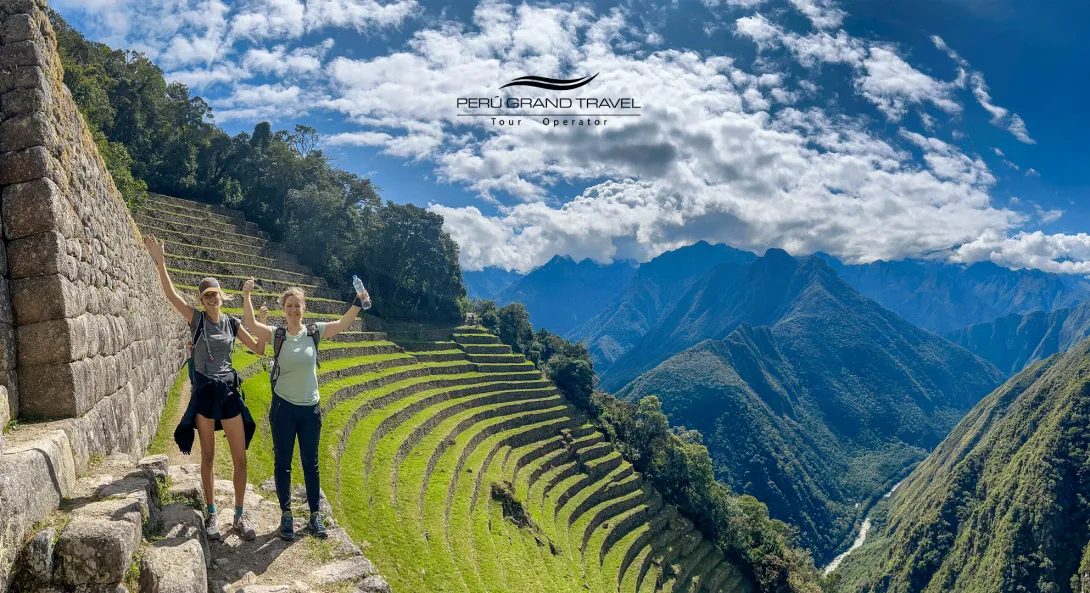
- The Climb: You immediately face a long, steep ascent (the hardest part of the trail) toward the spectacular ruins of Wiñay Wayna. This initial climb takes 3–4 hours and can be exhausting if you haven’t prepared.
- Altitude Maximum: The highest point is Wiñay Wayna, at 2,680 meters (8,792 feet), which is significantly lower than the Classic route’s peak.
The Short Inca Trail is perfect for those who are fit, short on time, or simply do not enjoy camping, yet still want the magical feeling of hiking into Machu Picchu.
The Classic Inca Trail – 4 days: A True Test of Endurance
The Classic route is categorised as Moderately Difficult to Difficult. The primary challenges are two-fold:
- Sustained Effort: You must maintain a challenging pace for four consecutive days, often starting early (around 5:00 AM).
- High Altitude: The infamous Dead Woman’s Pass (Warmiwañusca) is the highest point, reaching 4,215 meters (13,828 feet). Day 2 is notoriously difficult, involving a sustained climb to this pass followed by a steep descent.
The terrain involves long sections of original, irregular Inca stone steps—both up and down—which are hard on the knees and ankles. Excellent physical conditioning and, crucially, proper acclimatisation in Cusco or the Sacred Valley beforehand are absolutely non-negotiable.
Key Trekking Statistics | Inca Trail 2 days vs 4 days
When Should I Book My Inca Trail Tours and Permits? | Inca Trail 2 days vs 4 days
Permits are the universal currency of the Inca Trail, regardless of the route you choose.
The Permit Rush is Real
The Peruvian government strictly controls access to both routes to protect the ecosystem and the trail’s integrity. The quotas are:
- The Inca Trail 2 days (Short ): Around 250 permits per day (this includes the trekkers and their guides).
- The Inca Trail 4 days (Classic): 500 permits per day (this includes all guides, porters, and cooks—leaving only about 200 permits for trekkers).
Fun Fact Highlight: The Classic Inca Trail (4 days) is so popular that permits for the peak season (May to August) often sell out 6 to 12 months in advance. If you want a specific date, you must plan your booking with a licensed tour operator as soon as the permits are released (usually in October/November of the preceding year).
Booking the Inca Trail 4 days – Classic Route: A Non-Negotiable Deadline
If your dream involves the 4-day Inca Trail to Machu Picchu, you must prioritise the permit reservation above all else. Waiting until the last minute is simply not an option. Reputable tour operators often require a deposit well in advance so they can purchase your permit the moment they become available.
Booking the Inca Trail 2 days – Short Route: More Flexibility, Still Necessary
While the Short Inca Trail permits are more readily available, they still sell out, especially on weekends and during the high season. I would recommend booking the 2-day option at least 3 to 4 months in advance to secure your date.
What should I Expect Regarding Lodging, Food, and Porters on the Inca Trail 2 days vs 4 days?
This is where the lifestyle preferences of the two treks diverge the most.
The Inca Trail 4 days – Classic Experience: Full Backpacking Immersion
The Classic route is a complete, supported camping experience. You will spend three nights sleeping in specialised tents.
- Lodging: Tent camping only. Nights can be very cold, especially at high-altitude camp sites, requiring a high-quality sleeping bag rated to at least -10°C or 14°C.
- Porters: Porters are mandatory and truly the backbone of this trek. They carry all the group gear (tents, food, kitchen equipment) and your personal duffel bag (usually limited to 6–7 kg per person). You only carry a daypack with water, camera, snacks, and rain gear.
- Food: Your private chef (yes, you get a chef!) provides substantial, multi-course meals—often surprisingly elaborate given the remote locations.
The Inca Trail 2 days – Short Experience: Trekking by Day, Comfort by Night
The Short route eliminates the need for porters and camping gear, making your packing list much simpler.
- Lodging: You spend the first night in a hotel or hostel in Aguas Calientes (the town below Machu Picchu). This means a hot shower and a real bed after your long day of hiking—a definite luxury!
- Porters: Porters are typically not included or needed, as you carry your own daypack for the short distance.
- Food: Meals are generally provided at a local restaurant in Aguas Calientes for dinner on Day 1.
Which Inca Trail route should I choose based on my travel goals: The Inca Trail 2 days vs 4 days?
To help you decide which adventure aligns with your personal journey, let’s consider the traveller profiles.
Choose the Inca Trail 4 days (Classic) If…
- You are a dedicated hiker who thrives on physical challenges.
- Your primary goal is a full, four-day backpacking immersion in the Andes.
- You want to see the widest range of unique Inca archaeological sites (which are only accessible via the Classic route).
- You are comfortable with primitive bathroom facilities, cold nights, and three nights of tent camping.
- You have at least 6-12 months to plan and secure a highly competitive permit.
Choose the Inca Trail 2 days (Short) If…
- You have limited time (e.g., you only have a few days free in your Inca Trail tour itinerary).
- You are fit enough for a challenging single-day hike but prefer sleeping in a comfortable hotel.
- Your focus is less on the extended trek and more on the magic of arriving at Machu Picchu via the Sun Gate.
- You are looking for an itinerary that offers slightly easier permit availability.
- You want the Inca Trail experience without the need for porters and heavy camping gear.
Beyond the Trail: How Does This Fit into My Full Cusco Itinerary?
Regardless of whether you choose the Inca Trail 2 days vs 4 days option, remember that your Inca Trail from Cusco adventure requires careful planning around altitude.
The Importance of Acclimatisation
I cannot stress this enough: proper acclimatisation is the key to enjoying this trek. My strongest recommendation is to spend at least 2 to 3 days in Cusco (3,400m / 11,155 ft) or the Sacred Valley (lower altitude) before you even think about starting your trek. This allows your body to adjust to the lower oxygen levels, greatly reducing the risk of altitude sickness (Soroche).
Conversational Bridge: The process of booking your flight, arranging transfers, and securing your entry permits for your unforgettable experience is complex, even for the most seasoned travellers.
To ensure every detail of your preparation—from the best acclimatisation schedule to the most ethical tour operators—is handled flawlessly, I recommend consulting a comprehensive resource. My colleagues and I at Peru Grand Travel have prepared a detailed resource that covers the logistical planning, costs, and ethical considerations for the entire journey. You will find all the critical, up-to-date details you need to navigate the entire process, including securing your spot for the Inca Trail in 2026.
I encourage you to read our master guide here: Inca Trail to Machu Picchu Guide 2026.
Final Thoughts: Making your decision with confidence when choosing between the Inca Trail 2 days vs 4 days
Ultimately, both the Classic and the Short Inca Trail are bucket-list adventures that culminate in the same, world-renowned Inca citadel.
If you are drawn to the rugged poetry of the trail, the challenging altitude, and the deep, multi-day connection with the Qhapaq Ñan, the 4-day Classic route is calling your name.
If you are seeking that iconic arrival through the Sun Gate but need to conserve time or energy, the 2-day Short route provides a perfect, concentrated dose of Inca magic.
Whichever path you choose, the privilege of walking on stones laid by the Incas centuries ago is an honour that stays with you long after you’ve descended into Aguas Calientes. Plan early, train well, and prepare for a journey that will exceed your highest expectations.
Frequently Asked Questions (FAQ) | Inca Trail 2 days vs 4 days
We understand you have quick questions before finalising your booking. Here are fast answers to the essential queries for planning your Inca Trail to Machu Picchu adventure:
Is the Inca Trail Worth the High Cost and Permit Hassle?
Yes, absolutely. It is the only route that allows you to hike directly into Machu Picchu via the Sun Gate (Intipunku). Its historical and emotional value is unparalleled, making the logistical effort worthwhile.
Can I Hike the Inca Trail Without a Tour Guide?
No. Government regulations strictly mandate that all trekkers on both the Classic (4-day) and Short (2-day) Inca Trail must be accompanied by an officially licensed guide and operate through an authorised tourism operator (ATO).
What is the Weather Like on the Trail, and When is the Rainy Season?
Dry Season (May to September): Clear days, but very cold nights (best time for views).
Rainy Season (December to March): Increased rainfall, and the trail is closed in February for maintenance.
How Much Should I Tip the Porters and Guides?
Tipping is customary. For the 4-day Classic Trail, budget approximately $60 – $80 USD per trekker for the entire group of porters, and about $50 – $100 USD total for the main guide and chef (paid in Peruvian Soles).
Do I Need to Carry all my Water?
On the Classic route, the tour operator provides boiled, purified water at campsites for refills. You only need to carry enough to last until the first refill. For the Short route, you must carry enough for the entire day’s hike.
What is the Maximum Altitude I will reach?
On the Classic 4-day route, the maximum altitude is the Dead Woman’s Pass (Warmiwañusca) at 4,215 meters (13,828 feet). Proper acclimatisation in Cusco is essential before starting.
Still have questions about the Inca Trail? Find your frequently asked questions on our website.
Ready to discover them? Travelling is about discovering, learning, and creating unforgettable memories, and Peru is the perfect destination for all of that. Its landscapes, history, and culture make every experience unique, filled with moments that will change your life.
We invite you to explore our Peru packages. Your experience in Peru is just one step away. Contact us now and start living the unique adventure you’ve always dreamed of.
More information:
- Visit our English website: Peru Grand Travel
- Visit our Spanish website: Viajes Machu Picchu Tours
- Visit our Portuguese website: Machu Picchu Pacotes