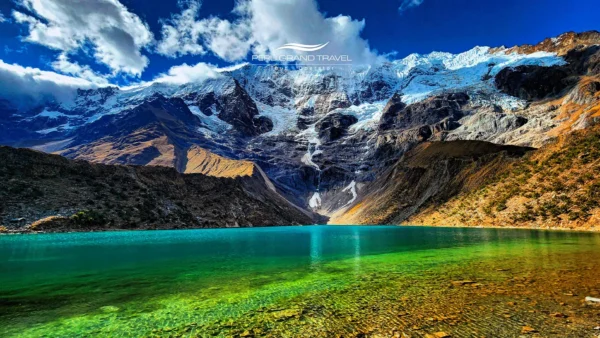
Choosing where to stay hotel in downtown Cusco is not just a matter of location, but of experience. Staying close to the Plaza de Armas makes logistics easier and reduces physical effort at altitude, but it also means more activity and noise. Areas like San Blas or nearby streets offer different balances of access, rest, and atmosphere. The best accommodation is not the most central or the most expensive, but the one that fits your travel rhythm, your need for rest, and how you want to experience the city from within.
Table of Contents
Why staying at hotel in downtown Cusco changes your entire travel experience
When you stay at hotel in downtown Cusco, everything shifts slightly. The city stops feeling like a place you simply visit and begins to become part of your day. You step out for a walk and, without trying too hard, you come across a street full of history, a lively market, a plaza with music, or an everyday scene that was never part of your plan.
That has real value.
Outside the center, almost everything requires more planning. You have to think about how to get around, calculate time, arrange transportation. But when you are well located, many things simply happen. You walk more, observe more, and better understand what surrounds you.
And in Cusco, that matters.
The city sits at over 3,300 meters above sea level. That’s why every uphill walk is felt, every long distance is more tiring than expected, and every unnecessary transfer can drain your energy. Staying close to key points doesn’t just make the trip more comfortable. It makes it more manageable.
But there is something even more important: the cultural experience.
The historic center is not just a collection of beautiful streets or old buildings. It is a living part of Cusco. There is constant movement, local commerce, sounds, celebrations, and unexpected moments. Being there allows you to experience the city from within, not just pass through it.
I’ve seen travelers choose more remote areas because they seem quieter—and yes, sometimes they rest better. But they also miss something: the chance to understand Cusco through its small moments, not just through scheduled visits.
What does “downtown Cusco” really mean?
Many travelers assume that any place near the center works the same. But in Cusco, small details can significantly change the experience.
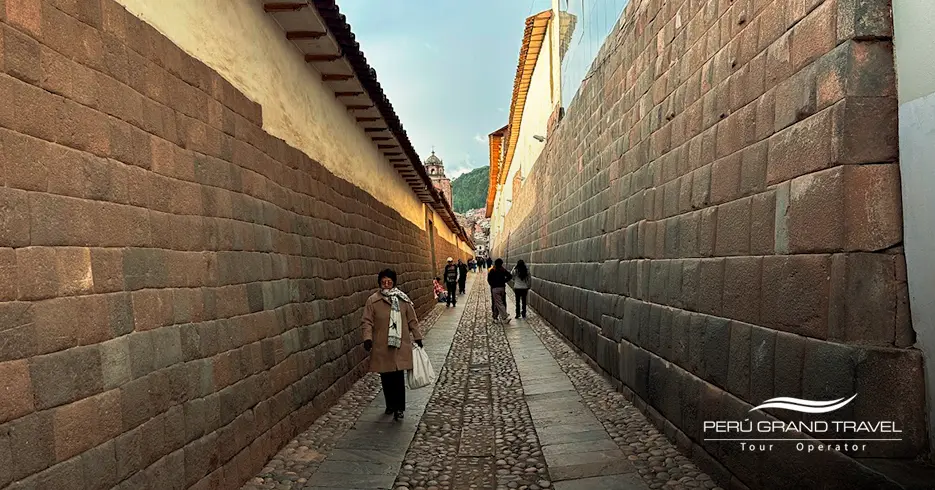
Not all streets are the same. Some are steeper, others busier, and others more accessible. And that ends up influencing everything: how tired you get, how easily you move around, and even how you perceive the city.
This is where precision matters.
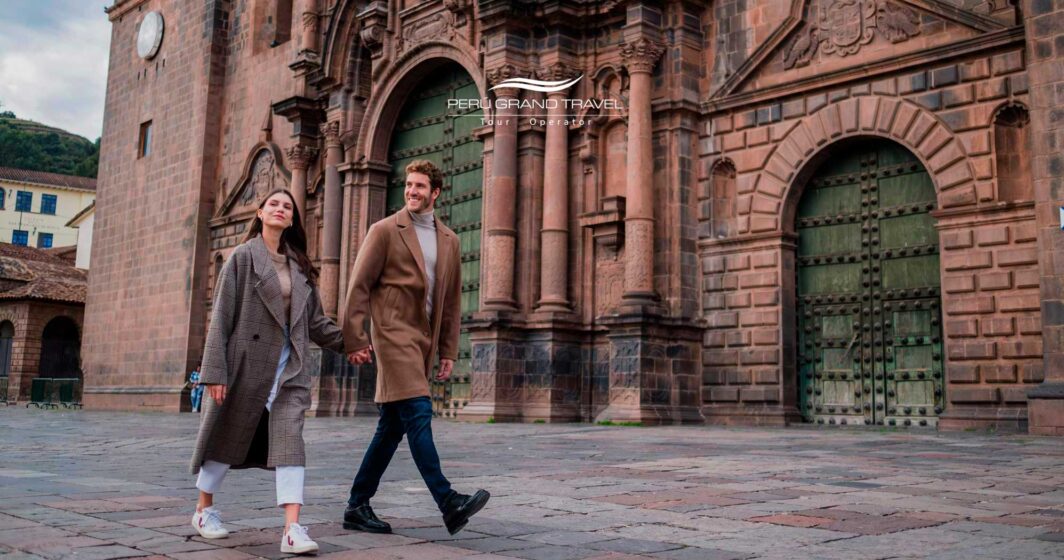
Historic Center vs. surrounding neighborhoods
Cusco’s historic center is not just a part of the map. It is the area where the city is still experienced on a human scale. Its streets were shaped long before modern traffic, its distances invite walking, and much of daily life still revolves around plazas and public spaces.
Outside this core, the experience changes more than it seems. There are neighborhoods that look close on the map, but in reality involve steep climbs, narrow streets, or routes that—due to the altitude—end up being more exhausting than expected. That’s where the difference lies.
It’s not just about how many minutes separate one point from another.
It’s about the effort that journey demands every time you leave or return.
I’ve seen accommodations that claim to be “very close to the center,” but in practice make the traveler rely on taxis for almost everything. And in a city like Cusco, that disrupts the natural rhythm of the trip.
On the other hand, when you stay well within the historic center, you don’t feel like you’re constantly going back and forth.
Plaza de Armas as the geographic and experiential core
In Cusco, many things revolve around the Plaza de Armas.
It’s not just a landmark or an easy reference point. It’s the hub from which restaurants, main streets, access to tours, transportation to the Sacred Valley, and many departures toward Machu Picchu connect.
That’s why staying nearby helps you move more efficiently, coordinate less, and spend less energy on unnecessary routes.
But there’s another side to consider.
Being too close can come at a cost: more noise, more movement, more activity at night. Sometimes, staying right next to the plaza doesn’t mean better rest—it means being more exposed to the constant rhythm of the center.
That’s why it’s not just about sleeping in the plaza or as close as possible.
It’s about finding a location that allows you to benefit from its access, without compromising your rest and the way you want to experience your trip.
Distance vs. accessibility: a critical distinction
A hotel may seem very well located because it’s just 400 meters from the plaza, but in practice it can be less comfortable than another one that is 800 meters away.
In Cusco, not everything depends on distance. Other factors also matter:
- Steep slopes
- Uneven cobblestone streets
- Hidden stairways along “short” routes
- Restricted traffic in certain areas
Choosing well means looking beyond the map. It’s worth checking what the route is really like, how easy it will be to walk around the area, and how that location fits with your travel rhythm.
Types of hotels in downtown Cusco: which one fits your travel style
Not all accommodations are suited to the same type of traveler.
And in Cusco, that difference is not aesthetic. It’s structural.
I’ve seen people choose their destination well, plan great experiences, and still make a mistake when selecting the type of hotel. Not because the place was bad, but because it didn’t match what they truly needed.
And when that happens, the trip isn’t ruined—but it loses its flow.
Boutique hotels inside colonial houses
They are probably one of the most authentic ways to connect with Cusco, even before stepping out to explore the city.
It’s not just about how beautiful they are. What makes them special is the atmosphere they create: stone walls, interior courtyards, warm lighting, and details that respect the history of the place instead of trying to erase it.
The pace changes. You slow down a little, observe more, and begin to enjoy the moments of pause—not just the outings or visits.
Luxury hotels with heritage architecture
The identity of the place is preserved, but something is added that many travelers truly value: more comfort, more order, and a greater sense of control.
There is usually better noise insulation, more thoughtful rest, more consistent service, and details designed to make everything feel simpler. Not because the trip has to feel rigid, but because many small frictions disappear.
Here, luxury hotel in peru is not about excess.
It’s about the peace of mind that comes from knowing everything is well taken care of.
For those seeking comfort, good service, and at the same time wanting to stay connected to the cultural character of the city, this type of accommodation tends to be a great fit.
Budget and mid-range options: what you gain and lose
What they usually offer is the essential: a comfortable bed, an acceptable location, and basic services that cover what’s needed. For many travelers, that’s enough—especially if the trip is short or if the plan is to spend most of the time বাইরে exploring.
Still, there are some differences worth considering:
- Less noise insulation
- Less personalized service
- Spaces without a clear cultural narrative
And that doesn’t have to be a problem.
It simply defines a different type of experience—more functional, more direct, less immersive.
The issue arises when people expect from these options something they are not designed to provide.
Airbnb vs hotel: control vs service
Choosing between an Airbnb and a hotel is not just about price. It has more to do with how you want to travel.
An Airbnb usually offers more autonomy. It provides more space, greater flexibility, and that feeling of moving with more freedom. It can be a good option for longer stays or for those who prefer to organize everything on their own.
But in Cusco, that independence also requires more:
- Coordination of keys and Access
- Lack of immediate support in case of unexpected issues
- Less assistance with tours, transportation, or changes
A hotel, on the other hand, simplifies the experience much more. There is a front desk, quick support, and more structured logistics. All of that reduces decision-making and allows the trip to flow with less effort.
And in a destination like Cusco—where schedules, transfers, and even the weather can strongly influence your day—that difference becomes noticeable.
How to choose the best hotel in downtown Cusco
Choosing well doesn’t depend on luck.
It depends on looking at things in the right order.
I’ve seen travelers compare prices, photos, and ratings—and still end up making the wrong choice. Not because they lacked information, but because they analyzed details separately and didn’t understand how everything works together in the real experience.
Because in Cusco, it’s not enough for a hotel to look good or have great reviews. What also matters is how it connects with your travel rhythm, the altitude, the location, and the logistics of each day.
Step 1: Define your travel rhythm
Before looking at hotels, define how you want to experience the destination.
A slow-paced trip needs spaces that support rest: silence, thoughtful design, and common areas that invite you to pause.
A more intensive trip prioritizes location and efficiency: check in, sleep, go out.
The mistake is mixing both.
Choosing a hotel designed for rest… and not using it.
Or choosing a functional one… and expecting it to provide an experience.
Your accommodation should amplify your rhythm, not contradict it.
Step 2: Evaluate altitude impact and first-night strategy
In Cusco, altitude is not a minor detail. You feel it. And many times, the first night sets the tone for the entire trip. That’s why accommodation plays a more important role than it may seem—especially upon arrival.
- Easy access (without demanding uphill walks)
- The possibility of real rest
- Basic support: herbal infusions, oxygen in some cases
I’ve seen very well-organized trips start with difficulty simply because of a poor accommodation choice upon arrival in the city. Not because the hotel was bad, but because its location or access was not suitable for that first day.
Choosing well at this stage won’t make your trip perfect.
But it will prevent it from starting uphill.
Step 3: Prioritize location vs noise vs views
You can’t have everything at the same time—and in Cusco, that becomes quite evident.
The more central a place is, the more activity there tends to be around it. If you’re looking for more silence, you’ll usually need to move a bit farther away. And if you prioritize great views, that often means staying in a higher area, with steeper slopes and more effort when getting around.
The point is not to avoid making a choice.
It’s to clearly understand what each choice implies.
Step 4: Check logistics: transfers, tours, early departures
In Cusco, travel logistics matter more than they seem.
Many activities start early and run on fairly precise schedules: departures to the Sacred Valley, trains to Machu Picchu, early morning pick-ups. Everything is connected, and your accommodation’s location can either help your day flow… or make it more complicated.
When the hotel is well located within the center, it’s usually easier to coordinate pick-ups, arrive on time, and handle changes with less stress. It also reduces the risk of delays or unnecessary routes right when it matters most.
Step 5: Read reviews with a critical lens
Reviews can be very helpful—but only if you read them with the right criteria.
A high rating doesn’t always mean that a place is the right fit for you. What matters is not just the overall score, but understanding what kind of experience other travelers are actually describing.
It’s worth paying attention to recurring comments, especially if they mention noise, real accessibility, stairs, steep climbs, or difficulty getting around. It’s also useful to notice how people describe the quality of rest and whether the place truly delivers what it promises in its photos or description.
On the other hand, it’s not always helpful to be guided by overly emotional opinions or isolated reviews that may not affect your way of traveling at all.
Best areas to stay within downtown Cusco
Even within the same center, small changes in location can make a big difference. A few blocks uphill, a busier street, or an area with more incline can completely change the experience.
I’ve seen hotels very close to each other offer completely different sensations: one noisier, another quieter; one easy to get around, another much more tiring in daily routines.
Plaza de Armas: central but intense
It is, without a doubt, the most practical area. But also one of the most intense.
From here, everything is within reach: restaurants, meeting points for tours, transportation, and easy reference points to get around. For first-time visitors to Cusco, this creates an immediate sense of control and comfort.
Staying close to the Plaza de Armas makes the trip much easier—especially when time is limited and every transfer counts. But that same centrality also brings constant movement. There is more noise, more foot traffic, and an activity that continues even at night, especially in accommodations located right in front of the plaza or on nearby streets.
That’s why this area works very well for those who want to keep everything simple, make the most of their time, and don’t mind a more active environment.
San Blas: charm, slopes, and silence
San Blas doesn’t try to replace the Plaza de Armas. It offers a different way to experience Cusco.
Its streets are narrower, there are workshops, small cafés, and a rhythm that feels more relaxed. It’s an area full of charm, where the city seems to speak more softly and leaves space to observe with calm.
That’s why it attracts so many people.
Getting around San Blas involves frequent uphill and downhill walks, and in a high-altitude city, that’s felt more than many expect. What may seem picturesque and charming at first can become tiring after several trips throughout the day.
Even so, it remains a very good choice for those who value a more cultural atmosphere, enjoy walking at a slower pace, and don’t mind taking on a bit more physical effort.
Calle Loreto & surroundings: balance and accessibility
Here, a more balanced option appears.
It’s an area with less noise than the surroundings of the Plaza de Armas and, at the same time, with easier access than San Blas. Within what Cusco offers, its streets are usually more comfortable to move around and allow you to stay close to key points without feeling overwhelmed.
For many travelers, this balance is the most efficient:
- Quick access to key points
- Less exposure to noise
- Easier mobility
It may not have the prominence of other, more well-known areas, but it efficiently covers what matters most.
Common mistakes when booking a hotel in downtown Cusco
None of these mistakes are usually obvious at the time of booking.
And that’s where the difference appears.
I’ve seen choices that weren’t bad in themselves, but ended up creating constant discomfort. Not because of a lack of quality, but because no one considered how that accommodation actually fit with the destination and the way of traveling.
These are some of the most common mistakes.
Choosing based on price alone
Price draws attention, and it’s normal for it to influence the decision. But in Cusco, it almost never tells the whole story.
Many more affordable options compensate for that value in other aspects that are not always immediately visible: more noise, less comfortable access, simpler facilities, or locations that turn out to be impractical in daily use.
And that’s the point.
Sometimes, what seems like a convenient saving at the time of booking ends up costing more in fatigue, unnecessary transfers, and a less fluid travel experience.
Ignoring elevation and first-day fatigue
Many travelers choose accommodations that involve immediate physical effort: uphill walks, stairs, uneven streets. All of that, after arriving, feels more intense than expected.
The result is predictable:
- Early fatigue
- Slower adaptation
- A slower start to the trip
It may not seem like a major detail at the time of booking, but in reality it influences the experience from the very first moment.
And in a destination like Cusco, that first moment matters a lot.
Underestimating street noise and nightlife
Staying close to the center also means being close to the activity.
And with that activity come the sounds: music, traffic, people, and events that last longer than many expect. In Cusco, especially in areas near the Plaza de Armas, nightlife can be much more active than anticipated.
The issue arises when you choose a place like this without considering what it means for your rest.
Because sleeping poorly in Cusco doesn’t feel the same as in other destinations. With the altitude, your body is already making an extra effort to adapt, and a bad night can have a much greater impact on your energy the next day.
That’s why, rather than avoiding a lively area, what really matters is understanding whether it truly fits your way of traveling and resting.
Booking without understanding tour logistics
In Cusco, many parts of the trip depend on good coordination.
Pick-ups are usually early, trains run on fixed schedules, and routes to the Sacred Valley or Machu Picchu require moving with a fair level of precision. In all of this, the location of your accommodation matters more than it seems.
If you choose an impractical place, issues can arise that are not obvious at first: unnecessary walks at key moments, delays in pick-ups, or a higher margin of error when connecting with trains and tours.
And that affects the flow of the trip.
When is the best time to book a hotel in downtown Cusco
High season vs shoulder season dynamics
Between May and September, Cusco goes through one of its most favorable periods for travel. The weather is usually more stable, there is less rain, and clear days make exploring the city and its surroundings more comfortable.
And that, naturally, attracts more travelers.
During these months:
- The best locations are booked first
- Rates increase progressively
- Flexibility disappears
That’s why booking late during this period doesn’t always mean missing out on accommodation.
It usually means having to choose from what’s left available—not from what truly suits you.
On the other hand, in months like April and October, the situation tends to feel more balanced. There is less pressure, more room to compare options, and in many cases, still good conditions for traveling.
Events that reshape availability
Cusco doesn’t only change because of the number of travelers it receives. It also changes according to its calendar.
There are dates like Inti Raymi or Corpus Christi that completely transform the city. The atmosphere becomes more intense, there is more movement in the streets, and at the same time, logistics become much tighter. And that directly affects accommodation.
During these periods:
- The historic center becomes saturated
- The best-located accommodations are booked months in advance
- Rates reach their highest point
That’s why, during these dates, booking in advance is not just a recommendation.
It’s almost a necessity.
Last-minute booking: risk vs opportunity
Booking at the last minute can sometimes work out well. But in reality, it’s still a gamble.
In low season, that decision may open some opportunities: better prices, unexpected availability, or even a bit more room to negotiate.
But in high season, the opposite usually happens:
- Fewer well-located options
- Worse value for money
- Forced decisions
The issue is not knowing when that risk might work in your favor—and when it might complicate your trip.
Perspective Real: What I learned after seeing travelers choose wrong
I’ve seen travelers invest well in the most visible parts of the trip: flights, tours, experiences, tickets. But then overlook something that seems secondary and that, in reality, has a much greater impact than it appears: where they stay.
And that’s where the imbalance begins.
Because a poor accommodation choice doesn’t always create an immediate problem. It doesn’t ruin the trip all at once. What it does is more subtle: it gradually adds small frictions, small discomforts, small losses of energy.
The illusion of “perfect location”
Many travelers try to stay as close as possible to the center, as if that automatically guaranteed a better experience.
But that’s not always the case.
I’ve seen accommodations right in front of the plaza that, in theory, seemed ideal—but in practice made something basic difficult: getting good rest. The location was excellent on the map, yes, but not necessarily in the real experience.
And that’s where the difference lies.
There is no absolute “best location.” It depends on how you travel, how much you value rest, the pace you want to keep, and what you expect from each day.
The hotel that looked good but failed the experience
Sometimes everything looks right on paper.
The photos are good, the reviews inspire confidence, and the price seems reasonable. But when you arrive, you realize something doesn’t quite fit.
Not necessarily because the place is bad.
It simply doesn’t add anything.
There are rooms that meet the standard but feel cold. Services that are correct, yet distant. Spaces that solve the basics, but don’t truly support the travel experience.
I’ve seen this more than once.
Cusco has a very defined personality. It’s a city with history, texture, and an atmosphere you can feel in its streets. When you stay in a place that doesn’t connect at all with that environment, a kind of disconnection appears—hard to explain, but easy to notice.
That’s why not everything can be measured in stars, photos, or ratings.
Some things are simply felt when a place doesn’t align with the destination.
How connection with culture starts with where you sleep
This is where everything starts to make more sense.
Accommodation doesn’t serve only a practical function. It’s not just the place you return to sleep. It is also your first real contact with the city and the space from which you begin and end each day.
And that influences more than it seems.
When you stay in a place that respects its surroundings, that incorporates local materials, preserves a sense of history, or conveys an atmosphere aligned with Cusco, your perception of the trip changes. Not because it is more beautiful, but because it helps you enter a different rhythm.
I’ve seen travelers experience Cusco in a completely different way simply because of where they stayed. Because that space invited them to slow down, to observe more, and to connect more deeply with what they were living.
And that difference doesn’t always appear in the itinerary.
Many times, it shows up in how you end up feeling the journey.
FAQ – Hotel in Downtown Cusco
What is the best area to stay in downtown Cusco?
The best area is around Plaza de Armas for first-time visitors, while San Blas offers a quieter and more cultural experience.
How far should a hotel be from Plaza de Armas in Cusco?
Ideally within a 5 to 10-minute walk. Beyond that, distance starts affecting convenience due to altitude and uneven streets.
Is it better to stay in downtown Cusco or outside the city?
Downtown Cusco is better for short stays and first visits because it allows easier access to attractions, restaurants, and tours.
Are hotels in downtown Cusco safe?
Yes, the historic center is generally safe, especially near main streets and tourist zones, though basic precautions are recommended.
Do hotels in downtown Cusco include oxygen or altitude support?
Many mid-range and luxury hotels offer oxygen assistance or coca tea to help with altitude acclimatization.
Is downtown Cusco noisy at night?
Yes, especially near Plaza de Armas. Travelers seeking quiet should consider areas like San Blas or streets slightly removed from the center.
What type of hotel is best for a cultural experience in Cusco?
Boutique hotels in restored colonial houses provide a more authentic and immersive cultural experience.
How much does a hotel in downtown Cusco cost per night?
Prices range from $30 for budget stays to over $300 for luxury hotels, depending on location and services.
Should I book a hotel in Cusco before arriving or last minute?
Booking in advance is recommended, especially during high season (May–September) and major festivals.
Do hotels in downtown Cusco help organize tours to Machu Picchu?
Yes, most hotels can coordinate tours, transport, and logistics, although specialized agencies often provide more complete experiences.

Experiences

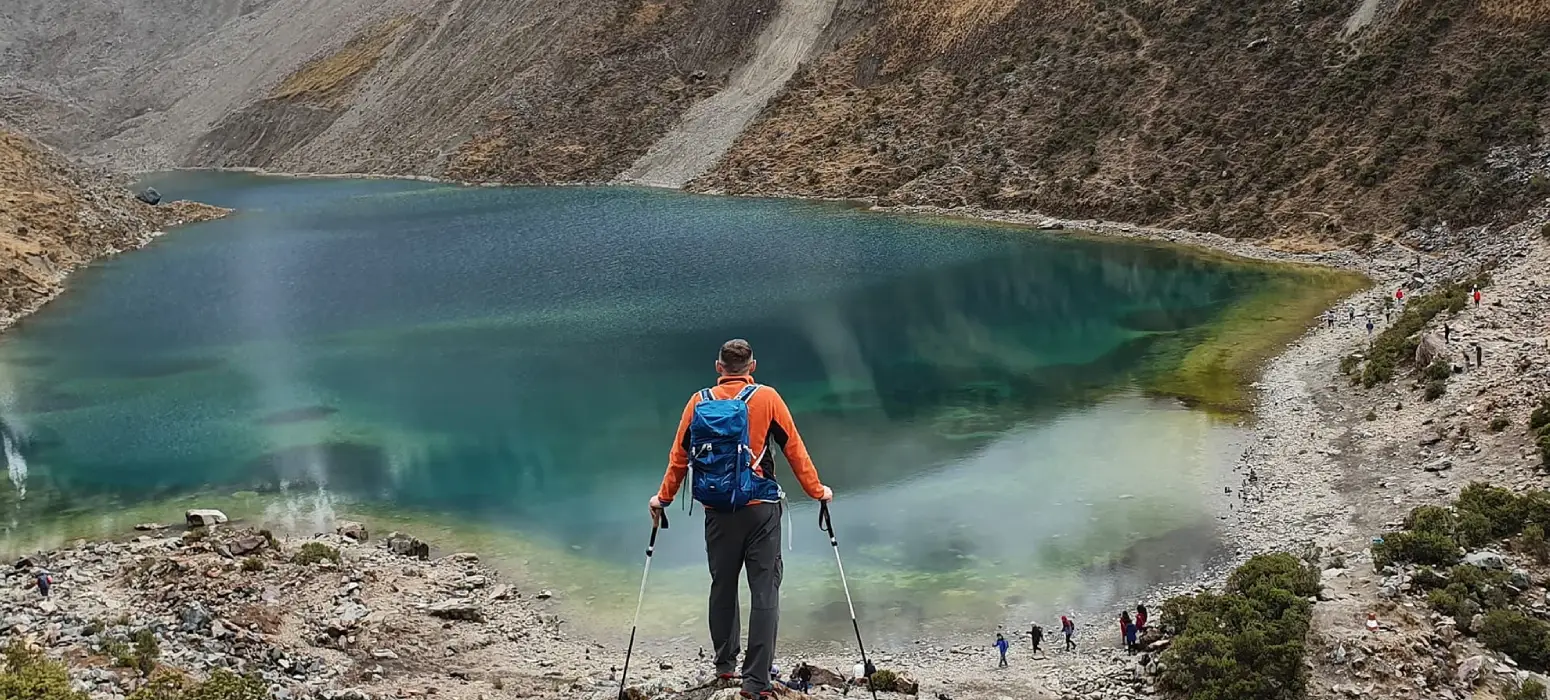
Machu Picchu Challenge 8D/7N
Cusco, Sacred Valley Humantay Lagoon, Rainbow Mountain & Machu Picchu.
View Tour
Colonial Lima and Sacred land of the Incas 7D/6N
Lima, Cusco, Sacred Valley & Machu Picchu.
View Tour