Are you wondering where to buy souvenirs in Peru during your trip? Over time, major tourist cities such as Lima, Cusco, Arequipa, and Puno have become the most recommended destinations for purchasing handicrafts and traditional products.
Table of Contents
In Lima, areas like Miraflores and Barranco concentrate markets and specialized shops; in Cusco, San Pedro Market and artisan centers in the historic district are key locations; in Arequipa, San Camilo Market and the surroundings of Plaza de Armas offer textiles and regional items; while in Puno, local markets and cooperatives near Lake Titicaca stand out for their handcrafted production.
In this guide, you will find clear information on where to shop, what products to choose, and how to identify authentic options in each destination.
The Importance of Where to Buy Souvenirs in Peru
A souvenir serves the purpose of preserving a tangible memory of the travel experience. Beyond its material value, it helps recall the places visited, the activities experienced, and the cultural context encountered during the stay. In this way, buying souvenirs in Peru carries both cultural and economic impact, while also representing a meaningful part of the overall travel experience.
The Cultural Value of Peruvian Handicrafts
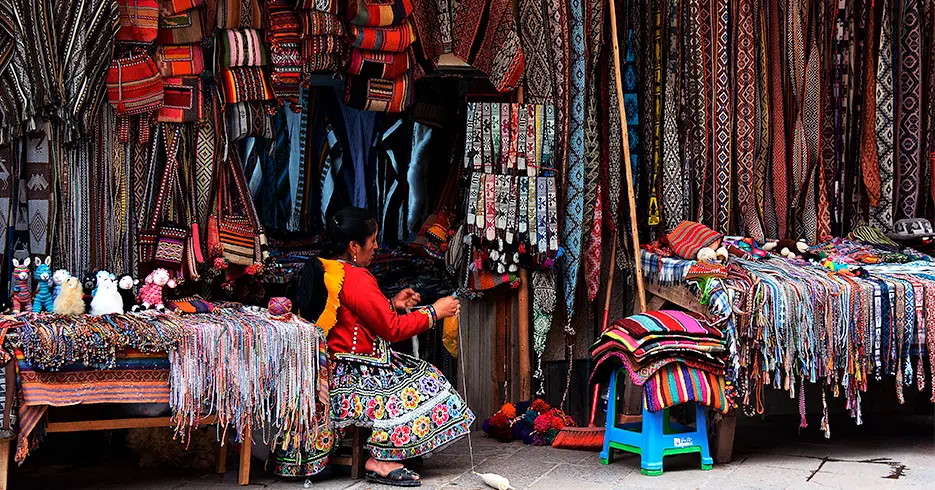
Buying souvenirs in Peru has an economic, cultural, and personal impact. Beyond representing a memory of the trip, purchasing handicrafts directly supports the economy of local families, workshops, and cooperatives. In many regions, such as Cusco, Puno, or Arequipa, artisan production is an important source of income, so each purchase helps sustain these productive activities.
Supporting Local Communities and Responsible Tourism
On the other hand, from a personal perspective, Peruvian handicrafts are the result of a cultural heritage that combines Andean, Amazonian, and colonial traditions. Handwoven textiles, hand-painted ceramics, stone or wood carvings, and silver jewelry are not merely decorative objects; many incorporate symbols connected to the Andean worldview, nature, and community life. By acquiring these pieces, travelers obtain a product with its own identity and historical significance, beyond a conventional tourist souvenir.
How to Recognize Authentic Handicrafts in Peru
To identify authentic handicrafts in Peru, consider the following practical points:
- Materials: Check the composition. For alpaca garments, review the label (100% alpaca or baby alpaca). Synthetic fibers tend to feel more rigid and uniform.
- Finish: Handmade pieces show slight variations in shape, size, or color. Industrial products are completely identical.
- Weaving or carving details: Observe whether the design is integrated into the fabric or appears as a surface print. In ceramics or wood, check if the decoration is hand-painted rather than printed.
- Origin information: Ask who made the item and in which region. Cooperatives and formal markets usually provide clear details.
- Reasonable pricing: If the price is significantly lower compared to similar products, it is likely not handmade.
Applying these criteria helps distinguish handmade products from mass-produced items.
Best Places to Buy Souvenirs in Peru
As a general recommendation, when choosing places to buy souvenirs in Peru, prioritize formal markets, recognized artisan centers, and shops that clearly provide information about the origin of their products. In cities such as Lima, Cusco, Arequipa, and Puno, these spaces are usually located in central areas and operate with greater commercial oversight. Compare prices, check quality, and ask about the origin of the item before purchasing. These steps help ensure an informed and reliable purchase during your trip.
Artisan Markets in Cusco
San Pedro Market
- Location: It is located in Cusco’s Historic Center, in Plaza San Pedro, just a few blocks from the Plaza de Armas.
- How to get there:
If you are at the Plaza de Armas, walk along Mantas Street heading west until you reach the Santa Clara Arch; the market is located just before crossing the arch. The walk takes approximately 8 to 10 minutes.
From other parts of the city, you can take a taxi; travel time within the city center usually ranges from 5 to 15 minutes, depending on traffic. It is also accessible by public transportation that passes through the historic center, getting off near the Santa Clara Arch.
Cusco Artisan Market
- Location:
It is located on Avenida El Sol, just a few blocks from Plaza de Armas, in Cusco’s Historic Center. It is one of the most well-known formal spaces for handicraft sales in the city. - How to get there from Plaza de Armas:
From Plaza de Armas, take Mantas Street and walk toward Avenida El Sol. Once you reach the avenue, turn left and continue straight. In approximately 5 to 8 minutes on foot, you will find the Artisan Market along this main avenue.
Access is straightforward, as it is a wide and well-marked avenue with constant commercial activity and pedestrian traffic. It can also be reached by taxi in a short ride within the historic center.
Neighborhood Artisan Fairs
In Cusco, neighborhood artisan fairs are mainly organized in Plaza de Armas and other public spaces during festive dates on the local calendar. These fairs bring together artisans from different districts and nearby communities, who set up temporary stalls to sell their products directly.
One of the most well-known is the Santurantikuy, held every December 24 in Plaza de Armas. This traditional celebration gathers artisans from the city and rural areas, offering religious images, nativity figures, retablos, ceramics, wood carvings, and other products related to the Christmas season.
During these dates, the fair becomes one of the main places to purchase handicrafts directly from local producers.
Where to Buy Souvenirs in Lima
Indian Market
- Location: Avenida Petit Thouars, Miraflores district, Lima.
This area concentrates several galleries and continuous stalls dedicated to handicraft sales. - How to get there:
If you are at Kennedy Park (Miraflores center), walk toward Avenida Arequipa and then continue to Avenida Petit Thouars. In approximately 10 to 15 minutes on foot, you will reach the area where the Indian Market is located.
You can also take a taxi from anywhere in Miraflores; the ride usually takes between 5 and 10 minutes.
Artisan Boutiques in Barranco
- Location: Central streets of Barranco, especially around the Bridge of Sighs and the district’s Plaza de Armas.
- How to get there:
From Miraflores, you can take a taxi to Barranco, which takes approximately 15 to 20 minutes. If you are already in Barranco, locate Plaza de Armas and walk through the surrounding streets, where independent shops and galleries are concentrated. The boutiques are located within a few blocks, making it easy to explore the area on foot.
Larcomar
- Location: Malecón de la Reserva, Miraflores, facing the Pacific Ocean.
- How to get there:
From Kennedy Park, walk along Avenida Larco toward the malecón; the walk takes approximately 15 to 20 minutes. It is also accessible by taxi from anywhere in Miraflores in less than 10 minutes. Larcomar is a formal shopping center where you will find stores offering alpaca clothing, jewelry, and Peruvian products in an organized setting.
Souvenir Shopping in Arequipa
Artisan Stalls Near Plaza de Armas in Arequipa
- Location: Around Plaza de Armas, within Arequipa’s Historic Center.
- How to get there:
If you are staying at any hotel in the city center, you can walk to Plaza de Armas, which is the main landmark of the city. Once at the plaza, explore the nearby pedestrian streets and galleries, where shops and small stalls sell textiles, embroidery, and regional products. Access is direct and clearly marked within the tourist area.
Local Alpaca Stores
- Location: Mainly on central streets such as Calle Mercaderes and around Plaza de Armas.
- How to get there:
From Plaza de Armas, walk along Calle Mercaderes, a pedestrian street located just a few meters from the plaza. Along the way, you will find stores specializing in alpaca and baby alpaca garments. The entire route can be done on foot and takes no more than 5 to 10 minutes from the city center.
San Camilo Market
- Location: A few blocks from Plaza de Armas, between San Camilo and Perú streets.
- How to get there:
From Plaza de Armas, head south along Calle Perú. The walk takes approximately 8 to 10 minutes. You can also take a taxi from anywhere in the historic center; the ride is short.
The market combines food vendors with a section where you can find textiles, handicrafts, and local products.
Where to Buy Souvenirs in Puno and Lake Titicaca
Local Artisan Markets
- Location: In downtown Puno, mainly on streets near Parque Pino and Plaza de Armas.
- How to get there:
If you are at Plaza de Armas in Puno, you can walk along the nearby pedestrian streets and avenues where small artisan markets and shops are located. The walk takes only a few minutes, as the city center is compact and easy to navigate.
These markets sell embroidered textiles, wool hats, blankets, and items related to highland culture.
Community Artisan Cooperatives
- Location: In communities near Lake Titicaca, including inhabited islands such as Uros Islands and Taquile Island.
- How to get there:
From the port of Puno, tourist boats depart to the islands of Lake Titicaca. Travel time ranges from 30 minutes to 2 hours, depending on the destination.
In these communities, products are made and sold directly by local families, allowing visitors to purchase handicrafts with clear information about their origin and production process.
What Souvenirs to Buy in Peru
When choosing which souvenirs to buy in Peru, it is advisable to select products that represent the culture and traditions of each region. Among the most common are Andean textiles, alpaca garments, ceramics, silver jewelry, and food products such as coffee, chocolate, or pisco.
Each of these items is linked to traditional techniques and specific regions of the country, so selecting them allows you to take home a souvenir that reflects the cultural identity of the destination visited.
Alpaca and Baby Alpaca Clothing
Alpaca clothing is one of the most representative souvenirs from Peru and includes sweaters, scarves, ponchos, blankets, and coats.
In terms of texture, alpaca feels soft to the touch, lightweight, and flexible. It should not feel rough or stiff. When you run your hand over the garment, the fiber is even and does not cause excessive itchiness. Baby alpaca is even finer and softer, with a feel similar to very delicate wool or cashmere, yet without being heavy.
Natural alpaca fiber does not have a plastic shine; its finish is matte or slightly satin. It also retains warmth without being thick, so the garment feels light yet insulating. When folded, it easily returns to its shape and does not stiffen like some synthetic fibers.
It is advisable to check the composition label to verify the percentage of alpaca, as some garments may contain acrylic blends.
Handmade Andean Textiles
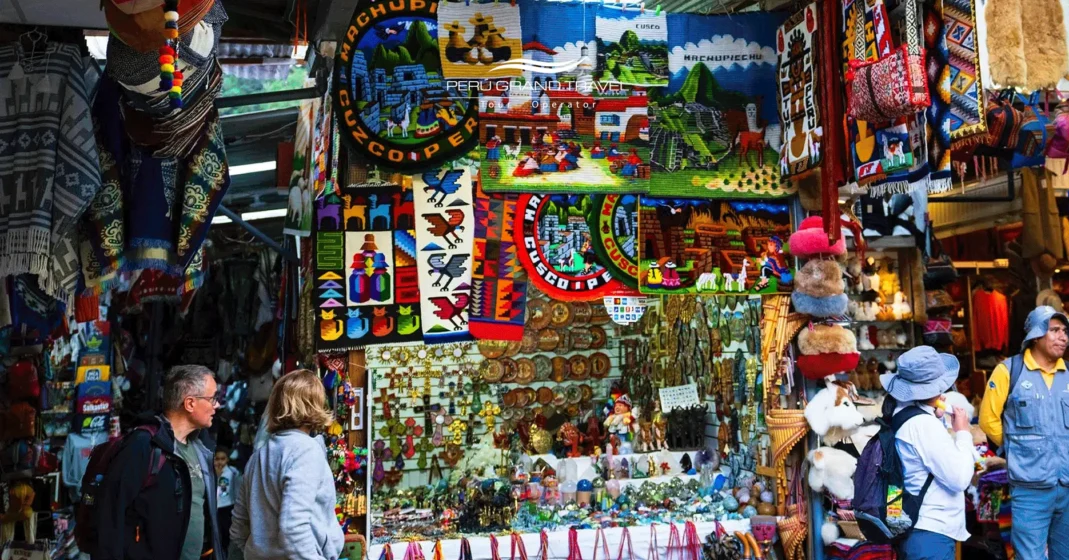
Handmade Andean textiles include blankets, shawls, bags, tapestries, and table runners woven on traditional looms. These products are characterized by geometric designs and patterns that represent elements of nature and cultural symbols of Andean communities.
To identify a handcrafted textile, examine the weaving: the designs are integrated directly into the fiber rather than printed on the surface. When touching the piece, you can feel the texture of the weave and the consistency of the thread. Slight variations in the pattern or weaving tension are common, indicating manual work rather than industrial production.
These textiles are mainly found in artisan markets in Cusco and Puno, as well as in community fairs where producers sell their own products directly.
Peruvian Silver Jewelry
Peruvian silver jewelry is one of the most sought-after souvenirs, especially in cities such as Cusco and Lima. It includes rings, bracelets, earrings, necklaces, and pendants with designs inspired by Andean symbols and pre-Hispanic cultures.
To verify that it is authentic silver, check that the piece is stamped with 925, which indicates sterling silver (92.5% purity). Genuine silver has a natural shine—not overly glossy or dull—and a moderate weight compared to lighter pieces made from mixed metals.
It is also advisable to purchase from formal stores or specialized vendors who can confirm the metal’s purity and provide a receipt. This helps ensure the quality and authenticity of the material.
Traditional Ceramics and Pottery
In Peru, you can find decorative ceramics, utensils, and replicas inspired by pre-Hispanic styles from different cultures. These include vessels, plates, figurines, and ornamental pieces that reproduce traditional shapes and designs.
To identify a handcrafted piece, check whether the details are hand-painted rather than printed. The lines may show slight variations and may not be completely uniform. It is also common for the base to have small differences in finish, indicating manual work. Mass-produced pieces are usually identical and have completely uniform finishes.
Retablos and Folk Art
Retablos are wooden boxes decorated inside with small figures representing religious scenes, festivals, or everyday activities. They are traditionally handmade, and each piece may vary in composition and detail.
In addition to retablos, Peruvian folk art includes festive masks, wood carvings, and traditional figures linked to local celebrations. These items are most commonly found in artisan markets in Cusco and Ayacucho.
Peruvian Coffee, Chocolate, and Pisco
Among the most purchased gastronomic souvenirs in Peru are coffee, chocolate, and Pisco.
- Peruvian coffee: Mainly comes from Andean and Amazon regions. It is sold in whole beans or ground, and it is advisable to check the label for the region of origin and roast date.
- Peruvian chocolate: Made with locally grown cacao. It can be found in bars or artisanal presentations. It is recommended to check the cocoa percentage listed on the packaging to understand its concentration.
- Pisco: A grape-distilled alcoholic beverage with Peruvian designation of origin. The label should indicate the type of pisco (such as quebranta, acholado, or mosto verde) and the producer. If transporting it internationally, it must be placed in checked luggage and comply with the customs regulations of the destination country.
Traditional Markets in Peru for Authentic Souvenirs
Traditional markets in Peru are one of the main options for buying authentic souvenirs. In these spaces, artisans and local vendors participate directly, allowing access to handmade products and clear information about their origin. Unlike shops focused exclusively on tourism, markets usually offer greater variety and more competitive prices.
Visiting Local Markets vs. Tourist Shops
When buying souvenirs in Peru, you can choose between local markets and formal tourist shops. Each option has different characteristics.
- In local markets, there is usually a greater variety of products and the opportunity to compare prices among different vendors. In some cases, sellers are direct producers or work with artisan communities. Prices may be more flexible, and bargaining is common in certain areas.
- In formal tourist shops, prices are generally fixed and products are organized by category. These stores usually provide a receipt and, in some cases, clear information about the product’s composition and origin.
The choice will depend on the type of experience you are looking for and the level of information or formality you prefer as a buyer.
Best Time of Day to Shop
If you would like to find a greater variety and compare options comfortably, it is recommended to shop in the morning. At that time, stalls are usually fully stocked, making it easier to find different sizes, colors, or models available.
In some markets, there is also a custom that the first sale of the day is important for the vendor, which may make price discussions easier. In the afternoon, especially near closing time, some products may be sold out. Therefore, planning your shopping in the morning can make the experience more practical and organized.
Luxury Souvenir Stores and Boutiques in Peru
In addition to traditional markets, Peru has luxury souvenir stores and boutiques that offer products with higher levels of finish, design, and quality control. These establishments are usually located in formal commercial areas of cities such as Lima, Cusco, and Arequipa.
In these types of stores, you can find certified alpaca garments, silver jewelry with purity stamps, contemporary design pieces, and items produced under formal trade standards. Prices are fixed and generally include a receipt, providing greater security for the buyer.
Choosing boutiques may be a suitable alternative if you are looking for a specific product, detailed information about its composition, or a more formal presentation of the item.
High-End Alpaca Brands
In Peru, there are brands specialized in alpaca and baby alpaca garments that operate with defined quality standards and composition control. These companies offer sweaters, coats, scarves, and accessories made from selected fibers and labeled according to their alpaca percentage.
Among the most recognized brands are Kuna and Sol Alpaca, with stores in Lima, Cusco, and Arequipa. In these establishments, prices are fixed and garments include clear information about the type of fiber used.
Contemporary Peruvian Design Stores
Contemporary Peruvian design stores offer products that combine traditional artisan techniques with modern proposals. In these spaces, you can find textiles, ceramics, jewelry, and decorative objects with contemporary lines while maintaining the use of local materials.
They are generally located in commercial areas of Lima, especially in Barranco and Miraflores, as well as in central areas of Cusco. Prices are fixed, and products often include information about the designer or the origin of the item. This option is suitable for those looking for a souvenir with a modern design and formal presentation.
Sustainable and Fair-Trade Shops
Sustainable and fair-trade stores work directly with artisan communities and local producers. In these establishments, product traceability is prioritized, meaning clear information about who made the item and in which region.
These stores ensure fair payments to artisans and promote responsible production practices. Before purchasing, you may check whether the store works with certifications, community associations, or local projects. This option allows you to acquire souvenirs with formal assurance regarding their origin and production conditions.
Tips for Buying Souvenirs in Peru
Antes de realizar uma compra, é recomendável verificar a qualidade do produto, sua procedência e as condições de pagamento. Também é importante considerar as normas de transporte internacional caso se planeje levar itens para o exterior.
How to Identify Genuine Alpaca
- Check the composition label: it should state 100% alpaca or baby alpaca.
- Alpaca fiber is lightweight and retains warmth without being heavy.
- It should not have an excessive plastic shine, which is typical of synthetic fibers.
- Compare prices: significantly low prices may indicate an acrylic blend.
- In formal stores, request information about certification or origin.
Customs Regulations for Taking Souvenirs Home
- Check the restrictions of your destination country before traveling.
- Products such as food, alcoholic beverages, or organic items may have quantity limits.
- Pisco must be transported in checked luggage and comply with liquid regulations.
- Some items made from natural materials (seeds, untreated wood, plants) may be restricted.
- Keep your purchase receipts in case of customs inspection.
Payment Methods and Currency Tips
- The official currency is the Peruvian sol (PEN).
- In tourist areas, credit and debit cards are accepted, but cash is preferred in local markets.
- Carry small bills to make payments easier in markets.
- Confirm whether the price is listed in soles or dollars before paying.
- Check the exchange rate at authorized exchange offices or banks.
Frequently Asked Questions About Buying Souvenirs in Peru
Is it safe to buy souvenirs in Peru?
Yes, it is safe to buy souvenirs in formal markets, artisan centers, and established stores. It is recommended to shop in busy areas and check the condition of the product before paying. For higher-value items, it is advisable to request a receipt.
Are souvenirs expensive in Peru?
Prices vary depending on the type of product, the material, and the place of purchase. In local markets, you can find more affordable options, while in boutiques or recognized brands prices are higher due to fiber quality, design, or certification. Comparing prices across different points of sale helps you make an informed decision.
Can I ship souvenirs internationally?
Yes, it is possible to ship souvenirs internationally through courier services. Some stores offer direct shipping. It is important to check the restrictions of the destination country, especially for food items, alcoholic beverages, or products made from natural materials.
Where can I buy authentic Peruvian gifts?
Authentic gifts can be purchased in traditional markets, artisan cooperatives, local fairs, and specialized stores that provide information about the product’s origin. Cities such as Lima, Cusco, Arequipa, and Puno offer a wide selection of handicrafts made by local producers.
Final Thoughts: Where to Buy the Best Souvenirs in Peru
Determining where to buy the best souvenirs in Peru depends on the type of product you are looking for and the level of formality you prefer. Traditional markets in Lima, Cusco, Arequipa, and Puno provide access to a wide selection and allow you to compare options directly with vendors. Boutiques and formal stores offer fixed prices, greater quality control, and a purchase receipt.
Before deciding, it is recommended to verify the product’s origin, review materials, and compare prices. Choosing recognized places—whether organized markets or established stores—helps ensure an informed purchase. In this way, the souvenir you acquire will reflect your travel experience and meet standards of authenticity and quality.

Experiences

Machu Picchu Challenge 8D/7N
Cusco, Sacred Valley Humantay Lagoon, Rainbow Mountain & Machu Picchu.
View Tour
Colonial Lima and Sacred land of the Incas 7D/6N
Lima, Cusco, Sacred Valley & Machu Picchu.
View Tour