Cusco is not only explored with your feet—it is experienced through its music, its dances, and the memory of its people. Beyond temples and stone streets, there is a place where Andean culture comes to life every night: the Centro Qosqo de Arte Nativo.
Table of Contents
This is not just a folkloric show. It is an authentic encounter with traditions passed down from generation to generation, where each dance tells a story, each costume represents an identity, and every rhythm connects with the heart of the Andes. Here, art is not simply observed—it is felt.
Visiting the Centro Qosqo de Arte Nativo means understanding why Cusco remains a living city, proud of its roots and committed to preserving its cultural heritage. It is an invitation to look beyond tourism and connect with the soul of a people who keep their traditions not as memories of the past, but as an active part of their present.
What Is the Centro Qosqo de Arte Nativo?
The Centro Qosqo de Arte Nativo is an emblematic cultural institution in Cusco dedicated to preserving and promoting Andean folklore through dance, music, and traditional attire. More than just a stage, it is a space where the cultural expressions of the Andes are presented in an authentic, respectful, and deeply meaningful way.
In a city where Inca and colonial history coexist every day, folklore plays an essential role as a bridge between the past and the present. Andean dances do more than entertain—they tell stories of communities, agricultural celebrations, ancestral rituals, and beliefs that have shaped Cusco’s identity over the centuries.
At the Centro Qosqo, art remains a living identity. Each performance reaffirms that Andean culture does not belong only in museums; it continues to thrive in its people, its artists, and in those who choose to experience it with respect and curiosity.
Foundation and Purpose
The Centro Qosqo de Arte Nativo was founded with the purpose of protecting and promoting Peru’s traditional cultural expressions, with special emphasis on those originating in the Andean region. Since its beginning, it has worked to preserve intangible cultural heritage and share it with both the local community and visitors from around the world.
Preservation of Cultural Heritage
Through the preservation of traditional dances, music, and attire, the center plays a fundamental role in protecting traditions that could be threatened by modernization and cultural standardization. Each choreography, musical instrument, and costume used reflects a specific historical and social context, honoring its original origin and meaning.
Cultural Transmission to New Generations
One of the most important pillars of the Centro Qosqo de Arte Nativo is the transmission of Andean culture to new generations. Young artists learn, practice, and perform these cultural expressions, ensuring that the Andean legacy remains alive, dynamic, and authentic, strengthening cultural pride and collective identity.
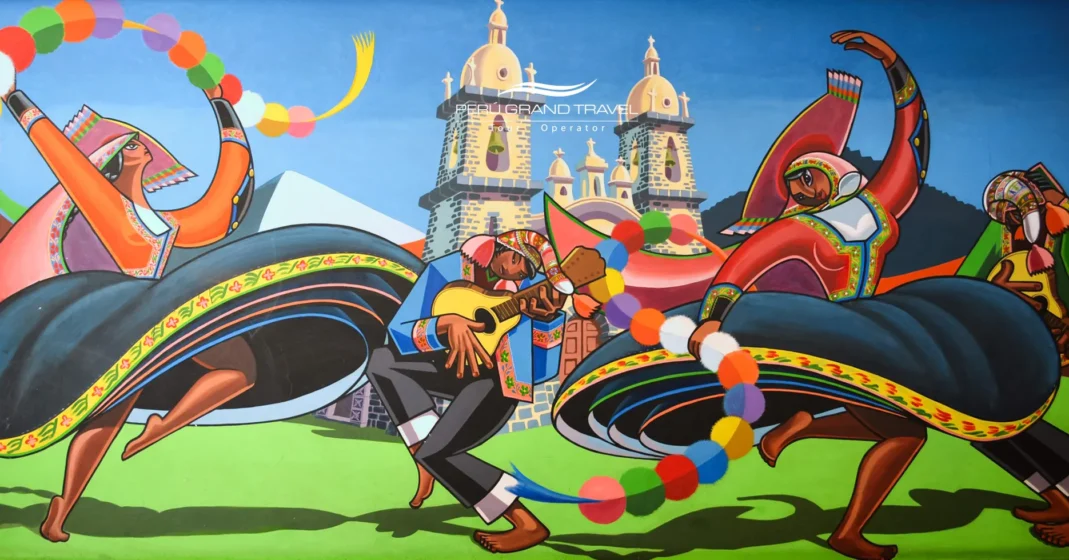
Traditional Dances Presented at the Centro Qosqo de Arte Nativo
When the lights dim and the first notes begin to play, the Centro Qosqo de Arte Nativo stops being just a stage and becomes a journey through the living memory of the Andes. Each dance that appears does not come alone—it carries with it a story, a community, and a way of understanding the world that has endured through time.
The dances of Cusco and various regions of Peru unfold like chapters of a shared ancestral narrative. Some movements are born from working the land, others celebrate fertility and harvest, while turns evoke sacred rituals and expressions recall ancient community ceremonies. The dancer’s body becomes a language, and every gesture conveys respect for nature, gratitude to Pachamama, and pride in inherited identity.
The vibrant colors of the costumes, the rhythm shaped by live music, and the collective strength of the performers surround the audience in a deeply moving experience. It is not simply about watching a dance, but about feeling how each choreography reflects ancestral beliefs, historical moments, and ways of life that still beat in Andean communities.
Throughout the performance, the audience does more than learn—they connect. They understand that these dances were not created for applause, but to accompany life itself. In this way, the Centro Qosqo de Arte Nativo transforms each presentation into an act of memory, appreciation, and cultural representation, where art ceases to belong to the past and emerges as a living tradition shared with respect and emotion.
Iconic Andean Dances You Can See Live
At the Centro Qosqo de Arte Nativo, traditional dances are performed that represent the cultural diversity of Cusco and various regions of Peru. Each one expresses the history, spirituality, and daily life of Andean communities, turning the performance into a true cultural journey.
Among the dances you can experience are:
- Qhapac Qolla Dance
This dance represents the ancient highland traders. Its movements and costumes symbolize the cultural and economic exchange between Andean regions.
- Saqra Dance
One of the most visually striking performances. It combines symbolic elements of good and evil, reflecting the fusion between Andean beliefs and colonial influence. - Valicha
A festive dance from Cusco that expresses joy, regional identity, and popular celebrations, accompanied by lively music and colorful attire. - Andean Carnivals
These dances celebrate life, the fertility of the land, and community unity, closely connected to agricultural cycles and gratitude toward Pachamama. - Scissors Dance (Danza de las Tijeras)
Known for its complexity and symbolism, this dance expresses skill, endurance, and a deep spiritual connection, making it one of the most representative expressions of Andean folklore. - Amazonian and other regional dances of Peru
The performance also includes representations from the Amazon and other regions of the country, showcasing Peru’s multicultural richness beyond the Andes.
Each dance carries its own cultural, historical, and ceremonial meaning. Through music, movement, and traditional attire, these expressions convey ancestral stories, community rituals, and values that remain alive today. Seeing them live reveals that Andean dance is not merely a performing art—it is a way of preserving the memory and identity of an entire people.
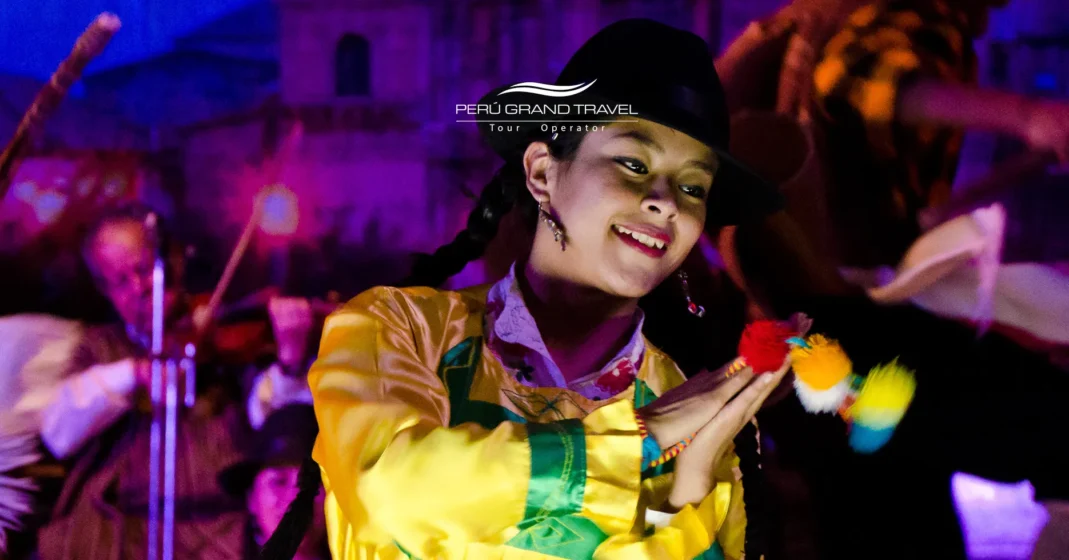
Traditional Attire: Identity Worn with Pride
From the very first moment, the costumes set the tone of the experience at the Centro Qosqo de Arte Nativo. Even before the dancers begin to move, the attire already tells a story. Vibrantly colored fabrics, intricate embroidery, and handcrafted details reflect the origin of each dance and the identity of the communities that created them.
Nothing is accidental. Every color, shape, and texture represents symbols of nature, agricultural festivals, social hierarchies, and ancestral beliefs. In this way, the costumes become a visual language that communicates tradition, memory, and cultural pride.
Costumes and Accessories That Bring the Dance to Life
The costumes combine traditional fibers, layered garments, and accessories that move with the rhythm of the dance, enhancing every step. Hats, masks, ribbons, and embroidery add character and personality to each performance, transforming the stage into a living mosaic of Andean cultures.
When observed up close, the respect with which they have been recreated becomes evident. Each piece faithfully preserves its original meaning, allowing the dance to maintain its essence and its connection to the communities where it was born.
Live Music: The Rhythm That Guides the Experience
Live music accompanies and guides every movement of the performance. Traditional Andean instruments such as the quena, zampoña, charango, and drums set the rhythm, creating an immersive atmosphere that connects directly with the essence of the Andes.
The sound does more than accompany the dance—it leads it. It accelerates, pauses, stirs emotion, and carries the audience through different moods. The result is a deeply sensory experience where costume, music, and movement come together to create a visual, artistic, and emotional impact that lingers in memory, as a testament to a living tradition that transcends the stage.
What to Expect During a Visit to the Centro Qosqo de Arte Nativo
At the Centro Qosqo de Arte Nativo, you can enjoy authentic Andean dances, live traditional music, original attire, and a deeply cultural experience. It is an ideal visit for those who wish to explore Cusco’s living culture beyond traditional tourist circuits, in a respectful and meaningful setting.
Show Duration, Atmosphere, and Experience
The show at the Centro Qosqo de Arte Nativo lasts approximately one hour, the perfect amount of time to enjoy traditional dances without feeling too long. The atmosphere is authentic and respectful, with live music and performances that keep the essence of Andean culture alive.
It is an ideal experience for the whole family and for those who want to discover Cusco’s culture in a close and meaningful way. If you are looking for something different, cultural, and genuine during your visit, this is truly a place worth discovering.
Is It Worth Visiting the Centro Qosqo de Arte Nativo?
Yes, it is worth visiting the Centro Qosqo de Arte Nativo. From the moment the performance begins, you can feel that it is not just any show. The lights dim, Andean music begins to play, and little by little, the dances fill the stage with history and meaning. Each presentation feels authentic, without exaggeration or unnecessary effects—just living tradition.
Unlike more commercial tourist shows, everything here maintains a clear respect for the cultural origin of each dance. It is not just entertainment; it is a way to better understand Cusco, its identity, and its Andean heritage. When you leave, you do not only remember the colors and the music, but also the feeling of having witnessed something genuine and culturally meaningful.
Where Is the Centro Qosqo de Arte Nativo Located?
If you are wondering where the Centro Qosqo de Arte Nativo is located, you will find it in the city of Cusco, very close to the historic center. Its location is accessible and convenient, making it easy to visit after exploring the Plaza de Armas, churches, museums, or the city’s traditional streets.
To get there, you can walk if you are staying in the center, as it is just a few minutes from the main tourist areas. You can also take a local taxi, which is a quick and affordable option. Many travelers prefer to include it as part of an organized cultural tour, making transportation and daily planning easier.
Its proximity to the heart of Cusco makes it an excellent cultural activity to complement your visit to the city, especially in the evening.
How to Get from Cusco’s Main Square to the Centro Qosqo de Arte Nativo
If you are at Cusco’s Main Square, getting to the Centro Qosqo de Arte Nativo is simple and quick.
From the square, you can walk for approximately 10 to 15 minutes, depending on your pace. Simply head toward Avenida El Sol, one of the city’s main and easiest streets to identify. The route is safe and allows you to enjoy Cusco’s urban atmosphere as you approach the cultural center.
If you prefer more convenience, you can take a local taxi. The ride is short and usually takes between 5 and 10 minutes.
Best Time to Visit the Centro Qosqo de Arte Nativo
Performances are usually held in the evening, generally starting around 7:00 p.m. or 8:00 p.m., making it an excellent activity to end the day after exploring Cusco’s historic center.
As for the season, it can be visited year-round. However, between May and September (Cusco’s dry season), there is typically a higher number of visitors, so booking in advance is recommended. During the low season, the experience remains just as authentic and can be enjoyed in a more relaxed setting.
Practical tips for your visit:
- Arrive 15 to 20 minutes early to secure a good seat.
- Confirm the updated show schedule in advance.
- Bring a light jacket, especially during the colder season.
The Centro Qosqo de Arte Nativo as Part of a Cultural Experience in Cusco
Including the Centro Qosqo de Arte Nativo in your Cusco itinerary is a simple and meaningful way to complement your visit to its historic monuments. It is not just about walking through temples and colonial streets, but about experiencing Andean culture more closely through art, music, and dance. It is an opportunity to feel tradition beyond the ancient stones and connect with the city’s living essence.
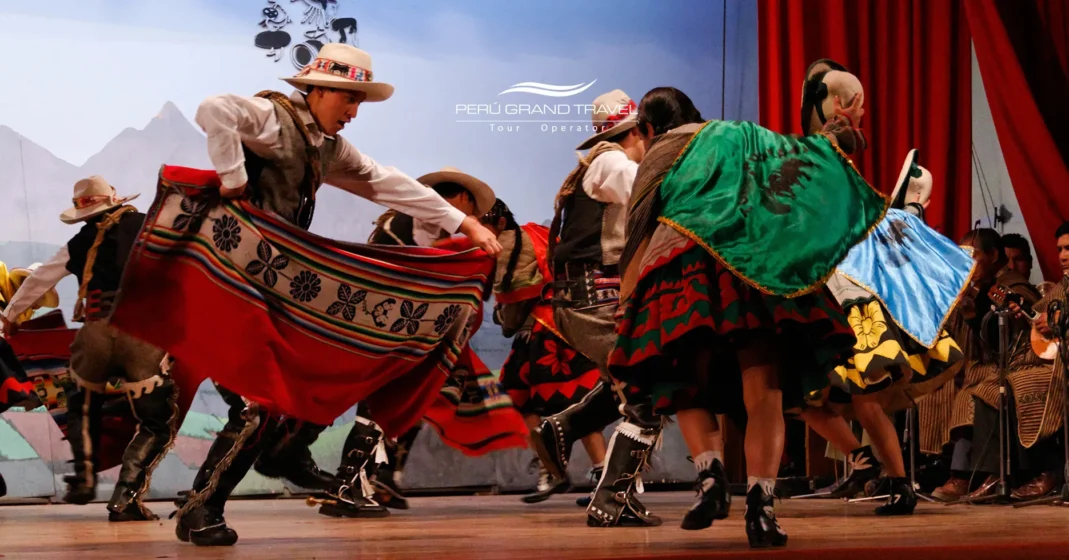
How to Combine the Centro Qosqo de Arte Nativo with Other Cultural Tours
A great tip is to visit the Centro Qosqo de Arte Nativo after taking one of Cusco’s half-day cultural tours. For example, after a city tour of the historic center or a visit to nearby archaeological sites, you can end the day with an artistic experience that complements what you learned earlier.
If you explored temples, museums, or traditional neighborhoods like San Blas in the morning, in the evening the Centro Qosqo de Arte Nativo will help you better understand Andean history and identity through live dance and music. It’s a balanced way to experience Cusco: first you discover its architectural heritage, and then you connect with its living culture.
Responsible Tourism and Cultural Preservation
Visiting the Centro Qosqo de Arte Nativo is not only an enriching cultural experience, but also a way to directly support local artists and performing groups who dedicate their lives to keeping Andean traditions alive. Each performance represents hours of practice, learning, and commitment to Cusco’s cultural identity.
Moreover, the impact goes beyond the stage. This support helps strengthen the city’s cultural economy and reinforces the role of the Cusco community as guardians of their own heritage. In this way, your visit not only enriches your journey, but also contributes positively to the region’s cultural and social development.
Tips for Visiting the Centro Qosqo de Arte Nativo
Photography, Guidelines, and Respectful Behavior
To enjoy a pleasant and respectful experience at the Centro Qosqo de Arte Nativo, please keep the following recommendations in mind:
- Keep your phone on silent throughout the performance.
- Avoid conversations while the presentations are taking place.
- Do not use flash when taking photos, as it may distract the performers.
- Take photos discreetly, without interrupting the performance or blocking the view of other guests.
- Respect the timing of the show by applauding at the end of each dance.
- Appreciate the cultural meaning of each presentation, remembering that they represent ancestral traditions.
- Show consideration for both the performers and the audience by maintaining a respectful attitude at all times.
Following these guidelines ensures a more authentic and enriching cultural experience for everyone.
Who Is This Experience Recommended For?
The Centro Qosqo de Arte Nativo is perfect if you want to experience a different kind of cultural evening in Cusco. You can enjoy it in various ways, depending on your travel style:
- If you are traveling with friends or as a couple, it’s an excellent activity to share after a day of sightseeing. The music and dances spark conversations and create special moments after the show.
- If you are traveling with family, it’s both an educational and entertaining experience. Children are captivated by the colors and energy of the dances, while adults appreciate the cultural meaning behind each performance.
- If you are traveling with older adults, the show is comfortable, accessible, and appropriately timed, allowing everyone to enjoy it without feeling tired.
- If you love art and history, pay attention to the details—the costumes, instruments, and movements tell profound stories that make the experience even more meaningful.
In the end, it doesn’t matter who you travel with; what truly matters is being open to feeling and appreciating living culture. Sharing this experience with those close to you makes the memory even more meaningful.
Frequently Asked Questions About the Centro Qosqo de Arte Nativo
How Long Is the Show?
The show at the Centro Qosqo de Arte Nativo lasts approximately one hour, an ideal amount of time to enjoy a representative selection of traditional dances without feeling too long or exhausting.
Is It Suitable for Children?
Yes, it is a child-friendly experience. The colorful dances, live music, and vibrant energy of the performance usually capture their attention, making it an entertaining and educational cultural activity for the whole family.
Do I Need to Book in Advance?
It is recommended to book in advance, especially during the high season (May to September) or during festive dates in Cusco. This ensures availability and better seating.
Is It Included in Guided Tours?
It is not always included as a standard part of guided tours, but many agencies offer it as an optional activity or cultural evening add-on. It can also be visited independently.
Why Experiences Like the Centro Qosqo de Arte Nativo Matter When Traveling to Cusco
Experiences such as visiting the Centro Qosqo de Arte Nativo create an emotional connection with living culture. It is not only about observing, but about feeling how each dance and melody reflect the collective memory of Andean communities.
These traditions do not belong to the past; they remain active thanks to the commitment of artists and communities who preserve them with pride. By witnessing them, travelers understand that culture is not frozen in time—it continues to evolve and express itself.
Traveling to Cusco means much more than visiting Machu Picchu. It means opening yourself to understanding the Andean worldview, its relationship with nature, and its cultural richness. Including authentic experiences in your itinerary allows for a deeper, more human, and meaningful journey.

Experiences

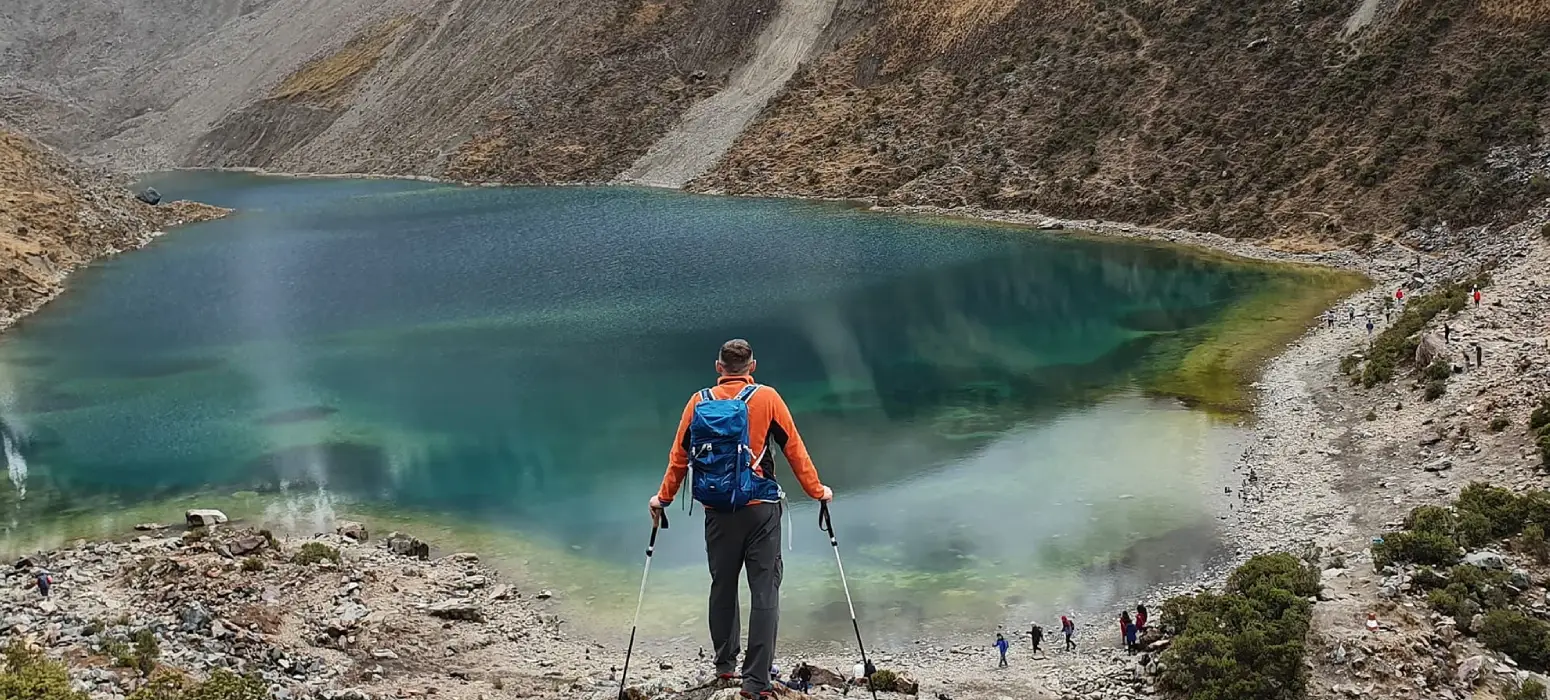
Machu Picchu Challenge 8D/7N
Cusco, Sacred Valley Humantay Lagoon, Rainbow Mountain & Machu Picchu.
View Tour
Colonial Lima and Sacred land of the Incas 7D/6N
Lima, Cusco, Sacred Valley & Machu Picchu.
View Tour