Welcome, my dear traveler. If we were standing in a vineyard in Ica right now, under the warm March sun, I would hand you a cluster of Quebranta grapes. I would tell you that you are not just holding fruit; you are having the promise of Peruvian Pisco.
Table of Contents
To understand Peru, you must understand its seasons. And for those of us who appreciate the finer things in life—like a perfectly balanced Pisco Sour—the most important season is the harvest.
So, when are grapes harvested in Peru? The answer is a celebration. It happens in late summer, peaking in March, during the famous Vendimia Festival. This is not just an agricultural event; it is a cultural explosion. It is where the desert meets the vine, and where hard work transforms into a nationwide party.
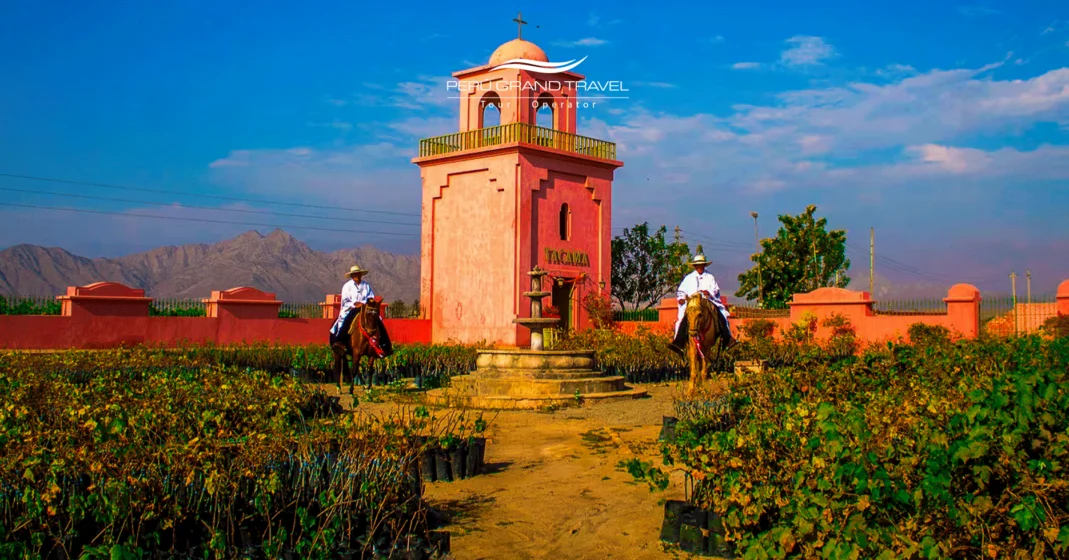
As your host at Peru Grand Travel, allow me to guide you through the vines. Let’s explore the history, the traditions, and the sheer joy of the harvest season in the land of the Incas. Let’s raise a glass to the harvest.
When are grapes harvested in Peru? | The Season of Abundance
The simple answer is: Late February to early April.
However, in the coastal valleys of Peru, particularly in Ica, the harvest is not just a date on the calendar; it is a way of life.
- The Climate: The Peruvian coast has a unique desert climate. The intense summer sun (December-March) ripens the grapes to perfection, concentrating the sugars needed for high-proof Pisco.
- The Peak: The second week of March is usually when the Vendimia Festival (Festival International de la Vendimia de Ica) takes place. This is the moment when the town of Ica shuts down to celebrate.
If you are planning your trip, aiming for March allows you to witness the grape harvest in full swing. You can see the trucks loaded with fruit, smell the fermenting must in the air, and participate in the traditional stomping.
For a deeper dive into the spirit produced from this harvest, I invite you to read our comprehensive pillar guide on Peruvian Pisco 2026.
DID YOU KNOW?
The Night Harvest: Some premium wineries harvest their grapes at night or very early in the morning. Why? To keep the grapes cool. Heat can start fermentation prematurely, which can spoil the delicate aromas of the “Pisco Grapes.”
What is the history of the Vendimia Festival?
The Vendimia is not a modern invention. Its roots go back to the arrival of the Spanish in the 16th century.
- The First Vines: The Spanish brought grapevines to produce wine for mass. The first harvest in South America happened right here, in the Ica Valley.
- The Evolution: Over centuries, the celebration evolved from a simple agricultural ritual into a grand festival. In 1958, the “Festival de la Vendimia” was officially established to promote the region’s wine and Peruvian Pisco production.
Today, it is a mix of tradition and modernity. You will see Afro-Peruvian dances, beauty queens (Reina de la Vendimia), and fairs, but the heart of it remains the same: gratitude to the earth for the fruit.

To see how this festival fits into the wider cultural calendar, check our guide on Festivals in Peru 2026.
The Ritual of the “Pisa de Uvas” | Grape Stomping
This is the moment everyone waits for. Historically, the juice was extracted by stomping the grapes in a lagar (a stone or cement trough).
- The Tradition: Today, during the festival, this becomes a dance. Music plays—usually Afro-Peruvian rhythms like the Festejo—and people take off their shoes, roll up their pants, and jump into the grapes.
- The Experience: It is sticky, it is messy, and it is incredibly fun. It connects you physically to the process of making wine and Pisco.
If you visit a traditional bodega during the harvest, you might be invited to join in. It is a memory you won’t forget.
ADVICE GRAND
Wear Old Clothes: If you plan to participate in the Pisa de Uvas, wear shorts or pants you can roll up easily. Grape juice stains are a badge of honor, but maybe not on your favorite white linen trousers!
Are grapes from Peru good? | The Pisco Grapes
You might ask, “Is the fruit actually high quality?”
The answer is a resounding yes. But these aren’t your average supermarket table grapes.
Peruvian Pisco can only be made from 8 specific varieties, known as “Pisco Grapes.”
- Non-Aromatic: Quebranta (the king), Negra Criolla, Mollar, Uvina.
- Aromatic: Italia, Torontel, Moscatel, Albilla.
These grapes are adapted to the harsh desert conditions. They are small, incredibly sweet, and packed with flavor. When you ask when are grapes harvested, you are asking when these specific jewels are ready to be transformed into the spirit of Peru.
IMPORTANT FACT
The Sugar Content: Pisco grapes need a very high sugar content (Brix) because Peruvian Pisco is distilled to proof without adding water. The alcohol comes entirely from the sugar in the grape. This requires the intense sun of the Ica summer.
What traditional dances can you see during the harvest?
The Altiplano might have the Diablada, but the coast has the Marinera and the Afro-Peruvian dances. During the weeks when are grapes harvested, the plazas of Ica are filled with the sound of the cajón.
La Marinera
A dance of seduction and elegance. The man wears a poncho and hat, while the woman, barefoot, uses a white handkerchief to lead the rhythm. It perfectly reflects the sophistication we value at Perú Grand Travel.

El Festejo
A high-energy Afro-Peruvian dance that celebrates the joy of life and the end of the harvest. It’s impossible to watch without wanting to join in.
What typical foods should you try during the Vendimia?
Knowing when are grapes harvested is also a culinary countdown. The heat of Ica requires a specific type of gastronomy.
- Carapulcra con Sopa Seca: This is the undisputed queen of Ica’s cuisine. A rich stew of sun-dried potatoes and pork, served with seasoned noodles. It is heavy, soulful, and delicious.
- Tejas: A sweet treat consisting of manjar blanco (caramel), pecans, and a white fondant coating.
- Fresh Ceviche: Since Pisco is just an hour away from the coast, the seafood is as fresh as it gets.
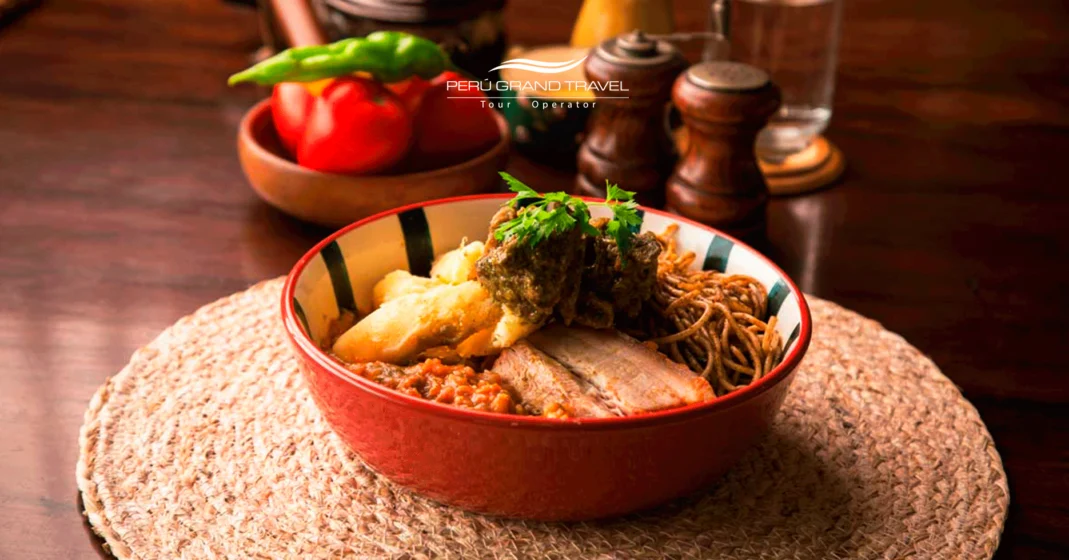
We often tell our guests: “A harvest without Carapulcra is like a flight to Cusco without a window seat—you’re missing the best part.”
What exclusive tours can you do in Ica and Paracas?
If you are visiting during the months when are grapes harvested, you must maximize your time. An experience in Ica-Paracas-Lima is the perfect way to blend luxury with adventure.
The Route of Pisco
Visit the oldest distilleries in the Americas. At haciendas like La Caravedo or Tacama, you can see the traditional copper stills and the large clay jars (botijas) where the spirit rests. Seeing when are grapes harvested and how they are processed is a masterclass in craftsmanship.
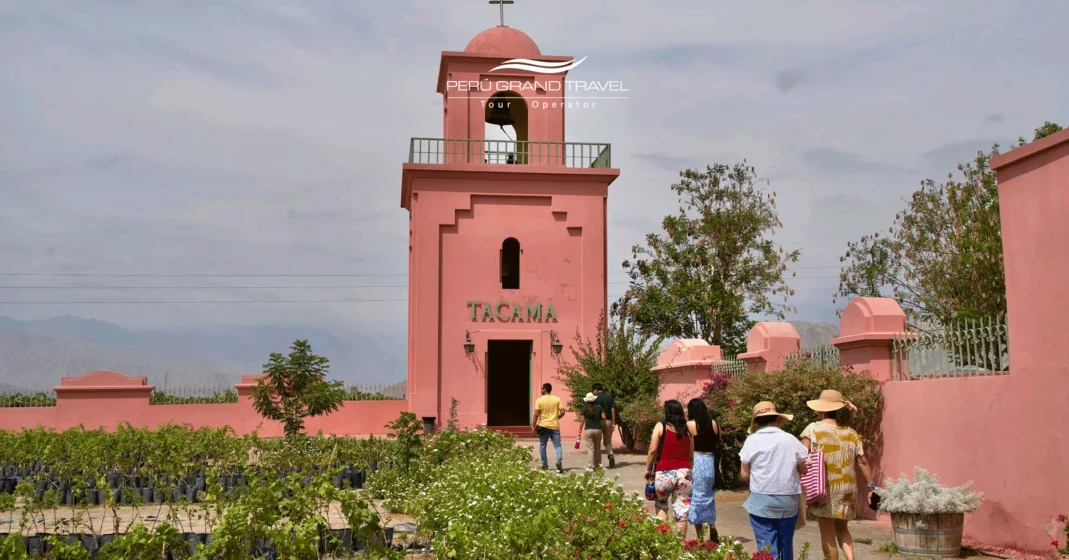
Paracas and the Ballestas Islands
Just a short drive from the vineyards, you can take a private boat to the “Peruvian Galápagos.” It’s a wonderful contrast: from the dry, grape-scented air of the vineyards to the salty breeze of the Pacific.
Adventure in the Dunes
For the “Explorador” in you, a private buggy ride through the Huacachina dunes at sunset is non-negotiable. It is a moment of pure adrenaline followed by a quiet glass of Peruvian pisco under the stars.
Travel Logistics: Weather and Clothing
Because Ica is a desert, the climate can be deceptive. Being prepared is the mark of a seasoned traveler.
| Feature | Details | Recommendations |
| Season | Late February – March | The peak of when are grapes harvested. |
| Day Temp | 30°C – 34°C (86°F – 93°F) | Sunscreen and light linen clothing. |
| Night Temp | 18°C – 20°C (64°F – 68°F) | A light pashmina or summer jacket. |
| Altitude | 406 meters (1,332 feet) | No need to worry about altitude sickness here! |
| Vibe | Festive / Sophisticated | Smart-casual for vineyard dinners. |
ADVICE GRAND
Even though it’s summer during the time when are grapes harvested, Ica is a desert. The sun is “honesto”—it will burn you if you don’t respect it. Always carry a stylish hat and hydrate with water between your Pisco tastings.
How does the Ica Harvest compare to the Pisco Sour Day?
Both are essential dates for the “Bon Vivant,” but they offer different energies.
| Feature | The Vendimia (Ica) | Pisco Sour Day |
| Timing | March (When are grapes harvested) | First Saturday of February |
| Location | In the Vineyards (Ica) | Nationwide (Mainly Lima/Cusco) |
| Focus | Agriculture, Tradition, Ritual | Cocktails, Mixology, Celebration |
| Best For | History lovers & Explorers | Foodies & Urbanites |
Is it worth visiting Peru just for the harvest?
Absolutely. If you are an American traveler who values exclusivity, witnessing when are grapes harvested in Ica offers a window into a side of Peru that most tourists miss. While everyone else is heading straight to Machu Picchu, you will be treading grapes in a colonial hacienda, sipping the world’s finest Peruvian pisco, and experiencing the true warmth of coastal hospitality.
USD goes a long way in Peru right now, allowing you to book private, VIP access to festivals and distilleries that would be far more crowded if you went as a solo traveler.

Frequently Asked Questions | FAQ
When is the Ica Vendimia 2026?
The main events are usually held during the second week of March. This is the absolute peak of when are grapes harvested and celebrated.
Is Ica safe for American tourists?
Ica is generally safe, especially when traveling with a reputable agency like Perú Grand Travel. We provide private transport to ensure your safety and comfort between vineyards.
Can I participate in the grape treading?
Yes! Many vineyards allow tourists to join in the traditional “pisa de uva” when are grapes harvested. It’s a messy, joyful, and unforgettable experience.
What should I bring back as a souvenir?
A bottle of Mosto Verde Pisco is the ultimate “Bon Vivant” souvenir. It is made from partially fermented grapes, resulting in a smoother, more complex spirit.
How far is Ica from Lima?
It is about a 4.5-hour drive on the Pan-American Highway. We recommend a private driver to enjoy the coastal views without the stress of local traffic.
What is the 12 grape rule?
This is a New Year’s Eve tradition. At midnight, Peruvians eat 12 grapes (one for each month) to make 12 wishes for the coming year. It is a symbol of prosperity.
What is the cheapest time to go to Peru?
The rainy season in the Andes (January-March) is generally cheaper for flights and hotels. Coincidentally, this is exactly when grapes are harvested on the coast (which stays dry), making it a great time for a budget-friendly trip that includes the Vendimia!
Your Sophisticated Next Step
At Perú Grand Travel, we believe that traveling is a privilege, and we are the anfitriones who ensure you live that privilege to the fullest. Now that you know when are grapes harvested, you have the “VIP Access” knowledge to plan a trip that is truly out of the ordinary.
Whether you want to witness the blessing of the first fruits or spend a quiet week at a luxury vineyard resort, we are here to handle every detail with “Honestidad y Compromiso.”
Would you like me to help you design a private itinerary for the 2026 Ica Harvest, or perhaps you’d like to learn more about the fascinating history of Peruvian pisco?
We invite you to explore our Peru packages. Your experience in Peru is just one step away. Contact us now and start living the unique adventure you’ve always dreamed of.
More information:
- Visit our English website: Peru Grand Travel
- Visit our Spanish website: Viajes Machu Picchu Tours
- Visit our Portuguese website: Machu Picchu Pacotes

Experiences

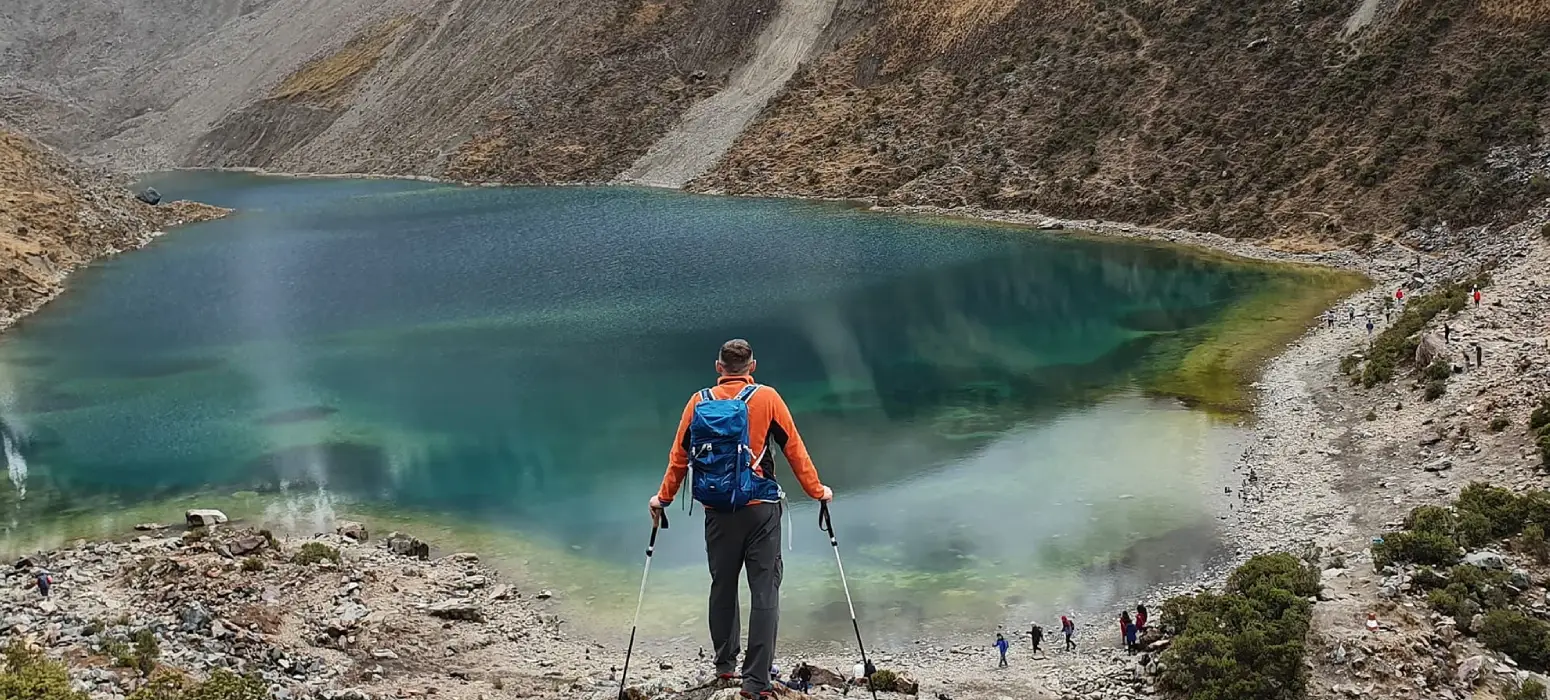
Machu Picchu Challenge 8D/7N
Cusco, Sacred Valley Humantay Lagoon, Rainbow Mountain & Machu Picchu.
View Tour
Colonial Lima and Sacred land of the Incas 7D/6N
Lima, Cusco, Sacred Valley & Machu Picchu.
View Tour