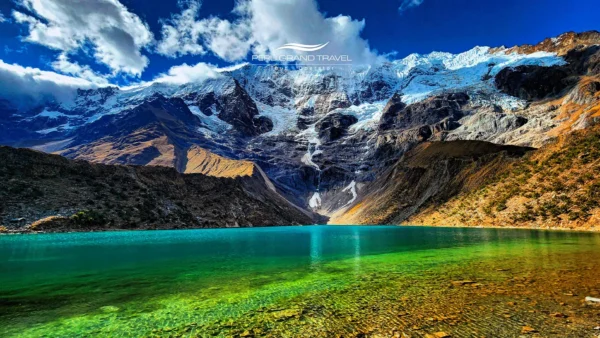
Hello, my dear friend. As your Cosmopolitan Host, I’ve often walked the cobblestone streets of Cusco, where the scent of ancient incense mingles with the crisp Andean air. While many travelers rush toward the stones of Sacsayhuaman, a person of refined taste knows that the true “soul” of the city is found behind the heavy, carved cedar doors of its colonial temples.
Table of Contents
To experience this, you need a specific key: the religious tourist ticket (officially known as the Boleto del Circuito Religioso). While the standard tourist ticket in Peru (the BTC) opens the doors to archaeological wonders, this specialized pass is your VIP access to the finest collection of the Cusco School of Art in the world. Let’s sit down with a glass of Pisco and discuss how to navigate this spiritual and artistic journey.
What is the Religious Tourist Ticket in Cusco?
The Religious Tourist Ticket (technically the Integral Ticket of the Religious Circuit) is a unified pass that grants you access to the most significant ecclesiastical museums and temples in the historic center of Cusco.
- The Concept: Instead of paying individual entrance fees at each church (which can add up), this single ticket gives you access to four major sites.
- The Experience: It is not just about religion; it is about art, history, and architecture. You are walking into living museums where the “Last Supper” features a guinea pig and the Virgin Mary wears an Inca mountain dress.
Why do you need this ticket?
If you want to understand Cusco, you cannot ignore the colonial era. The Religious Tourist Ticket allows you to explore the Cathedral, the Temple of San Blas, the Archbishop’s Palace, and San Cristobal. It is the perfect complement to the archaeological ruins.
For a broader look at all the entry requirements in the country, I invite you to read our pillar guide on Tourist Tickets in Peru 2026.
DID YOU KNOW?
Hidden Symbols: In the paintings inside these churches, look closely. Indigenous artists often hid symbols of their own faith—suns, moons, and native flora—within the Catholic imagery. It was a silent resistance through art.
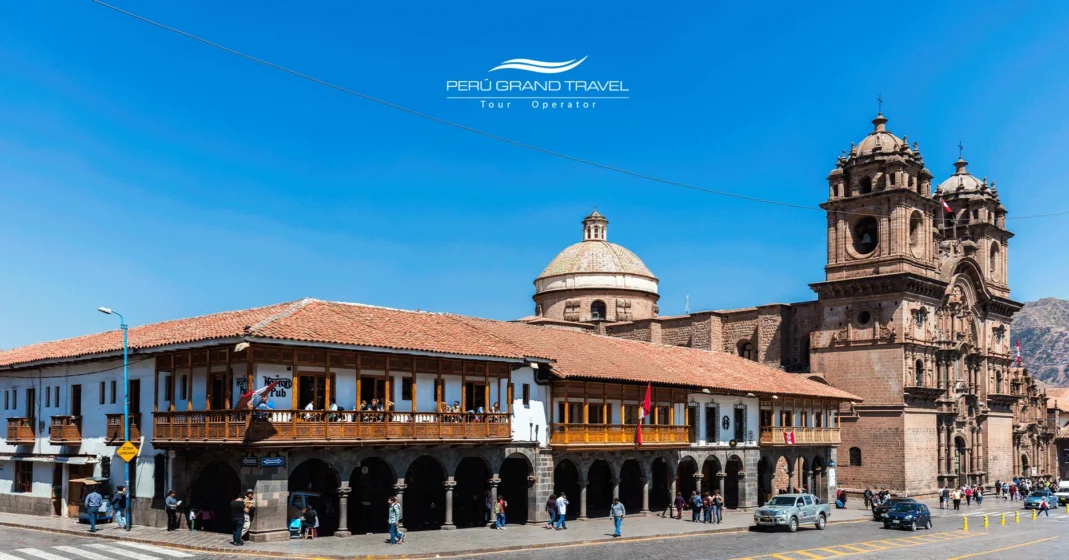
Where to buy the Religious Tourist Ticket?
You can buy the religious tourist ticket directly at the entrance of any of the four included sites, though most travelers prefer to purchase it at the main entrance of the Cathedral in the Plaza de Armas. Unlike the Machu Picchu entrance, you do not need to book this months in advance, but having it ready allows you to bypass the smaller payment lines at the other churches. Knowing this saves you time wandering the streets.
The Official Points of Sale
You can purchase the ticket at the entrance of any of the sites included in the circuit:
- The Basilica Cathedral of Cusco: Right in the Plaza de Armas.
- The Temple of San Blas: In the artisan neighborhood.
- The Archbishop’s Palace: On Hatun Rumiyoc Street (near the 12-angled stone).
- The Temple of San Cristobal: On the hill overlooking the city.
Can you buy it online?
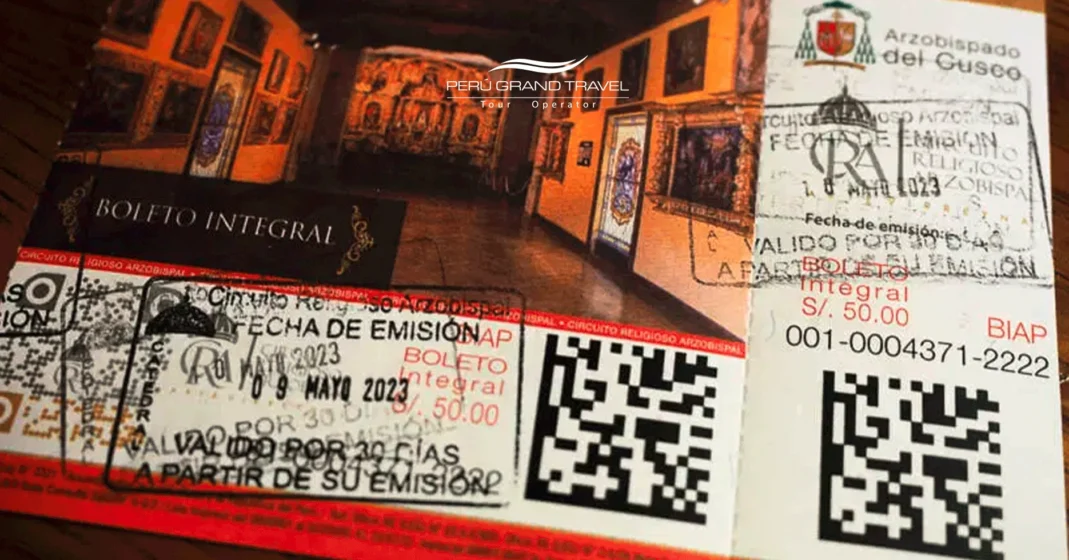
Currently, the system is primarily physical. While some agencies (like us at Peru Grand Travel) can arrange it as part of a tour, walking up to the door of the Cathedral and buying your Religious Tourist Ticket is simple and immediate.
ADVICE GRAND
Cash is King: While some counters accept cards, systems can be down. Always carry Soles in cash to buy your ticket quickly and avoid delays.
What places do you visit with the Religious Tourist Ticket?
The religious tourist ticket grants you access to four specific sites: the Basilica Cathedral of Cusco, the Church of San Blas, the Archbishop’s Palace (Museum of Religious Art), and the Church of San Cristobal. Each site offers a distinct perspective on the city’s history, from the monumental scale of the main square to the intimate, artisan-filled streets of the hills.
1. The Cathedral Basilica of the Assumption
The guardian of the Plaza de Armas. Built on top of the Inca Viracocha’s palace, it took nearly 100 years to complete, and it houses over 400 paintings.
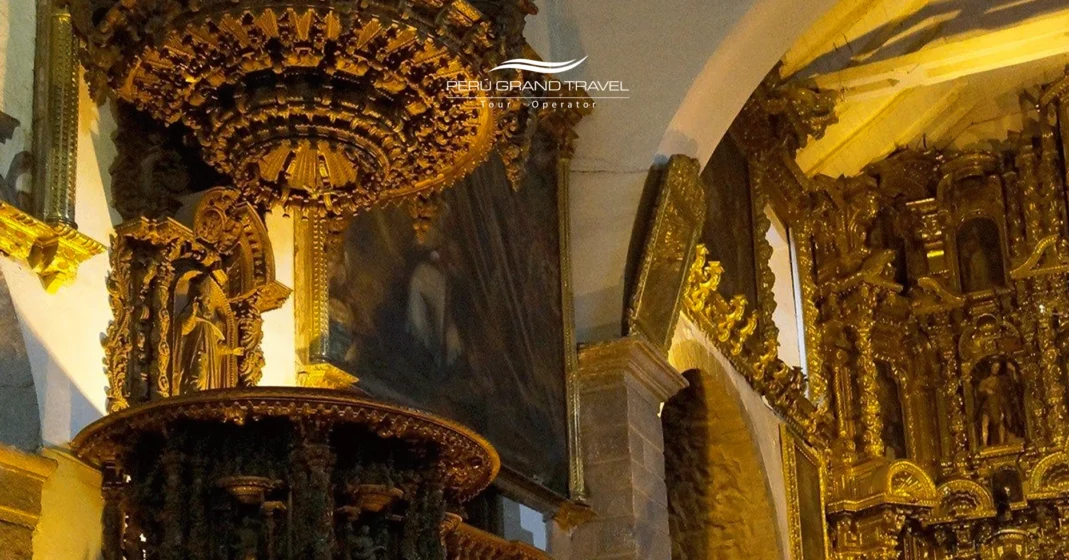
- Must-See: The famous painting of the Last Supper with a Guinea Pig (Cuy). The massive silver altar. The “Lord of Earthquakes” (Taitacha Temblores) is a black Christ statue that is the patron of the city.

2. The Temple of San Blas
Located in the bohemian artisan quarter, this simple adobe church hides a masterpiece.
- Must-See: The Pulpit. Carved from a single cedar tree trunk, it is considered the finest example of woodcarving in the Americas. Look for the skull carved at the base—legend says it is the artist himself.
3. The Archbishop’s Palace | Museo de Arte Religioso
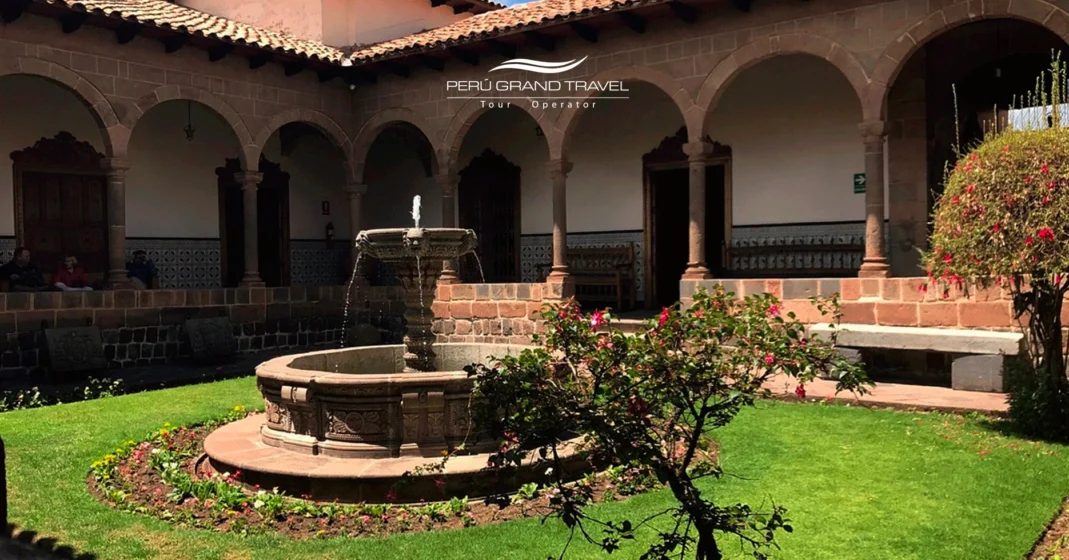
A stunning colonial mansion built on the walls of the Inca Roca’s palace.
- Must-See: The architecture itself. The Arab-style courtyard with a stone fountain is a haven of peace. The collection of Corpus Christi paintings shows how the festival looked centuries ago.
4. The Temple of San Cristobal
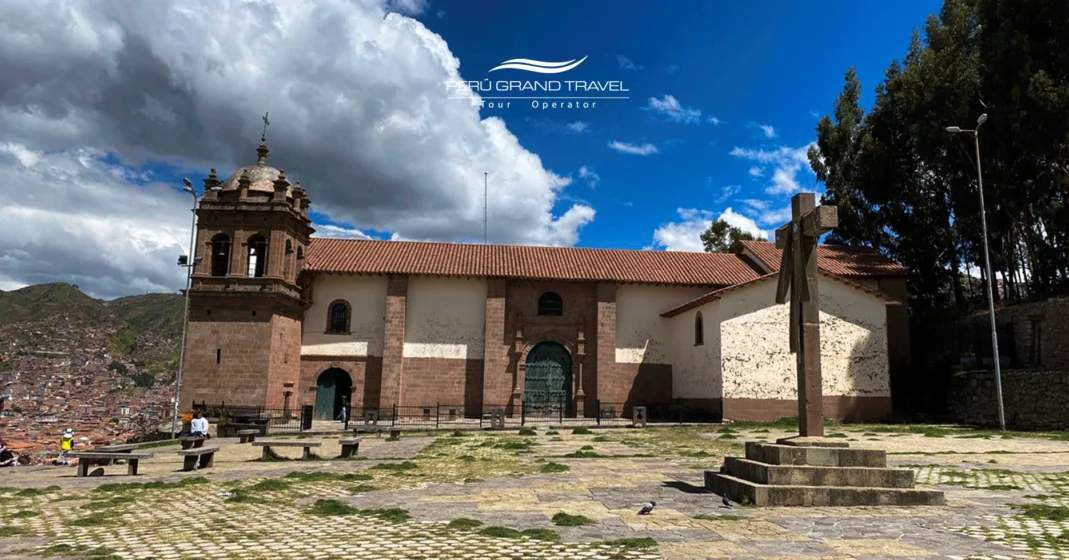
Located high above the city, next to the ruins of Qolqampata.
- Must-See: The View. The bell tower offers the best panoramic photo of Cusco and the Plaza de Armas. It is the perfect spot for sunset.
With the Religious Tourist Ticket, you have access to all of these.
How much does the Religious Tourist Ticket cost?
Let’s talk budget. Compared to other attractions, the Religious Tourist Ticket is excellent value.
Ticket Prices | Approximate for 2025/2026
- Adults | Foreign: 50 Soles (approx. $13 USD).
- Students | with an ISIC card: 25 Soles (approx. $7 USD).
- Partial Tickets: You can pay for each site individually (e.g., just the Cathedral is around 25 Soles), but buying the integral ticket saves you nearly 50% if you plan to visit at least three sites.
| Site | Individual Entry (Soles) | Included in Religious Ticket? |
| Cusco Cathedral | 40 | Yes |
| San Blas Church | 15 | Yes |
| Museum of Religious Art | 15 | Yes |
| San Cristobal Church | 10 | Yes |
| Total Price | 80 Soles | ONLY 50 Soles |
Note: Prices are subject to change by the Archdiocese of Cusco.
Investing in the Religious Tourist Ticket is investing in the preservation of these fragile historic sites.
IMPORTANT FACT
Validity: The ticket allows one entry per site. Usually, you have a set period (often 10 days) to visit all the sites, so you don’t have to rush to see them all in one afternoon.
What type of experience does it offer? | Beyond Sightseeing
This is not just about looking at old paintings. Using the Religious Tourist Ticket is an immersive cultural experience.
- Silence and Reflection: Unlike the busy streets, the interiors of these churches are cool, quiet, and smell of ancient wood and wax. It is a moment to breathe.
- Art History: You are witnessing the birth of a new culture. The “Mestizo Baroque” style is unique to the Andes—angels with indigenous faces, mirrors on altars to reflect the sun god, and tropical fruits carved into stone arches.
- The Local Vibe: San Blas and San Cristobal are active parishes. You might stumble upon a local wedding or a neighborhood festival preparation.
If you are a photographer (note: photography is restricted inside, but allowed in courtyards/towers) or a history buff, this ticket is non-negotiable.
Is the Religious Tourist Ticket different from the Boleto Turístico?
Yes, and this is the most common confusion for travelers.
- Cusco Tourist Ticket (BTC): Managed by the government. Covers archaeological sites (Sacsayhuamán, Pisac, Ollantaytambo) and some secular museums.
- Religious Tourist Ticket: Managed by the Archbishopric. Covers the Catholic churches and religious museums mentioned above.
Do you need both?
Ideally, yes. The BTC gives you the Inca history; the Religious Tourist Ticket gives you the colonial history. Together, they complete the puzzle of Cusco.
For a detailed breakdown of the BTC, check our main guide on Tourist Tickets in Peru.
Practical Tips for Visiting Cusco’s Churches
To make the most of your Religious Tourist Ticket, follow these host tips.
Dress Code
These are active places of worship. While they don’t require formal wear, it is respectful to remove hats. Some strict guards might ask you to cover your shoulders, though this is less common now.
Photography Rules
This is crucial. Photography is generally prohibited inside the Cathedral and the Archbishop’s Palace museums to protect the paintings.
- The Host’s Tip: Buy the professional guidebooks or postcards in the gift shop. Use your eyes to record the gold leaf. You can usually take photos in the courtyards, bell towers (San Cristobal), and exteriors.
Best Time to Visit
- The Cathedral: Visit between 10 AM and 11 AM to beat the tour bus crowds.
- San Cristobal: Go at 4:30 PM. Tour the church, then climb the tower for the golden hour sunset over Cusco.
Why include this in your Cusco Itinerary?
You might think, “I’m here for the Incas, why see churches?”
Because the Incas are inside the churches.
- The Foundations: The Archbishop’s Palace sits on the famous 12-angled stone wall.
- The Syncretism: You cannot understand modern Peru without understanding how the Catholic faith merged with Andean beliefs. The Religious Tourist Ticket shows you this fusion in real-time.
At Peru Grand Travel, we often include a walking tour of these sites on your first day. It helps with acclimatization (slow walking, no hiking) and sets the historical context for your trip to Machu Picchu.
Frequently Asked Questions | FAQ
Where can I buy the Religious Tourist Ticket in Cusco?
You can buy it at the entrance of the Cathedral, the Temple of San Blas, the Archbishop’s Palace, or San Cristobal church.
How much does the Religious Tourist Ticket cost?
It costs approximately 50 Soles ($13 USD) for adults and 25 Soles for students. Prices are subject to change.
Does the Religious Tourist Ticket include the Qorikancha?
No. The Qorikancha (Temple of Santo Domingo) requires a separate entrance ticket, which you buy at its door. It is not part of the Archbishopric’s circuit.
Can I take photos inside the churches?
Generally, no. Photography is restricted inside the Cathedral and museums to preserve the artwork. It is usually allowed in bell towers and courtyards.
How long is the Religious Tourist Ticket valid for?
It is usually valid for use within 10 days from the date of purchase, allowing you to visit the sites at your own pace.
Is the Religious Ticket worth it?
Absolutely. Visiting the Cathedral alone costs nearly half the price of the full ticket. If you visit just two sites (e.g., Cathedral + San Blas), you have already saved money.
Can I buy the ticket online?
Currently, it is best purchased in person with cash. There is no centralized online booking system for this specific ticket yet.
What are the opening hours for these churches?
They are generally open for tourism from 10:00 AM to 6:00 PM. Note that during Sunday mass times (early morning), tourism access is restricted.
The Golden Key to Cusco
My friend, the Religious Tourist Ticket is more than a piece of paper. It is a golden key. It unlocks the doors to a world of silence, beauty, and gold that many tourists walk right past.
When you stand before the silver altar of the Cathedral or gaze out from the tower of San Cristobal, you feel the weight of history. You feel the soul of Cusco.
At Peru Grand Travel, we are ready to guide you through these sacred halls. We know the legends behind the paintings and the best time to hear the bells ring.
Are you ready to discover the secrets of the Andes?
Contact us today, and let’s add a touch of gold to your itinerary.
We invite you to explore our Peru packages. Your experience in Peru is just one step away. Contact us now and start living the unique adventure you’ve always dreamed of.
More information:
- Visit our English website: Peru Grand Travel
- Visit our Spanish website: Viajes Machu Picchu Tours
- Visit our Portuguese website: Machu Picchu Pacotes

Experiences

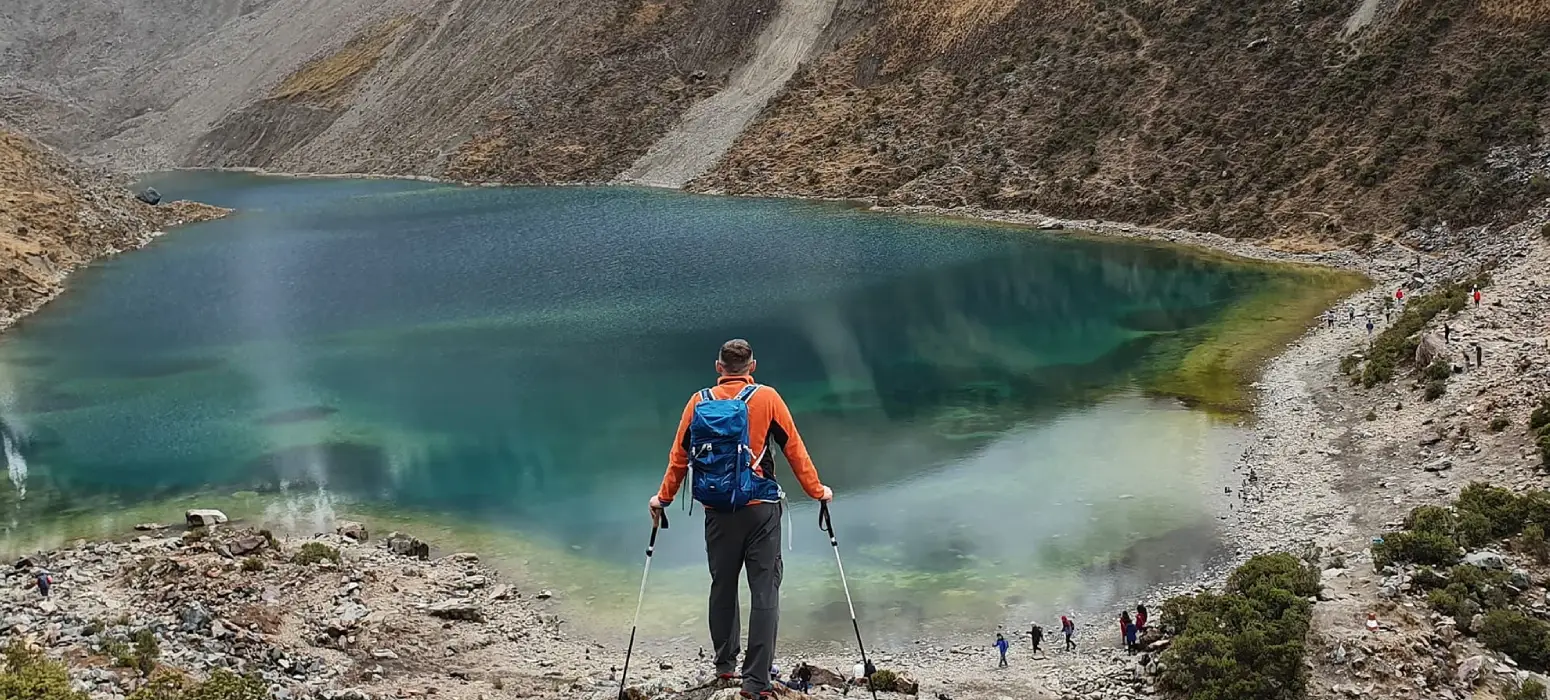
Machu Picchu Challenge 8D/7N
Cusco, Sacred Valley Humantay Lagoon, Rainbow Mountain & Machu Picchu.
View Tour
Colonial Lima and Sacred land of the Incas 7D/6N
Lima, Cusco, Sacred Valley & Machu Picchu.
View Tour